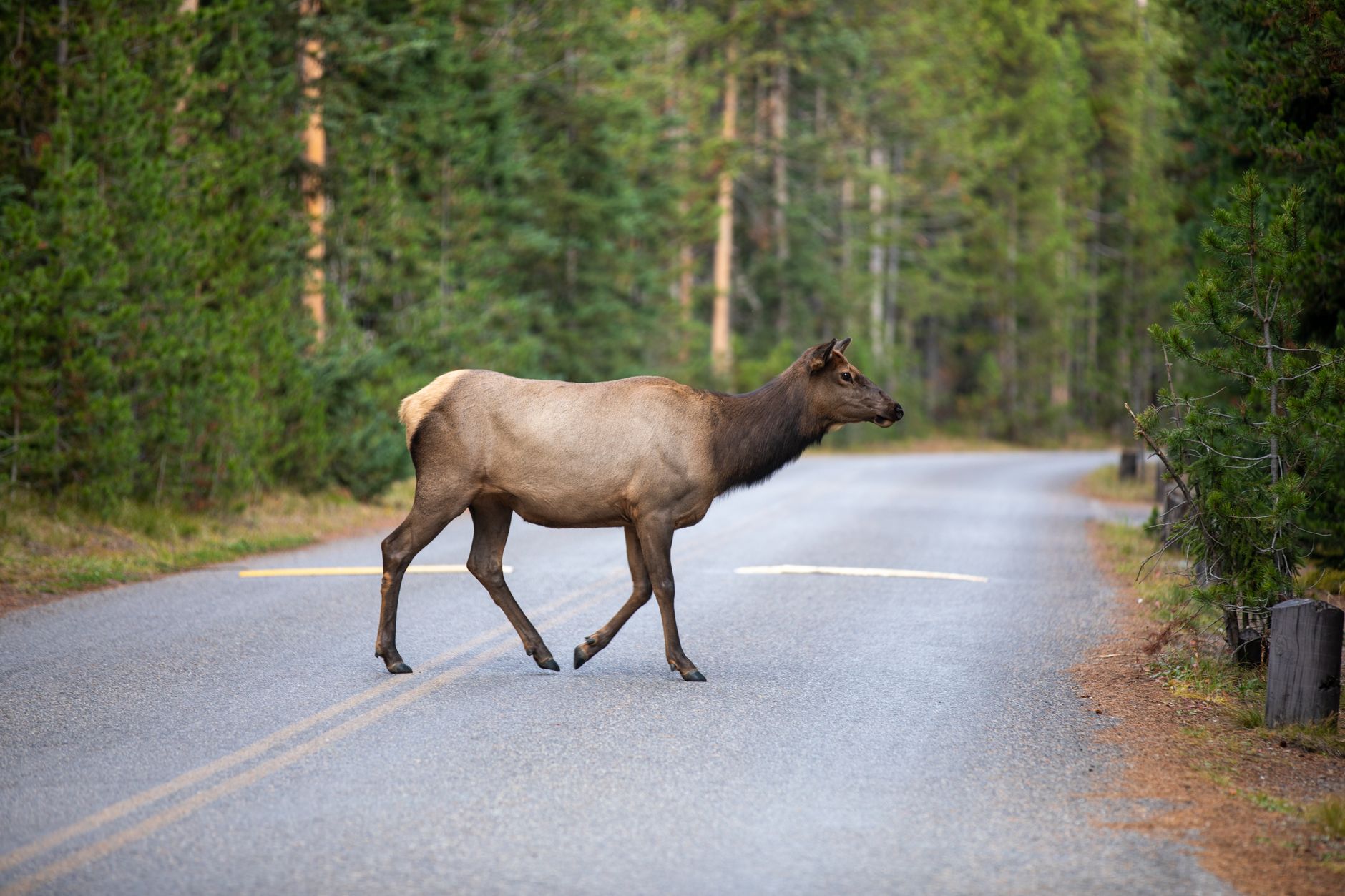
The Whispers of the Wild: My First Encounter with a Living Highway
I stepped off the small, rattling bus, the air thick with the scent of damp earth and something wild – a primal, earthy aroma that instantly jolted me awake. It was dawn in the cloud forest, and the only sounds were the drip-drip-drip of dew from giant fern fronds and the distant, almost melodic call of a hidden bird. I was in Monteverde, Costa Rica, standing at the edge of what felt like a secret pathway, a living highway connecting disparate patches of forest. This wasn't just a pretty hike; it was a journey into the heart of a vital artery for countless creatures, a wildlife corridor that whispered tales of resilience and the urgent need for our stewardship. It was here, amidst the emerald embrace of the jungle, that I truly understood the profound impact of these natural connectors and how we, as travelers, can become their champions.
What Exactly ARE Wildlife Corridors, and Why Should You Care?
Forget the concrete jungles we're used to. Wildlife corridors are the unsung heroes of biodiversity, natural or man-made pathways that allow animals to move safely between fragmented habitats. Think of them as nature's highways, essential for migration, finding food, mates, and escaping threats. Without them, isolated populations become vulnerable, genetic diversity plummets, and entire ecosystems can unravel.
As a travel journalist who’s spent years chasing horizons, I’ve seen firsthand the devastating impact of habitat loss. But I’ve also witnessed the incredible power of conservation efforts, often spearheaded by passionate individuals and local communities. And that’s where travel advisors who champion ethical tourism come in. They’re not just booking flights; they’re curating experiences that connect you with the planet in a meaningful way, and increasingly, that means highlighting destinations where you can directly support the maintenance of these crucial corridors.
The Insider Scoop: 5 Wildlife Corridors Travel Advisors are Buzzing About
These aren't your typical tourist traps. These are places where your travel dollars directly contribute to the preservation of vital ecosystems. My trusted network of travel advisors has shared some of their top picks, destinations that offer unparalleled wildlife encounters while actively contributing to conservation.
1. The Great Wildebeest Migration, Kenya & Tanzania: A Symphony of Survival
This is the grand dame of wildlife spectacles. Millions of wildebeest, zebras, and gazelles thunder across the Serengeti and Maasai Mara plains in a relentless pursuit of greener pastures. But this isn't just about the drama; it's a vital migration that dictates the health of the entire ecosystem.
- Why it matters: The corridors here are vast, encompassing national parks and conservancies. Maintaining these routes ensures the migration continues, supporting predators, scavengers, and the delicate balance of the savanna.
- Travel Advisor Pro-Tip: "For an unforgettable, ethical experience, bypass the large, crowded camps. Opt for a mobile tented camp that moves with the migration, minimizing your footprint. Also, book your safari during the shoulder seasons (April-May or November-December) for fewer crowds and incredible photographic opportunities." – Anya Sharma, Eco-Adventures Global.
- Insider Language: You're not just "seeing animals"; you're witnessing the "pulse of the plains", a visceral reminder of nature's raw power. The air thrums with the "dusty breath of hooves".
2. The Cloud Forest Canopies, Costa Rica: A Verdant Network of Life
Monteverde, where I began my journey, is a prime example. These cloud forests are a marvel of biodiversity, and the Monteverde Cloud Forest Biological Preserve and surrounding private reserves act as critical nodes in a network of smaller forest patches.
- Why it matters: The humid, misty environment is home to an astonishing array of species, including the resplendent quetzal, monkeys, and countless amphibians. Corridors here are crucial for connecting these fragmented habitats, allowing species to move between them to find food and mates.
- Travel Advisor Pro-Tip: "Many lodges in the Monteverde region actively participate in reforestation projects and support local conservation initiatives. Look for accommodations with a 'CST' (Certification for Sustainable Tourism) rating. Also, consider a guided night walk – the forest truly comes alive after dark!" – Carlos Rodriguez, Pura Vida Travel.
- Insider Language: You'll hear the "chatter of howler monkeys" and the "whistle of the quetzal". The air is perfumed with the "sweet decay of fallen leaves" and the "tang of volcanic soil".
3. The Boreal Forest Bridges, Canada: Protecting the Realm of the Caribou
Vast, wild, and often overlooked, Canada's boreal forests are home to iconic species like the woodland caribou. As development encroaches, these ancient forests become fragmented, threatening the survival of these magnificent animals.
- Why it matters: Caribou rely on large, contiguous tracts of forest for calving grounds and migration routes. Corridors here often involve maintaining intact forest landscapes and ensuring safe passage across human-dominated areas.
- Travel Advisor Pro-Tip: "For a truly immersive experience, consider a trip to Northern Alberta or British Columbia. Many tour operators work with Indigenous communities who are at the forefront of boreal conservation. Inquire about opportunities to visit community-led conservation projects." – Sarah Jenkins, Wilderness Wanderings.
- Insider Language: You're not just seeing trees; you're entering the "great green lung of the continent". The silence is profound, broken only by the "snap of a twig underfoot" or the "distant call of a loon".
4. The Coastal Mangroves, Southeast Asia: Guardians of the Sea and Land
From Thailand to Indonesia, the intricate network of mangrove forests along the coastlines are vital nurseries for marine life and crucial buffers against coastal erosion. They also serve as important corridors for terrestrial animals venturing to the sea.
- Why it matters: These unique ecosystems are under immense pressure from development. Protecting and restoring mangrove corridors allows fish populations to thrive, supports coastal communities, and provides safe passage for species like monitor lizards and even some primates.
- Travel Advisor Pro-Tip: "Seek out eco-lodges that are actively involved in mangrove reforestation. Many offer opportunities for guests to participate in planting sessions. Consider visiting during the dry season (November to April) for clearer waters and excellent snorkeling opportunities." – Mei Ling Tan, Asia's Emerald Paths.
- Insider Language: The air is "salty and humid", carrying the "scent of brine and decay". You'll hear the "scuttling of crabs" and the "gentle lapping of waves" against the "gnarled roots".
5. The Andean Connectivity, Ecuador & Peru: Linking High-Altitude Havens
The Andes are a biodiversity hotspot, and the fragmented patches of cloud forest and paramo are connected by crucial, often high-altitude, wildlife corridors. These pathways are essential for species like spectacled bears and Andean condors.
- Why it matters: These corridors allow animals to move between different altitudinal zones, seeking food and escaping harsh weather. Conservation efforts here often focus on protecting these natural pathways from agricultural expansion and infrastructure development.
- Travel Advisor Pro-Tip: "Many lodges in the Ecuadorian and Peruvian Andes partner with local conservation NGOs. Ask your advisor about 'conservation fee' programs that directly fund the protection of these corridors. Visiting during the shoulder seasons (March-May and September-November) often offers the best weather for trekking." – Javier Morales, Andean Trails.
- Insider Language: The air is "thin and crisp", carrying the "scent of wild herbs". You might hear the "majestic cry of a condor" or the "gentle bleating of llamas" grazing on the "windswept paramo".
The Power of Your Travel Choices: How to Be a Corridor Champion
It's not enough to just visit these incredible places. As conscious travelers, we have a responsibility to ensure our presence contributes positively. Here’s how your travel advisor can help you make a difference:
- Choose Ethical Operators: Your travel advisor can steer you towards tour operators and lodges that have proven track records in conservation, employ local staff, and actively support wildlife corridor initiatives.
- Support Community-Based Tourism: Many of the most effective conservation efforts are driven by local communities. Opting for community-run lodges or tours ensures that your money directly benefits those who are the frontline guardians of these natural spaces.
- Participate in Citizen Science: Some destinations offer opportunities for travelers to contribute to scientific research, such as tracking animal movements or monitoring habitat health. Ask your advisor if these programs are available.
- Respect Wildlife: This is paramount. Maintain a safe distance, never feed animals, and always follow the guidance of your guides. Your goal is to observe, not to interfere.
- Offset Your Carbon Footprint: Travel inevitably has an environmental impact. Consider offsetting your flight emissions through reputable organizations. Your advisor can recommend options.
The Budget & Logistics: Making Your Conservation Journey a Reality
Planning a trip that supports wildlife corridors doesn't have to break the bank, but it does require thoughtful consideration. Here's a general overview:
| Aspect | Estimated Cost ($) | Best Time to Visit | How to Get There | Notes | | :------------------ | :----------------- | :----------------------------------------------- | :---------------------------------------------------------------------------------- | :------------------------------------------------------------------------------------------------------------------------------------------------------------------------ | | Costa Rica | $$ - $$$ | December - April (Dry Season) | Fly into San Jose (SJO) or Liberia (LIR), then bus or private transfer. | Many eco-lodges offer packages that include guided tours and conservation contributions. | | Kenya/Tanzania | $$$ - $$$$ | June - October (Dry Season, Great Migration) | Fly into Nairobi (NBO) or Kilimanjaro (JRO), then internal flights or overland safaris. | Opt for smaller, eco-conscious safari operators. Conservancy fees often contribute directly to wildlife protection. | | Canada (Boreal) | $$ - $$$ | June - September (Summer) | Fly into major hubs like Edmonton (YEG) or Calgary (YYC), then regional flights or car. | Focus on areas with strong Indigenous tourism initiatives. Research organizations like Nature Conservancy Canada for partner lodges. | | Southeast Asia | $ - $$ | November - April (Dry Season, varies by region) | Major international airports (e.g., Bangkok BKK, Denpasar DPS), then local transport. | Look for lodges that actively engage in mangrove restoration. Support local initiatives for sustainable fishing and coastal protection. | | Ecuador/Peru | $$ - $$$ | March - May & September - November (Shoulder) | Fly into Quito (UIO) or Lima (LIM), then domestic flights or overland travel. | Many lodges offer optional conservation contributions or "conservation fee" programs. Trekking and birdwatching tours are excellent ways to explore. |
Quick Financial Breakdown:
- $: Budget-friendly (hostels, local transport, self-catering where possible)
- $$: Mid-range (comfortable guesthouses, guided day trips, some private transfers)
- $$$: Higher-end (boutique eco-lodges, private guided safaris, more exclusive experiences)
- $$$$: Luxury (high-end lodges, private charters, all-inclusive premium experiences)
Travel Advisor Pro-Tip: "Don't be afraid to discuss your budget openly with your travel advisor. They can find incredible value and ensure your trip aligns with your financial comfort zone while maximizing your conservation impact." – David Chen, Global Impact Travel.
The Future is Connected: Why Your Role Matters
Stepping onto a train and feeling that first whisper of the wild is an experience that stays with you. It’s a reminder that our planet is a complex, interconnected web of life, and these wildlife corridors are the vital threads holding it all together. By choosing to travel with intention, by partnering with travel advisors who understand the importance of these natural highways, and by making conscious choices on the ground, you become more than just a tourist. You become a guardian. You become a part of the solution.
The next time you dream of adventure, consider a journey that not only enriches your soul but also actively contributes to the survival of the wild. Let your travel advisor guide you to a destination where your footprints leave a lasting, positive mark on the living pathways of our planet.
---