The Whispers of the Wild: My March Awakening
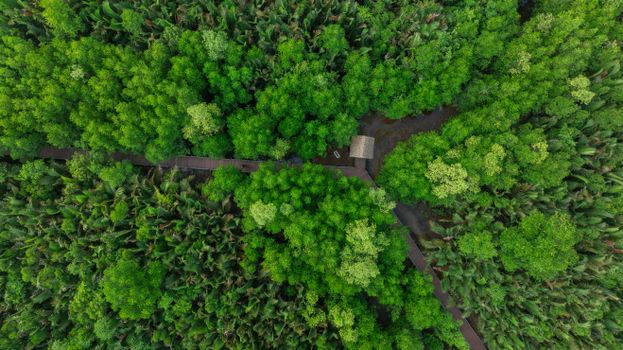
I stepped off the dusty bus, the crisp March air carrying the faint, earthy scent of damp soil and something wild and untamed. It was early morning, the sun just beginning to paint the sky in hues of rose and apricot, and the only sounds were the distant chirping of unseen birds and the rustle of leaves in a gentle breeze. This wasn't just another scenic overlook; this was the edge of a wildlife corridor, a vital artery connecting fragmented ecosystems, a place where nature breathes and migratory paths unfold. I felt a profound sense of connection, a quiet understanding that my presence here, at this very moment, could be more than just observation – it could be participation.
Understanding the Crucial Role of Wildlife Corridors
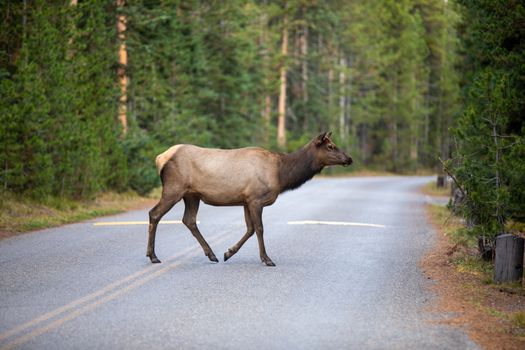
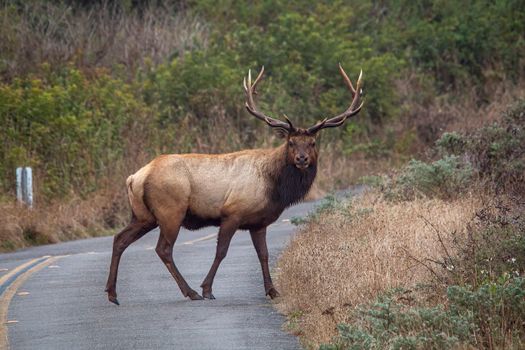
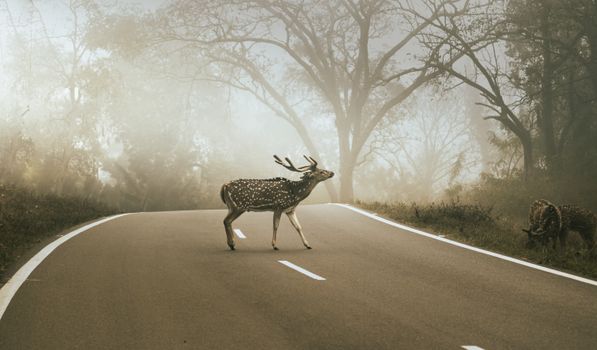
In our increasingly human-dominated world, natural habitats are shrinking, often dissected by roads, farms, and sprawling cities. This fragmentation isolates animal populations, making it harder for them to find food, mates, and safe havens. Wildlife corridors are essentially ecological highways, natural or semi-natural strips of land that connect these isolated patches of habitat. They allow animals to move freely, maintain genetic diversity, and adapt to environmental changes. Think of them as the vital circulatory system of our planet's biodiversity.
For travelers in March 2026, understanding and supporting these corridors offers a unique opportunity to engage with conservation on a deeply personal level. It's about moving beyond simply observing wildlife from a distance to actively contributing to their survival.
How Your March 2026 Travels Can Make a Real Difference
The beauty of supporting wildlife corridors lies in the diverse ways you can contribute. It's not just about donating money (though that's crucial too!). It's about making conscious travel choices, engaging with local initiatives, and becoming a temporary steward of these vital landscapes.
1. Choosing Eco-Lodges and Stays on Corridor Lands
Many lodges and guesthouses are strategically located within or adjacent to known wildlife corridors. These establishments often have a vested interest in maintaining the integrity of the surrounding environment.
- Pro-Tip: Look for lodges that explicitly mention their commitment to conservation, employ local staff, and source their food and materials sustainably. Many will have information on their website about their involvement in local corridor projects.
- Insider Lingo: Seek out "conservation-focused retreats" or "regenerative stays." These are places where your accommodation fee directly supports the land's ecological health.
2. Participating in Citizen Science Projects
Citizen science allows you to contribute valuable data to ongoing research and conservation efforts. In March 2026, there will be numerous opportunities to get involved.
- Examples:
- Bird Surveys: Help monitor bird populations that utilize corridors for migration.
- Camera Trap Monitoring: Assist in checking and maintaining camera traps that record wildlife movement.
- Invasive Species Removal: Participate in efforts to remove non-native plants that threaten native flora within corridors.
- Trail Camera Data Analysis: Even remotely, you can help analyze images from camera traps to identify species and their movements.
- Pro-Tip: Many organizations offer online training for their citizen science projects. You can often participate in data analysis from your own home before or after your trip.
- Authenticity: Imagine the thrill of identifying a rare species on a camera trap you helped set up! It's a tangible contribution that fuels scientific understanding.
3. Supporting Local Conservation Organizations on the Ground
Directly supporting organizations working on the front lines of corridor maintenance is incredibly impactful. Your involvement can range from volunteering your time to making a financial contribution.
- Examples:
- Habitat Restoration: Help plant native trees, restore degraded habitats, or clear invasive species.
- Wildlife Monitoring: Accompany researchers on field surveys to track animal populations.
- Community Outreach: Assist in educational programs that engage local communities in conservation efforts.
- Pro-Tip: Reach out to organizations in areas you plan to visit well in advance of March 2026. Many require pre-registration for volunteer opportunities.
- Budget Insight: Volunteer programs often have a fee to cover accommodation and meals, but this is usually significantly less than standard tourist expenses and goes directly to the project.
4. Engaging in Responsible Wildlife Viewing
When you do encounter wildlife, your behavior matters. Responsible viewing ensures you don't disturb animals or damage their habitat.
- Pro-Tip: Always maintain a safe distance, never feed wild animals, and stick to designated trails. If an animal appears stressed by your presence, retreat slowly.
- Insider Lingo: Think "low-impact observation" rather than "close-up selfie." Your respect for their space is paramount.
5. Advocating for Corridor Protection
Your voice is a powerful tool. By sharing your experiences and raising awareness, you can inspire others and encourage greater support for wildlife corridors.
- Pro-Tip: Use your social media platforms to share stories and photos of your involvement. Tag conservation organizations and use relevant hashtags to amplify your message.
- Authenticity: Share the feeling of seeing a herd move through a protected passage, or the satisfaction of planting a seedling that will one day be part of a vital habitat.
Spotlight: March 2026 Conservation Hotspots
While wildlife corridors exist globally, here are a few regions where your March 2026 travels can have a significant impact:
The Great Plains of North America: Bison and Pronghorn Pathways
The vast expanses of the American and Canadian prairies are home to vital corridors for iconic species like bison and pronghorn. These animals undertake long migrations, and maintaining these pathways is crucial for their survival.
- What You Can Do:
- Support ranches and lodges that practice regenerative agriculture and prioritize corridor health.
- Volunteer with organizations focused on grassland restoration and prairie dog habitat preservation.
- Participate in pronghorn migration monitoring projects if available.
- Pro-Tip: March in the Great Plains can still be chilly. Pack layers and be prepared for variable weather. The landscapes are often starkly beautiful in early spring.
- Authenticity: The scent of sagebrush after a light rain, the vast, unbroken horizon, and the distant thunder of hooves – these are the sensory experiences that define this region.
The Atlantic Forest of Brazil: Jaguar and Golden Lion Tamarin Havens
This incredibly biodiverse region is highly fragmented, making its wildlife corridors essential for species like the jaguar and the endangered golden lion tamarin.
- What You Can Do:
- Stay at eco-lodges that actively support jaguar corridor initiatives or tamarin reintroduction programs.
- Join guided walks focused on identifying and understanding the flora and fauna within these corridors.
- Contribute to reforestation projects that are actively rebuilding these vital links.
- Pro-Tip: The humidity can begin to rise in March. Lightweight, breathable clothing is key. Look for opportunities to learn about medicinal plants from local guides.
- Authenticity: The vibrant calls of toucans, the humid, verdant embrace of the rainforest, and the fleeting glimpse of a monkey swinging through the canopy – this is the magic of the Atlantic Forest.
The Maasai Mara Ecosystem, Kenya: Elephant and Wildebeest Superhighways
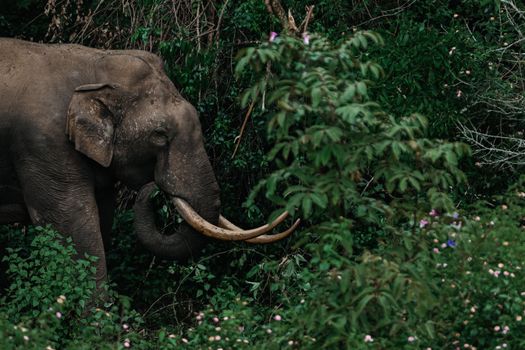
The Maasai Mara is world-renowned for its wildlife, but the corridors connecting it to surrounding conservancies and dispersal areas are critical for the long-term health of its populations, especially during the dry season.
- What You Can Do:
- Choose to stay in conservancies that directly contribute to land leases and community benefits, thus supporting corridor maintenance.
- Participate in guided walks with Maasai rangers who have intimate knowledge of animal movements and corridor usage.
- Support anti-poaching units that patrol these vital routes.
- Pro-Tip: March often marks the tail end of the rainy season, meaning lush landscapes and good wildlife viewing. Early mornings and late afternoons are prime times for sightings.
- Authenticity: The smell of woodsmoke from a Maasai village, the deep rumble of a lion's roar at dusk, and the sheer scale of the Great Migration (even if not in full swing, the animals are present) are unforgettable.
Quick Facts: Planning Your March 2026 Conservation Trip
| Feature | Estimated Cost ($) | Best Time to Visit (March 2026 Focus) | How to Get There | | :------------------ | :----------------- | :------------------------------------ | :-------------------------------------------------------------------------------------------------------------- | | Eco-Lodge Stay | $150 - $500+ / night | Early March for milder weather | Varies by location; often requires flight to major city, then smaller plane or overland transfer. | | Volunteer Program| $50 - $200+ / day | Mid-March for stable weather | Varies; often requires travel to a specific town or research station, with organized transport provided. | | Citizen Science | $0 - $100 (for gear) | Any time during your visit | Can often be done remotely or integrated into your existing travel plans. | | Guided Eco-Tours| $75 - $300+ / day | Throughout March | Varies; often booked through local tour operators or your accommodation. |
Note: Costs are estimates and can vary significantly based on the specific project, location, and duration. Always check with organizations directly for the most accurate pricing and requirements.
The Ripple Effect: Your Legacy in March 2026
Choosing to support wildlife corridors in March 2026 isn't just a vacation; it's an investment in the planet's future. It's about experiencing the world in a way that is both enriching for you and beneficial for the incredible creatures that call these corridors home. When you return, you won't just have photos and memories; you'll have the quiet satisfaction of knowing you played a part in keeping the wild alive.
---