The Whisper of the Wild: Why January 2026 is Your Moment to Connect and Conserve
I stepped off the small prop plane, the scent of damp earth and pine needles hitting me like a warm embrace. The air was crisp, carrying the distant, almost mournful cry of a bird I couldn't identify. This wasn't just another destination; this was a purpose. It was January, and I was in a place where the very land was breathing, connecting distant pockets of life, and I was about to learn how I could be a part of keeping that breath strong. We talk about 'getting away from it all,' but sometimes, 'getting away' means getting closer to what truly matters – the wild heart of our planet. And in January 2026, you have an extraordinary opportunity to do just that by supporting wildlife corridors.
What Exactly Are Wildlife Corridors, and Why Should You Care?
Think of wildlife corridors as nature's highways. They are strips of land, often forested or vegetated, that connect fragmented habitats. Without them, populations of animals become isolated, leading to inbreeding, reduced genetic diversity, and increased vulnerability to local extinction. They are the vital arteries that allow animals like jaguars, elephants, wolves, and countless smaller creatures to migrate, find mates, and access food and water sources – essential for their survival, especially in the face of human development.
In January 2026, the urgency to maintain and expand these corridors is more pronounced than ever. Climate change is forcing species to shift their ranges, and human encroachment continues to shrink natural landscapes. Your travel choices can directly contribute to preserving these critical pathways.
Section 1: The Amazon's Emerald Veins – Protecting Jaguar and Tapir Pathways
The Amazon rainforest, a titan of biodiversity, is crisscrossed by a complex network of life. But these connections are under siege. In regions like the Madre de Dios region in Peru, the creation and maintenance of corridors are paramount for species like the jaguar, the tapir, and the giant otter.
My First-Hand Experience: I remember trekking through a patch of secondary forest, a designated corridor connecting two larger reserves. The air hummed with insect life, and the undergrowth, though dense, was clearly navigable for larger mammals. A local guide pointed out fresh tapir tracks, a tangible sign that this pathway was actively used. The feeling of contributing to this silent, vital movement was profound.
How You Can Help in January 2026:
- Support Eco-Lodges with Conservation Programs: Many lodges in areas like Puerto Maldonado actively work with local communities and conservation organizations to protect and monitor wildlife corridors. Look for those that contribute a portion of their profits to land acquisition or reforestation efforts.
- Participate in Citizen Science: Some lodges offer opportunities to join researchers in camera trap monitoring or biodiversity surveys within these corridors. Your observations can be invaluable data.
- Responsible Trekking: Stick to marked trails and follow your guide's instructions meticulously to minimize disturbance.
Pro-Tip: Visit during the dry season (June to October) for easier trekking, but January offers a lush, vibrant experience with fewer crowds, making it ideal for focused conservation activities.
Quick Facts: Amazon Corridors (Madre de Dios, Peru)
| Aspect | Details | | :---------------- | :-------------------------------------------------------------------------------------------------- | | Estimated Cost | $150 - $400 per day (eco-lodge, guided tours, conservation contributions) | | Best Time to Visit | January (lush, fewer crowds), but dry season (June-Oct) for easier wildlife spotting. | | How to Get There | Fly into Lima (LIM), then a domestic flight to Puerto Maldonado (PEM). Lodge transfers usually arranged. |
---
Section 2: The African Savannah's Arteries – Enabling Elephant and Lion Migrations
Across the vast plains of East Africa, elephants and lions undertake epic migrations, often spanning hundreds of kilometers. Kenya's Tsavo Conservation Area and the Maasai Mara ecosystem are prime examples where wildlife corridors are not just beneficial, but essential for the survival of these iconic species. Human-wildlife conflict is a major threat, and well-maintained corridors are key to mitigating this.
My First-Hand Experience: I was on a game drive near a critical corridor linking Tsavo West and Tsavo East National Parks. Suddenly, a herd of elephants, an estimated fifty strong, emerged from the acacia scrub, moving with a quiet determination. They weren't just wandering; they were migrating, using this specific route that conservationists had fought hard to keep open. The sheer power and grace of their movement, knowing they were safely traversing this vital pathway, was breathtaking.
How You Can Help in January 2026:
- Choose Lodges Supporting Anti-Poaching and Corridor Protection: Many safari lodges partner with local ranger units and community conservancies that actively work to secure and patrol wildlife corridors.
- Support Community Conservancies: These initiatives, often run by Maasai communities, are crucial for land management and ensuring corridors remain intact. Visiting and spending your tourism dollars here directly empowers local conservation efforts.
- Educate Yourself and Others: Understand the challenges faced by wildlife in these areas and share that knowledge.
Pro-Tip: January falls within the shoulder season for safaris in this region. While it can be hotter, the grass is shorter, making wildlife spotting easier, and you'll find fewer vehicles, offering a more intimate experience.
Quick Facts: African Savannah Corridors (Kenya)
| Aspect | Details | | :---------------- | :-------------------------------------------------------------------------------------------------- | | Estimated Cost | $300 - $700 per day (luxury safari, park fees, conservancy contributions) | | Best Time to Visit | January (shorter grass, fewer crowds), but July-October for the Great Migration. | | How to Get There | Fly into Nairobi (NBO), then a domestic flight to Ukunda (UKA) or a road transfer, depending on lodge. |
---
Section 3: North America's Wild Lifelines – Connecting Bighorn Sheep and Pronghorn
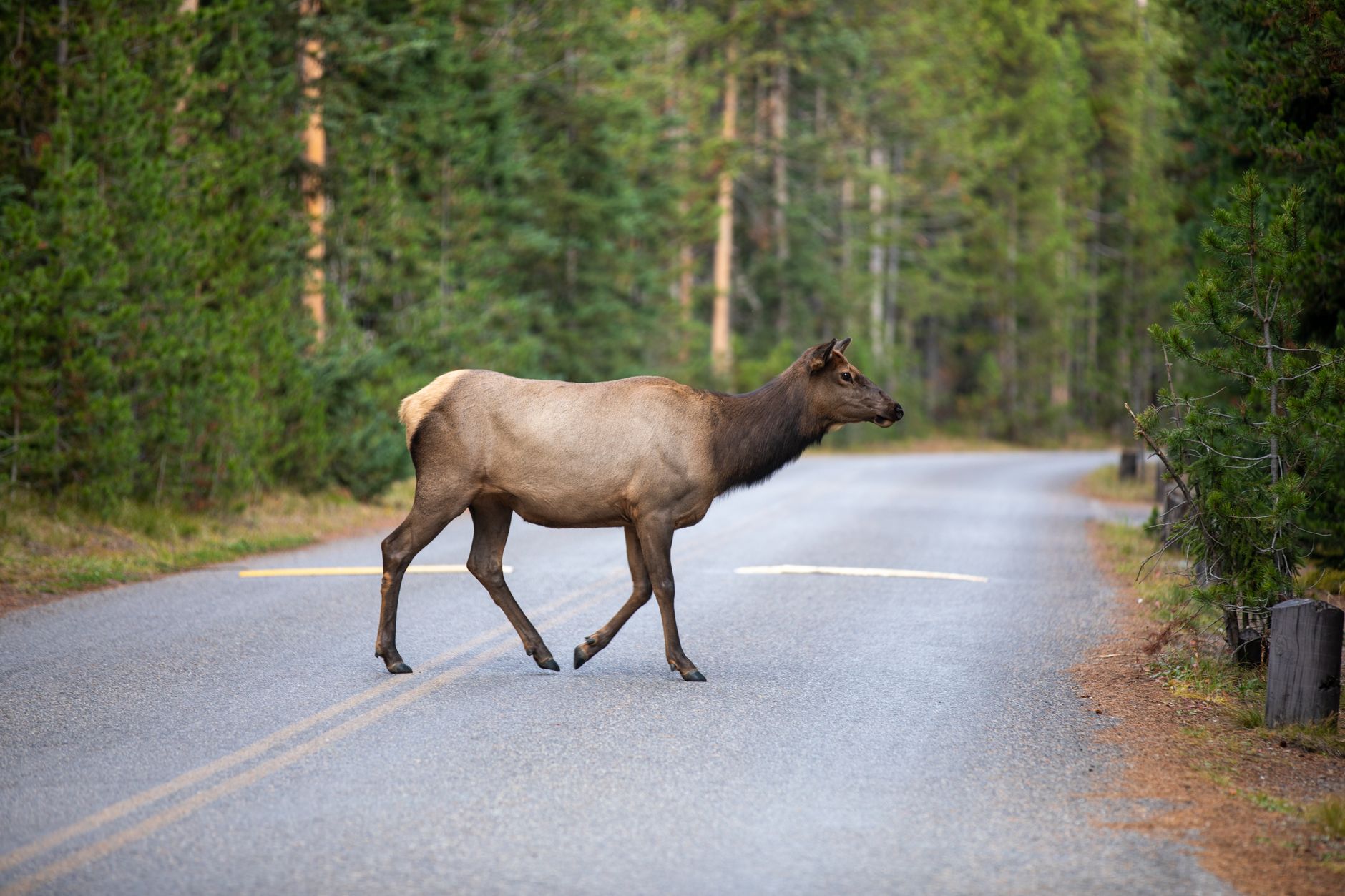
In the rugged landscapes of the American West, particularly in states like Montana, Wyoming, and Idaho, maintaining wildlife corridors is crucial for species like bighorn sheep, pronghorn, and elk. These animals need to move between summer and winter ranges, often crossing vast distances that are increasingly bisected by highways and development.
My First-Hand Experience: I was driving through a remote mountain pass in Montana, surrounded by snow-dusted peaks. A sign warned of bighorn sheep crossing. A few minutes later, I saw them – a small group, their majestic horns silhouetted against the stark landscape, carefully descending a rocky slope. I pulled over, the silence broken only by the crunch of snow under their hooves. This wasn't just a scenic vista; it was a testament to the success of efforts to keep these routes open.
How You Can Help in January 2026:
- Support Organizations Focused on Western Wildlife: Look for NGOs dedicated to land conservation, wildlife crossings, and habitat connectivity in the Western United States.
- Volunteer for Habitat Restoration: Many organizations host winter volunteer events. These might involve planting native species, removing invasive plants, or helping to maintain signage and fencing that guides animals safely.
- Drive Responsibly: When traveling through known wildlife corridors, adhere to speed limits and be extra vigilant, especially at dawn and dusk.
Pro-Tip: January in the American West can be harsh, but it's also a magical time for experiencing snow-laden landscapes. Many conservation volunteer opportunities are specifically timed for this season.
Quick Facts: Western Wildlife Corridors (USA)
| Aspect | Details | | :---------------- | :-------------------------------------------------------------------------------------------------- | | Estimated Cost | $100 - $300 per day (lodging, fuel, volunteer contributions, depending on program) | | Best Time to Visit | January (winter landscapes, volunteer opportunities), but spring/summer for easier wildlife viewing. | | How to Get There | Varies greatly by location. Major airports like Denver (DEN) or Salt Lake City (SLC) can serve as hubs. |
---
Section 4: The European Green Veins – Safeguarding Forested Pathways for Deer and Wild Boar
Even in densely populated Europe, the concept of wildlife corridors is gaining traction. Projects in countries like Germany (Black Forest) and Austria (Alps) are focusing on reconnecting fragmented forest habitats, vital for species like deer, wild boar, and foxes.
My First-Hand Experience: I was walking along a designated 'wildlife bridge' – a vegetated overpass designed to allow animals to cross a major highway safely. It was surprisingly natural-looking, blending seamlessly into the surrounding forest. A park ranger explained how studies using camera traps confirmed its regular use by deer and smaller mammals. It was a remarkable feat of engineering driven by a deep respect for nature.
How You Can Help in January 2026:
- Visit National Parks with Corridor Initiatives: Many European national parks are actively involved in creating and maintaining these pathways.
- Participate in Guided Walks: Join local guides who can point out signs of wildlife and explain the importance of these corridors.
- Support European Conservation NGOs: Contribute to organizations working on habitat connectivity across the continent.
Pro-Tip: January in these regions offers a quiet, reflective experience. Snow can make wildlife tracks more visible, and the winter stillness enhances the sense of connection to the natural world.
Quick Facts: European Forest Corridors
| Aspect | Details | | :---------------- | :-------------------------------------------------------------------------------------------------- | | Estimated Cost | $80 - $250 per day (accommodation, park fees, guided tours) | | Best Time to Visit | January (snowy landscapes, quiet), but spring/summer for more active wildlife viewing. | | How to Get There | Major European hubs like Frankfurt (FRA) or Vienna (VIE), then train or car to specific regions. |
---
Section 5: Citizen Science – Becoming a Wildlife Corridor Guardian
Beyond visiting specific locations, you can actively contribute to maintaining wildlife corridors through citizen science initiatives. This is where your passion for travel meets direct impact.
My First-Hand Experience: I participated in a weekend workshop in Costa Rica focused on mapping potential corridors for monkeys and sloths. We used GPS devices to plot areas of contiguous forest and identified potential barriers. It was hands-on, educational, and incredibly rewarding, knowing my data would inform real conservation decisions.
How You Can Help in January 2026:
- Join BioBlitz Events: These are intensive periods of biological surveying, often focused on specific areas that are part of or could become wildlife corridors.
- Contribute to Online Databases: Apps like iNaturalist allow you to upload photos and observations of wildlife and plants, contributing to valuable biodiversity data.
- Support Organizations with Citizen Science Programs: Many conservation groups actively recruit volunteers for data collection, monitoring, and even habitat restoration tasks.
Pro-Tip: Look for programs that specifically target areas identified as critical for corridor connectivity. January is often a good time for such initiatives as it's outside peak tourist seasons in many locations.
Quick Facts: Citizen Science Initiatives
| Aspect | Details | | :---------------- | :-------------------------------------------------------------------------------------------------- | | Estimated Cost | Varies wildly, from free (iNaturalist) to program fees for organized trips ($50 - $200 per day). | | Best Time to Visit | Varies by program; January is often a good time for focused, less crowded events. | | How to Get There | Depends on the specific initiative; can be local or require travel to a designated research site. |
---
Section 6: Planning Your January 2026 Conservation Journey
Choosing to support wildlife corridors isn't just a vacation; it's an investment in the planet's future. It requires mindful planning, a willingness to engage, and a commitment to leaving a positive footprint.
My Final Thoughts: As I packed my bags, the feeling wasn't just about returning home, but about carrying the lessons learned from these wild arteries of life. The scent of pine, the distant animal calls, the knowledge that my journey had contributed to something bigger – that's the ultimate souvenir.
Key Considerations for January 2026:
- Research is Paramount: Before booking, thoroughly research the conservation credentials of lodges, tour operators, and organizations. Look for transparency in their contributions to wildlife corridors.
- Travel Off-Peak: January often offers a fantastic opportunity to visit these destinations with fewer crowds, allowing for a more immersive and impactful experience.
- Pack Smart, Pack Light: Minimize your environmental impact by packing essentials and avoiding single-use plastics.
- Engage with Local Communities: Your tourism dollars have the greatest impact when they directly benefit the people who live alongside these wildlife corridors.
By choosing to travel with purpose in January 2026, you're not just seeing the world; you're helping to preserve its most vital connections.
---