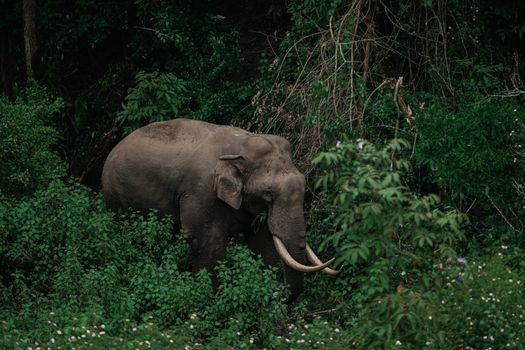
Wildlife corridors are strips of land or water that connect areas of habitat, allowing animals to move between feeding grounds, breeding sites and seasonal ranges. Roads, fences, urban development and agriculture can fragment landscapes and isolate populations, sometimes with serious consequences for species that need wide ranges. Corridors help reduce this isolation, and many are maintained through a mix of public agencies, landowners and conservation groups. Travelers can play a part too, through the routes they choose, the places they stay and the behavior they bring to natural areas. This guide explains what corridors are, why they matter and how to contribute responsibly.
What wildlife corridors are and why they matter
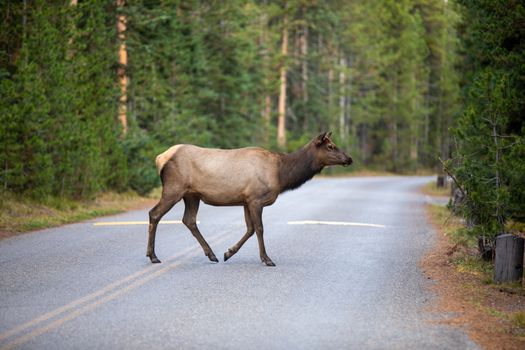
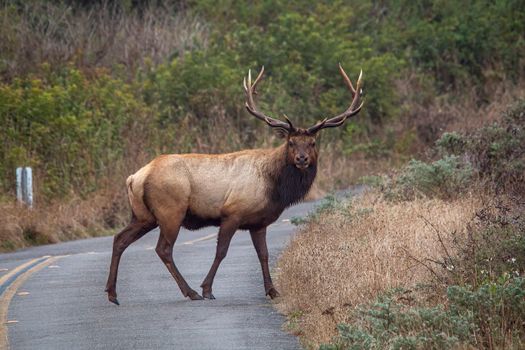
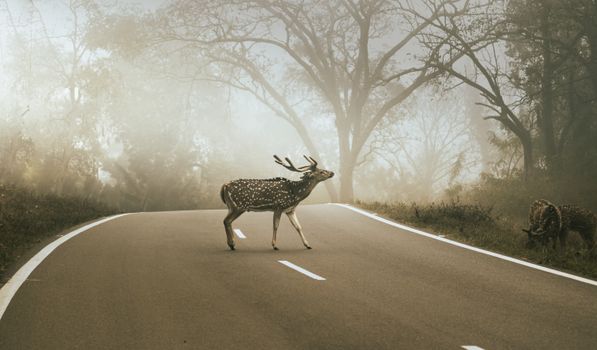
A corridor can be a hedgerow, a forest strip, a riverbank, an underpass beneath a road or a vegetated bridge over a highway. Its purpose is to provide a route through or around barriers that would otherwise block animal movement. Many species depend on corridors for seasonal migration, dispersal of young animals and the exchange of genetic material between populations. Without them, small populations can become isolated, and local extinction risks increase over time.
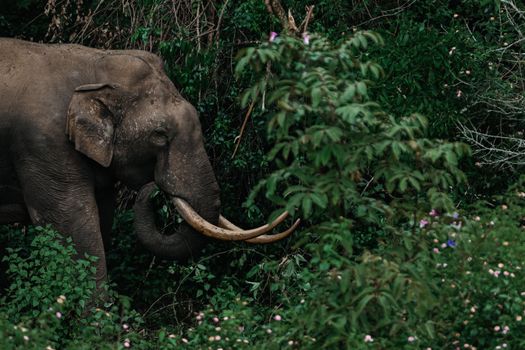
Corridors also benefit other wildlife and plant communities. A well-connected landscape can support pollinators, birds and a wide range of smaller animals that help maintain ecosystem balance.
How landscapes become fragmented
Fragmentation occurs when natural habitat is divided into smaller patches. Major roads and railways create physical barriers and collision risks. Fences can prevent movement, sometimes trapping animals in unsafe areas. Agricultural expansion, urban growth and forestry can remove vegetation that once linked habitats. Climate change may also shift the ranges that species need, making connectivity more important over time. Planning authorities and conservation organizations often study these patterns to decide where corridors are most needed.
Ways travelers can help
Your choices as a traveler affect corridors in several ways. When driving through rural or wildland areas, observe speed limits and wildlife warning signs, particularly at dawn and dusk when many animals move. Avoid stopping on roads to watch wildlife, and use designated pullouts if available. Choose accommodation and tour operators that follow local guidance on lighting, noise and access, since disturbance can deter animals from crossing or using corridors.
Consider supporting local initiatives. Some regions have volunteer programs for monitoring wildlife crossings, maintaining hedgerows or removing invasive plants that can compromise corridor vegetation. These programs typically require training, and they often welcome visitors who can commit to a specific task.
Responsible behavior in corridor areas
Corridors are often narrow, and disturbance can have an outsized effect on the animals using them. Stay on marked trails and do not enter closed areas, even if they appear quiet. Keep dogs under control, as they can chase wildlife or cause stress. Avoid feeding animals, since this can change their behavior and create conflicts with people. Keep noise low, use headlamps with red filters at night where appropriate, and do not use drones unless the area allows it.
Respect fencing and gates, and close them behind you when instructed. Leave no litter, as food waste can attract animals to roads and trails.
Supporting corridor projects
Donations and membership in reputable conservation organizations can fund corridor restoration, land purchase and research. Before giving, check whether the organization publishes reports on its projects and how funds are used. Many corridor initiatives also rely on partnerships with farmers and landowners, so supporting programs that respect local livelihoods can help sustain the work. Some destinations offer visitor information about corridor projects, including maps and guided walks that explain the ecological role of these links.
If you visit an area where corridor work is underway, follow signage and respect any temporary closures. Construction and restoration sites can be sensitive, and visitor access may be restricted for good reasons.
Travel planning with connectivity in mind
You can also consider corridors when planning routes. Scenic routes through connected landscapes can be rewarding, and stopping at visitor centers that explain local conservation can deepen your understanding. Where possible, choose accommodations that use local materials, reduce light pollution and support land stewardship. Avoiding unnecessary trips into sensitive habitat also helps keep corridors functional.
Practical tips
Check local signage and seasonal closures before entering natural areas, and observe speed limits in wildlife zones. Keep your distance from animals and avoid sudden movements. Keep dogs leashed where required. Carry out all waste and do not leave food outdoors. Look for official information about corridor projects and volunteer opportunities. If you see an injured animal or a collision on a road, report it to the local authority or wildlife service rather than approaching the animal yourself.
Wildlife corridors are quiet but essential infrastructure for nature. By driving with care, behaving respectfully in natural areas and supporting reputable projects, travelers can help keep these connections open for the animals that depend on them.