The Hook: A Symphony of Spices and Steam in a Forgotten Alley
I stepped off the rattling train in a town I’d only seen on faded postcards, the air thick with a scent that was both earthy and intoxicating. It wasn't the usual touristy perfume of blooming jasmine or roasting coffee. This was something deeper, more primal – a complex bouquet of fermenting chilies, aged soy, and something subtly sweet, like overripe fruit kissed by the sun. The sounds were equally compelling: the rhythmic thud of pestles against stone mortars, the gentle hiss of steam escaping a communal oven, and the murmur of a language I barely understood, punctuated by bursts of laughter. I was in the heart of a culinary revolution, a movement quietly brewing in places that most travelers overlook. And I was about to dive headfirst into the world of fermentation workshops in surprising countries emerging this year.
Beyond the Usual Suspects: Where the Magic Happens
For years, the world of fermentation workshops conjured images of bustling Korean markets or rustic Italian trattorias. And while those are undeniably fantastic, the real excitement this year lies in the unexpected. We’re talking about ancient techniques being revived with a modern twist, in countries that are just starting to welcome curious food lovers. These aren't just classes; they're immersive experiences that connect you to the soul of a place through its most fundamental flavors.
Section 1: The Fiery Heart of Oaxaca, Mexico – A Salsas and Tepache Odyssey
Mexico. We think of tacos, tequila, and sunshine. But beneath the surface, a vibrant fermentation scene is flourishing, particularly in the Oaxacan highlands. I found myself in a sun-drenched courtyard, the air alive with the sharp tang of fermenting chilies. My host, a woman named Elena whose hands moved with generations of wisdom, was teaching us the art of tepache, a refreshing fermented pineapple drink, and the complex alchemy of crafting authentic Oaxacan salsas.
We weren't just chopping vegetables; we were coaxing flavors from them, understanding how time, temperature, and beneficial microbes could transform simple ingredients into liquid gold. The process of making a salsa macha, with its slow fermentation of dried chilies, garlic, and nuts, was a revelation. The resulting oil was a smoky, spicy elixir that elevated everything it touched.
Pro-Tip: Many of these workshops are held in family homes or small, community-run kitchens. Arrive with an open mind and a willingness to get your hands dirty. The best learning happens when you're actively participating.
Quick Facts: Oaxaca Fermentation Immersion
| Category | Details | | :---------------- | :--------------------------------------------- | | Estimated Cost | $75 - $150 per workshop | | Best Time to Visit | Dry season (November - April) for ideal drying of chilies | | How to Get There | Fly into Oaxaca Xoxocotlán International Airport (OAX), then local taxi or bus to workshops. |
Section 2: The Fermented Soul of Tbilisi, Georgia – A Khachapuri & Qvevri Quest
Georgia. A country where hospitality is a religion and food is an art form. While most visitors flock to Tbilisi for its stunning architecture and thermal baths, the true culinary adventurer seeks out its ancient fermentation traditions. I was invited into a family cellar, cool and echoing, dominated by enormous clay amphorae, known as qvevri, buried in the earth. This is where Georgia’s winemaking, and by extension, its fermentation mastery, has been honed for millennia.
Our workshop focused on the symbiotic relationship between bread and fermented dairy. We learned to cultivate a wild yeast starter for the most glorious khachapuri (cheese-filled bread) and explored the tangy depths of matsoni, a traditional yogurt that forms the base for many Georgian dishes. The intensity of the flavors, born from natural fermentation in clay, was unlike anything I'd tasted. The earthiness of the qvevri-aged wine, paired with the slightly sour, chewy crust of freshly baked khachapuri, was pure bliss.
Insider Lingo: Don’t be surprised if your host uses terms like "sac-a-vash" (cheers) liberally. Embrace the spirit of shared meals and communal fermentation.
Pro-Tip: Look for workshops that include a visit to a local qvevri winery. Understanding how grapes are fermented in these ancient vessels provides a profound context for Georgia's culinary heritage.
Section 3: The Spice Routes of Penang, Malaysia – A Nyonya Fermentation Journey
Penang, Malaysia. A UNESCO World Heritage city renowned for its street food. But venture beyond the hawker stalls, and you'll discover the intricate world of Nyonya cuisine, a unique fusion of Chinese and Malay influences, heavily reliant on fermentation. I found myself in a vibrant Peranakan shophouse, the air perfumed with tamarind, chili, and the unmistakable aroma of slow-cooked goodness.
Our workshop delved into the creation of cincalok, a type of fermented shrimp, and the complex spice pastes that form the backbone of Nyonya dishes. We learned how to ferment chilies and garlic for sambals, and how the subtle sourness of fermented ingredients cuts through the richness of coconut milk and spices. It’s a masterclass in balancing bold flavors, where fermentation isn't just a technique, but an essential flavor enhancer.
Pro-Tip: Ask your instructor about the best local markets to source ingredients for your own fermentation projects back home. They'll often have secret spots where the freshest produce is found.
Quick Facts: Penang Nyonya Fermentation
| Category | Details | | :---------------- | :--------------------------------------------- | | Estimated Cost | $60 - $120 per workshop | | Best Time to Visit | Year-round, but avoid the heaviest rain in November/December for easier exploration. | | How to Get There | Fly into Penang International Airport (PEN), then taxi or Grab to George Town. |
Section 4: The Alpine Roots of Slovenia – A Sauerkraut and Mead Revelation
Slovenia. Often overshadowed by its more famous neighbors, this green heart of Europe boasts a rich tradition of food preservation, particularly in its Alpine regions. I was welcomed into a rustic farmhouse, the scent of woodsmoke and aging cabbage filling the air. Here, the focus was on the humble yet mighty sauerkraut and the golden elixir of mead.
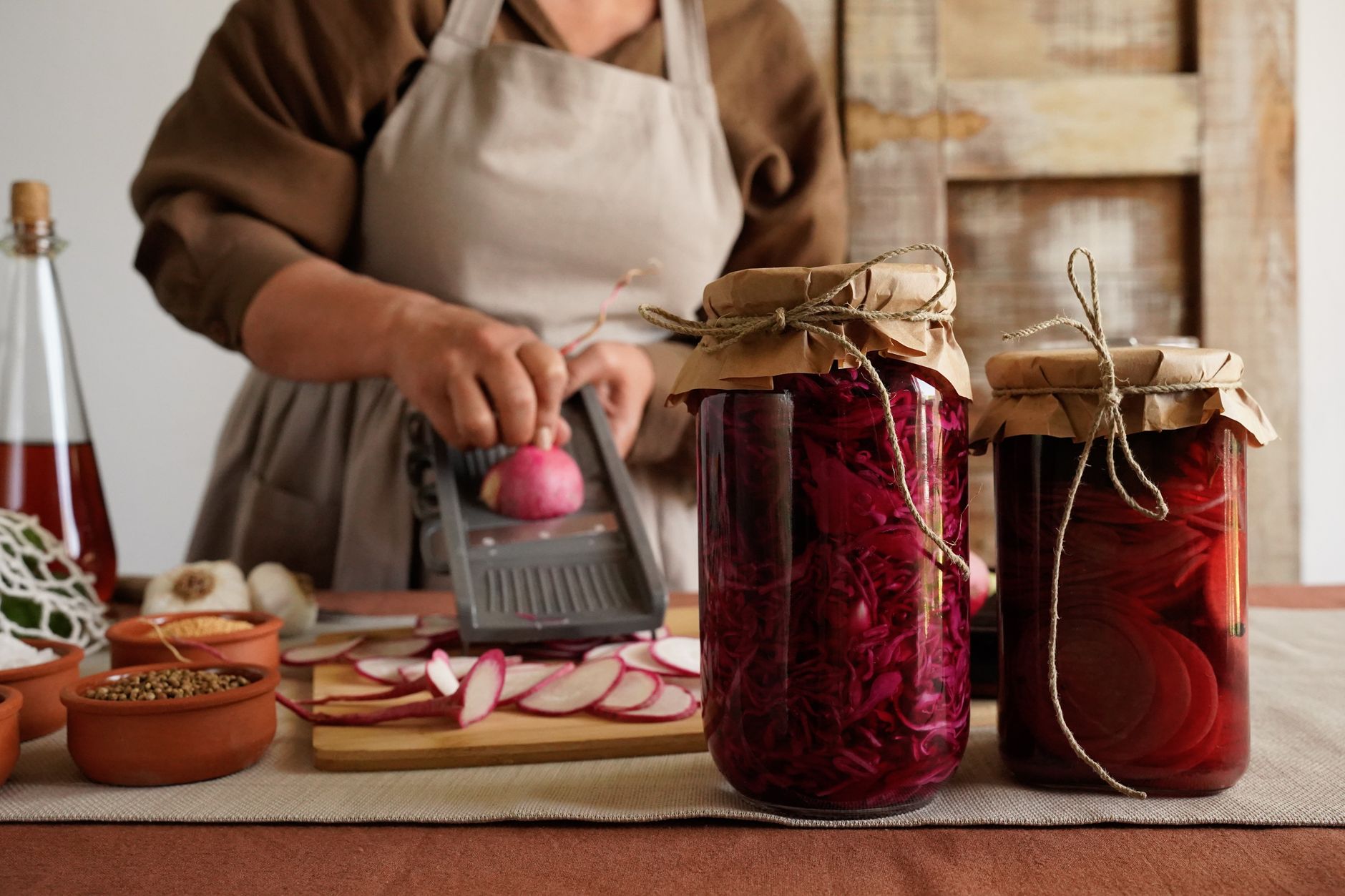
We learned the art of traditional Slovenian sauerkraut, a far cry from the vinegary versions found in many supermarkets. This was about slow, natural fermentation, creating a depth of flavor and a satisfying crunch. We also explored the history and making of mead, understanding how honey's natural yeasts can be coaxed into creating this ancient alcoholic beverage. It was a lesson in harnessing the power of nature for sustenance and enjoyment.
Insider Lingo: You might hear about "kletarstvo," which refers to cellar culture – the art of storing and aging fermented goods.
Pro-Tip: If your workshop involves foraging, wear sturdy shoes and be prepared for uneven terrain. Respect the local environment and only pick what you are permitted to.
Section 5: The Coastal Charms of Vietnam – A Fish Sauce and Pickled Vegetable Deep Dive
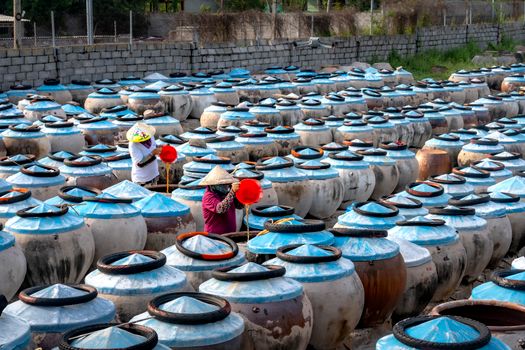
Vietnam. Beyond the pho and banh mi, lies a sophisticated world of fermented condiments that are the lifeblood of its cuisine. I participated in a workshop in a small coastal village, the salty air a constant companion. Our focus was on the foundational elements: nuoc mam (fish sauce) and various pickled vegetables.
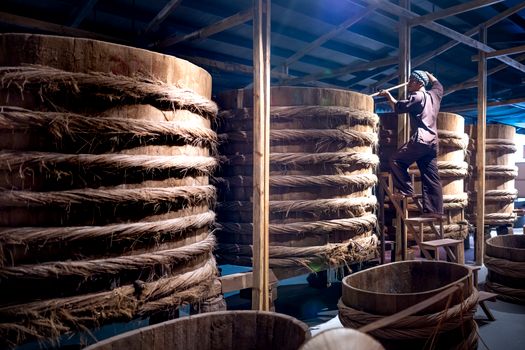
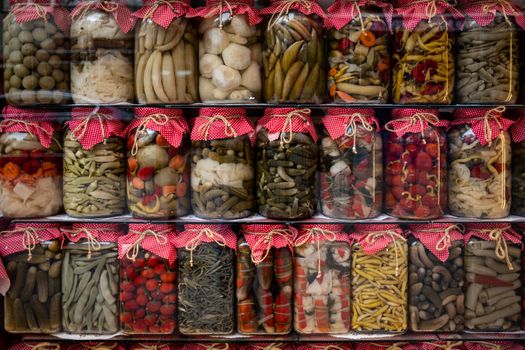
We learned about the meticulous process of fermenting anchovies to create the umami-rich fish sauce, and the quick, tangy ferments of daikon radish and carrots that accompany so many Vietnamese meals. It was an education in patience, precision, and the profound impact of these seemingly simple ferments on the overall flavor profile of Vietnamese dishes. The pungent, complex aroma of a well-aged fish sauce is something that lingers, in the best possible way.
Pro-Tip: Understand that authentic fish sauce production involves a significant fermentation period (months, even years). Workshops will likely demonstrate the process and use pre-fermented ingredients for immediate tasting.
Quick Facts: Vietnamese Fermentation
| Category | Details | | :---------------- | :--------------------------------------------- | | Estimated Cost | $50 - $100 per workshop | | Best Time to Visit | Dry season (December - April) offers pleasant weather for exploring coastal areas. | | How to Get There | Fly into Phu Quoc International Airport (PQC) or Can Tho International Airport (VCA) for coastal/Mekong Delta access, then local transport. |
The Takeaway: More Than Just a Meal, It's a Movement
These workshops are more than just a culinary hobby; they're an invitation to connect with ancient traditions, understand the science of food, and taste the authentic spirit of a destination. In a world increasingly focused on speed and convenience, the slow, deliberate art of fermentation offers a powerful antidote. It’s about embracing patience, respecting ingredients, and understanding the magic that happens when we allow nature to do its work.
So, this year, dare to step off the well-trodden path. Seek out these surprising countries and their burgeoning fermentation scenes. Your taste buds, and your understanding of global culture, will thank you. The world of flavor is vast and ever-evolving, and the most exciting discoveries are often found where you least expect them.