My Global Office Dream: From Cubicle Walls to Coastal Calls
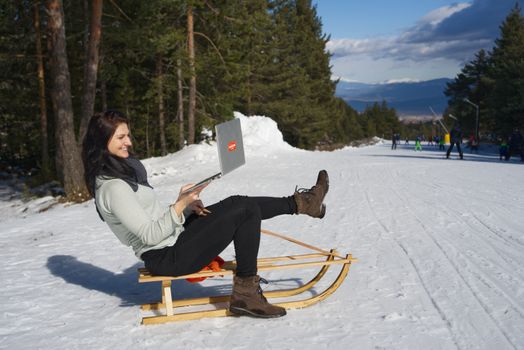
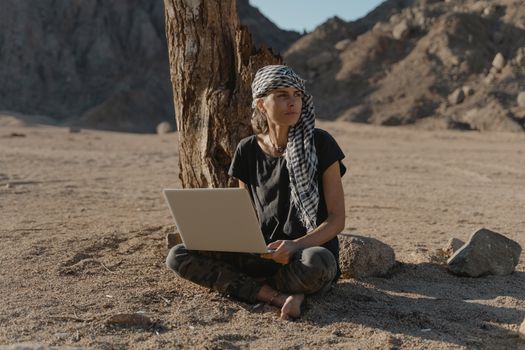
I remember it like yesterday. Staring out my office window, watching the rain drizzle down on another grey Monday, a dull ache started forming in my soul. My LinkedIn feed was full of sun-drenched colleagues posting from Bali, Lisbon, or a quaint Italian village. "How do they do it?" I wondered, scrolling past another envy-inducing shot of a laptop perched on a beachside table. My own reality felt miles away from that vibrant, adventurous life.
Fast forward a few years (and a lot of planning), and that dream isn't just a reality for me – it's an evolving landscape for remote workers everywhere. The world has shifted. Countries, once just tourist destinations, are now actively rolling out the red carpet for digital nomads. They’re not just allowing you to work remotely from their shores; some are offering incredible incentives – from tax breaks to cash grants – to make their country your next global office.
This isn't about getting a free ride; it's about smart governments investing in a new kind of tourism – talent tourism. They want your skills, your spending power, and your vibrant energy. And if you're ready to trade your daily commute for a daily adventure, then buckle up, because I'm about to reveal the trending countries that are literally paying you to live and work remotely.
The "Why" Behind the Paycheck: How Countries Are Luring Remote Talent
Before we dive into the juicy specifics, let's understand the bigger picture. Why are countries suddenly so keen to attract remote workers? It boils down to a few key factors:
- Economic Boost: Digital nomads, even those earning in foreign currencies, spend money locally – on rent, food, experiences, and local businesses. This injects fresh capital into the economy, especially in regions recovering from economic downturns or seeking diversification from traditional tourism.
- Population Revitalization: Many charming rural areas or smaller islands face depopulation. Remote workers bring new life, families, and a renewed sense of community to these regions.
- Talent & Innovation: Attracting a diverse pool of skilled professionals can foster innovation, create new local businesses, and even lead to knowledge transfer within the local workforce.
- Global Branding: Becoming a hub for digital nomads enhances a country's image as modern, forward-thinking, and welcoming.
These incentives aren't "free money" in the traditional sense; they're strategic investments. They might come in the form of tax holidays, grants for moving, or simplified visa processes designed to remove bureaucratic hurdles. The catch? You usually need to prove a stable income and commit to a certain duration. But for those ready for the adventure, the rewards are immense.
Europe's Enchanting Enclaves: Where History Meets High-Speed Internet
Europe, with its rich history, diverse cultures, and excellent infrastructure, has been a long-standing favorite for digital nomads. Now, several European nations are sweetening the deal even further.
1. Portugal: The Atlantic Gateway to Nomad Paradise
Portugal has cemented its reputation as a digital nomad hotspot, and it's not just the pastel de nata and Fado music that are drawing people in. The country offers a fantastic D7 Visa (now often referred to as a Digital Nomad Visa) and, crucially, specific regional incentives that are incredibly attractive.
- Madeira & The Azores: These stunning Atlantic archipelagos are actively vying for remote workers. Madeira, in particular, launched the "Digital Nomads Madeira" project, offering a dedicated village in Ponta do Sol with free co-working spaces, community events, and a welcoming network. The government also offers a Non-Habitual Resident (NHR) tax regime which, for qualifying professionals, can significantly reduce income tax on foreign-sourced income for up to 10 years.
- My Take: I spent a month in Lisbon, and the vibe was electric. Co-working spaces were buzzing, and every evening felt like a mini-adventure, whether it was exploring Alfama's winding streets or catching a sunset from a miradouro. Madeira takes that community feel and places it amidst breathtaking volcanic landscapes and lush forests. Imagine hiking before work and enjoying fresh seafood by the ocean for dinner – that’s the Madeiran dream.
- Practicalities: You'll need to demonstrate a stable monthly income (currently around €700-€800 for the D7, but higher for comfortably living). Rent in Lisbon can be €800-€1500+ for a one-bedroom, but in Madeira or smaller towns, you can find charming places for €500-€800.
2. Italy: La Dolce Vita with a Remote Work Twist
Italy, beyond its iconic cities, has a serious challenge: depopulation in its charming, often overlooked villages, especially in the south. To combat this, several regions and towns are offering incredible incentives to lure new residents – including remote workers.
- Calabria's "Active Residency" Grant: This southern Italian region has been offering up to €28,000 (approx. $30,000 USD) over three years to people willing to move to one of its designated small towns (population under 2,000). The catch? You need to be under 40, commit to setting up a business, or have a remote job. This is a serious investment from the region to bring life back to its historic centers.
- Sardinia & Sicily: While not direct "payment," these islands often have lower costs of living and a strong desire to attract new residents. Keep an eye out for local initiatives that might offer tax breaks or support for new businesses.
- My Take: The thought of working from a sun-drenched piazza in a Calabrian village, taking an espresso break with locals, and then exploring ancient Greek ruins after logging off? Pure magic. This isn't just about moving; it's about becoming part of a community and helping to preserve a unique way of life. It's truly Instagram-worthy – imagine your morning coffee overlooking the Tyrrhenian Sea!
- Practicalities: Research specific towns and their requirements thoroughly. Bureaucracy in Italy can be complex, so patience is key. A basic income of €2,800/month is often cited for the upcoming national Digital Nomad Visa, but regional incentives might have different criteria.
3. Spain: Sun, Siestas, and a Streamlined Nomad Visa
Spain has recently launched its own Digital Nomad Visa, making it significantly easier for non-EU citizens to live and work remotely for up to five years. While not directly "paying" you, the visa comes with a significant tax advantage.
- Tax Benefits: Under the "Beckham Law," qualifying digital nomads can opt to be taxed as non-residents for their first six years, paying a flat 15% income tax rate (compared to the standard progressive rates that can go up to 45-50%). This is a massive saving!
- Canary Islands & Valencia: These regions are actively promoting themselves as digital nomad hubs, boasting excellent climates, vibrant communities, and a lower cost of living compared to Madrid or Barcelona.
- My Take: I spent a winter month working from Valencia, and the quality of life was incredible. Fresh produce markets, beautiful architecture, and a thriving social scene. The thought of paying just 15% tax while enjoying that lifestyle? It’s a game-changer. Imagine a post-work dip in the Mediterranean or tapas with new friends.
- Practicalities: You'll need to prove an income of at least 200% of Spain's minimum wage (currently around €2,520/month, but this can change). The visa application requires proof of funds, a clean criminal record, and health insurance.
Beyond Europe: Asia's Allure & Caribbean Charms
The incentives aren't limited to Europe. From the pristine beaches of the Indian Ocean to the vibrant modernity of the Middle East, other regions are also stepping up their game.
4. Mauritius: The Jewel of the Indian Ocean
This stunning island nation off the coast of Africa is known for its white sandy beaches, crystal-clear waters, and lush interiors. It's also increasingly appealing to remote workers with its Premium Visa.
- Premium Visa & Tax Incentives: While the Premium Visa doesn't directly pay you, it allows you to stay for up to a year (renewable) and work remotely for companies outside Mauritius. Crucially, as a Premium Visa holder, your foreign-sourced income is tax-exempt in Mauritius. This means you only pay tax on income earned from Mauritian sources, which for most remote workers, is zero.
- My Take: Mauritius is a true paradise. Picture yourself starting your day with a swim in turquoise waters, then settling down to work from a villa overlooking the ocean. The internet is reliable, the people are incredibly friendly, and the food is a delicious fusion of Indian, African, and European flavors. I remember a weekend diving trip where I saw vibrant coral reefs – a perfect reset after a productive week.
- Practicalities: You need to show proof of sufficient funds to support your stay (around $1,500/month for an individual, $2,500 for a couple), travel insurance, and a valid passport. No visa fee for the Premium Visa itself, but living costs can vary.
5. Dubai, UAE: The Oasis of Opportunity
Dubai, already a global hub, has launched a Virtual Working Programme (Digital Nomad Visa) that allows remote workers to live in the emirate for a year, with the possibility of renewal.
- Zero Income Tax: The biggest draw? Dubai has zero personal income tax. This means you keep 100% of your earnings, which for many, is a significant financial incentive in itself.
- World-Class Infrastructure: From super-fast internet to luxurious co-working spaces and an incredibly diverse expat community, Dubai offers a high-quality, modern lifestyle.
- My Take: While the cost of living in Dubai can be higher than in some other destinations, the zero-tax benefit is a powerful magnet. I've friends who've made the move and rave about the safety, the efficiency, and the sheer number of opportunities. Imagine working from a skyscraper with panoramic city views, then unwinding at a desert safari or a world-class restaurant. It's a unique blend of luxury and opportunity.
- Practicalities: You need to show proof of employment with a minimum monthly salary of $3,500 USD, a valid passport, and health insurance. The visa fee is around $287, plus processing fees.
6. Caribbean Nations: Sun-Soaked Sanctuaries
Several Caribbean islands, heavily reliant on tourism, pivoted during the pandemic to attract remote workers. While they often charge a visa fee, the lifestyle on offer is unparalleled.
- Barbados "Welcome Stamp": One of the pioneers, Barbados introduced its "Welcome Stamp" visa, allowing remote workers to live and work on the island for up to 12 months. While it costs $2,000 for an individual or $3,000 for a family, your foreign income is tax-exempt in Barbados.
- Anguilla, Montserrat, St. Lucia, Bermuda: These islands offer similar programs, each with its own charm and fee structure. They all aim to provide a slice of Caribbean paradise with the infrastructure needed for remote work.
- My Take: I've always dreamed of working from a beachfront villa, and these islands make it a tangible reality. The slower pace, the vibrant culture, and the sheer beauty of the surroundings are incredible. Imagine signing off and immediately stepping onto a pristine beach for a swim, or enjoying fresh grilled fish for lunch. It’s not just a place to work; it's a lifestyle upgrade. Your Instagram will thank you!
- Practicalities: Requirements generally include proof of income (often $50,000 USD/year or more), health insurance, and a clean background check.
Making the Leap: Practical Steps to Your Remote Paradise
This dream is within reach, but it requires careful planning. Here's your actionable checklist:
- Secure Your Remote Job First: This is non-negotiable. You need a stable income stream to qualify for most visas and to support yourself. Ensure your employer is supportive of international remote work.
- Research Visa Requirements Meticulously: Each country and even specific regional programs have unique criteria. Check income thresholds, required documents (bank statements, employment letters, health insurance), and processing times. Government websites are your best friend.
- Understand Tax Implications: This is crucial. Will you be taxed in your home country, the host country, or both? Look into Double Taxation Agreements (DTAs) and consider consulting a tax professional specializing in international remote work. Many countries offer tax exemptions on foreign-sourced income for digital nomads, but your home country might still want a slice.
- Budget Beyond the Basics: Factor in visa fees, flight costs, initial accommodation (at least a month), health insurance, and a buffer for unexpected expenses. While some countries offer grants, you need self-sufficiency.
- Accommodation Strategy: Decide if you want short-term rentals (Airbnb, Booking.com) for flexibility initially, or if you're ready to commit to a longer lease. Join local expat and digital nomad Facebook groups for advice.
- Community & Integration: Don't just move; immerse yourself. Seek out co-working spaces, local meetups, language classes, and expat communities. Loneliness can be a real challenge for nomads.
- Internet & Infrastructure: While most promoted destinations have good internet, always double-check speeds and reliability, especially if you have critical video calls.
The Tripsora Take: Is This Global Office Life for You?
Living and working remotely in a foreign country is an incredible experience, but it's not without its challenges. There will be bureaucratic hurdles, cultural misunderstandings, and moments of feeling out of your depth. You might miss your old routines, your friends, or even just familiar snacks.
However, the rewards far outweigh these minor inconveniences. You'll gain a global perspective, learn new languages (or at least pick up a few phrases!), savor incredible food, and forge friendships with people from all corners of the world. You'll grow in ways you never imagined, becoming more adaptable, resilient, and open-minded.
These trending countries aren't just offering a place to work; they're offering a chance to redefine your life, to integrate travel and work seamlessly, and to truly live like a local. It’s an opportunity to embrace slow travel, deep cultural immersion, and a work-life balance that most can only dream of.
Your Next Adventure Awaits: Pack Your Laptop, Not Just Your Bags!
The world is opening up in exciting new ways for remote workers. No longer just a perk, the ability to work from anywhere is becoming a pathway to a richer, more fulfilling life – and some countries are actively inviting you to join them on that journey. From the sun-drenched beaches of Mauritius to the historic villages of Italy, your global office is calling.
So, what are you waiting for? Start researching, connect with the vibrant digital nomad community, and take that first brave step. Your adventure, your new community, and your most inspiring workspace yet are waiting. Which country will be your next global office?
Share your dream remote work destination in the comments below! And don't forget to share this guide with your fellow wanderlust-filled friends – let's inspire a global movement!
---