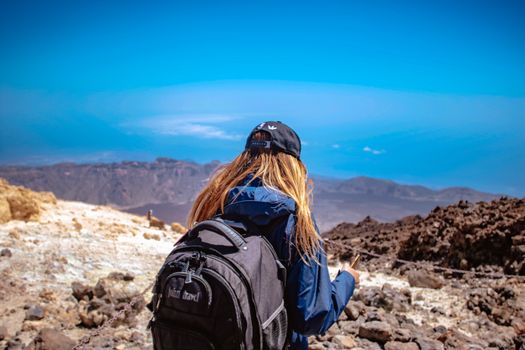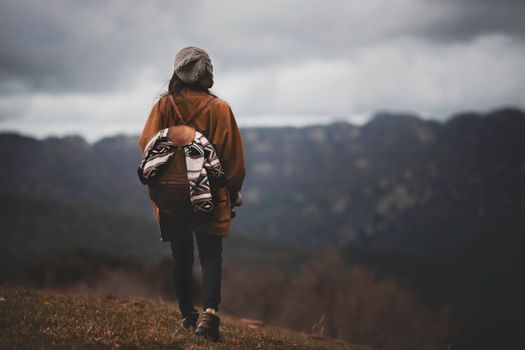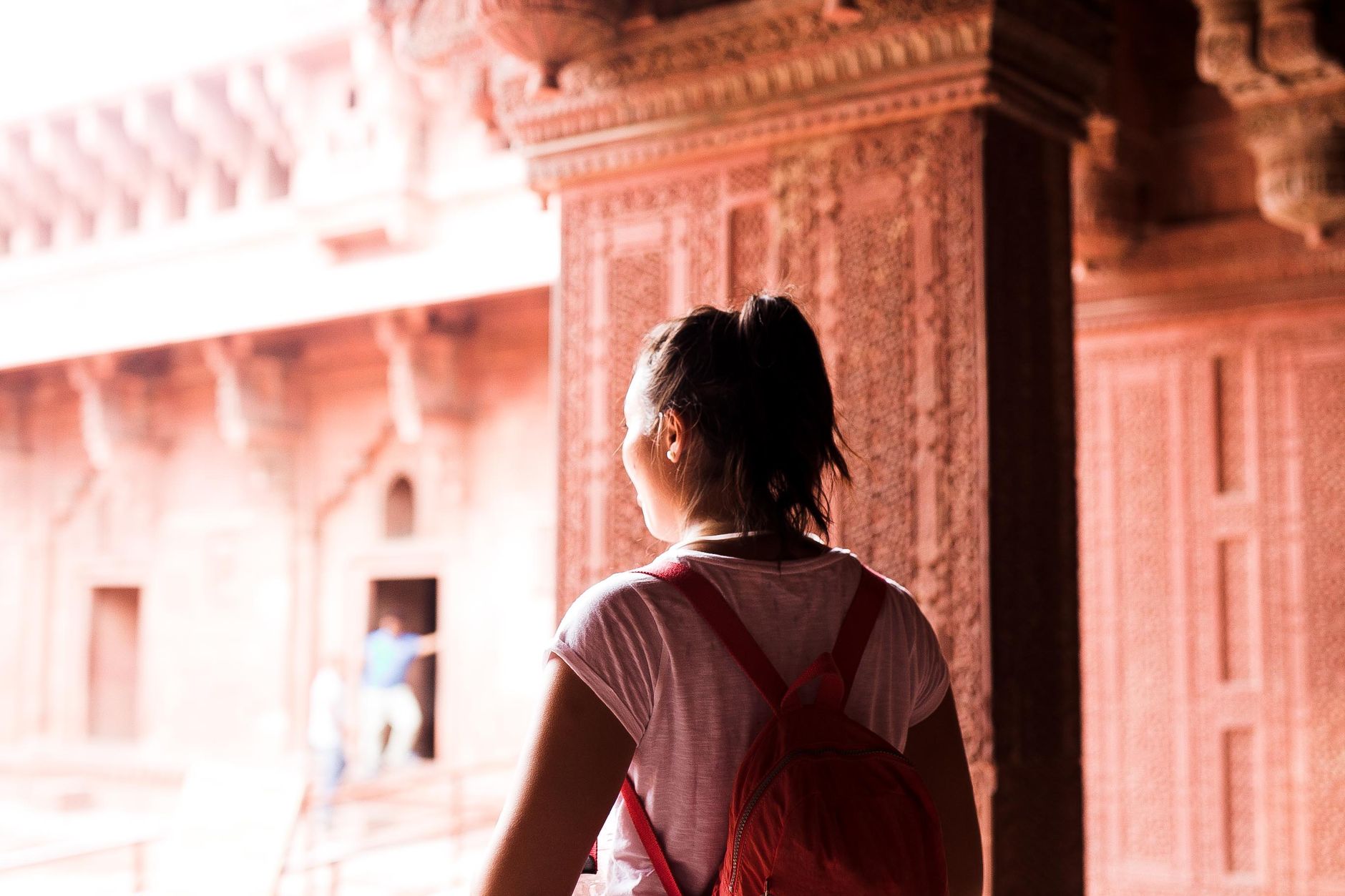
Traveling alone offers freedom over every decision, from pace and itinerary to meals and rest days. Many people find that a quieter season enhances the experience, with fewer crowds, more availability and time to notice details. Yet not every country suits solo travelers equally. Infrastructure, language, transport options and local social norms all shape how comfortable a trip feels. This guide offers a framework for choosing destinations and planning a solo trip in a calmer part of the year.
Why quieter seasons suit solo travelers
Off-peak periods often bring lower demand for accommodation and tours, which can make it easier to find a bed in a hostel or a seat on a day trip. Museums, trails and small towns may feel more open, and restaurant staff sometimes have more time to chat. For solo travelers who want conversation or quiet reflection, these conditions can be ideal.
Weather is the main trade-off. Some regions have rainy or cold periods that limit outdoor activities or close certain routes. Research typical seasonal patterns and check current forecasts before you finalize dates.
Assessing safety and official guidance
Personal safety is a key consideration for anyone traveling alone. Consult your government's travel advice for each destination, which typically covers crime, health, natural hazards and local laws. Look at recent reports from reliable news sources and read traveler reviews with attention to specific, dated details. Trust your judgment about which areas feel comfortable, and plan routes that avoid isolated streets late at night.
Remember that safety conditions can change. Advice is updated over time, so review it again shortly before departure and while you are traveling.
Transport, language and getting around
Reliable transport makes solo travel easier. Countries with well-developed rail or bus networks, clear signage and accessible ticketing tend to suit independent travelers. Language matters too. If you do not speak the local language, choose destinations where English or another language you know is commonly used in tourism, or learn key phrases for greetings, directions and emergencies.
Consider whether navigation apps work well and whether you can access offline maps. Public transport schedules may vary in quieter seasons, so verify services before planning tight connections.
Lodging and social opportunities
Hostels, guesthouses and small hotels often provide social spaces, shared kitchens and organized activities that help solo travelers meet others. Some travelers prefer private rooms for rest, while others enjoy group tours and cooking classes. Choose accommodation that matches your balance between solitude and company.
Quieter seasons can also mean fewer tourists in cafes and public spaces, which may make it harder to meet people spontaneously. Plan a few structured activities, such as walking tours or language exchanges, to create natural conversation.
Building a comfortable solo itinerary
A good solo itinerary includes a mix of anchor points and flexibility. Book the first night and any long-distance transfers in advance, then leave some days open. Mix active days, such as hikes or cycling, with slower mornings in cafes or museums. Alternate busy cities with quieter towns to avoid fatigue.
Think about how you will handle emergencies. Share your itinerary with someone you trust, save local emergency numbers and keep copies of important documents separate from the originals.
Practical tips
Keep your phone charged and carry a portable battery, since you rely on it for navigation, payments and communication. Arrange a check-in routine with family or friends. Keep some cash in local currency for situations where cards are not accepted, and use a money belt or secure pocket in crowded places.
Trust your instincts about people and situations, and it is fine to change plans if something feels wrong. Solo travel rewards flexibility as much as planning.
Common mistakes to avoid
A frequent mistake is choosing a destination mainly for its low crowds without checking whether transport and services run reliably during that season. Another is planning long, tightly timed journeys across regions with variable weather or limited buses. Solo travellers sometimes underestimate how isolating a quiet town can feel in the evening, and do not arrange any activities that create contact with others. Some also carry only one payment card or one copy of their documents, which can cause difficulties if a card is blocked or a document is lost. Finally, many people underestimate the need to recheck local advice, since safety guidance can change during the weeks they are away.
Who this suits and who it does not
Solo travel in quieter seasons tends to suit people who are comfortable making their own decisions, enjoy reflective time and can cope with changes to schedule. It can suit experienced travellers, and those who enjoy meeting others through shared accommodation or classes. It may be less suitable for people who feel anxious alone in unfamiliar places, who need reliable connections for medical reasons, or who prefer a busy social calendar. A first solo trip may work well in a country with strong transport links and a familiar language.
A checklist before you leave
- Check your government's travel advice for each destination on your route.
- Confirm the first night's accommodation and any long-distance transport.
- Save emergency numbers and share your itinerary with a trusted contact.
- Carry a backup payment method and copies of important documents.
- Download offline maps and translation tools before you depart.
The right country for solo travel depends on your priorities, comfort with language and transport, and the season you prefer. By checking official safety guidance, assessing transport and social options, and building a flexible itinerary, you can enjoy a quieter trip that feels both independent and secure. Take the time to choose carefully, and let the calmer season give you room to notice what matters most.