Safaris Beyond Africa: Your Mind-Blowing Global Wildlife Adventure Awaits!
There’s a confession I need to make. For years, when someone said "safari," my mind instantly conjured images of the Maasai Mara, the Serengeti, or Kruger National Park. Sun-drenched savannahs, majestic lions, thundering wildebeest migrations – that was the safari. And don't get me wrong, those iconic African experiences are absolutely legendary, bucket-list worthy, and have delivered some of my most cherished travel memories.
But then, something shifted. A few years ago, on a whim, I booked a trip to India, not for its vibrant cities or ancient temples (though I adored those too), but for a very specific, almost mythical quest: to see a Bengal tiger in the wild. I remember telling friends, and the usual response was, "Oh, like a zoo?" No, not like a zoo. This was a safari. And let me tell you, that first glimpse of a striped phantom disappearing into the dense jungle undergrowth changed everything. It opened my eyes to a world of "safari" that extended far beyond the African continent, a world teeming with equally thrilling, utterly unique, and often more intimate wildlife encounters.
If you, like the old me, thought safaris were exclusively an African affair, prepare to have your mind blown. From the dense jungles of Asia to the flooded wetlands of South America and the volcanic archipelagoes of the Pacific, the planet is brimming with incredible opportunities to witness nature's grandeur up close. And trust me, these aren't just "wildlife viewing trips" – they are bona fide, pulse-pounding, life-affirming safaris in every sense of the word.
Ready to expand your safari horizons? Let's dive into some of the most spectacular non-African safari experiences that will undoubtedly blow your mind and fill your Instagram feed with envy-inducing shots.
---
1. India: The Land of the Royal Bengal Tiger (And So Much More!)
My tiger quest in India was the catalyst, and it remains one of my most profound wildlife experiences. India offers a safari experience unlike any other – it's raw, vibrant, and incredibly intense. You're not just looking for animals; you're immersed in a symphony of sounds, smells, and colors in ancient forests.
Where to Go:
- Ranthambore National Park (Rajasthan): Famous for its majestic tigers set against the backdrop of ancient fort ruins and lakes. This is where I had my first incredible tiger sighting, watching a tigress stalk deer near a watering hole. It’s dramatic and popular for a reason.
- Bandhavgarh National Park (Madhya Pradesh): Known for having one of the highest tiger densities in India, increasing your chances of a sighting. The landscape is a mix of dense forest, hills, and meadows.
- Tadoba Andhari Tiger Reserve (Maharashtra): Less crowded than Ranthambore, Tadoba offers a more rugged, authentic jungle experience with excellent tiger sightings and a good chance of spotting leopards and sloth bears too.
Key Wildlife: Royal Bengal Tigers are the undisputed stars, but you'll also encounter leopards, sloth bears, wild dogs (dholes), sambar deer, chital, and an incredible array of birdlife.
The Experience: Safaris here are typically conducted in open-top jeeps (Gypsys) or larger canters, usually twice a day (morning and afternoon). The thrill of tracking pugmarks, listening to alarm calls, and the hushed anticipation in the jeep is palpable. It’s a game of patience and luck, but when it pays off, it’s electrifying.
Practical Tips:
- Best Time to Visit: October to June. March to May (pre-monsoon) offers the best tiger sightings as animals frequent water sources.
- Cost: Mid-range to luxury. Expect to pay around $100-$200 per jeep safari (which can be shared by up to 6 people) plus park entry fees, guide fees, and accommodation. A 3-4 day safari trip (including accommodation, meals, and 4-6 safaris) can range from $800-$2000+ depending on the lodge and park.
- Booking: Book well in advance, especially for Ranthambore, as permits are limited. Use a reputable local tour operator.
- My Anecdote: I vividly remember one morning in Tadoba when our guide suddenly stopped the jeep, cut the engine, and pointed. There, barely visible through the morning mist, was a huge male tiger, cooling off in a small pond. We sat in silence for almost 20 minutes, just watching him, completely mesmerized. It was raw, powerful, and absolutely unforgettable.
---
2. Sri Lanka: The Island of Leopards and Gentle Giants
Just a short hop from India, Sri Lanka packs an incredible wildlife punch into its relatively small island nation. While often overlooked for its beaches and ancient cities, its national parks offer some of the best opportunities globally to see leopards and Asian elephants.
Where to Go:
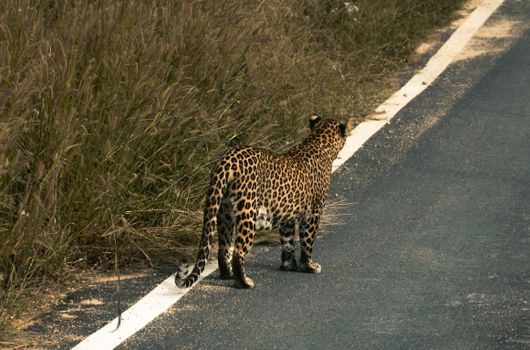
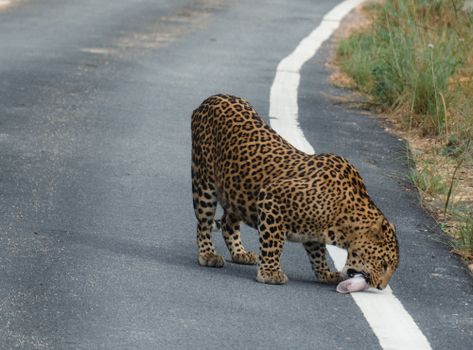
- Yala National Park (Southeast): This is the undisputed champion for leopard sightings, boasting one of the highest leopard densities in the world. The landscape is a mix of scrub jungle, rocky outcrops, and lagoons.
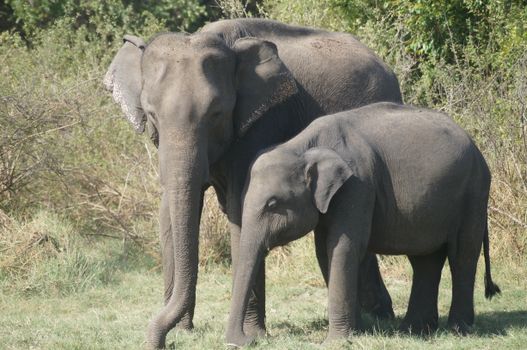
- Udawalawe National Park (South): If elephants are your passion, Udawalawe is a must-visit. It's often compared to an African savannah, with large herds of elephants roaming freely.
- Wilpattu National Park (Northwest): Sri Lanka's largest and oldest national park, known for its natural lakes (villus) and excellent chances to spot leopards, sloth bears, and elephants in a less crowded setting.
Key Wildlife: Sri Lankan Leopard, Asian Elephant, Sloth Bear, Water Buffalo, Crocodiles, and a stunning array of birdlife, including many endemic species.
The Experience: Safaris are conducted in open-sided jeeps, typically in the early morning or late afternoon. In Yala, the thrill of searching for leopards amidst the rocks and trees is exhilarating. In Udawalawe, you'll be treated to incredible views of elephant herds, often with adorable calves.
Practical Tips:
- Best Time to Visit: Yala: February to July (dry season). Udawalawe: Year-round, but August to January is particularly good for elephants.
- Cost: Similar to India, expect jeep safaris to be around $50-$100 (per jeep, can be shared) plus park entrance fees. A 2-day, 3-safari trip can cost $300-$700+.
- Booking: Your accommodation provider or a local tour operator can arrange safaris.
- My Anecdote: In Yala, our jeep rounded a bend, and there it was – a magnificent leopard perched on a low branch, surveying its territory. It was so close, so regal, and completely unfazed by our presence. We spent a good 15 minutes just watching it, feeling incredibly privileged. It was an Instagram moment I'll never forget!
---
3. Brazil: The Untamed Wetlands of the Pantanal
Move over, Amazon! While the Amazon Rainforest is undeniably iconic, for sheer wildlife density and ease of viewing, the Pantanal wetlands of Brazil are an absolute game-changer. This vast tropical wetland is the world's largest, and its open nature makes spotting animals much easier than in dense jungle.
Where to Go:
- Northern Pantanal (Cuiabá region): The gateway to the famous Transpantaneira Highway, known for its incredible jaguar sightings, especially along the rivers like the Cuiabá and Three Brothers. Porto Jofre is the prime base for jaguar boat safaris.
- Southern Pantanal (Campo Grande region): Offers a wider variety of activities, including horseback riding, piranha fishing, and more traditional fazenda (ranch) stays, with excellent general wildlife viewing.
Key Wildlife: Jaguars are the main draw, but you'll also see Giant River Otters, Capybaras (the world's largest rodent), Caimans (thousands!), Anacondas, Anteaters, Tapirs, Howler Monkeys, and an astounding diversity of birds (Hyacinth Macaws, Jabiru Storks).
The Experience: Pantanal safaris are incredibly diverse. In the north, boat safaris are king for jaguars. You'll spend hours cruising the rivers, eyes peeled for the elusive big cats lounging on riverbanks. In the south, you might combine jeep safaris with horseback riding, walking trails, and even night safaris for nocturnal creatures.
Practical Tips:
- Best Time to Visit: Dry season (May to October) is best for jaguar sightings as water levels recede, concentrating prey and jaguars along the rivers.
- Cost: The Pantanal can be a bit pricier due to its remote nature and specialized guides. A 4-5 day jaguar safari in the north (including transfers, accommodation, meals, and daily boat safaris) can range from $2000-$4000+. Southern Pantanal experiences can be slightly less, from $1500-$3000+.
- Booking: Essential to book with a specialized Pantanal tour operator who can arrange transfers, lodges, and expert guides.
- My Anecdote: On a boat safari near Porto Jofre, we spent a tense hour tracking a jaguar that had just made a kill. Suddenly, our guide pointed, and there it was – a magnificent male, dragging a caiman from the water! It was raw, powerful, and a truly humbling display of nature's food chain. You feel like you're in a real-life nature documentary.
---
4. Galápagos Islands, Ecuador: Evolution's Living Laboratory
While not a "safari" in the traditional sense of tracking big game, a journey to the Galápagos Islands is arguably the most unique and mind-blowing wildlife experience on Earth. It's a safari into the heart of evolution, where animals have no fear of humans, allowing for incredibly close and intimate encounters.
Where to Go: The entire archipelago is a national park, and access is strictly controlled.
- Cruise: The most popular and recommended way to explore, allowing you to visit multiple islands and remote sites. Cruises range from 4 to 15 days.
- Land-based: Staying on inhabited islands (Santa Cruz, San Cristóbal, Isabela) and taking day trips to nearby visitor sites.
Key Wildlife: Galápagos Giant Tortoises, Marine Iguanas, Land Iguanas, Blue-footed Boobies, Red-footed Boobies, Nazca Boobies, Frigatebirds, Galápagos Penguins, Sea Lions, Fur Seals, various finch species, and an incredible array of marine life (sharks, rays, tropical fish).
The Experience: Imagine walking past a colony of sea lions, snorkeling with playful penguins, watching Blue-footed Boobies perform their mating dance just feet away, or observing giant tortoises lumbering through volcanic landscapes. Your days will be filled with guided walks, snorkeling, kayaking, and zodiac rides, all focused on experiencing the unique fauna.
Practical Tips:
- Best Time to Visit: Year-round! Each season offers something different. December to May is the warm season (calmer seas, green landscapes, breeding season for many land birds). June to November is the cool, dry season (cooler air/water, higher marine activity, great for whale watching).
- Cost: This is a premium destination. A 7-day cruise can range from $3000 (budget) to $8000+ (luxury) per person, excluding international flights. Land-based options can be slightly cheaper but offer less access to remote islands.
- Booking: Book well in advance (6-12 months for cruises). Work with a reputable agency specializing in the Galápagos.
- My Anecdote: Snorkeling off Floreana Island, a curious Galápagos Sea Lion swam directly towards me, twirling and blowing bubbles, before darting away. It was a moment of pure, unadulterated joy and connection with a wild creature that completely trusted my presence. It's truly a place where the animals are the bosses, and you're just a respectful visitor in their world.
---
5. Borneo & Sumatra, Southeast Asia: The Realm of the Orangutan
For those seeking a truly immersive jungle experience focused on one of our closest relatives, the rainforests of Borneo and Sumatra offer an unparalleled opportunity to see wild orangutans. This isn't just a safari; it's a profound journey into dwindling habitats and a powerful lesson in conservation.
Where to Go:
- Borneo (Indonesian Kalimantan or Malaysian Sabah/Sarawak):
- Tanjung Puting National Park (Kalimantan, Indonesia): Famous for its "klotok" (traditional wooden boat) safaris along the Sekonyer River, leading to rehabilitation centers where semi-wild orangutans visit feeding platforms. It's an intimate, multi-day river journey.
- Sepilok Orangutan Rehabilitation Centre (Sabah, Malaysia): While a rehabilitation center, it offers a fantastic opportunity to see orangutans in a semi-wild setting, with feeding platforms providing reliable sightings. Combine with nearby Kinabatangan River for wild encounters.
- Danum Valley Conservation Area (Sabah, Malaysia): For truly wild and pristine rainforest, Danum Valley offers incredible trekking opportunities to spot wild orangutans, proboscis monkeys, pygmy elephants, and countless bird species.
- Sumatra (Indonesia):
- Gunung Leuser National Park (North Sumatra): Home to both Sumatran orangutans and tigers (though tigers are incredibly rare to see). Trekking from Bukit Lawang is a popular way to see semi-wild orangutans.
Key Wildlife: Orangutans (Bornean or Sumatran subspecies), Proboscis Monkeys, Macaques, Pygmy Elephants (Borneo), Sun Bears, Clouded Leopards (rare), and a rich avian life.
The Experience: In Tanjung Puting, you live on a klotok boat for several days, cruising the river, stopping for jungle treks to feeding stations, and sleeping under the stars. In Sepilok, it's platform viewing. In Danum Valley or Gunung Leuser, it's multi-day guided jungle treks, often challenging but incredibly rewarding. The feeling of seeing an orangutan swing through the canopy above you is pure magic.
Practical Tips:
- Best Time to Visit: May to September (dry season) is generally best for trekking and comfortable conditions, though wildlife can be seen year-round.
- Cost: Tanjung Puting klotok safaris for 3-4 days can range from $500-$1500+ per person, depending on the boat and inclusions. Sepilok is more affordable for day visits. Danum Valley is a luxury experience, often $1000+ per night.
- Booking: Essential to book with a responsible, ethical tour operator that prioritizes conservation and animal welfare.
- My Anecdote: Drifting down the Sekonyer River in Tanjung Puting, the air thick with the scent of damp earth and exotic flowers, I saw my first wild orangutan. A mother and baby, high in the canopy, moving with such grace and power. It was a profound moment, a connection to a species so close to our own, and a stark reminder of the urgent need for conservation.
---
6. Canada & Alaska: The Wild North's Majestic Beasts
When you think "safari," the Arctic and sub-Arctic might not immediately spring to mind, but these vast, untamed wildernesses offer some of the most spectacular and rugged wildlife viewing on the planet. This is a safari of epic landscapes and powerful predators.
Where to Go:
- Churchill, Manitoba, Canada: The "Polar Bear Capital of the World." In autumn, polar bears congregate here, waiting for the Hudson Bay to freeze, offering unparalleled viewing opportunities from Tundra Buggies.
- Great Bear Rainforest, British Columbia, Canada: Home to the elusive Kermode Bear (Spirit Bear), a white subspecies of the black bear. Boat and walking safaris are common here, with a focus on bears, wolves, and marine life.
- Katmai National Park, Alaska, USA: Famous for Brooks Falls, where brown bears (grizzlies) gather in summer to fish for salmon. It's a truly wild, remote, and awe-inspiring experience.
- Vancouver Island, British Columbia, Canada: For incredible Orca and marine wildlife viewing.
Key Wildlife: Polar Bears, Grizzly Bears (Brown Bears), Black Bears (including Spirit Bears), Wolves, Moose, Caribou, Orcas (Killer Whales), Humpback Whales, Bald Eagles, and various marine birds.
The Experience: This is a safari of extremes. In Churchill, you're in specialized Tundra Buggies, safe from the polar bears but incredibly close. In Katmai, you're on elevated viewing platforms, watching bears fish just below you. In the Great Bear Rainforest, it's a mix of boat trips and guided walks, often involving bush planes to reach remote lodges. Marine safaris involve specialized boats.
Practical Tips:
- Best Time to Visit:
- Polar Bears (Churchill): October-November.
- Grizzlies (Katmai): July-September (peak salmon runs).
- Spirit Bears (Great Bear Rainforest): August-October.
- Whales (BC/Alaska): May-September.
- Cost: These experiences are generally high-end due to remote locations, specialized equipment, and expert guides. A 4-7 day polar bear trip to Churchill can be $5000-$10,000+. Katmai trips are also in the $3000-$6000+ range for a few days.
- Booking: Absolutely essential to book with specialized operators, often a year or more in advance, especially for peak seasons.
- My Anecdote: Standing on the viewing platform at Brooks Falls, watching a massive grizzly effortlessly pluck salmon from the rushing water just meters away, was utterly surreal. The sheer power and raw beauty of these animals in their natural habitat left me speechless. It was cold, remote, and completely exhilarating – a true wilderness safari.
---
Ethical Wildlife Encounters: Travel Responsibly
As you plan your mind-blowing safari beyond Africa, remember the golden rule: always prioritize ethical and sustainable wildlife tourism.
- Choose Reputable Operators: Opt for companies that employ local guides, contribute to conservation efforts, and have strict wildlife viewing policies.
- Maintain Distance: Never approach or disturb animals. Your guide should enforce this.
- No Feeding: Feeding wild animals disrupts their natural behavior and can make them dependent or aggressive.
- Leave No Trace: Pack out everything you pack in. Support parks and reserves that protect habitats.
- Respect Local Culture: Be mindful of local customs and traditions.
---
Ready to Go Beyond? Practical Tips for Your Non-African Safari
- Research, Research, Research: Each destination is unique. Understand the best time to visit, what to expect, and specific gear you might need.
- Budgeting: These safaris can range from mid-range to ultra-luxury. Factor in flights, accommodation, park fees, guide fees, and any specialized equipment.
- Packing Essentials:
- Camera Gear: A good DSLR or mirrorless camera with a telephoto lens (200-400mm) is a must. Bring spare batteries and plenty of memory cards.
- Binoculars: Essential for spotting distant wildlife.
- Appropriate Clothing: Layers are key. Think quick-drying fabrics, neutral colors, and comfortable walking shoes. Rain gear is often a good idea.
- Insect Repellent: Especially for tropical destinations.
- Sun Protection: Hat, sunglasses, high-SPF sunscreen.
- First-Aid Kit: Basic medications, personal prescriptions.
- Health & Safety: Consult your doctor about necessary vaccinations and prophylaxis for your chosen destination. Be aware of local safety guidelines.
- Be Patient: Wildlife viewing requires patience. There are no guarantees, but the anticipation is part of the thrill!
- Embrace the Unexpected: Sometimes the most memorable moments are the ones you didn't plan for – a rare bird, a unique interaction, or a stunning landscape.
---
Conclusion: Your Next Epic Safari Adventure Awaits!
My journey of discovery, starting with that unforgettable tiger sighting in India, completely reshaped my understanding of what a "safari" truly is. It's not just about one continent or one type of animal; it's about connecting with the wild, experiencing the planet's incredible biodiversity, and challenging yourself to step outside your comfort zone.
These safaris beyond Africa offer distinct, mind-blowing adventures that promise unique wildlife, breathtaking scenery, and stories you'll be telling for a lifetime. Whether you dream of tracking jaguars in the Pantanal, marveling at the fearless creatures of the Galápagos, or witnessing the raw power of a polar bear in the Arctic, the world is your oyster.
So, are you ready to embark on a safari experience that will truly blow your mind? Start planning your adventure today. Share your wildest safari dreams in the comments below – I'd love to hear where you're headed next!
---