Beyond the Savannah: My Life-Changing Safaris Outside Africa!
For years, my travel mantra was simple: "Safari means Africa." The vast plains of the Serengeti, the iconic Big Five, the dramatic wildebeest migration – these were the images that filled my dreams and fueled my wanderlust. I’d spent countless hours tracking lions in Botswana, marveling at elephants in Kenya, and witnessing the raw beauty of the African wilderness. I thought I'd seen it all when it came to wildlife encounters, that nothing could quite compare to the magic of Africa.
Then, a chance conversation with a seasoned travel photographer opened my eyes. "You think you know safaris?" he challenged, a mischievous glint in his eye. "Wait until you've locked eyes with a Bengal tiger in the Indian jungle, or watched a jaguar stalk its prey in the Pantanal. Africa is incredible, yes, but it's just one chapter in the world's wild story."
His words struck a chord. Could there truly be safari experiences beyond Africa that offered the same thrill, the same profound connection to nature, the same life-altering moments? I had to find out. What followed was a series of adventures that didn't just meet my expectations but shattered them entirely, redefining what a "safari" truly means. These journeys changed my life forever, proving that the wild heart of our planet beats fiercely in unexpected corners, waiting to be discovered.
If you, like me, thought Africa held the monopoly on incredible wildlife, prepare to have your mind blown. Let me take you on a journey to the most breathtaking non-African safari destinations that will leave you spellbound and planning your next great adventure.
1. The Royal Bengal Roar: India's Tiger Trails
My first foray into the world of non-African safaris took me to the dense jungles of India, a land steeped in ancient mystique and home to one of the planet's most magnificent predators: the Bengal Tiger. Forget the open plains; here, the safari is a game of patience, stealth, and incredible anticipation.
I started my Indian safari adventure in Ranthambore National Park, a former royal hunting ground nestled amidst the rugged Aravalli and Vindhya hills in Rajasthan. The landscape itself is captivating – ancient fort ruins peek through the foliage, and crumbling pavilions stand sentinel by serene lakes, creating a backdrop straight out of a Kipling novel.
The morning I saw my first tiger, the air was thick with a humid stillness, broken only by the distant calls of peacocks and the rustle of leaves. We were in an open-top Gypsy jeep, our local guide, Ramesh, a man whose eyes seemed to hold the secrets of the jungle, scanning the tree line. After an hour of hopeful searching, following fresh pugmarks, Ramesh suddenly held up a hand. Silence. He whispered, "Tigress. With cubs. Near the lake."
My heart hammered against my ribs. We edged forward, the jeep barely making a sound. And then, there she was: a magnificent tigress, her fiery orange coat striped with obsidian black, emerging from the tall grass, followed by two playful, clumsy cubs. The moment was pure magic. She paused, turned her head, and for a fleeting second, her amber eyes met mine. It wasn't aggression, but an ancient, knowing gaze that sent shivers down my spine. It was a privilege, a profound honor, to witness such raw, untamed beauty.
Beyond Ranthambore, I also explored Bandhavgarh National Park in Madhya Pradesh, renowned for having one of the highest tiger densities in India. Here, the chances of multiple sightings are even greater, and the thrill is just as potent. The terrain is a mix of sal forests and grasslands, and the guides are incredibly skilled at tracking.
Practical Tips for Your Indian Tiger Safari:
- Best Time to Visit: October to June. The dry season (March-May) offers the best visibility as tigers frequent water holes.
- Booking: Park permits are limited and must be booked well in advance, especially for popular parks like Ranthambore and Bandhavgarh. Work with a reputable tour operator.
- Vehicles: Safaris are conducted in open-top jeeps (Gypsies) or larger canters. I highly recommend the Gypsies for a more intimate experience.
- Cost Estimate: Park entry fees vary but expect around $20-30 USD per person per drive. Jeep hire (including guide) can range from $50-100 USD per drive, often split among passengers. Accommodation ranges from budget guesthouses ($50/night) to luxury lodges ($300+/night).
- Instagram Moment: A tiger emerging from the jungle mist, or the ancient fort ruins of Ranthambore at sunrise.
2. Island of Giants & Ghosts: Sri Lanka's Diverse Wilds
From the dry jungles of India, I ventured to the tear-drop island of Sri Lanka, a place that proved to be a microcosm of incredible biodiversity, offering a "safari" experience unlike any other, spanning land and sea.
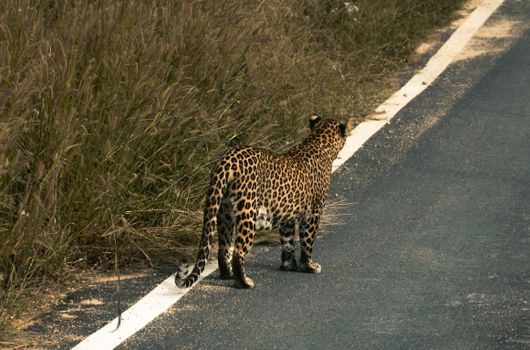
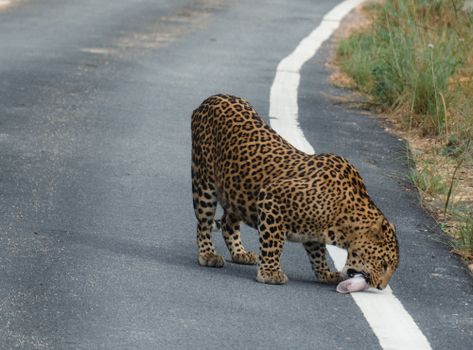
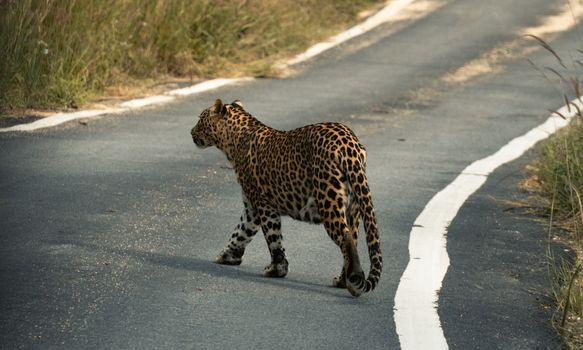
My first stop was Yala National Park, on the island's southeast coast, famous for having one of the highest leopard densities in the world. African leopards are elusive, but Yala's leopards are legendary for their relative boldness. The landscape here is stunningly varied – dense jungle, thorny scrubland, freshwater lakes, and even a coastline fringed with golden beaches.
Tracking leopards in Yala was a heart-pounding affair. Our jeep bounced along dusty tracks, and the air was alive with the calls of exotic birds and the occasional trumpeting of an elephant. After hours of scanning trees and rocky outcrops, our guide, a hawk-eyed local named Rohan, pointed to a distant granite boulder. "Leopard," he whispered. Through my binoculars, I saw it: a magnificent male, draped effortlessly over the rock, his spotted coat blending perfectly with the dappled sunlight. He was the epitome of grace and power, a true ghost of the jungle. The patience paid off, and the reward was truly unforgettable.
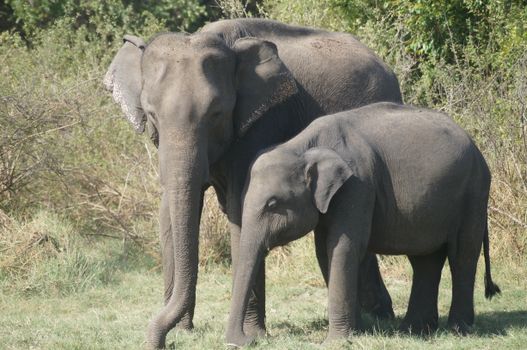
But Sri Lanka's wildlife magic doesn't stop with leopards. Udawalawe National Park, further inland, is a haven for elephants. Here, you're practically guaranteed to see large herds, often numbering in the dozens, as they gather around the park's massive reservoir. It's a different kind of elephant encounter than in Africa – the landscape feels greener, more lush, and the sheer number of calves playing by the water's edge is pure joy.
And then, there's the marine safari. From the southern coast (Mirissa or Galle), during the right season, you can embark on a blue whale watching expedition. Nothing, and I mean nothing, prepares you for the sheer scale of the largest animal on Earth. Seeing a blue whale breach, or simply watching its colossal tail fluke disappear beneath the waves, is a humbling, awe-inspiring experience that makes you feel incredibly small in the vastness of the ocean. It was a profound reminder of the planet's incredible biodiversity.
Practical Tips for Your Sri Lankan Safari:
- Best Time to Visit: Yala (November to May), Udawalawe (year-round, but dry season May-September for best viewing), Whale Watching (November to April).
- Vehicles: Safaris are done in open-top jeeps. Whale watching is by boat.
- Cost Estimate: Park entry fees are around $25-30 USD per person. Jeep hire for a half-day safari is about $40-60 USD (can be split). Whale watching tours cost roughly $40-60 USD per person. Accommodation varies widely, from $30/night guesthouses to $200+/night resorts.
- Instagram Moment: A leopard lounging on a rock in Yala, a massive herd of elephants at Udawalawe, or the iconic tail fluke of a blue whale.
3. Jaguar's Realm: The Wetlands of Brazil's Pantanal
If you seek true wilderness and the thrill of spotting a notoriously elusive big cat, then the Pantanal in Brazil is your ultimate non-African safari destination. This vast tropical wetland, larger than many European countries, is an ecological wonderland, teeming with an astonishing array of wildlife, with the jaguar as its undisputed king.
My journey to the Pantanal began in Cuiabá, the gateway city, followed by a bumpy but scenic drive along the Transpantaneira Highway – a dirt road punctuated by over 120 wooden bridges, each one a potential wildlife viewing spot. We stayed at a remote fazenda (ranch-lodge) that offered an authentic, immersive experience.
The Pantanal safari is primarily a river-based experience. Each morning, we'd set out in small, open motorboats along the Cuiabá River and its tributaries, specifically in the "Jaguar Zone" of the Northern Pantanal. This is where the magic happens. Unlike the dense jungle environment of tigers, jaguars in the Pantanal are often found lounging on sandy riverbanks, cooling off, or stalking caiman and capybaras.
My first jaguar sighting was electrifying. Our guide, a soft-spoken local named Ricardo, suddenly cut the engine. "Look," he whispered, pointing to a distant bank. There it was: a magnificent male, its rosetted coat shimmering in the sunlight, half-hidden by reeds. He was huge, powerfully built, and radiated an aura of untamed wildness. We watched, mesmerized, as he slowly rose, stretched, and then padded gracefully along the bank before disappearing into the foliage. It was a moment of pure, unadulterated awe.
Beyond jaguars, the Pantanal is a wildlife photographer's dream. We saw hundreds of caiman, lounging like prehistoric statues. Capybaras, the world's largest rodents, grazed peacefully. Giant otters played in the water, their playful antics a stark contrast to the serious business of jaguar hunting. And the birds! Macaws, jabiru storks, kingfishers – the air was alive with color and sound. It's a place where wildlife is not just present, but abundant and incredibly visible.
Practical Tips for Your Pantanal Safari:
- Best Time to Visit: The dry season (May to October) is ideal for jaguar sightings, as water levels recede, concentrating wildlife along the main rivers.
- Getting There: Fly into Cuiabá (CGB), then arrange transfers to your lodge. The drive along the Transpantaneira can take several hours.
- Accommodation: Most lodges (fazendas) offer all-inclusive packages that include accommodation, meals, and guided activities (boat safaris, horseback riding, piranha fishing).
- Cost Estimate: Pantanal safaris can be pricier due to the remote nature and specialized guiding. Expect to pay $300-600+ USD per person per day for a good quality, all-inclusive lodge package.
- Instagram Moment: A jaguar relaxing on a riverbank, a caiman with its jaws agape, or a vibrant macaw flying overhead.
4. The Red Ape's Forest: Borneo's Orangutan Encounters
My final non-African safari led me to the ancient rainforests of Borneo, a journey that connected me with one of our closest relatives in the animal kingdom: the orangutan. This experience was not just about spotting wildlife; it was deeply emotional and a stark reminder of our responsibility to protect these incredible creatures and their rapidly diminishing habitat.
I chose to visit Tanjung Puting National Park in Indonesian Borneo (Kalimantan), opting for a multi-day "klotok" (traditional wooden houseboat) safari. This is perhaps the most immersive way to experience the park. You live on the river, waking up to the symphony of the jungle, dining on deck, and slowly cruising deeper into the heart of the rainforest.
The highlight of the klotok safari is undoubtedly the opportunity to see wild and semi-wild orangutans at feeding stations established by the park's research and rehabilitation centers, most notably Camp Leakey. These stations provide supplementary food for rehabilitated orangutans and orphans, helping them transition back to the wild, and offer an incredible chance to observe them up close.
The moment I first saw an orangutan swinging through the trees, its long, reddish-brown hair catching the sunlight, I was captivated. There was a profound sense of intelligence and curiosity in its eyes. At the feeding platforms, we watched as mothers with their babies, and solitary males, descended from the canopy, moving with a grace that belied their size. It wasn't a zoo; it was a sanctuary, and we were privileged guests in their home. Beyond orangutans, we spotted proboscis monkeys with their distinctive long noses, macaques, and a plethora of exotic birds.
The klotok experience itself was magical – sleeping under mosquito nets on the open deck, listening to the night sounds of the jungle, watching fireflies dance in the darkness. It was a slow, deliberate journey that allowed for deep reflection and an intimate connection with the rainforest.
Practical Tips for Your Borneo Orangutan Safari:
- Best Time to Visit: The dry season (May to September) offers the best weather and easier navigation of the rivers.
- Getting There: Fly into Pangkalan Bun (PKN) in Central Kalimantan, Indonesia. From there, your tour operator will arrange transport to Kumai for your klotok.
- Booking: Book your klotok tour well in advance with a reputable, ethical operator. Choose one that supports local communities and conservation efforts.
- Cost Estimate: Klotok tours vary based on luxury and duration (typically 2-4 days). Expect to pay $200-400+ USD per person per day, which usually includes accommodation on the boat, all meals, guide, and park fees.
- Ethical Considerations: Always maintain a respectful distance from the orangutans, do not feed them, and choose operators committed to responsible tourism.
- Instagram Moment: An orangutan swinging through the trees, a baby orangutan clinging to its mother, or the serene view from your klotok on the river.
5. Planning Your Extraordinary Non-African Safari: Tips & Tricks
Inspired to venture beyond the savannah? Here's my actionable advice to help you plan your own unforgettable non-African safari:
- Research is Your Best Friend: Each destination offers unique wildlife and experiences. Understand the seasonality, specific species you hope to see, and the best time to visit for optimal sightings. Read reviews, watch documentaries, and immerse yourself in the destination.
- Budgeting Realistically: Non-African safaris can vary widely in cost. India can be done on a mid-range budget, Sri Lanka is generally affordable, while the Pantanal and Borneo can be more premium due to remoteness and specialized tours. Factor in international flights, domestic transfers, park fees, guide services, accommodation, and meals.
- Embrace Ethical Travel: This is paramount. Choose tour operators and lodges that demonstrate a genuine commitment to wildlife conservation, support local communities, and practice responsible tourism. Avoid any tours that promote animal exploitation (e.g., direct contact with wild animals, riding elephants). Your choices have an impact.
- Pack Smart & Light:
- Clothing: Layers are key. Lightweight, breathable, neutral-colored clothing is best. Long sleeves and pants offer protection from sun and insects.
- Footwear: Sturdy, comfortable walking shoes or sandals.
- Gear: Good quality binoculars are non-negotiable! A reliable camera with a zoom lens (150-600mm is ideal for wildlife) is essential. Extra batteries and memory cards.
- Essentials: High-SPF sunscreen, wide-brimmed hat, insect repellent (with DEET or picaridin), a small daypack, reusable water bottle.
- Health: Consult your doctor about necessary vaccinations and anti-malarial medication for your specific destination. Carry a basic first-aid kit.
- Patience and Flexibility: Wildlife is unpredictable. There will be moments of waiting, and sightings are never guaranteed. Embrace the entire journey – the sounds of the jungle, the beauty of the landscape, the thrill of the chase – not just the "big" sightings.
- Engage with Local Guides: They are a treasure trove of knowledge, not just about wildlife but also about local culture and conservation efforts. Their expertise significantly enhances your experience.
- Book in Advance: Especially for popular parks and during peak season, permits, flights, and accommodations can book up quickly.
The Wild Heart Beats Everywhere
My journey beyond Africa was not just a series of trips; it was a profound transformation. It taught me that the definition of "safari" is far broader than I ever imagined, encompassing everything from the dense jungles of India to the vast wetlands of Brazil, and the ancient rainforests of Borneo. Each destination offered a unique tapestry of life, a different rhythm of the wild, and a new perspective on our planet's incredible biodiversity.
These experiences didn't diminish my love for Africa; they expanded my understanding of the natural world and deepened my commitment to conservation. They proved that extraordinary wildlife encounters, moments of pure, unadulterated awe, are waiting to be discovered in every corner of our globe.
So, if you're an adventurer at heart, if the call of the wild whispers to your soul, I urge you: step beyond the familiar. Challenge your perceptions. The world beyond the savannah is waiting to change your life forever.
Which non-African safari calls to you? Have you experienced any incredible wildlife encounters outside of Africa? Share your dreams and stories in the comments below! Don't forget to share this post with your fellow adventurers – let's inspire more people to explore the wild wonders of our world!
---