Beyond the Savannah: Unveiling the World's Secret Safaris Before They Explode!
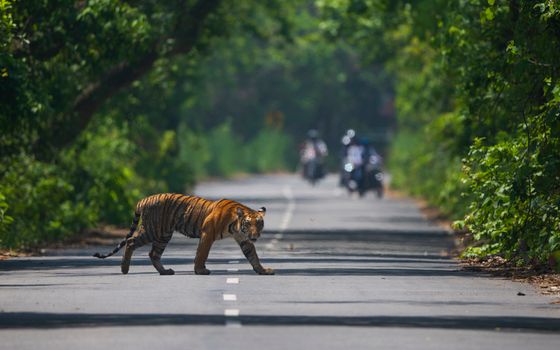
I remember it like it was yesterday: perched precariously on the back of a jeep, dust swirling around me, the scent of dry grass filling the air. We’d been tracking for hours, the anticipation a palpable hum among our small group. Then, a rustle in the tall reeds, a flash of orange and black, and suddenly, there he was – a majestic Royal Bengal Tiger, less than fifty feet away, surveying his domain with an ancient, knowing gaze. It was a moment of pure, unadulterated awe.
But here’s the kicker: I wasn't in the Serengeti, nor the Maasai Mara. I was deep in the heart of Ranthambore National Park in India, experiencing a safari that felt utterly wild, incredibly intimate, and refreshingly different.
For years, when we heard the word "safari," our minds instantly conjured images of African plains, lions, elephants, and vast migrations. And rightly so – African safaris are legendary. But as a seasoned travel blogger for Tripsora, I'm always on the hunt for the next big thing, the untamed experiences that are still off the beaten path, waiting to be discovered. And let me tell you, the world is brimming with "safari" experiences – diverse, thrilling, and utterly unforgettable – that exist far beyond the African continent.
These are the hidden gems, the wildlife havens that offer incredible encounters with unique species, often in landscapes that will take your breath away. They offer a chance to connect with nature on a profound level, without the crowds or the often-hefty price tags of their more famous counterparts.
Ready to rewrite your definition of a safari? Let's embark on an epic journey to uncover these incredible, non-African wildlife adventures before they become mainstream.
---
1. India: The Royal Bengal Tiger Quest – Roaring Majesty in Asia's Jungles
My heart hammered against my ribs as our guide whispered, "He's here. Be ready." The jungle was silent, holding its breath. Then, a low growl, a flick of a striped tail, and a magnificent male tiger emerged from the dense undergrowth, sauntering across our path with an effortless grace that belied his immense power. It was my first tiger sighting, and it was nothing short of spiritual.
India offers some of the most thrilling wildlife experiences outside of Africa, with the elusive Royal Bengal Tiger as its undisputed star. These aren't just "tiger parks"; they are vast, protected ecosystems teeming with life, where tracking these magnificent big cats becomes an exhilarating game of patience and skill.
Where to Go:
- Ranthambore National Park, Rajasthan: Famous for its stunning fort ruins and a high chance of tiger sightings. It's relatively accessible from major cities.
- Bandhavgarh National Park, Madhya Pradesh: Known for one of the highest densities of tigers in India, offering excellent viewing opportunities.
- Tadoba Andhari Tiger Reserve, Maharashtra: A lesser-known gem, offering a raw, wild experience with good chances of spotting tigers and other predators like leopards and sloth bears.
What to Expect: Jeep safaris (often called "game drives" here too) are the primary way to explore. You’ll navigate dusty tracks, pass through dry deciduous forests, and keep your eyes peeled for not just tigers, but also sambar deer, chital (spotted deer), wild boar, sloth bears, various monkeys, and a spectacular array of birdlife. The thrill of the chase, the quiet anticipation, and the sheer elation of a sighting are what make an Indian tiger safari so special.
Practical Pointers:
- Best Time to Visit: October to June, with March to May being peak season for tiger sightings as water holes dry up, concentrating animals.
- Booking: Safari permits are limited and must be booked well in advance, especially for Ranthambore and Bandhavgarh. Many lodges can assist, or you can use online booking portals.
- Cost: A mid-range safari experience (including accommodation, drives, and park fees) can range from $200-$400 USD per person per day, varying by park and luxury level. Budget options exist, and luxury camps can be significantly more.
- Your Guide Matters: A knowledgeable guide/driver is crucial for tracking and spotting. Don't be afraid to ask for recommendations.
---
2. Brazil: Jaguar Majesty in the Pantanal – South America's Wetland Wonderland
The sun beat down on the muddy brown waters of the Cuiabá River as our small boat puttered slowly, hugging the dense riverbank. For hours, we’d seen caimans basking, capybaras grazing nonchalantly, and giant otters playfully fishing. Then, our guide pointed. "Jaguar!" My binoculars snapped to attention, and there, perfectly camouflaged against the roots of a tree, was an enormous jaguar, its rosetted coat gleaming, eyes fixed on the water. It was an apex predator in its element, utterly magnificent.
The Pantanal, a vast tropical wetland stretching across Brazil, Bolivia, and Paraguay, is an ecological marvel and arguably the best place in the world to see jaguars in the wild. Unlike the dense Amazon rainforest, the Pantanal’s more open landscapes and river systems make wildlife viewing incredibly rewarding.
Where to Go:
- Porto Jofre, Mato Grosso, Brazil: Often considered the "Jaguar Capital" of the Pantanal. Boat safaris from here offer the highest chances of spotting these elusive cats, particularly along the Cuiabá River and its tributaries.
What to Expect: Safaris here are primarily conducted by boat, allowing unparalleled access to riverbanks where jaguars often hunt or rest. Beyond jaguars, prepare for an explosion of biodiversity: thousands of caimans, giant river otters, capybaras (the world's largest rodents), anacondas, howler monkeys, and an astonishing array of birdlife, including vibrant macaws and graceful jabiru storks. Land-based activities like horseback riding and guided walks are also common, offering different perspectives.
Practical Pointers:
- Best Time to Visit: The dry season (May to October) is ideal for jaguar sightings, as water levels drop, concentrating animals along the rivers.
- Booking: Book through reputable eco-lodges or specialized tour operators that focus on sustainable tourism. Many lodges are remote and offer all-inclusive packages.
- Cost: A 3-5 day Pantanal jaguar safari can range from $1,500 to $4,000+ USD per person, depending on the lodge's luxury, duration, and inclusions. This typically covers transfers, accommodation, meals, and daily guided activities.
- Pack Smart: Bring strong insect repellent, a wide-brimmed hat, light long-sleeved clothing for sun and insect protection, and good quality binoculars.
---
3. Sri Lanka: Leopard Kingdom of Yala – Island Encounters with the Elusive
The jeep lurched to a halt. Our driver, a wizened local named Rohan, had an uncanny sixth sense. "Look," he whispered, pointing to a rocky outcrop. For a moment, I saw nothing but ancient granite and sparse scrub. Then, a flicker of movement, a perfectly camouflaged form, and a pair of piercing yellow eyes met mine. A magnificent leopard, draped casually over a boulder, surveying its domain. It was a heart-stopping moment of pure predatory elegance.
Sri Lanka, the tear-drop island nation, is not just about pristine beaches and ancient temples. It's also a phenomenal destination for wildlife enthusiasts, particularly those hoping to spot the elusive leopard. Yala National Park boasts one of the highest leopard densities in the world, making it a prime, yet still relatively un-mainstream, safari destination.
Where to Go:
- Yala National Park, Southern Sri Lanka: The undisputed champion for leopard sightings. Its diverse habitats range from scrub jungle to grasslands, lagoons, and rocky outcrops.
- Wilpattu National Park, Northwestern Sri Lanka: Sri Lanka's largest national park, offering a more serene experience with good leopard sightings and beautiful "villus" (natural lakes).
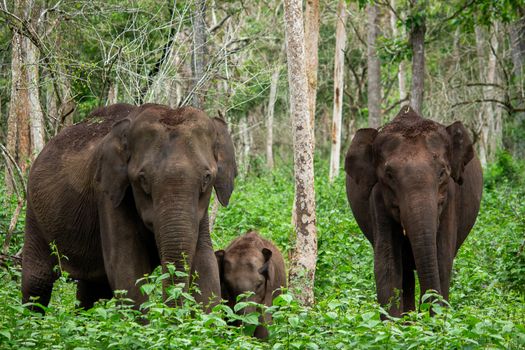
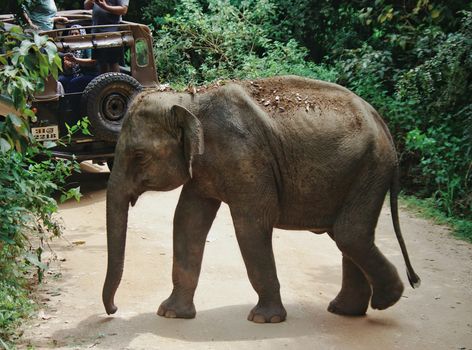
What to Expect: Jeep safaris are the standard here. While leopards are the main draw, Yala is also home to a significant population of Sri Lankan elephants, sloth bears, wild water buffalo, sambar deer, crocodiles, and an incredible variety of birdlife. The landscapes are surprisingly varied and beautiful, offering fantastic photographic opportunities. The sheer thrill of knowing a leopard could be watching you from any shadow is intoxicating.
Practical Pointers:
- Best Time to Visit: Yala is best visited between February and June when the dry season makes animals more visible. However, it can get crowded during peak periods. Wilpattu is good from May to September.
- Booking: Pre-book your jeep and guide, especially if visiting during peak season. Many hotels near the park gates can arrange this for you.
- Cost: Park entrance fees are around $25-30 USD per person, and a private jeep for a half-day safari typically costs $40-60 USD (excluding guide tips). Factor in accommodation costs separately.
- Ethical Tourism: Choose operators who respect park rules, maintain distance from animals, and avoid off-roading. Early morning and late afternoon drives are generally best for sightings.
---
4. Borneo: Orangutan Encounters & Rainforest Magic – A Primate Paradise
The humidity was thick, the air alive with the chirping of unseen insects. We trekked deeper into the dense rainforest, the only sounds our footsteps and the distant calls of hornbills. Suddenly, our guide stopped, pointing skyward. High above, a flash of shaggy ginger fur, and there she was – a majestic orangutan, swinging effortlessly through the canopy, her baby clinging tightly to her belly. It was a moment of profound connection, a stark reminder of the wild beauty we must protect.
The island of Borneo, shared by Malaysia, Indonesia, and Brunei, is a biodiversity hotspot, famous for its ancient rainforests and incredible array of unique wildlife. For those seeking an ethical and immersive primate safari, Borneo is unparalleled, especially for its "men of the forest," the orangutans.
Where to Go:
- Sepilok Orangutan Rehabilitation Centre, Sabah, Malaysian Borneo: Offers a chance to see semi-wild orangutans up close during feeding times. It's a fantastic educational experience.
- Kinabatangan River, Sabah, Malaysian Borneo: The best place to see wild orangutans, proboscis monkeys, pygmy elephants, and a host of other wildlife from riverboats.
- Danum Valley Conservation Area, Sabah, Malaysian Borneo: A pristine, primary rainforest for more intrepid travelers, offering luxury jungle lodges and incredible trekking for wild encounters.
What to Expect: Safaris here involve a mix of river cruises, jungle treks, and canopy walks. The Kinabatangan River is particularly rewarding, with boat trips revealing proboscis monkeys with their distinctive noses, macaques, hornbills, and even wild orangutans and Borneo pygmy elephants if you’re lucky. At Sepilok, you’ll witness the incredible work of rehabilitation and see orangutans learning to forage in their natural habitat.
Practical Pointers:
- Best Time to Visit: Generally good year-round, but the drier months (March to October) are often preferred for trekking.
- Booking: For river safaris and jungle lodges (especially Danum Valley), book well in advance through a reputable tour operator.
- Cost: A 3-day/2-night Kinabatangan River package can range from $300-$700+ USD per person, including accommodation, meals, and guided tours. Sepilok entrance is around $8 USD. Danum Valley is a luxury experience, often $1,000+ USD per night.
- Ethical Considerations: Always choose tour operators and lodges committed to sustainable tourism and conservation. Avoid any facility that allows direct contact with orangutans or other primates in an unethical manner.
---
5. Indonesia: Komodo & Rinca Islands – A Date with Dragons
The ranger, his forked stick held aloft, led us through the dry, sparse landscape. The air was heavy, the heat intense. Then, motionless in the shade of a tree, a prehistoric beast. The Komodo Dragon. Its scales were like armor, its powerful tail a weapon, and its long, forked tongue flicked out, tasting the air. It was a chilling, yet utterly captivating encounter with a creature from another time.
Komodo National Park in Indonesia is home to the world's largest living lizard, the Komodo Dragon. This unique safari experience is less about tracking big game in a jeep and more about guided treks through rugged islands to witness these magnificent, ancient predators in their natural habitat.
Where to Go:
- Komodo Island and Rinca Island: These are the primary islands within Komodo National Park where you can embark on guided treks to see the dragons. Rinca often offers more frequent sightings due to its smaller size.
What to Expect: Your adventure typically begins with a boat trip from Labuan Bajo (Flores Island), cruising through stunning turquoise waters dotted with volcanic islands. Once on Komodo or Rinca, you'll be accompanied by a park ranger (mandatory!) who will lead you on a trek through the dry savanna and forest. Beyond the dragons, you might spot wild deer, buffalo, monkeys, and a variety of birds. The surrounding marine park is also incredible for snorkeling and diving, adding another dimension to your "safari."
Practical Pointers:
- Best Time to Visit: April to December, with the dry season (June to September) offering excellent weather for island hopping and trekking.
- Booking: Book a multi-day boat tour from Labuan Bajo. These tours typically include visits to Komodo/Rinca, snorkeling spots, and sometimes Padar Island for incredible panoramic views.
- Cost: A 3-day/2-night boat trip from Labuan Bajo, including park fees, ranger fees, accommodation on the boat, and meals, can range from $200-$600+ USD per person, depending on the boat's luxury. Park entrance and ranger fees are around $30-40 USD per person per island visit.
- Safety First: Always follow your ranger's instructions. Komodo Dragons are wild, powerful predators. Wear sturdy closed-toe shoes and stay with your group.
---
Your Non-African Safari Adventure: Essential Planning Tips
Before you pack your bags and set off for these incredible, under-the-radar safaris, here are some general tips to ensure a smooth, unforgettable, and responsible adventure:
- Research, Research, Research: Each destination is unique. Understand the local customs, specific wildlife viewing seasons, and logistical challenges.
- Go with a Reputable Operator: Especially for remote destinations like the Pantanal or Danum Valley, a well-vetted tour operator or lodge is essential for safety, logistics, and ethical practices. Look for certifications in sustainable tourism.
- Embrace the Off-Season (Sometimes): While peak dry seasons often offer the best sightings, shoulder seasons can provide fewer crowds and lush landscapes, sometimes with unique wildlife behaviors. Research what each season offers.
- Pack Smart & Light:
- Camera Gear: A good DSLR or mirrorless camera with a telephoto lens (200mm+) is a must. Don't forget extra batteries and memory cards!
- Binoculars: Indispensable for spotting distant wildlife.
- Clothing: Light, breathable, quick-drying clothing in neutral colors. Long sleeves and pants are good for sun and insect protection.
- Insect Repellent: A non-negotiable for tropical climates.
- Sun Protection: Hat, sunglasses, high-SPF sunscreen.
- First-Aid Kit: Basic medications, antiseptic wipes, blister plasters.
- Budget Beyond the Basics: Factor in flights, visas, travel insurance, tips for guides/drivers, and any personal expenses. While some of these can be more affordable than African safaris, they are still significant trips.
- Be Patient & Respectful: Wildlife viewing requires patience. Animals are not on a schedule. Always maintain a respectful distance, avoid making loud noises, and never attempt to feed or interact with wild animals. Your presence should have minimal impact.
- Support Local Communities: Choose operators that employ local guides, source local produce, and contribute to conservation efforts. Your travel choices can make a huge difference.
---
The Call of the Wild, Beyond the Expected
Stepping away from the traditional safari narrative opens up a world of discovery. These non-African safari experiences are not just alternatives; they are unique adventures in their own right, offering distinct landscapes, incredible biodiversity, and often, a more intimate connection with the wild. From the thrilling pursuit of a tiger in India to the quiet majesty of a jaguar in the Pantanal, the elegant stealth of a Sri Lankan leopard, the heartwarming sight of orangutans in Borneo, or the prehistoric awe of Komodo Dragons, these journeys promise memories that will last a lifetime.
The world is vast, and its wild corners are calling. Don't wait until these incredible destinations become the next big thing. Be a pioneer. Be an explorer. Unearth these secret safaris and experience the magic before everyone else does.
Which non-African safari will you embark on first? Share your wild dreams in the comments below, and let's inspire each other to explore beyond the familiar!
---