We’ve all been there: standing elbow-to-elbow with hundreds of other tourists, craning our necks for a glimpse of that famous landmark. The iconic photo captured, the box ticked, but often, something feels… missing. A true connection, perhaps? A moment of unadulterated peace?
For years, my travel philosophy revolved around the "must-sees." But then, one sweltering afternoon in Rome, utterly exhausted and overwhelmed by the throngs around the Colosseum, I stumbled into a small, unassuming archway. What lay beyond wasn't grand or famous, but it was, without exaggeration, life-changing. It was a secret garden, a forgotten whisper of green, and it ignited a passion that has since redefined every journey I take.
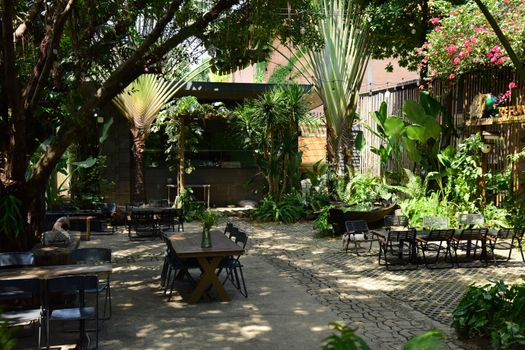
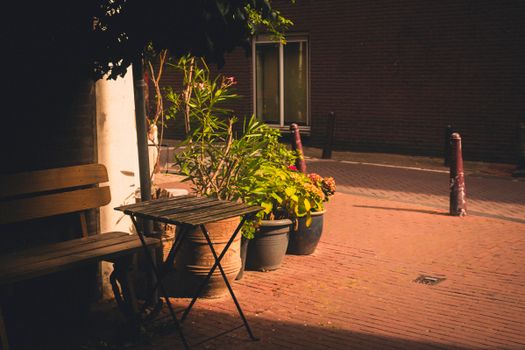
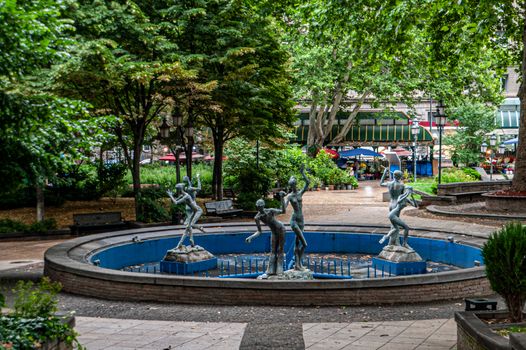
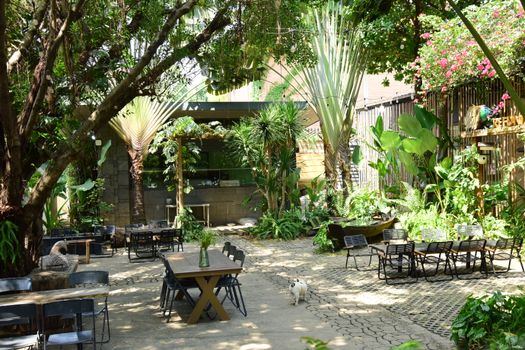
These aren't the meticulously curated, ticketed botanical gardens you queue for. These are the urban oases, the forgotten courtyards, the tiny pockets of wild beauty that exist in plain sight, hidden by habit, overlooked by haste. They are the guardians of quiet, the sanctuaries of serendipity, and once you start looking, they appear everywhere. And trust me, finding them will change your life forever.
The Allure of the Unseen: Why Secret Gardens Hold the Key to Deeper Travel
There’s an undeniable magic to discovery, especially when it feels like you've unearthed a treasure no one else knows about. In a world saturated with information, where every "hidden gem" is often just a Google search away, true secret gardens offer an unparalleled sense of intimacy and authenticity.
Unlike their famous counterparts, these clandestine green spaces aren't designed for mass appeal. They often evolve organically, maintained by dedicated locals, or simply exist as resilient pockets of nature reclaiming urban forgotten zones. This lack of fanfare is precisely their charm. You won't find souvenir shops or selfie sticks dominating the landscape. Instead, you'll find quiet contemplation, the hum of bees, the rustle of leaves, and the genuine pulse of a city taking a breath.
For me, stepping into a secret garden is like stepping into another dimension. The noise of the city fades, replaced by birdsong. The hurried pace slows, inviting you to simply be. It’s a profound moment of mindfulness that grounds you, reminding you of the beauty and resilience of nature, even amidst concrete jungles. This isn't just about seeing a pretty place; it's about feeling a pretty place, letting its serenity wash over you, and emerging refreshed, with a renewed sense of wonder.
My First Epiphany: The Whispering Walls of Covent Garden Cloister, London
My journey into the world of secret gardens began not with a grand quest, but with pure, unadulterated exhaustion. It was a chaotic summer afternoon in London. Covent Garden was a symphony of street performers, chattering crowds, and the relentless energy of a global city. I loved it, but I was spent. My phone battery was dying, my feet ached, and I just needed a moment of silence.
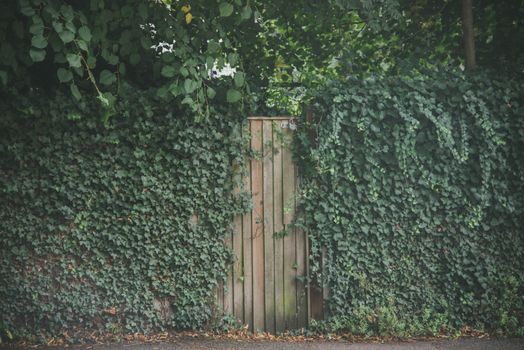
I ducked down a narrow alleyway, hoping to find a less crowded path, and there it was: an unassuming archway, almost hidden behind a bustling pub. Through it, a small, cobbled courtyard opened up, framed by ancient brick walls draped in ivy. This was the Covent Garden Cloister – not an official name, but what I've always called it.
Location: Tucked away just off Henrietta Street, near St. Paul's Church, accessible via a small archway next to a pub. Cost: Free. Vibe: A medieval whisper in a modern city. Stone benches, a small, bubbling fountain, climbing roses, and potted herbs. The air was noticeably cooler, the sounds of Covent Garden muted to a distant hum.
I sank onto a cool stone bench, pulled out my half-eaten sandwich, and just breathed. For twenty glorious minutes, I was utterly alone, save for a few sparrows pecking at crumbs. The sunlight filtered through the leaves, dappling the ancient stones. It felt like I had stepped back in time, into a forgotten corner where the city’s frenetic energy couldn’t reach. It wasn't just a break; it was a reset. I left feeling lighter, clearer, and with a spark of curiosity: if this existed, what else was hiding?
Instagram-worthy Moment: Capture the contrast – the ancient ivy-clad walls against a vibrant potted flower, or a close-up of the delicate moss growing between cobblestones, hinting at the passage of time.
A Pocket of Peace in the Urban Jungle: Il Giardino Segreto del Colle Oppio, Rome
That Covent Garden experience planted a seed, but it was in Rome that it truly blossomed. As I mentioned earlier, the Roman heat and crowds had pushed me to my limit. I was near the Colosseum, feeling tourist-fatigued, when I noticed a faint, overgrown path leading off the main road up Colle Oppio (Oppian Hill). It looked like nothing special, just a patch of scrubland. But a tiny, almost invisible sign, faded by sun and time, hinted at "Giardino Nascosto" – Hidden Garden.
Location: On the slopes of Colle Oppio, just behind the Colosseum, accessible via several discreet, overgrown paths. Look for subtle entrances near Parco del Colle Oppio. Cost: Free. Vibe: Wild, romantic, and steeped in history. Ancient Roman ruins peek out from thickets of wildflowers, cypress trees stand sentinel, and the air is fragrant with rosemary and jasmine. You can still see fragments of the Domus Aurea walls.
This wasn't a manicured garden; it was nature reclaiming history. Wild poppies bloomed amongst crumbling brickwork, lizards darted across sun-warmed stones, and from a certain vantage point, you could see the Colosseum framed by olive trees, completely devoid of the usual crowds. I spent hours there, sketching in my journal, reading, and simply absorbing the profound sense of peace. It felt like I was privy to Rome's most intimate secrets, a quiet dialogue between ancient stones and tenacious nature. It was here that I truly understood that some of the most profound beauty isn't about perfection, but about resilience and unexpected harmony.
Instagram-worthy Moment: Frame the Colosseum through a canopy of olive trees, or capture the vibrant wildflowers bursting from ancient ruins – a testament to nature's enduring spirit.
Beyond the Gates: Ryuu-en – The Dragon Garden, Kyoto
My quest for secret gardens led me far east, to the meticulously planned beauty of Kyoto. While the city boasts countless famous temples and gardens, I was determined to find something truly off the beaten path. Through a conversation with a local tea merchant, I learned about Ryuu-en, "The Dragon Garden."
Location: Tucked behind a small, family-run tea house in the Gion district, a few blocks off Shijo Avenue. You have to ask the tea house owner, Mr. Tanaka, if you can view it. Cost: A small donation (usually 300-500 JPY, about $2-3 USD) is appreciated, or simply buy a cup of tea. Vibe: A classic Japanese dry landscape (karesansui) garden, miniature in scale but immense in impact. Raked gravel representing water, carefully placed rocks as islands, and a single, ancient pine tree. It exudes tranquility and deep contemplation.
Mr. Tanaka’s tea house was unassuming, a blink-and-you-miss-it storefront. After enjoying a sublime matcha, I hesitantly asked about "Ryuu-en." He smiled, nodded, and led me to a small sliding door at the back. Behind it was a space no larger than a living room, but perfectly crafted. The raked gravel formed gentle waves around moss-covered stones, and the ancient pine seemed to breathe wisdom. It was a masterpiece of minimalism, designed for meditation.
I sat there for what felt like an eternity, sipping my tea, watching the sunlight shift across the gravel. There was no grand vista, no dramatic waterfall, just profound stillness. It taught me that sometimes, the most powerful experiences come from the smallest, most intentional spaces. It wasn't just a garden; it was a philosophy, a living meditation. I left feeling not just rested, but deeply centered, carrying a piece of that quiet wisdom with me.
Instagram-worthy Moment: A minimalist shot focusing on the raked gravel and a single mossy stone, capturing the essence of Zen. Or a photo of your hands gently holding a cup of matcha, with the garden blurred softly in the background.
The Art of Seeking: How to Find Your Own Secret Sanctuary
You don't need a seasoned travel blogger to point you to every secret garden. The real magic lies in discovering them yourself. Here’s how you can cultivate your own knack for finding these hidden gems:
- Look Up, Look Down, Look Sideways: The obvious is rarely the secret. Instead of focusing on the main street, peer down alleys, through archways, and into courtyards. Many gardens are simply the private spaces of apartment blocks or businesses, often accessible if you're discreet and respectful.
- Ask the Locals (the Right Ones): Don't ask a tour guide. Ask a shopkeeper, a barista, an elderly person sitting on a bench, or someone walking their dog. Start with: "I'm looking for a quiet place to read/relax, do you know anywhere beautiful and not too crowded?" Be specific about your desire for peace, not just "something to see."
- Utilize Google Maps (with a Twist): Zoom in really close on green patches that don't have a clear name or attraction label. Switch to satellite view. Look for unusual layouts, dense foliage, or courtyards within building blocks. Cross-reference with street view to see if there are any accessible entrances.
- Embrace Serendipity: Sometimes, the best way to find a secret garden is not to look for it at all. Simply wander. Let your feet guide you down an intriguing street. Follow a flash of green you catch in your peripheral vision. Be open to getting a little lost.
- Check Local Community Boards/Blogs: Many cities have local community groups or lesser-known blogs that highlight neighborhood gems, including small community gardens or privately maintained green spaces that occasionally open to the public.
- Visit During Off-Peak Hours: Even slightly more known "secret" spots can become crowded. Early mornings or late afternoons, especially on weekdays, offer the best chance for solitude.
- Respect the Space: These are often private or community spaces. Be quiet, don't litter, don't pick flowers, and if there are signs, respect them. Leave no trace but your peaceful footprint.
Cultivating Your Inner Garden: The Transformative Power
Beyond the aesthetic beauty and the thrill of discovery, secret gardens offer something far more profound: a space for introspection and personal growth. In our hyper-connected, fast-paced world, these pockets of quiet force us to slow down. They encourage mindfulness, inviting us to engage our senses – the scent of damp earth, the feel of rough bark, the sound of leaves rustling, the sight of sunlight dappling through branches.
Each time I've found one of these hidden havens, it hasn't just been a break from sightseeing; it's been a mental reset. They've taught me to:
- Appreciate the Small Things: The intricate beauty of a single fern, the resilience of a wildflower pushing through concrete.
- Embrace Serendipity: That the best discoveries often come when you least expect them, when you let go of rigid plans.
- Find Peace Within Chaos: That even in the busiest cities, moments of profound tranquility are possible if you know where (and how) to look.
- Reconnect with Nature: A vital antidote to screen time and urban living, reminding us of our intrinsic connection to the natural world.
These gardens have reshaped how I travel, how I observe, and how I connect with the world around me. They've shifted my focus from ticking off landmarks to truly experiencing a place, its hidden rhythms, and its quiet whispers.
Budgeting for Bliss: Making Secret Gardens Accessible
One of the most wonderful aspects of seeking out secret gardens is that they are almost universally free or require only a very small, optional donation. This makes them an incredible resource for budget travelers looking for authentic, enriching experiences without breaking the bank.
Instead of spending €20 on a crowded museum, you can spend an entire afternoon in a hidden courtyard, sketching, reading, or simply meditating, for the cost of a single coffee or a packed lunch. It’s a sustainable, affordable, and incredibly rewarding way to travel, allowing you to stretch your budget further while deepening your connection to the destination. Embrace the free beauty that exists, often just a stone's throw from the most expensive attractions.
Your Journey to Serenity Starts Now
My adventures in seeking secret gardens have fundamentally changed my life, offering moments of profound peace and unexpected beauty that no guidebook could ever capture. They've taught me to look beyond the obvious, to trust my intuition, and to appreciate the quiet resilience of nature and history intertwined.
So, on your next adventure, I challenge you: put down your guidebook, turn off your GPS for a moment, and let your curiosity lead you down an unfamiliar path. Look for that unassuming archway, that forgotten gate, that whisper of green. You might just stumble upon your own secret sanctuary, a hidden garden that will not only offer you a moment of peace but will change the way you see the world forever.
What secret garden have you stumbled upon that left an indelible mark? Share your stories and inspire fellow travelers to seek out their own moments of quiet magic!