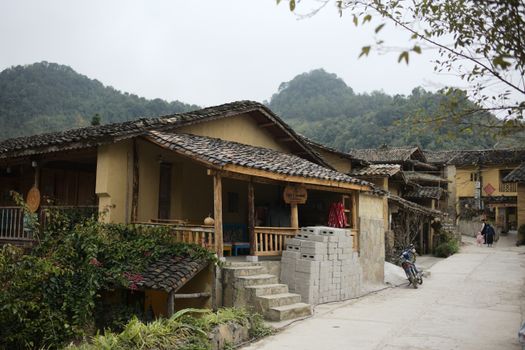
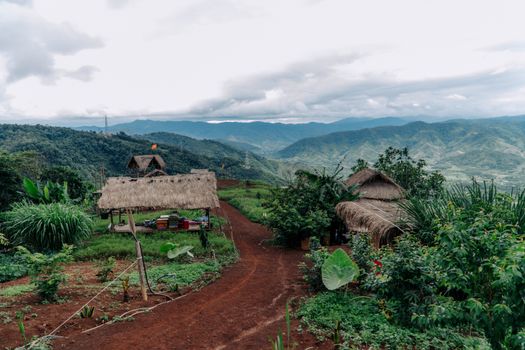
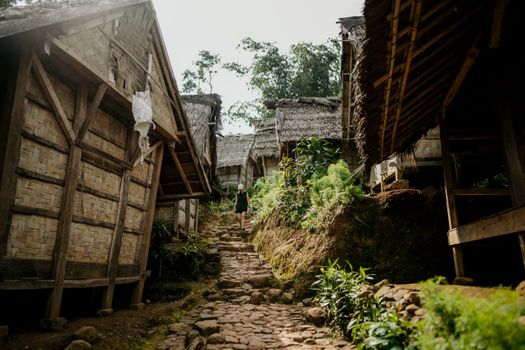
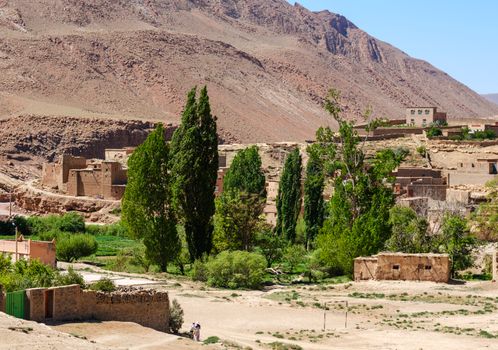
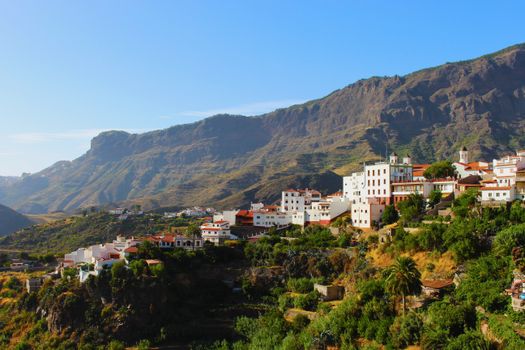
(Featured Image: A cobblestone path winding through a sun-drenched European village, ancient stone houses with flower boxes, a lone figure (the blogger) looking contemplative, perhaps with a rustic backpack, mist-kissed mountains in the background. Or, a similar scene from a Himalayan village with prayer flags.)
The Echo of Silence: My Journey to Villages Where Time Stopped 100 Years Ago
The hum of my laptop was a constant companion, the glow of my phone a perpetual siren call. My calendar was a battlefield of deadlines, my inbox an endless abyss. Sound familiar? I was living the dream – or so I thought – a successful career, a bustling city life, all the 'conveniences' modern society promised. Yet, beneath the veneer of achievement, a gnawing emptiness persisted. My soul felt like a parched desert, craving something real, something profound, something… silent.
I’d seen the Instagram feeds, the polished travel guides, the curated experiences. But I wasn't looking for a vacation; I was looking for an escape, a reset. I started dreaming of places where the internet was a myth, where time wasn't measured in milliseconds but in seasons, where life unfolded at the rhythm of the sun and the earth. I was chasing a whisper, a hunch that somewhere, out there, were villages where time literally stopped 100 years ago, and that finding them might just change my life forever. And boy, did they.
Section 1: The Unbearable Lightness of Being – Why I Chased the Past
My journey began not with a flight booking, but with a deep dive into my own dissatisfaction. The digital age, while connecting us globally, often disconnects us from ourselves and our immediate surroundings. I felt a profound sense of urgency to reclaim simplicity, to understand what true human connection felt like without the filter of a screen. I yearned for authenticity, for stories told around crackling fires, for food grown and prepared by hand, for the wisdom of generations etched into weathered faces.
The idea of "villages where time stopped" wasn't about romanticizing poverty or hardship. It was about finding communities that had, by choice or circumstance, preserved a way of life deeply rooted in tradition, self-sufficiency, and communal bonds. These were places where the pace of life wasn't dictated by quarterly reports or trending hashtags, but by the rising sun, the changing weather, and the needs of the community. I researched tirelessly, poring over obscure travel forums, old anthropological texts, and even asking seasoned backpackers for their best-kept secrets. I wasn't looking for a tourist attraction; I was looking for a portal.
Actionable Tip: If you're feeling the same pull, start by asking yourself: what truly makes you feel alive? For me, it was the thought of disconnecting, embracing the unknown, and learning from cultures vastly different from my own. Look for regions known for their remoteness, traditional crafts, and strong community structures. The Balkans, parts of the Himalayas, and remote pockets of Central and South America are good starting points.
Section 2: Whispers in the Dolomites – "San Pietro al Silenzio," Italy
My first true immersion took me to a tiny, almost mythical hamlet nestled deep in the Italian Dolomites, a place I've affectionately dubbed "San Pietro al Silenzio" (Saint Peter of Silence). Getting there was an adventure in itself. After a series of regional trains and a rickety local bus that seemed to defy gravity on winding mountain roads, I was met by Marco, a local farmer, with his ancient Fiat Panda. The last stretch was a bumpy dirt track, leaving behind the last vestiges of cellular signal.
San Pietro was a cluster of ancient stone houses, their wooden balconies overflowing with vibrant geraniums, clinging to a steep hillside. The air, crisp and pine-scented, was filled only with the distant clang of cowbells and the murmur of a mountain stream. There was no internet, no TV, just the rhythmic ebb and flow of village life. My homestay, with Nonna Elara, felt like stepping into a sepia-toned photograph. Her kitchen, warm and fragrant with simmering sauces, became my sanctuary.
Personal Anecdote: On my first evening, I watched Nonna Elara roll pasta by hand, her movements precise and practiced, honed over eight decades. She spoke no English, and my Italian was rudimentary, but we communicated through gestures, smiles, and the universal language of food. That night, eating her simple, divine ragu with freshly baked bread, I felt a contentment I hadn't experienced in years. The cost? Around €30 a night for room and board, including three meals. It was a fraction of what I'd spend on a single restaurant meal back home.
Practical Tip: When visiting such villages, always arrange accommodation in advance, preferably through local contacts or small, ethical tour operators who focus on community-based tourism. This ensures your money directly benefits the villagers. Learn a few basic phrases in the local language – a simple "hello," "thank you," and "please" goes a long way. Be prepared for basic amenities; hot water might be scarce, and electricity intermittent. Pack layers, a good book, and an open mind.
Section 3: Himalayan Hearth – The Spirit of "Chorten Lung," Nepal
From the sun-drenched Alps, my journey took me to the breathtaking, windswept landscapes of the Himalayas. After a challenging multi-day trek from Lukla, past bustling tea houses and suspension bridges, I arrived at "Chorten Lung," a small Sherpa village perched precariously at 4,000 meters in a remote valley. Here, time wasn't just slow; it felt ancient, imbued with a spiritual resonance that permeated every stone, every prayer flag.
Life in Chorten Lung revolved around subsistence farming, yak herding, and deep Buddhist traditions. The houses, built from stone and wood, were adorned with colorful prayer flags fluttering against the impossibly blue sky. The villagers, with their warm smiles and weathered hands, exuded a quiet strength and profound contentment. I stayed with a family, sharing their hearth, their simple meals of dal bhat (lentil soup and rice), and their stories.
Personal Anecdote: One afternoon, I sat with Ama (mother) Tsering, spinning yak wool by hand while she recounted tales of her ancestors, of snow leopards, and of the sacred mountains that surrounded us. There was no need for grand pronouncements; her life, her resilience, her unwavering faith in the cycles of nature, were lessons in themselves. The children, rosy-cheeked and bright-eyed, played with stones and sticks, their laughter echoing through the valley – a stark contrast to the screen-addicted kids back home. The raw beauty of the landscape and the genuine warmth of the people filled me with an indescribable peace.
Practical Tip: Trekking to remote Himalayan villages requires preparation. Hire a local guide and porter – this not only ensures your safety but also provides vital income to the community. Pack sturdy hiking boots, warm clothing (even in summer, nights are cold), a first-aid kit, and a water purification system. Be respectful of local customs: always ask permission before taking photos, dress modestly, and remove your shoes before entering homes or monasteries. Consider bringing small, useful gifts like pens or notebooks for the children (avoid candy). Budget around $20-40 a day for guides/porters and basic accommodation/food.
Section 4: The Rhythm of Real Life – What I Learned from Daily Grind
What struck me most in both San Pietro and Chorten Lung was the sheer physicality of daily life. There were no machines to automate tasks, no quick fixes. Water was fetched from the well or stream, wood was chopped for fire, food was cultivated, harvested, and prepared by hand. This wasn't grueling in a depressing way; it was grounding.
I found myself helping in the fields in Italy, learning to milk goats, and joining the women in Nepal to grind barley for flour. My hands, accustomed to keyboards, ached, but my mind felt clearer than it had in years. The simple act of contributing, of being part of a collective effort with a tangible outcome, was incredibly satisfying. I learned to appreciate the rhythm of the seasons, the effort behind every meal, the value of communal support.
Actionable Advice: Embrace the manual. Don't just observe; ask if you can help. Whether it's stirring a pot, collecting firewood, or tending to animals, participating connects you to the local way of life in a profound way. This isn't just about cultural immersion; it's about reconnecting with the fundamental human experience of creation and sustenance. Leave your expectations of 'service' at the door and be a participant, not just a guest.
Section 5: Beyond the Digital Divide – Reconnecting with Myself
The absence of constant connectivity was, initially, jarring. My fingers instinctively reached for my phone, only to find no signal, no notifications, no endless scroll. The silence forced me inward. I spent hours journaling, observing, simply being. I watched the clouds drift across the mountains, listened to the wind whisper through ancient trees, felt the warmth of the sun on my skin.
Without the constant external stimulation, my own thoughts, long buried under the noise of modern life, began to surface. I reconnected with my intuition, my creativity, my sense of wonder. I started to notice the intricate patterns in a spiderweb, the subtle changes in light, the distinct calls of different birds. It was as if my senses, dulled by urban life, were reawakening. I discovered a profound sense of self-reliance and inner peace. This wasn't just a digital detox; it was a soul cleanse.
Practical Tip: Before you go, set clear intentions for your digital detox. Inform friends and family you'll be largely unreachable. Pack a physical journal and a pen, a good book, and perhaps some art supplies. Use the quiet moments for reflection, meditation, or simply observing your surroundings. Don't try to fill every moment; allow for boredom, for it is often in these spaces that true insights emerge.
Section 6: The Unseen Threads – Humanity's Enduring Spirit
Beyond the personal revelations, these villages offered a powerful lesson in human resilience and community. In San Pietro, neighbors helped each other with harvests, shared childcare, and gathered for evening stories. In Chorten Lung, entire families worked together to maintain their homes and fields, and religious ceremonies brought everyone together, reinforcing their shared identity and faith.
These communities, despite their lack of modern amenities, were rich in something far more valuable: connection. They understood interdependence, the strength of collective effort, and the importance of preserving their heritage. Their lives were not easy, but they were full – full of purpose, of shared laughter, of deep-rooted traditions. I witnessed a profound happiness that wasn't dependent on material possessions but on strong relationships and a sense of belonging.
Shareable Insight: In a world increasingly fragmented, these villages remind us of humanity's enduring need for connection, community, and a shared purpose. Their wisdom lies not in technology, but in the timeless values of cooperation, respect for nature, and the power of human spirit.
Section 7: The Echoes That Linger – My Life, Reimagined
Returning home was a strange experience. The city felt louder, faster, more chaotic than ever before. But I was different. The silence of the mountains, the warmth of the hearths, the wisdom of the villagers – they had woven themselves into the fabric of my being.
I've learned to integrate the lessons. My phone now has boundaries, my calendar breathes, and I actively seek moments of quiet contemplation. I prioritize experiences over possessions, authentic connections over superficial interactions. I cook more, spend more time in nature, and actively seek out local, artisanal products, supporting communities that value traditional ways. My life didn't stop, but it certainly slowed down, became more intentional, more meaningful.
The villages where time stopped 100 years ago didn't just offer a glimpse into the past; they offered a roadmap for a richer, more fulfilling present. They taught me that true wealth isn't measured in currency or convenience, but in connection, simplicity, and the profound beauty of a life lived authentically.
---
Are you ready to find your own hidden village? To step off the well-trodden path and discover a world where time unfolds at a different pace? Trust me, the journey will be challenging, uncomfortable at times, but it will be the most profoundly rewarding adventure of your life. It will change you, challenge you, and ultimately, liberate you.
What's your dream 'time-stopped' village? Share your thoughts in the comments below! Let's inspire each other to seek out these priceless pockets of peace.
---