The World is Spinning Too Fast, But These Villages Don't Care
The hum of notifications, the relentless scroll, the endless to-do lists – sometimes, it feels like the modern world is an ever-accelerating treadmill, and we’re all just trying to keep up. I remember one particularly frantic week, staring at my laptop screen, feeling a profound sense of exhaustion, not just physical, but mental. My mind craved silence, my eyes yearned for landscapes untouched by concrete, and my soul longed for a rhythm dictated by the sun, not a Wi-Fi signal.
That’s when I stumbled upon a concept that would change my travel philosophy forever: villages where time stopped 100 years ago. Not just old towns, but living, breathing communities where traditions are fiercely protected, where the pace is set by seasons and community, and where the loudest sound might be a rooster crowing or a blacksmith’s hammer. And guess what? This isn't just a niche fascination anymore. These pockets of the past are becoming some of the most sought-after destinations for travelers yearning for authenticity, connection, and a much-needed digital detox.
Forget fancy resorts and bustling cityscapes. The real trend right now is stepping back in time. Join me as we journey to some of the most captivating villages on Earth, places that will not only transport you to another era but also remind you of what truly matters.
The Allure of the Analog: Why We're Craving the Past
Why are we, in our hyper-connected, tech-driven world, so drawn to places that seem to defy progress? It’s simple: we’re seeking an antidote. The "slow travel" movement isn't just a buzzword; it's a rebellion against fast-paced tourism that leaves you feeling more exhausted than refreshed. These "time-stopped" villages offer:
- Digital Detox: Limited or no Wi-Fi forces you to put down your phone and look up.
- Authentic Cultural Immersion: You're not just observing; you're often participating in age-old traditions.
- Sustainable Travel: These communities often rely on traditional, eco-friendly practices and benefit directly from tourism.
- Mindful Living: The absence of modern distractions encourages presence, reflection, and a deeper appreciation for simple joys.
- A Sense of Connection: With locals, with nature, and with yourself.
What defines a village where time stopped 100 years ago? Think no cars on cobbled streets, only horse-drawn carts or donkeys. Imagine homes built with ancient techniques, passed down through generations. Picture locals engaged in traditional crafts – weaving, pottery, farming – much as their ancestors did. These aren't museum pieces; they're vibrant, living communities offering a glimpse into a world we thought was lost.
Let's embark on our journey to these extraordinary places.
Europe's Hidden Gems: Where Horse Carts Rule & Time Loiters
Europe, often associated with bustling capitals, still guards its secrets. Tucked away in valleys and on islands are villages where the past isn't just remembered, it's lived.
1. Viscri, Transylvania, Romania: A Saxon Fairy Tale
- What makes it timeless: Nestled in the heart of Transylvania, Viscri is a UNESCO World Heritage site famous for its fortified church and well-preserved Saxon architecture. Life here moves at the pace of a horse-drawn cart, which you'll see more often than a car. Traditional crafts like brick-making, charcoal burning, and wool felting are still practiced daily. Prince Charles himself owns a property here, drawn by its untouched beauty and commitment to tradition.
- My Anecdote: I remember waking up in Viscri to the distinct sound of a rooster, followed by the distant clatter of hooves on cobblestones. Stepping outside, the air smelled of woodsmoke and freshly baked bread. An elderly woman sat on her porch, diligently spinning wool, her hands moving with a rhythm that felt centuries old. It was a sensory overload of simplicity, a profound reminder that life doesn't need to be complicated to be rich.
- Practical Tips:
- Getting There: The easiest way is to rent a car from Brasov or Sighisoara (about 1.5-2 hours drive). Public transport is sparse.
- Accommodation: Stay in charming guesthouses (called "pensiuni") run by locals. Expect rustic comfort, delicious home-cooked meals (often included), and incredible hospitality. Prices range from €30-€60 per night for a double room, often including breakfast and dinner.
- Activities: Visit the fortified church (don't miss the panoramic views from the tower!), explore the village on foot or by bicycle, observe local craftsmen, and indulge in traditional Transylvanian cuisine. There's also a small museum showcasing local life.
- Instagram-Worthy: Cobblestone streets, colorful Saxon houses, the imposing fortified church, horse-drawn carts, artisans at work, and the tranquil rural landscapes.
2. Folegandros, Greece: The Unspoiled Cycladic Dream
- What makes it timeless: While Santorini and Mykonos burst with tourists, Folegandros remains a tranquil haven, embodying the authentic Cycladic spirit of a century ago. There are no massive resorts, just charming whitewashed villages, winding donkey paths, and a pace of life dictated by the sun and sea. Chora, the main village, is perched dramatically on a cliff, offering breathtaking views without the crowds.
- My Anecdote: After the ferry ride, the quietude of Folegandros was almost startling. One evening, I sat at a small taverna in Chora, watching the sunset paint the Aegean Sea in fiery hues. The only sounds were the gentle lapping of waves in the distance and the soft murmur of Greek conversations. It was pure, unadulterated bliss – the kind of escape you dream of but rarely find.
- Practical Tips:
- Getting There: Take a ferry from Piraeus (Athens) or nearby Cycladic islands like Santorini or Milos. Book tickets in advance, especially during peak season.
- Accommodation: Guesthouses and small hotels are available in Chora, Karavostasi (the port), and Ano Meria. Expect to pay €60-€120 per night for a double room.
- Activities: Explore Chora's charming alleys and churches, hike to the Panagia church for stunning views, relax on pristine beaches (Agali, Katergo – often reached by boat or hike), and enjoy fresh seafood at local tavernas (€15-€25 per meal). Renting a scooter or ATV is popular for exploring the island.
- Instagram-Worthy: Whitewashed houses with vibrant bougainvillea, narrow labyrinthine streets, iconic blue-domed churches, dramatic cliffside views, and secluded turquoise coves.
Asia's Ancient Echoes: Mountain Sanctuaries & Unique Architecture
From the snow-dusted peaks of Japan to the majestic Himalayas, Asia offers sanctuaries where ancient ways endure.
3. Shirakawa-go, Japan: The Village of Praying Hands
- What makes it timeless: A UNESCO World Heritage site, Shirakawa-go is famous for its unique gassho-zukuri farmhouses – steep, thatched roofs resembling hands clasped in prayer. These architectural marvels, built without nails, are designed to withstand heavy snowfall and provide vast attic space for silkworm cultivation. Life here revolves around agriculture and community, with generations living in the same ancestral homes.
- My Anecdote: Stepping inside one of the gassho-zukuri houses felt like entering a warm, living museum. The central irori (hearth) filled the air with the scent of woodsmoke, and the intricate wooden beams soared upwards. I learned about the families who had lived there for centuries, their lives intertwined with the rhythm of the seasons, the rice paddies, and the silkworms. It was a profound connection to Japan’s rural past.
- Practical Tips:
- Getting There: Take a bus from Takayama or Kanazawa. It's about a 50-minute to 1-hour ride. Advance booking for buses is highly recommended.
- Accommodation: For a truly immersive experience, stay overnight in a minshuku (traditional guesthouse) in one of the farmhouses. This often includes dinner and breakfast. Prices range from ¥10,000-¥20,000 (approx. €80-€150) per person per night.
- Activities: Explore the village on foot, visit the Gassho-zukuri Minkaen Open-Air Museum, climb to the Shiroyama Viewpoint for iconic photos, and learn about the unique architecture and local history.
- Instagram-Worthy: The iconic thatched-roof farmhouses, especially stunning in winter with snow, lush green rice paddies in summer, the traditional interiors, and panoramic views from the viewpoint.
4. Ghandruk, Nepal: Heart of the Annapurna Foothills
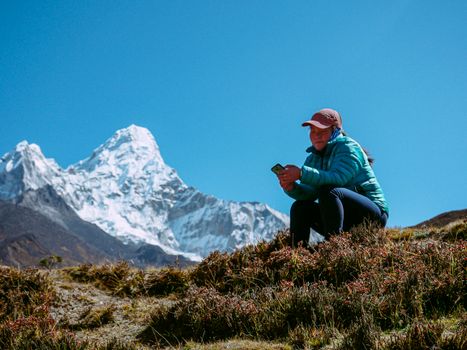
- What makes it timeless: Perched high in the Annapurna Conservation Area, Ghandruk is a traditional Gurung village that offers a breathtaking glimpse into Himalayan life. Stone houses, terraced fields, and the majestic backdrop of Annapurna South and Machapuchare define this car-free village. Life here is simple, centered around agriculture, trekking, and community bonds, much as it has been for centuries.
- My Anecdote: The sunrise from Ghandruk was one of the most spiritual moments of my life. As the first rays of light kissed the snow-capped peaks of Annapurna South, turning them golden, I sipped warm chai with a local family. The air was crisp, filled with the gentle rustle of prayer flags and the distant sound of yak bells. It was a powerful reminder of nature's grandeur and the resilience of human spirit.
- Practical Tips:
- Getting There: Ghandruk is a popular stop on the Annapurna Base Camp or Poon Hill treks. You can trek directly from Nayapul (accessible by taxi/bus from Pokhara) or take a jeep closer to the village for a shorter hike.
- Accommodation: Stay in local teahouses. Basic but comfortable, they offer stunning views. Prices are incredibly affordable, around €5-€10 per night for a room, with meals costing an additional €10-€20 per day.
- Activities: Trekking, interacting with the friendly Gurung people, visiting the Gurung Museum to learn about their culture, and simply soaking in the unparalleled Himalayan views.
- Instagram-Worthy: Panoramic views of the Annapurna range, traditional stone houses, terraced fields, colorful prayer flags, and authentic village life against a dramatic mountain backdrop.
Americas & Africa: Indigenous Heritage & Desert Oases
From the ancient traditions of the Andes to the timeless landscapes of the Atlas Mountains, these villages offer unique cultural tapestries.
5. Taquile Island, Lake Titicaca, Peru: Weaving Stories
- What makes it timeless: Taquile Island, a serene gem on the Peruvian side of Lake Titicaca, is home to a Quechua-speaking community renowned for its exquisite, intricate textiles, recognized as a UNESCO Masterpiece of the Oral and Intangible Heritage of Humanity. There are no cars, no hotels (only homestays), and a strict communal way of life governed by Inca principles. The men are the weavers, and their hats signify their marital status.
- My Anecdote: The moment our boat approached Taquile, I felt a distinct shift in pace. The air was thin, the lake a brilliant blue, and the island's terraced fields seemed to climb endlessly. Staying with a local family, I was mesmerized by their weaving, a language in itself. That night, under a sky ablaze with stars, disconnected from the world, I felt a profound sense of peace and connection to ancient traditions.
- Practical Tips:
- Getting There: Take a public or tourist boat from Puno, Peru. The journey takes about 2.5-3 hours. Day trips are common, but an overnight homestay is highly recommended.
- Accommodation: Homestays with local families are the only option, providing a truly immersive experience. Expect basic but comfortable rooms and delicious, simple meals. Prices for a homestay with meals range from €20-€40 per person per night.
- Activities: Hike across the island, learn about the weaving traditions, buy textiles directly from the artisans, and enjoy the stunning views of Lake Titicaca.
- Instagram-Worthy: Vibrant textiles, deep blue waters of Lake Titicaca, traditional Quechua attire, ancient agricultural terraces, and stunning sunsets over the world's highest navigable lake.
6. Imlil, High Atlas Mountains, Morocco: Berber Heartbeat
- What makes it timeless: Imlil, a picturesque Berber village in the High Atlas Mountains, serves as the gateway to Mount Toubkal, North Africa's highest peak. While it's a popular trekking hub, the actual village and surrounding hamlets retain a strong traditional character. Life here is dictated by the mountains, with mule trains ferrying goods, terraced fields clinging to slopes, and the warm hospitality of the Berber people.
- My Anecdote: After the bustling chaos of Marrakech, arriving in Imlil was like a breath of fresh, crisp mountain air. I embarked on a mule trek up a narrow valley, the only sounds being the clip-clop of hooves and the chirping of birds. Stopping for mint tea at a local guesthouse, I looked out over the terraced fields and traditional mud-brick homes. The call to prayer echoed across the valley, a timeless sound that grounded me completely.
- Practical Tips:
- Getting There: The easiest way is a "grand taxi" from Marrakech (around 1.5-2 hours, €20-€30 for a shared taxi or more for a private one).
- Accommodation: A range of guesthouses and riads are available, many offering stunning mountain views and traditional Berber hospitality. Prices typically range from €40-€80 per night for a double room with breakfast, often with dinner options available.
- Activities: Trekking (from easy walks to multi-day climbs), exploring the village and surrounding hamlets, experiencing a traditional hammam, and enjoying authentic Berber cuisine. Hiring a local guide for treks is highly recommended.
- Instagram-Worthy: Dramatic mountain landscapes, traditional mud-brick Berber architecture, winding mule trails, terraced fields, and the vibrant colors of Berber rugs and textiles.
Practicalities of Time Travel: Tips for Your Journey
Venturing to these timeless villages requires a slightly different approach than your average city break. Here’s how to make your journey smooth and respectful:
- Embrace the Digital Detox: Wi-Fi might be non-existent or unreliable. See this as an opportunity! Download maps and essential information offline. Bring a book, a journal, or simply enjoy the quiet.
- Respect Local Culture & Traditions: These communities cherish their heritage. Dress modestly, especially in religious sites. Always ask permission before taking photos of people. Learn a few basic phrases in the local language – a simple "hello" or "thank you" goes a long way.
- Support Local Economies: Stay in locally-owned guesthouses, eat at village tavernas, and buy handmade crafts directly from artisans. Your money makes a real difference here.
- Pack Smart & Light: Comfortable walking shoes are a must. Layers are essential as weather can change. A reusable water bottle, a small first-aid kit, and a power bank for your phone (for emergencies/photos) are always good ideas.
- Be Prepared for Basic Amenities: Don't expect five-star luxury. Accommodations might be simple, hot water intermittent, and food choices limited to local specialties. This is part of the authentic experience!
- Getting There & Around: Often, reaching these villages involves local buses, shared taxis, or even a hike. Research transportation options carefully and allow extra time. Once there, you'll likely be exploring on foot, by bike, or with local transport like donkeys or mules.
- Learn a Bit of History: Understanding the background of the village and its people will deepen your appreciation for your surroundings.
- Leave No Trace: Practice responsible tourism. Take all your trash with you, and be mindful of your environmental impact.
Your Time Capsule Awaits
These villages are more than just destinations; they are living testaments to resilience, tradition, and a different way of life. In a world that constantly pushes us forward, they offer a profound opportunity to step back, breathe, and reconnect. They remind us that true richness often lies not in what we accumulate, but in the experiences we gather, the stories we hear, and the quiet moments of genuine connection.
So, which time capsule will you visit first? Will it be the Saxon charm of Viscri, the serene beauty of Folegandros, the architectural wonder of Shirakawa-go, the majestic Himalayas of Ghandruk, the ancient weaves of Taquile, or the rugged heart of Imlil?
Share your thoughts in the comments below! Have you visited a village that felt like it was from another era? We'd love to hear your stories!
---