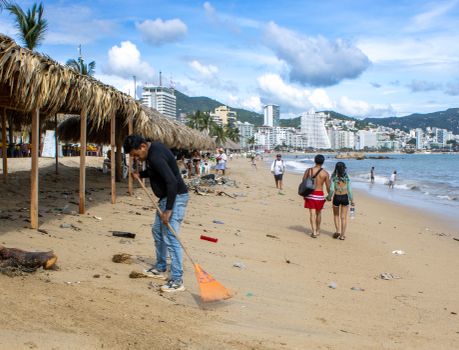
I remember standing on a pristine beach in Southeast Asia, the kind of place you see on postcards, only to notice a plastic bottle bobbing gently in the crystal-clear water. It was a jarring moment, a stark reminder that even paradise isn't immune to the impact of human activity, including tourism. For years, I’d chased sunsets and ticked off bucket list items, but that plastic bottle sparked a question: could my travels do more? Could they actually be a force for good?
That’s when I truly started seeking out eco-tourism, not just as a buzzword, but as a commitment. I wanted to find countries where the concept of "sustainable travel" wasn't just a marketing ploy, but a deep-seated philosophy woven into the very fabric of their tourism industry. I wanted to see the real difference it made – in local communities, in wildlife protection, in the preservation of breathtaking landscapes.
And let me tell you, what I found blew my mind. These aren't just pretty places; they're pioneers, guardians, and innovators. They’re destinations where your travel dollar doesn't just fund your vacation; it actively builds schools, protects endangered species, and empowers local people. If you're ready to travel with purpose, to come home with stories that go beyond your Instagram feed, and to feel like you’ve genuinely contributed to something bigger, then buckle up. These are the countries where eco-tourism makes a real difference that will redefine your travel experience.
1. Costa Rica: The Pura Vida Pioneer of Conservation
When you think of eco-tourism, Costa Rica often springs to mind, and for good reason. This vibrant Central American nation isn't just riding a trend; it invented much of it. With over 25% of its land protected in national parks and reserves, and a goal to be carbon-neutral, Costa Rica exemplifies how tourism can thrive alongside aggressive conservation.
What Makes a Real Difference Here? Costa Rica's commitment to eco-tourism is deeply ingrained in its "Pura Vida" (pure life) philosophy. They've built an entire industry around responsible interaction with nature. Your money directly supports:
- Wildlife Protection: From sloths and monkeys to jaguars and quetzals, the park fees and eco-lodge stays fund the rangers, researchers, and infrastructure needed to protect these incredible creatures and their habitats. I’ve seen firsthand how lodges like Lapa Rios in the Osa Peninsula work tirelessly to reforest land and protect local wildlife corridors, turning former cattle pastures back into thriving rainforests.
- Community Empowerment: Many eco-lodges and tour operators are locally owned, employing staff from nearby villages and investing in community projects. When I visited the Pacuare River, our rafting guide, a local Cabécar indigenous man, explained how tourism provided stable income, allowing his community to maintain their traditions while also accessing education and healthcare.
- Renewable Energy: Costa Rica is a global leader in renewable energy, primarily hydropower, geothermal, solar, and wind. Your stay often contributes to a system that powers itself with minimal fossil fuels.
My Unforgettable Eco-Moment: Staying at a small, off-grid eco-lodge near Monteverde Cloud Forest, I woke up to the sound of howler monkeys and the sight of a vibrant quetzal perched outside my window. The lodge used rainwater harvesting, solar power, and served farm-to-table meals. Our guide, a passionate local biologist, led us through the misty forest, pointing out tiny frogs and rare orchids, explaining the delicate ecosystem and the vital role tourism played in its preservation. It wasn't just a hike; it was an education and a deep appreciation for nature's resilience.
Practical Tips for Your Trip:
- Choose Certified Operators: Look for the Certification for Sustainable Tourism (CST) logo when booking accommodations and tours. It’s a rigorous standard!
- Support Local Guides: Hire local guides who have intimate knowledge of the area and directly benefit from your business.
- Pack Reusables: Bring a reusable water bottle, coffee cup, and shopping bag to minimize waste. Tap water is generally safe to drink.
- Approximate Costs: A good eco-lodge can range from $150-$500+ per night, while tours (ziplining, guided hikes) are typically $40-$100. Park entrance fees are usually $10-$16.
Instagram-Worthy: Sloths peeking from trees, vibrant red-eyed tree frogs, misty cloud forest canopy walks, and the sheer biodiversity of the rainforest.
2. Rwanda: From Tragedy to Transformative Trekking
Rwanda's journey from its tragic past to becoming a beacon of conservation and sustainable tourism is one of the most inspiring stories I’ve witnessed. Often called the "Land of a Thousand Hills," Rwanda has leveraged its incredible natural beauty and its most famous inhabitants – the mountain gorillas – to create a high-value, low-impact tourism model that genuinely transforms lives.
What Makes a Real Difference Here? Rwanda's eco-tourism model is meticulously designed to ensure maximum benefit for conservation and local communities:
- Gorilla Conservation Success: The critically endangered mountain gorillas are at the heart of Rwanda’s eco-tourism. The exorbitant price of a gorilla trekking permit (currently $1500 per person) isn’t just a deterrent to mass tourism; it directly funds anti-poaching efforts, veterinary care, habitat protection, and research. The population of mountain gorillas has steadily increased thanks to these efforts.
- Community Revenue Sharing: A significant portion of gorilla permit fees (10%) is channeled directly into community development projects around Volcanoes National Park. This means new schools, health centers, clean water access, and enterprise development. I saw a tangible difference – a village elder proudly showing me a new community hall built with tourism funds, explaining how it improved their lives.
- Empowering Former Poachers: Through initiatives like the 'Dian Fossey Gorilla Fund' and local organizations, many former poachers have been retrained as park rangers or guides, giving them a vested interest in protecting the animals they once hunted.
My Unforgettable Eco-Moment: The first time I locked eyes with a mountain gorilla in Volcanoes National Park, my breath caught in my throat. It was an intensely emotional experience. But equally impactful was the conversation I had with our guide, Emmanuel. He told me how his father was a former poacher, but now, thanks to tourism, Emmanuel had gone to university and was a passionate conservationist, educating visitors and protecting the gorillas. His story perfectly encapsulated Rwanda’s journey of healing and hope.
Practical Tips for Your Trip:
- Book Permits Early: Gorilla permits are limited and sell out months in advance. Book through the Rwanda Development Board or a reputable tour operator.
- Respect the Rules: Follow all guidelines during trekking (e.g., maintain distance, no flash photography, wear masks). These are crucial for the gorillas' health.
- Support Local Artisans: Purchase crafts from local cooperatives, ensuring your money directly benefits the community.
- Approximate Costs: Gorilla permits are $1500. Guided chimpanzee treks in Nyungwe Forest are around $150. Mid-range accommodation near Volcanoes National Park can range from $200-$500+ per night.
Instagram-Worthy: The misty, emerald mountains, the intense gaze of a silverback gorilla, lush tea plantations, and the vibrant colors of local markets.
3. Palau: Where the Ocean is Sacred and Protected
Imagine a nation so dedicated to marine conservation that it requires every visitor to sign a pledge to protect its environment. Welcome to Palau, an archipelago of over 500 islands in Micronesia, a true pioneer in ocean protection. This tiny nation, smaller than New York City, has an impact on marine conservation that resonates globally.
What Makes a Real Difference Here? Palau's approach to eco-tourism is radical and inspiring:
- The Palau Pledge: Every visitor must sign a pledge stamped into their passport, promising to "tread lightly, act kindly, and explore mindfully." It's not just a gesture; it's a legal commitment. This simple act immediately educates and empowers visitors to be responsible stewards.
- World's First Shark Sanctuary: In 2009, Palau declared its entire Exclusive Economic Zone (an area the size of France) a shark sanctuary, prohibiting all commercial shark fishing. This has had a profound impact on shark populations and the wider marine ecosystem.
- Palau National Marine Sanctuary (PNMS): In 2015, Palau established one of the world's largest fully protected marine reserves, covering 80% of its EEZ. This means no fishing or extractive activities are permitted in this vast area, allowing marine life to flourish and replenish. The remaining 20% is a highly regulated domestic fishing zone.
- Jellyfish Lake Protection: The unique non-stinging golden jellyfish of Jellyfish Lake are a natural wonder. Strict regulations, including a ban on sunscreen that can harm the delicate ecosystem and limited access, ensure their continued survival.
My Unforgettable Eco-Moment: Signing the Palau Pledge at immigration felt like a profound ritual. Later, diving in the Rock Islands Southern Lagoon (a UNESCO World Heritage site), I understood why. The water was impossibly clear, the corals were bursting with color, and sharks, manta rays, and countless fish swam in abundance. It felt like stepping into a perfectly preserved underwater garden. Our dive master was a local woman who spoke passionately about her ancestors' connection to the ocean and her generation's duty to protect it.
Practical Tips for Your Trip:
- Respect the Pledge: Live by the Palau Pledge. Avoid single-use plastics, don't touch coral or marine life, and use reef-safe sunscreen.
- Choose Responsible Operators: Select dive and tour operators who prioritize conservation, follow regulations, and educate their guests.
- Minimize Waste: Due to its remote location, waste management is a challenge. Pack out what you pack in, and avoid creating unnecessary trash.
- Approximate Costs: Diving packages can range from $150-$250 per day (multiple dives). Permits for Jellyfish Lake and Rock Islands are around $100-$150. Mid-range hotels are $150-$300+ per night.
Instagram-Worthy: Overhead drone shots of the Rock Islands, vibrant coral reefs teeming with fish, the ethereal glow of Jellyfish Lake, and stunning sunsets over the Pacific.
4. Slovenia: Europe's Green Heartbeat
Often overshadowed by its more famous Alpine neighbors, Slovenia is a hidden gem that has quietly become a global leader in sustainable tourism. It was the first country to be declared a "Green Destination" based on the rigorous Global Sustainable Tourism Council (GSTC) criteria, a testament to its holistic approach to environmental protection and responsible tourism.
What Makes a Real Difference Here? Slovenia’s commitment goes beyond individual projects; it's a national strategy:
- Green Scheme of Slovenian Tourism (GSST): This national certification program provides guidelines and promotes sustainable practices across the entire tourism sector, from accommodations and agencies to parks and municipalities. When you see the "Slovenia Green" label, you know you're supporting a verified sustainable business.
- Protection of Natural Landscapes: From the majestic Julian Alps and Triglav National Park to the serene Lake Bled and the pristine Soca River, Slovenia prioritizes preserving its natural beauty. Motorboats are banned on Lake Bled, encouraging quieter, eco-friendly activities like rowing or paddleboarding.
- Local Food and Culture: There's a strong emphasis on supporting local farmers, traditional crafts, and authentic cultural experiences. This reduces food miles, supports the local economy, and preserves heritage.
- Public Transport & Cycling: Slovenia actively encourages visitors to use public transport, cycle, and walk, reducing the carbon footprint of tourism. Ljubljana, its capital, has been recognized as Europe's Green Capital for its car-free city center and extensive green spaces.
My Unforgettable Eco-Moment: I spent a glorious day cycling around Lake Bled, renting an electric bike from a certified "Slovenia Green" provider. The air was crisp, the scenery breathtaking, and the only sounds were birdsong and the gentle lapping of water. Later, I stayed at an eco-farmhouse in the Julian Alps, where dinner was made with ingredients harvested from their own garden and eggs from their chickens. It felt incredibly wholesome and connected to the land. The host, a warm Slovenian woman, explained how they minimized waste and recycled everything, a philosophy deeply ingrained in their everyday life.
Practical Tips for Your Trip:
- Look for Green Labels: Prioritize accommodations and tour operators with the "Slovenia Green" label.
- Embrace Active Travel: Explore by foot, bike, or public transport. Slovenia's compact size and excellent infrastructure make this easy.
- Support Local Markets: Buy fresh produce and handmade goods from local markets.
- Approximate Costs: A night in a Slovenia Green certified hotel can be $100-$250+. Bike rentals are $20-$40 per day. National Park fees are minimal or included in activities.
Instagram-Worthy: Emerald green rivers, fairytale castles perched on cliffs, the iconic church on Lake Bled island, and the dramatic peaks of the Julian Alps.
5. Bhutan: The Kingdom of Gross National Happiness
Bhutan, nestled in the Himalayas, is perhaps the most unique example of a nation that has built its entire development model around sustainability and well-being. Instead of prioritizing Gross Domestic Product (GDP), Bhutan focuses on Gross National Happiness (GNH), a philosophy that balances material and spiritual development, environmental conservation, cultural preservation, and good governance. Its tourism policy, "High Value, Low Impact," is a direct reflection of this.
What Makes a Real Difference Here? Bhutan's approach to tourism is radically different from anywhere else:
- Daily Minimum Tariff: All tourists (excluding Indian, Bangladeshi, and Maldivian nationals) must pay a daily minimum tariff (currently $200 per person per day, though this has fluctuated and is subject to change). This fee covers accommodation, meals, a licensed guide, transportation within Bhutan, and a Sustainable Development Fee (SDF) of $100.
- Sustainable Development Fee (SDF): This $100 portion of the tariff is the game-changer. It goes directly into funding free education, healthcare, infrastructure development, and – crucially – environmental conservation projects across the country. It ensures that tourism directly benefits every citizen and protects the pristine environment.
- Cultural Preservation: The "High Value, Low Impact" policy prevents mass tourism, which could dilute Bhutan’s unique culture and traditions. By limiting visitor numbers and requiring guided tours, Bhutan ensures that cultural interactions are respectful and authentic.
- Carbon Negative Status: Bhutan is one of the few carbon-negative countries in the world. Its vast forests (over 70% of the land is forested and legally protected) absorb more carbon dioxide than the country produces, a commitment reinforced by its tourism policies.
My Unforgettable Eco-Moment: The trek to Paro Taktsang, the Tiger's Nest Monastery, was physically challenging but spiritually uplifting. Our guide, a young Bhutanese man named Tashi, explained the significance of every prayer flag and stupa. He wasn't just a guide; he was an ambassador for his country's values. Later, he told me how the SDF directly funded the school his younger siblings attended and the rural clinic his grandmother used. It was a powerful realization of how my daily tariff was a direct investment in a nation's well-being and its commitment to a better future. The silence and reverence at the monastery, despite being a popular site, highlighted how the "low impact" policy truly works.
Practical Tips for Your Trip:
- Embrace the Guided Experience: You cannot travel independently in Bhutan. Embrace the guided tour structure; your guide is your window into Bhutanese culture and philosophy.
- Respect Local Customs: Dress modestly, especially when visiting temples and monasteries. Learn a few basic Dzongkha phrases.
- Be Prepared for Costs: While the daily tariff seems high, remember it's all-inclusive and a direct investment in the country's sustainable future.
- Approximate Costs: The daily minimum tariff is $200-$250 per person (check current rates as they can change). This covers most expenses within Bhutan.
Instagram-Worthy: The iconic Tiger's Nest Monastery clinging to a cliff, colorful prayer flags fluttering in the wind, majestic Dzongs (fortresses), and the breathtaking Himalayan landscapes.
Beyond the Destinations: Your Role in the Eco-Travel Revolution
These five countries are incredible examples, but the principles of eco-tourism can be applied to almost any trip you take. Your choices as a traveler have immense power.
Here are some actionable tips to make a real difference on your next adventure:
- Do Your Research: Look for certifications like Green Globe, LEED, or local sustainable tourism initiatives when booking accommodations and tours. Read reviews from other eco-conscious travelers.
- Choose Local: Stay in locally owned guesthouses, eat at local restaurants, and buy souvenirs from local artisans. This ensures your money directly supports the community.
- Minimize Your Footprint:
- Reduce Waste: Carry a reusable water bottle, coffee cup, and shopping bag. Say no to plastic straws and single-use toiletries.
- Conserve Energy & Water: Turn off lights and AC when leaving your room. Take shorter showers.
- Pack Light: Lighter luggage means less fuel consumption for planes and vehicles.
- Respect Culture & Environment:
- Learn Basic Phrases: A few words in the local language go a long way.
- Dress Appropriately: Especially when visiting religious sites.
- Don't Touch Wildlife or Coral: Observe from a respectful distance. Never feed wild animals.
- Stay on Marked Trails: Protect delicate ecosystems.
- Offset Your Carbon Emissions: While not a complete solution, offsetting your flights and other travel emissions through reputable organizations is a good step.
- Educate Yourself: Learn about the environmental and social issues facing your destination. Understanding the context makes your travel more meaningful.
Your Passport: A Tool for Change
The world is full of incredible places, but the truly mind-blowing experiences are often found where beauty intertwines with purpose. Eco-tourism isn't about sacrificing comfort or adventure; it's about enhancing it. It's about connecting more deeply with a place, its people, and its wildlife, knowing that your journey is contributing to a healthier, more equitable planet.
My travels to these countries weren't just vacations; they were lessons in resilience, innovation, and the profound power of conscious choices. They showed me that my plastic-bottle moment didn't have to be the end of the story, but rather the beginning of a new way to explore.
So, which of these incredible destinations will be your next journey into making a real difference? Your passport isn't just a travel document; it's a tool for change. Let's use it wisely, beautifully, and for the good of all.