The Whispers of What Was: Why Abandoned Places Call to Our Souls
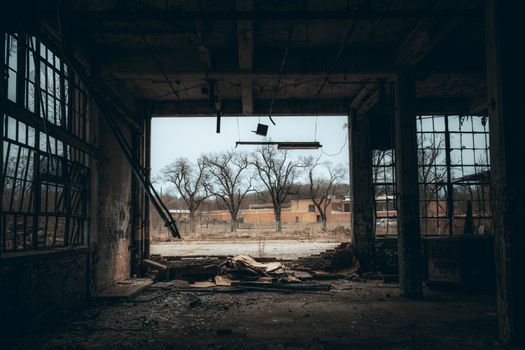
The dust motes danced in the shafts of sunlight slicing through the broken windows of the old textile mill. Rust-eaten machinery stood frozen in time, a silent testament to lives once lived, dreams once spun. I remember my first "urban exploration" – a cautious, awe-struck foray into a truly abandoned space near my hometown. The air was thick with the scent of damp concrete and forgotten stories. Every creak of the floorboards, every peeling poster on the wall, whispered secrets from a bygone era. It was then I understood the profound, almost magnetic pull of the abandoned.
That raw, untamed allure, once reserved for intrepid "urbex" enthusiasts, has now captivated the mainstream travel world. Abandoned places – from sprawling ghost cities to isolated island fortresses – are no longer just decaying relics; they're trending tourist attractions, offering a powerful, immersive journey into history, human resilience, and the relentless march of time. They're places where nature reclaims its own, where echoes of laughter and labor still seem to linger, and where every crumbling wall tells a thousand tales. If you're tired of predictable beaches and bustling city centers, and crave an adventure that stirs your soul and challenges your perspective, then prepare to be captivated. Welcome to the thrilling world of abandoned wonders, reborn for the curious traveler.
The Allure of Decay: Why We're Drawn to the Forgotten
What is it about a deserted schoolhouse with tiny shoes still scattered on the floor, or a once-thriving mining town swallowed by sand, that grips our imagination? It's more than just morbid curiosity; it's a complex blend of fascination with history, the aesthetic beauty of decay, and a poignant reflection on our own mortality and the impermanence of human endeavor.
These sites offer a tangible link to the past, a chance to step into a time capsule untouched by modern life. They invite us to piece together narratives from scattered fragments, imagining the lives that unfolded within their now-silent walls. For photographers, they are a dreamscape of texture, light, and shadow, offering unparalleled opportunities for evocative, Instagram-worthy shots that tell a deeper story than any pristine landmark. For historians, they are open-air museums, preserving moments in time that might otherwise be lost. And for the adventurous traveler, they offer a unique thrill – a sense of discovery and a profound connection to the raw, untamed forces of nature and history.
But visiting these places isn't just about the thrill; it's about respect. Respect for the history, for the lives lived there, and for the delicate balance of preservation and decay. Many of these sites have been carefully opened to tourism, ensuring safety, accessibility, and the ethical management of their fragile beauty. So, grab your camera, pack your sense of wonder, and let's explore some of the most incredible abandoned places that are trending right now.
1. Kolmanskop, Namibia: A Diamond Town Swallowed by Sand
Location: Sperrgebiet National Park, Namibia Best Time to Visit: May to September (cooler, less sandstorms) Approx. Cost: Tour permits range from NAD 300-500 (approx. $20-35 USD) depending on duration and access.
Imagine an entire town, once bustling with prospectors and their families, now slowly being reclaimed by the desert. That's Kolmanskop, a surreal ghost town in the Namib Desert, just inland from the port town of Lüderitz. Founded in 1908 after the discovery of diamonds in the area, Kolmanskop flourished with German architecture, a hospital, ballroom, school, and even an ice factory. But by the 1930s, diamond prices plummeted, and richer deposits were found further south. Within a few decades, the town was completely abandoned.
Today, Kolmanskop is an iconic example of nature's relentless power. Sand dunes have literally breached the walls of homes, filling rooms with undulating waves of fine desert sand. You can wander through houses where bathtubs are half-buried, and staircases lead to sandy drifts. It's an utterly otherworldly experience, and a photographer's paradise. The light filtering through sand-filled windows creates dramatic, ethereal scenes.
My Experience/Tip: I remember standing in what was once a grand ballroom, the floor now a soft, rippled dune. The silence was profound, broken only by the whisper of the wind carrying more sand into the building. It felt like walking through a dream. To make the most of your visit, book a guided tour from Lüderitz. These tours provide fascinating historical context and ensure you stay within permitted areas. Wear sturdy closed-toe shoes to protect against sand and potential debris, and bring plenty of water. Photography is highly encouraged, but remember to respect the delicate structures and avoid touching or removing anything.
2. Chernobyl Exclusion Zone, Ukraine: A Powerful Lesson in Resilience
Location: Northern Ukraine (near the border with Belarus) Best Time to Visit: Spring or Autumn for milder weather and less overgrowth. Approx. Cost: Day tours from Kyiv typically range from $90-150 USD per person, including transport, guide, and permits. Multi-day tours are more expensive.
Perhaps the most famous (or infamous) abandoned place on Earth, the Chernobyl Exclusion Zone is a stark reminder of human error and nature's incredible ability to rebound. On April 26, 1986, Reactor No. 4 of the Chernobyl Nuclear Power Plant exploded, leading to the worst nuclear disaster in history. The nearby city of Pripyat, built for the plant's workers and their families, was evacuated overnight, its 50,000 residents leaving everything behind.
Today, the Exclusion Zone is a unique, highly controlled tourist destination. Visitors can explore the ghost city of Pripyat, seeing its iconic Ferris wheel, abandoned schools with children's toys scattered on the floor, and empty apartment blocks. You'll also visit the Duga radar array (the "Russian Woodpecker"), the infamous Red Forest, and get a close (but safe) view of the New Safe Confinement structure over Reactor No. 4.
My Experience/Tip: Visiting Chernobyl is not just a tour; it's an intensely moving, sobering pilgrimage. Walking through Pripyat, seeing the rusting bumper cars and the propaganda posters still clinging to walls, is deeply unsettling yet profoundly educational. Our guide shared stories of the immediate aftermath, the heroism of the liquidators, and the ongoing efforts to manage the site. While radiation levels are carefully monitored and considered safe for short visits, it's crucial to follow all guide instructions, wear long sleeves and pants, and avoid touching anything. Always book with a reputable tour operator (e.g., SoloEast Travel, ChernobylX) who prioritizes safety and provides dosimeters. This is a powerful experience that demands respect and reflection.
3. Hashima Island (Battleship Island), Japan: A Glimpse into Industrial History
Location: Nagasaki Prefecture, Japan Best Time to Visit: Spring or Autumn for calm seas. Tours can be cancelled due to rough weather. Approx. Cost: Boat tours from Nagasaki typically cost JPY 4,000-5,000 (approx. $30-40 USD).
Often called "Gunkanjima" (Battleship Island) due to its distinctive silhouette resembling a warship, Hashima Island is a fascinating, eerie concrete jungle off the coast of Nagasaki. From 1887 to 1974, this small island was a thriving coal mining facility, reaching a peak population of over 5,000 residents in the 1950s, making it one of the most densely populated places on Earth. Workers and their families lived in towering concrete apartment blocks, complete with schools, a hospital, and even a cinema.
When petroleum replaced coal as Japan's primary energy source, the mines closed, and Hashima was abandoned in 1974. Today, its decaying buildings stand as a monument to Japan's rapid industrialization and a poignant reminder of its past. It gained international fame after being featured in the James Bond film Skyfall.
My Experience/Tip: The boat ride to Hashima itself is an adventure, offering stunning views of the island's unique architecture as you approach. Once on the island (access is limited to a designated viewing platform due to safety concerns), the sheer scale of the derelict buildings is breathtaking. You can almost hear the echoes of the bustling life that once filled these concrete canyons. The raw, brutalist beauty is incredibly photogenic. Book your tour well in advance, especially during peak season, as they often sell out. Companies like Gunkanjima Concierge and Yamasa Shipping offer excellent tours with informative guides. Be aware that landing on the island is weather-dependent, so have a backup plan if your tour is cancelled.
4. Craco, Italy: The Ghost Village of Basilicata
Location: Province of Matera, Basilicata, Southern Italy Best Time to Visit: Spring or early Autumn for pleasant weather. Approx. Cost: Guided tours are mandatory and typically cost around €10-15 (approx. $11-16 USD) per person.
Perched dramatically atop a rocky pinnacle overlooking a vast, arid landscape, Craco is a medieval hill town that has been abandoned since the 20th century. Its history dates back to the 8th century, witnessing centuries of feudal lords, religious orders, and peasant life. However, a series of natural disasters – landslides, earthquakes, and floods – combined with poor agricultural conditions, forced its inhabitants to leave. The final blow came in 1963 with a massive landslide, leading to the complete evacuation of the remaining residents.
Today, Craco stands as a hauntingly beautiful ghost village, its stone buildings crumbling gracefully into the rugged terrain. It's been a popular filming location for movies like The Passion of the Christ and Quantum of Solace, adding to its mystique.
My Experience/Tip: Visiting Craco feels like stepping onto a movie set, but with a palpable sense of history and melancholy. The views from the top are simply spectacular – rolling hills stretching to the horizon, with the ancient town silhouetted against the sky. The silence here is profound, broken only by the wind whistling through empty doorways. Guided tours are essential for safety and to gain access to the more stable parts of the village. Our guide shared stories of the last families to leave, and the community's efforts to preserve their heritage. Wear comfortable shoes suitable for uneven terrain. While there are no hotels in Craco, nearby towns like Pisticci or Matera (a UNESCO World Heritage site itself) offer excellent accommodation options. Combine your visit with a trip to Matera for a truly unforgettable Southern Italian experience.
Practical Tips for Your Abandoned Adventure
Visiting abandoned places, even those officially opened for tourism, requires a different approach than your typical sightseeing trip. Here’s what you need to know to make your journey safe, respectful, and truly memorable:
- Do Your Research: Before you go, understand the history of the site, its accessibility, and any specific rules or regulations. Is a permit required? Is it guided access only?
- Book Reputable Tours: For places like Chernobyl and Hashima Island, guided tours are mandatory and non-negotiable. Choose operators with excellent safety records and knowledgeable guides. They handle permits, transportation, and ensure your safety.
- Prioritize Safety:
- Footwear: Always wear sturdy, closed-toe shoes with good grip. You'll encounter uneven surfaces, debris, and potentially slippery areas.
- Clothing: Long pants and sleeves are advisable to protect against scratches, insects, and sun. For Chernobyl, they are mandatory for radiation protection.
- Stay on Designated Paths: Never wander off marked trails or enter areas deemed unsafe. Structures can be unstable.
- Listen to Your Guide: Their instructions are for your safety and the preservation of the site.
- Respect the Site and Its History:
- Leave No Trace: Do not leave any trash behind.
- Take Nothing But Pictures: Resist the urge to take souvenirs. These items are part of the site's history.
- Do Not Damage or Disturb: Avoid touching, moving, or climbing on fragile structures.
- Be Mindful: Remember that these were once homes, workplaces, or even sites of tragedy. Approach them with respect and reflection.
- Photography Etiquette: These places are incredibly photogenic, but be mindful of other visitors. Don't block pathways or spend excessive time on one spot if others are waiting. Consider the story you want to tell with your photos.
- Pack Essentials:
- Water and Snacks: Many of these sites are remote with no amenities.
- Sun Protection: Hat, sunglasses, sunscreen.
- First-Aid Kit: For minor scrapes or blisters.
- Power Bank: For your phone and camera.
- Flashlight/Headlamp: Even in daylight, some interior spaces might be dark.
- Check Weather Conditions: Rain, strong winds, or extreme temperatures can significantly impact your experience or even lead to tour cancellations (especially for island tours).
The Future of the Past: Sustainable Dark Tourism
As the popularity of abandoned places grows, it's crucial to consider the impact of tourism. The concept of "dark tourism" – visiting sites associated with death, tragedy, or historical suffering – brings with it an ethical responsibility. When done right, it can be incredibly educational, fostering empathy and understanding.
Many sites are now actively managed to balance preservation with public access. By choosing reputable tour operators who contribute to local economies and adhere to strict safety and ethical guidelines, you're helping to ensure these poignant windows into the past remain accessible for future generations. Your visit can directly support conservation efforts, local communities, and the ongoing storytelling of these unique locations. It's about more than just seeing; it's about learning, reflecting, and becoming a part of their ongoing legacy.
Unearthing Your Next Adventure
From the sand-swept mansions of Kolmanskop to the silent streets of Pripyat, the world's abandoned places offer an unparalleled travel experience. They are not just ruins; they are powerful narratives etched in stone and rust, whispering tales of ambition, despair, and the relentless march of time. They challenge us to look beyond the pristine, to find beauty in decay, and to reflect on the transient nature of human existence.
So, if your soul yearns for something beyond the ordinary, if you're ready to step into history and witness the raw, unfiltered beauty of the forgotten, then these trending abandoned attractions are calling your name. Pack your bags, charge your camera, and prepare for an adventure that will stay with you long after the dust settles.
Have you visited an incredible abandoned place? Share your stories and tips in the comments below! And don't forget to tag #TripsoraAbandonedAdventures on social media with your incredible photos!
---