Forgotten Ghost Towns That Changed My Life Forever
There was a time, not so long ago, when I felt a peculiar kind of wanderlust – a yearning for something deeper than picturesque beaches or bustling cityscapes. I craved history, raw and untamed, the kind that whispers its secrets on the wind, far from the polished narratives of museums. I was searching for stories etched into the very landscape, places where time had paused, leaving behind echoes of lives lived, dreams pursued, and fortunes lost.
What I found wasn wasn't just a series of destinations; it was a profound journey into the heart of human endeavor and eventual abandonment. My travels through America's forgotten ghost towns didn't just fill my camera roll; they filled a void in my soul, reshaping my understanding of resilience, impermanence, and the sheer power of a forgotten moment. These aren't just ruins; they are time capsules, each visit a step back into a world that once pulsed with life, now standing in stark, beautiful silence. And trust me, they’ll change your life too.
The Allure of the Abandoned: Why Ghost Towns Haunt Us (in a good way)
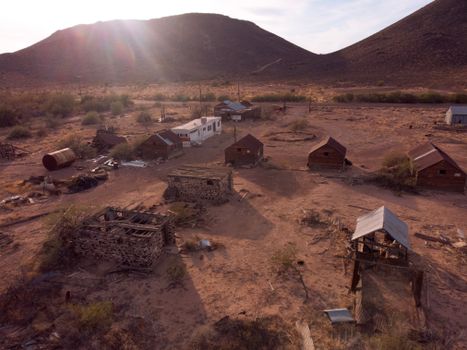
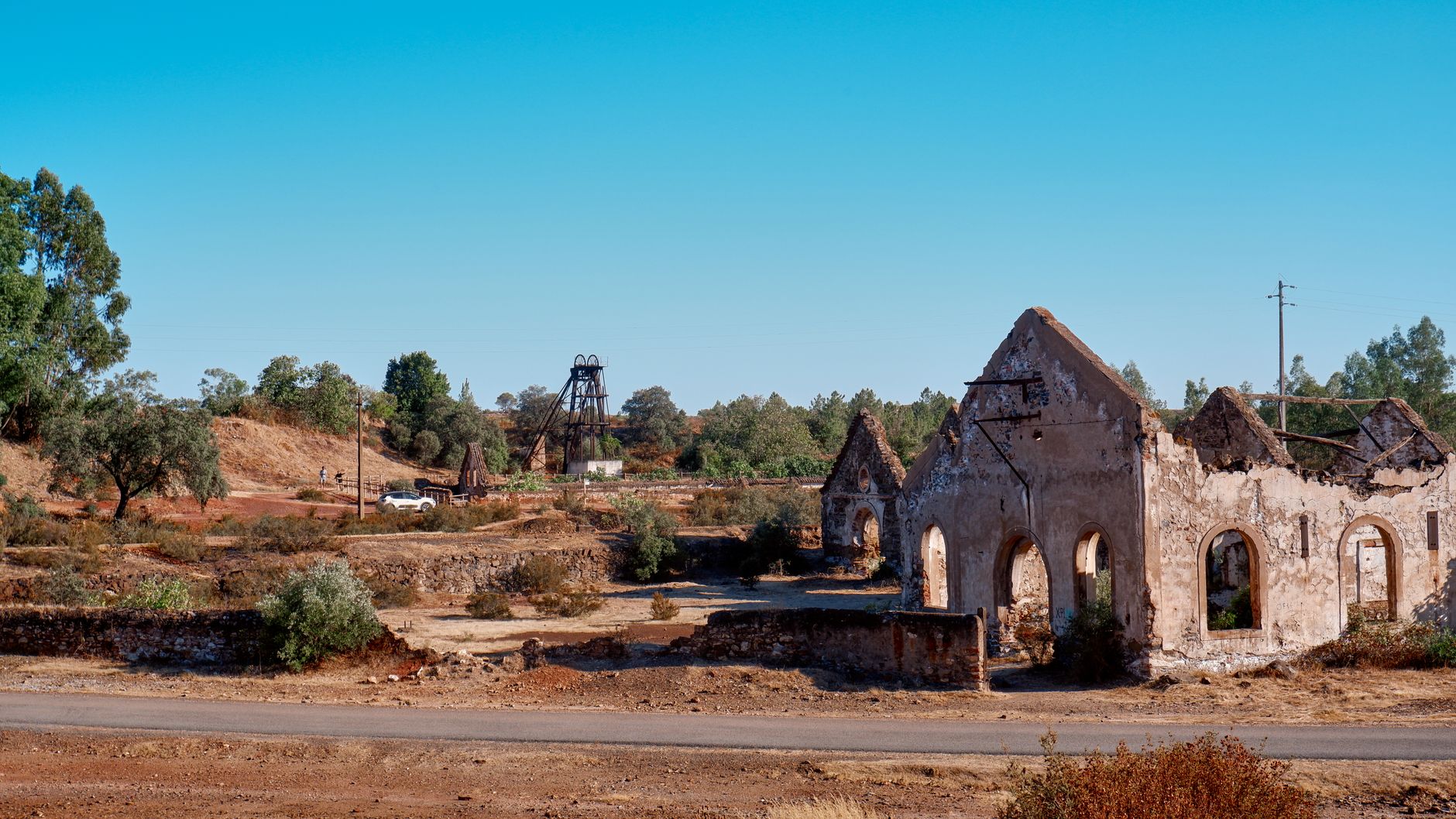
Before I dive into specific locations, let’s talk about the magnetic pull of a ghost town. Why do we, as modern adventurers, feel such a profound connection to places that have been utterly forsaken? For me, it’s the authenticity. There's no gift shop, no curated experience, just the raw, unadulterated remnants of a bygone era. The wind whistles through broken panes, doors creak on rusted hinges, and the dust of decades settles on everything, preserving a moment in time.
My very first ghost town experience was accidental. I was on a road trip through the American West, chasing sunsets and open roads, when a faded sign pointed to "Bodie, State Historic Park." Curiosity piqued, I veered off the main highway, driving miles down a dusty, unpaved road. What awaited me was less a park and more a revelation. The silence was absolute, broken only by the crunch of my boots on gravel and the distant caw of a raven. Standing amidst those weathered buildings, I felt a chill that had nothing to do with the desert air. It was the weight of a thousand forgotten stories, the palpable presence of the men, women, and children who once called this desolate place home. That day, something shifted within me. I wasn't just visiting a place; I was communing with history.
Bodie, California: A Frozen Moment in Gold Rush History
If you want to understand the true essence of a ghost town, Bodie, California, is where you begin. Located high in the Sierra Nevada mountains, Bodie is often described as a town in "arrested decay." It's not a restoration; it's a preservation, left exactly as it was when the last residents packed up and left.
Imagine a bustling gold mining town of 10,000 people in the late 1800s, known for its wild west antics, saloons, and sudden wealth. Then, imagine it slowly emptying out, leaving behind a snapshot of its prime. That’s Bodie. On my first visit, I spent hours wandering through the dusty streets. I peered into the windows of the general store, still stocked with goods from over a century ago. I saw desks in the schoolhouse, a crib in a miner's cabin, and even the pews in the Methodist Church. It’s like everyone just stepped out for a moment and never returned.
The light here is incredible for photography, especially during golden hour when the sun casts long, dramatic shadows across the weathered wood. I remember trying to capture the eerie beauty of the old stamp mill, its massive machinery still intact, a testament to the sheer scale of human ambition. It was a humbling experience, realizing the immense effort and hope poured into this place, only for it to be swallowed by time.
Practical Tips for Bodie:
- Getting There: Bodie is about 13 miles east of Highway 395, north of Mono Lake. The last 3 miles are unpaved and can be rough, but usually passable for most vehicles.
- Fees: There's an entrance fee ($8 per adult, $5 per child as of my last visit).
- Best Time to Visit: Spring and fall offer pleasant temperatures and fewer crowds. Winters can be harsh, with the park often inaccessible due to snow.
- What to Bring: Water, snacks (no services inside the park), sturdy shoes, and a good camera. Drones are prohibited.
- Respect: Bodie is a State Historic Park. Take nothing but pictures, leave nothing but footprints. It's considered bad luck to take anything from Bodie – even a small rock.
Kennecott, Alaska: Copper Dreams in the Wilderness
From the dry, dusty plains of California, my journey took me to the rugged, icy wilderness of Alaska, to a ghost town that stands as a monumental testament to human ingenuity and perseverance: Kennecott. Nestled deep within Wrangell-St. Elias National Park and Preserve, North America's largest national park, Kennecott was once the richest copper mine in the world.
The journey to Kennecott itself is an adventure. You can fly into McCarthy via a bush plane, or brave the 60-mile McCarthy Road – a gravel track notorious for flat tires (bring a full-sized spare!). I chose the latter, and the drive was breathtaking, winding through pristine wilderness, past glaciers and roaring rivers. Upon arrival, a pedestrian bridge takes you across the Kennicott River, and then it’s a short walk or shuttle ride to the townsite.
The sheer scale of the Kennecott mill building is astounding. Eleven stories tall, clinging precariously to the mountainside, it looks like something out of a steampunk fantasy. Walking through its empty chambers, you can almost hear the rumble of machinery, the shouts of miners, the clatter of copper ore. The surrounding buildings – the general store, hospital, bunkhouses – tell a story of a self-contained community thriving against unimaginable odds, isolated by mountains and glaciers. I remember standing on a ridge overlooking the mill, with the vast expanse of the Wrangell Mountains and the Root Glacier stretching behind it, feeling incredibly small yet utterly connected to this epic human endeavor.
Practical Tips for Kennecott:
- Getting There: Drive the McCarthy Road (allow 2-3 hours from Chitina, and check road conditions) or fly from Chitina or Glennallen.
- Accommodation: Options available in McCarthy and Kennecott (reservations essential).
- Guided Tours: Highly recommended! The National Park Service offers tours of the mill building, providing incredible historical context and access to areas you can't explore on your own. Expect to pay around $28-35 for a tour.
- What to Bring: Layers of clothing (weather changes quickly), bear spray, sturdy hiking boots, and plenty of bug repellent.
- Safety: This is true wilderness. Be prepared for anything. Inform someone of your itinerary.
Terlingua, Texas: Quicksilver, Quirky Characters, and Cosmic Skies
Leaving the cold grandeur of Alaska, my compass swung south to the stark, sun-baked landscapes of West Texas, to the eccentric and soulful ghost town of Terlingua. Unlike Bodie or Kennecott, Terlingua isn't entirely abandoned. It's a living, breathing paradox – a ghost town with a heartbeat, home to a quirky community of artists, musicians, and free spirits who have embraced its desolate beauty.
Terlingua was once a booming quicksilver (mercury) mining town. When the mines closed in the 1940s, most people left, leaving behind crumbling adobe ruins, a historic cemetery, and the iconic "Ghost Town" area. But a few hardy souls stayed, and over time, others were drawn to its remote charm, its proximity to Big Bend National Park, and its incredible dark skies.
My time in Terlingua was a delightful immersion in its unique culture. I stayed in an old adobe miner’s shack, modernized just enough for comfort, and spent my days exploring the ruins, hiking in Big Bend, and my evenings at the famous Starlight Theatre Saloon. The Starlight isn't a theatre in the traditional sense; it's an open-air stage where musicians play under the stars. I met fascinating characters, listened to incredible live music, and gazed at stars brighter than I'd ever seen before. The contrast between the silent, historical ruins and the vibrant, artistic community living amongst them was truly captivating. It taught me that "ghost town" doesn't always mean "dead"; sometimes, it means "reborn" in the most unexpected ways.
Practical Tips for Terlingua:
- Getting There: Terlingua is located near the western entrance to Big Bend National Park, off FM 170. It’s a long drive from any major city, but the scenery is epic.
- Accommodation: From rustic casitas and glamping tents to more modern lodges, Terlingua offers unique stays. Book well in advance, especially during peak season (fall/spring).
- Things to Do: Explore the original ghost town ruins, visit the historic cemetery, enjoy live music at the Starlight Theatre, and most importantly, explore Big Bend National Park and Big Bend Ranch State Park.
- Best Time to Visit: Fall, winter, and spring offer pleasant temperatures for outdoor activities. Summers are brutally hot.
- Stargazing: This is an International Dark Sky Park. Don't miss the opportunity to witness the Milky Way in all its glory.
Rhyolite, Nevada: A Symphony of Stone and Dust
Just outside the eastern edge of Death Valley National Park, near the small town of Beatty, lies Rhyolite, Nevada. This ghost town had a meteoric rise and fall, typical of many Gold Rush settlements. Founded in 1905, it quickly grew to thousands of residents, boasting electric lights, water mains, newspapers, and even an opera house. But by 1911, the mines were failing, and by 1920, it was virtually empty.
What remains of Rhyolite today is a stark, beautiful collection of ruins that speak volumes about its brief, glorious past. The most iconic structures include the remains of the three-story bank building, the general store, and the train depot. But the true gem, and one of the most Instagram-worthy spots, is the Bottle House. Built in 1906 by Tom Kelly using 50,000 discarded glass bottles from the town’s saloons, it's a testament to frontier resourcefulness.
I visited Rhyolite on a blisteringly hot day, the kind where the air shimmers above the asphalt. The silence was profound, broken only by the buzz of insects. What struck me most was the juxtaposition of human ambition against the vast, indifferent desert. Just a stone's throw away from the historical ruins is the Goldwell Open Air Museum, a collection of surreal outdoor sculptures created by Belgian artists. Seeing a ghostly last supper tableau or a colossal miner figure against the backdrop of crumbling historic buildings and the endless desert sky was an incredibly poignant and thought-provoking experience. It felt like art and history were having a silent, profound conversation.
Practical Tips for Rhyolite:
- Getting There: Rhyolite is located about 120 miles northwest of Las Vegas, just west of Beatty, Nevada, on State Route 374. It’s an easy side trip from Death Valley.
- Fees: No entrance fees.
- What to Bring: Absolutely essential: plenty of water, sun protection (hat, sunscreen), and sturdy shoes. The heat can be extreme.
- Combine with Death Valley: Rhyolite is a perfect complement to a trip to Death Valley National Park, offering a glimpse into the human history of the region.
- Photography: The Bottle House and the Goldwell sculptures are fantastic subjects. Golden hour light makes the desert landscape truly pop.
The Unwritten Rules of Ghost Town Exploration: Tips for the Responsible Adventurer
My journeys through these forgotten places have instilled in me a deep respect for their history and fragility. If you're inspired to embark on your own ghost town adventure, here are some crucial tips to ensure a safe, respectful, and truly enriching experience:
- Safety First:
- Tell Someone: Always let someone know your itinerary, especially when venturing into remote areas with limited cell service.
- Be Prepared: Carry plenty of water, snacks, a first-aid kit, and a full tank of gas. Many ghost towns are far from services.
- Sturdy Footwear: You'll be walking on uneven terrain, loose gravel, and potentially broken glass. Closed-toe, sturdy shoes are a must.
- Weather Awareness: Check the forecast and dress appropriately. Desert temperatures can swing wildly, and mountain weather is unpredictable.
- Respect the Past & Present:
- Leave No Trace: This is paramount. Do not take anything (not even a small rock!), and do not leave anything behind (not even organic waste). Preserve these sites for future generations.
- Stay on Designated Paths: Many structures are fragile and dangerous. Do not enter buildings unless explicitly permitted and deemed safe (e.g., during a guided tour).
- Respect Private Property: Some ghost towns have residents or are partially privately owned. Always respect "No Trespassing" signs.
- Be Mindful of Wildlife: You're in their habitat. Observe from a distance.
- Photography & Instagram-Worthiness:
- Golden Hour is Your Friend: The soft light of early morning or late afternoon dramatically enhances the textures and shadows of old buildings.
- Focus on Details: Don't just shoot wide landscapes. Look for rusted hinges, peeling paint, discarded tools, or intricate carvings. These tell smaller, more intimate stories.
- Use Framing: Frame your shots using doorways, windows, or natural elements to add depth and interest.
- Drone Rules: Always check local regulations. Drones are often prohibited in state parks, national parks, or near active communities.
- Capture the Mood: The goal isn't just a pretty picture, but one that evokes the feeling of the place – the quiet, the history, the desolation.
- Research, Research, Research:
- Accessibility: Some ghost towns are easy to reach; others require high-clearance 4x4 vehicles. Know before you go.
- Operating Hours/Seasons: Some parks have specific hours or close seasonally.
- Guided Tours: For places like Kennecott, a guided tour can unlock incredible stories and access.
The Ghosts That Linger, and the Lessons They Teach
My journeys through these forgotten towns have been far more than just travel. They’ve been a pilgrimage into the soul of human ambition, a quiet meditation on the relentless march of time, and a powerful reminder of the stories that lie just beneath the surface of our modern world. Each creaking floorboard, each faded sign, each wind-blown dust devil carried a whisper of lives lived with passion, struggle, and hope.
These places changed my life by broadening my perspective, deepening my appreciation for history, and igniting a passion for unique, off-the-beaten-path adventures. They taught me that true beauty often lies in imperfection, in decay, in the quiet dignity of what remains. They remind us that even in abandonment, there is profound meaning, a chance to connect with something elemental and timeless.
So, I urge you, fellow traveler, to step off the well-trodden path. Seek out the forgotten. Let the wind carry tales of yesteryear to your ears. Explore a ghost town, and allow its silent stories to speak to your soul. Who knows what profound shifts it might bring to your own life?
What forgotten place has called to you? Or which ghost town are you now adding to your bucket list? Share your thoughts and adventures in the comments below! And don't forget to share this post with your fellow adventurers!
---