Whispers from the Past: Why Forgotten Ghost Towns Are Trending Right Now
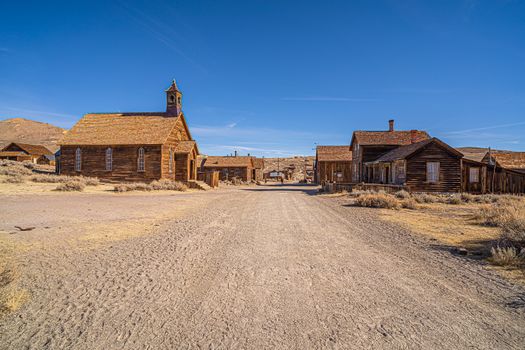
There’s a particular chill that runs down your spine when you step into a place time forgot. It’s not just the crisp, dry air of the desert or the sudden drop in temperature in a shadowed canyon. It’s the palpable silence, broken only by the creak of an old porch or the rustle of tumbleweeds, that tells you a thousand stories without uttering a single word. I felt it most acutely standing on the dusty main street of Bodie, California, a place so perfectly preserved in its decay that you expect a grizzled miner to emerge from the saloon at any moment. The sun beat down, but the air was thick with the echoes of lives long past, and I knew, in that moment, why these forgotten places are having such a moment.
For years, ghost towns were the domain of dedicated history buffs, urban explorers, or those simply lost on a backroad. But something has shifted. Suddenly, the allure of these abandoned relics is captivating a wider audience, from adventurous road trippers to Instagrammers seeking that perfectly eerie, evocative shot. Why the sudden surge? Perhaps it’s a yearning for authenticity in an increasingly digital world, a desire to connect with raw history, or simply the thrill of discovering something truly unique. Whatever the reason, forgotten ghost towns are trending, and Tripsora is here to guide you through the most captivating ones worth visiting.
The Irresistible Allure: Why We’re All Obsessed with Abandoned Places
What is it about a crumbling cabin, a rusted-out truck, or a deserted general store that pulls us in? For me, it’s the profound sense of narrative. Each peeling paint chip, each broken windowpane, holds a fragment of a story. These towns were once vibrant hubs of human endeavor, dreams, and desperation. They represent the boom-and-bust cycles of history, the relentless march of progress, and sometimes, the sheer stubbornness of nature reclaiming its own.
Visiting a ghost town is like stepping onto a living, breathing movie set – except it's all real. You're not just observing history; you're immersed in it. The quiet solitude offers a stark contrast to our noisy modern lives, providing a meditative space for reflection. And let’s be honest, the photographic opportunities are unparalleled. The textures, the light, the sheer visual drama of decay against a rugged landscape – it’s a photographer’s dream, and perfect for creating those shareable, thought-provoking posts that dominate our feeds. It’s a chance to explore a different kind of beauty, one found in resilience and the poignant passage of time.
Bodie, California: A State of "Arrested Decay"
If you’re going to start your ghost town journey anywhere, make it Bodie. Nestled in the Sierra Nevada mountains, east of Yosemite National Park, Bodie isn't just a ghost town; it's a State Historic Park committed to "arrested decay." This means everything is preserved exactly as it was found, left to the elements but stabilized to prevent further collapse. It’s truly a moment frozen in time.
I remember my first visit, the drive itself felt like a pilgrimage, culminating in a few miles of unpaved, washboard road that only added to the sense of anticipation. When I finally rounded the bend and saw the cluster of wooden buildings against the vast, empty landscape, my breath caught. The town peaked in the late 1870s with 10,000 residents, two banks, 30 saloons, and a reputation for lawlessness. Today, about 5% of the original buildings remain, filled with artifacts: dusty bottles on saloon shelves, school desks with forgotten textbooks, even beds with blankets still folded.
- What to See: Wander through the general store, the Methodist church, the schoolhouse, and the stamp mill. Peer into windows (you can’t enter most buildings for preservation reasons) and imagine the lives lived there. The cemetery on the hill offers poignant insights into the harsh realities of frontier life.
- Photography Tip: Go at sunrise or sunset for incredible golden hour light that highlights the textures of the old wood and rusted metal. The vastness of the surrounding landscape provides a dramatic backdrop.
- Getting There: Located 13 miles east of Highway 395, 7 miles south of Bridgeport, CA. The last 3 miles are on a dirt road. Check road conditions, especially in winter.
- Cost: $8 per adult, $5 for children (cash only recommended).
- Best Time to Visit: Late spring through early fall. Winter access is limited due to snow.
- Personal Anecdote: I once spent an entire afternoon just sitting on a bench outside the old saloon, sketching. The silence was profound, broken only by the wind whistling through the eaves. It felt like the spirits of the old miners were still there, watching me.
Jerome, Arizona: America's Most Vertical Ghost Town (with a Modern Twist)
From the desolate beauty of Bodie, let's head to the surprisingly vibrant, yet still haunting, Jerome, Arizona. Perched precariously on Cleopatra Hill overlooking the Verde Valley, Jerome was once a booming copper mining town, dubbed "the wickedest town in the West" for its saloons, brothels, and general lawlessness. At its peak, 15,000 people called Jerome home. When the mines closed in the 1950s, the population dwindled to a mere 50, earning it the title of "America's Most Vertical Ghost Town."
But Jerome didn't stay forgotten. Today, it's a thriving arts community, a National Historic Landmark, and a popular tourist destination that beautifully marries its ghostly past with a lively present. It’s proof that some ghost towns can be reborn, retaining their eerie charm while offering modern comforts.
- What to See: Explore the Jerome State Historic Park Museum, housed in the Douglas Mansion, for an in-depth look at the town’s mining history. Wander the narrow, winding streets, popping into unique art galleries, boutique shops, and charming restaurants. Don't miss the sliding jail, which famously slid 225 feet down the hill from its original location due to geological instability.
- Haunted Reputation: Jerome is considered one of the most haunted towns in America. Take a ghost tour to hear tales of former miners, prostitutes, and residents who supposedly still roam the streets and buildings. The Grand Hotel, formerly a hospital, is a hotspot for paranormal activity.
- Photography Tip: Capture the dramatic views of the Verde Valley from various overlooks. The brightly colored buildings against the rugged hillside are incredibly photogenic. Night photography on a ghost tour can yield some truly atmospheric shots.
- Getting There: Located off Highway 89A, between Cottonwood and Prescott, AZ. It’s an easy drive from Sedona or Phoenix.
- Cost: Jerome State Historic Park Museum has an entrance fee ($7 per adult). Exploring the town itself is free.
- Personal Anecdote: I once stayed at the Grand Hotel, admittedly a little nervous about its reputation. While I didn't see any full-bodied apparitions, I definitely heard some unexplained creaks and whispers. It added a thrilling layer to the experience, making me feel even more connected to the town's storied past.
St. Elmo, Colorado: High-Altitude Charm and Friendly Chipmunks
If you envision a quintessential Old West ghost town nestled amongst towering peaks, St. Elmo, Colorado, is your dream destination. Located at an elevation of 10,000 feet in the Sawatch Range, St. Elmo was once a bustling mining camp established in 1880. It boasted a telegraph office, general store, hotels, saloons, and a population of nearly 2,000. When the mines played out and the railroad ceased operations in 1922, St. Elmo slowly emptied, leaving behind one of the best-preserved ghost towns in Colorado.
What makes St. Elmo particularly special is its accessible, almost idyllic charm. Unlike Bodie’s starkness, St. Elmo feels cozy, almost welcoming, despite its abandonment. The wooden buildings stand firm, often adorned with original details, and the surrounding scenery is breathtaking.
- What to See: The general store is usually open in summer, selling souvenirs and snacks. Many buildings, like the old hotel and cabins, can be viewed from the outside. The highlight for many are the incredibly friendly chipmunks who are not shy about posing for photos or accepting a small, appropriate snack (like unsalted nuts).
- Photography Tip: The vibrant green of the summer mountains contrasting with the weathered wood provides stunning visuals. The chipmunks are a must-photograph! In fall, the aspens turn golden, making St. Elmo even more picturesque.
- Getting There: From Buena Vista, take County Road 162 west for about 16 miles. The road is paved for most of the way, turning into a well-maintained dirt road for the last few miles. It’s generally accessible by 2WD vehicles in summer.
- Cost: Free to explore the town.
- Best Time to Visit: Late May through October, before heavy snows make access difficult.
- Personal Anecdote: I remember sitting on the porch of the old general store, sharing my trail mix with a particularly bold chipmunk who sat on my knee! It was such a surreal, delightful moment that perfectly encapsulated the unique, gentle spirit of St. Elmo.
Rhyolite, Nevada: Art, Dust, and Death Valley's Doorstep
Just outside the eastern edge of Death Valley National Park lies Rhyolite, Nevada – a ghost town that stands out for its unique blend of stark desert beauty and unexpected artistic expression. Founded in 1905 during a gold rush, Rhyolite quickly grew to a population of 5,000, boasting a three-story bank, a stock exchange, a hospital, and even a opera house. But its boom was short-lived; by 1911, the mines were unprofitable, and by 1920, the town was virtually deserted.
What remains today are skeletal structures – the shell of the bank, parts of the general store, and the unique Bottle House, built from 50,000 discarded glass bottles. Adding to its distinct character is the Goldwell Open Air Museum nearby, featuring a collection of intriguing outdoor sculptures that transform the desolate landscape into an open-air art gallery.
- What to See: Explore the remains of the Cook Bank, the Bottle House, and the train depot. Then, take a short drive to the Goldwell Open Air Museum to see the Last Supper sculpture, the Ghost Rider, and other surreal art installations against the vast desert backdrop.
- Photography Tip: The desert light, especially at dawn and dusk, creates incredible shadows and highlights on the ruins and sculptures. The Bottle House is particularly charming, and the art installations offer endless creative possibilities.
- Getting There: Located 120 miles northwest of Las Vegas, just west of Beatty, Nevada, and a short drive from Death Valley National Park.
- Cost: Free to explore Rhyolite and the Goldwell Open Air Museum.
- Best Time to Visit: Fall through spring to avoid extreme summer heat.
- Personal Anecdote: The first time I saw the "Last Supper" sculpture at Goldwell, it was so unexpected in that barren landscape, it made me laugh out loud. The juxtaposition of high art and desolate desert was brilliant and perfectly captured the quirky spirit of the area. I spent hours trying to get the perfect shot of the "Ghost Rider" against the setting sun.
Thurmond, West Virginia: Appalachian Echoes of Coal and Rail
Shifting gears from the arid West, let’s venture into the lush, rugged beauty of the Appalachian Mountains to Thurmond, West Virginia. Tucked deep within the New River Gorge National Park and Preserve, Thurmond was once a vital coal-mining and railroad town. In its heyday, from the late 19th to early 20th century, it was one of the busiest railway towns on the Chesapeake & Ohio Railway, handling more coal tonnage than Cincinnati, Ohio. It was also known for its wild saloons and gambling.
Today, Thurmond is a true ghost town, with only a handful of residents, but its historic train depot (now a National Park Service visitor center) and a few other well-preserved buildings stand as poignant reminders of its past. The active train tracks still run through town, bringing a surprising rumble of life to the otherwise quiet valley.
- What to See: Visit the Thurmond Depot, which houses a small museum and visitor center. Walk along the tracks (with extreme caution and awareness of active trains!) and imagine the hustle and bustle of a century ago. The old bank building and other structures offer glimpses into the town's former glory.
- Outdoor Activities: Thurmond is an excellent base for exploring the New River Gorge. Hiking, whitewater rafting, and scenic drives are all nearby.
- Photography Tip: The dense greenery of the gorge provides a beautiful contrast to the old wooden buildings. Capture the trains as they pass through, adding a dynamic element to your historical shots. The light filtering through the trees can be magical.
- Getting There: Access is via narrow, winding roads (County Route 25 from Fayetteville or County Route 9 from Minden). Check Google Maps for the best route, as cell service can be spotty.
- Cost: Free to explore.
- Best Time to Visit: Spring for blooming wildflowers, summer for lush greenery and rafting, fall for spectacular foliage.
- Personal Anecdote: I remember the sheer isolation of Thurmond. Standing on the depot platform, listening to the rushing New River and the distant whistle of an approaching train, I felt a deep connection to the hardscrabble lives of the coal miners and railroad workers. It felt like stepping into a forgotten chapter of American industry.
Practical Tips for the Modern Ghost Town Explorer
Ready to embark on your own ghost town adventure? Here’s some actionable advice to ensure a safe, respectful, and unforgettable experience:
- Do Your Research: Each ghost town has its own quirks, accessibility issues, and rules. Check official park websites or local tourism boards for hours, fees, road conditions, and any special permits required. Some private ghost towns might require permission.
- Safety First:
- Unstable Structures: Never enter abandoned buildings unless explicitly permitted and deemed safe by authorities. They can be structurally unsound, contain hazardous materials (like asbestos), or have hidden dangers. Observe from a distance.
- Wildlife: Be aware of local wildlife – snakes, scorpions, spiders, and larger animals like bears or mountain lions in certain areas.
- Weather: Ghost towns are often in remote, exposed locations. Dress in layers, bring plenty of water, sunscreen, and a hat. Desert temperatures can swing wildly, and mountain weather can change rapidly.
- Navigation: Cell service is often nonexistent. Download offline maps and inform someone of your itinerary.
- Leave No Trace, Take Only Photos: This is paramount. Do not take souvenirs (even a single nail) or disturb anything. These are historical sites, and removing artifacts is illegal and robs future visitors of the experience. Leave nothing but footprints, take nothing but pictures.
- Pack Smart:
- Water & Snacks: Always bring more than you think you’ll need.
- Sturdy Footwear: You’ll be walking on uneven terrain, dirt, and possibly broken glass.
- First-Aid Kit: For minor scrapes or bites.
- Camera Gear: Extra batteries, memory cards, and lenses for those epic shots. A tripod is great for low-light or long-exposure photography.
- Map & Compass/GPS: Don't rely solely on your phone.
- Headlamp/Flashlight: If you plan to be out near dusk.
- Respect the History: Remember that these were once vibrant communities where people lived, worked, and died. Treat the sites with reverence and respect. Avoid loud noises, defacing property, or otherwise disrespecting the memory of those who lived there.
- Best Time to Visit: Generally, spring and fall offer the most pleasant weather for exploring, avoiding extreme summer heat or winter snow. However, each location has its own optimal window.
- Consider a Guide: For some ghost towns, a local guide can provide invaluable historical context and stories you might otherwise miss.
The Unforgettable Call of the Forgotten
Stepping into a ghost town is more than just a sightseeing trip; it’s an immersive journey into the past, a chance to connect with history on a deeply personal level. The trend isn't just about cool photos; it's about the profound experience of witnessing the resilience of human ambition, the unforgiving hand of time, and the quiet beauty of abandonment.
Whether you're drawn to the perfectly preserved streets of Bodie, the artistic revival of Jerome, the charming solitude of St. Elmo, the stark beauty of Rhyolite, or the Appalachian echoes of Thurmond, these forgotten places are waiting to tell you their stories. They challenge us to look beyond the shiny surface of modern life and appreciate the layers of history beneath.
So, pack your bags, charge your camera, and hit the road. Discover your own chilling, beautiful, and utterly unforgettable ghost town experience. Which forgotten town will you explore first? Share your adventures and tips with us in the comments below, and don't forget to tag #TripsoraGhostTowns on your social media posts! Let's keep these incredible pieces of history alive, one visit at a time.
---