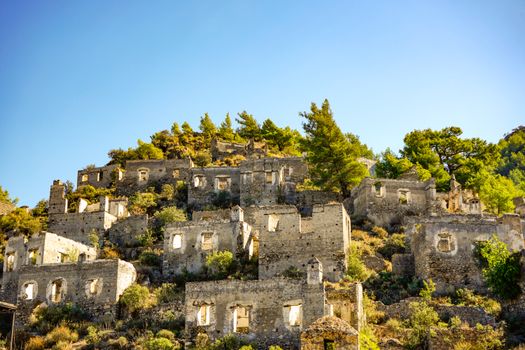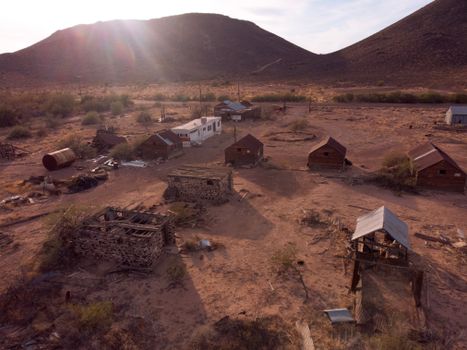
The dust motes danced in the slivers of light piercing the boarded-up windows, illuminating a scene frozen in time. A rusted bed frame, a child's forgotten toy, a half-eaten meal still sitting on a table – not a film set, but a real-life ghost town. My first encounter with a truly abandoned place wasn't planned. I’d taken a wrong turn on a dusty backroad in rural Montana, chasing a sunset, and stumbled upon what felt like a portal to another century. The air was thick with silence, broken only by the creak of a loose shutter in the wind. That moment, a shiver running down my spine that was equal parts awe and unease, ignited a lifelong obsession: exploring forgotten ghost towns.
What is it about these spectral settlements that captivates us so deeply? Is it the allure of untold stories, the tangible connection to a past era, or perhaps the stark beauty of nature reclaiming human endeavor? For me, it's all of the above. These aren't just ruins; they're open-air museums, living (or rather, un-living) monuments to booms and busts, dreams and despair. They offer a unique kind of travel – one that’s immersive, thought-provoking, and incredibly photogenic.
If you’re tired of crowded tourist traps and yearn for an adventure that will truly blow your mind, read on. I've scoured the globe, braved deserts, mountains, and even the Arctic Circle, to bring you a hand-picked selection of forgotten ghost towns that promise an unforgettable journey into the past. Get ready to bookmark, share, and start planning your next epic trip!
Why Ghost Towns Are the Ultimate Time Capsules
Before we dive into specific locations, let's talk about the magic. Ghost towns are more than just abandoned buildings; they are narratives etched in crumbling stone and peeling paint. They whisper tales of gold rushes, industrial ambitions, natural disasters, and political shifts. Visiting them is a powerful reminder of impermanence, resilience, and the relentless march of time.
- A Photographer's Paradise: The decay, the dramatic landscapes, the interplay of light and shadow – ghost towns are inherently cinematic. Every corner offers a unique perspective, a poignant detail waiting to be captured.
- History You Can Touch: Forget dusty textbooks. Here, history is tangible. You can walk the same streets, peer into the same windows, and imagine the lives lived there.
- A Unique Sense of Solitude: Often, you'll find yourself alone or with only a handful of other respectful explorers. This solitude amplifies the experience, allowing for deeper reflection and connection with the past.
- An Adrenaline Rush: There's a certain thrill in exploring places that feel forgotten, a sense of discovery that modern travel often lacks.
Ready to step through that portal? Let’s go!
1. Bodie, California, USA: A Wild West Relic Frozen in Time
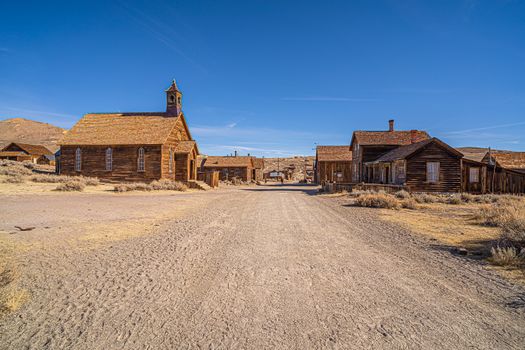
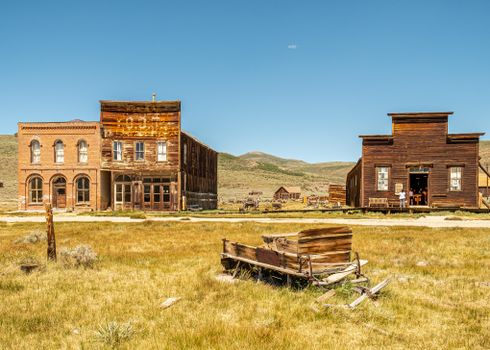
Imagine stepping onto a dusty street, the wind whistling through dilapidated wooden buildings, and feeling like you've walked straight into a spaghetti western. That's Bodie, California, a remarkably preserved gold-mining ghost town nestled in the Sierra Nevada mountains. Once a bustling hub of 10,000 people, famous for its lawlessness and "bad men," it’s now a State Historic Park committed to "arrested decay."
My first visit to Bodie was on a crisp autumn morning. The air was thin, carrying the scent of sagebrush and old wood. As I wandered past the general store, stocked with dusty goods, and peered into the saloon where poker tables still stood, it was easy to picture prospectors and gamblers filling these spaces. The small church, the schoolhouse with tiny desks, the barber shop – every detail tells a story. The park rangers leave everything as it was found, creating an incredibly authentic experience. You can almost hear the clatter of a printing press or the clang of a blacksmith's hammer.
Specific Details & Tips:
- Location: East of Yosemite National Park, near the town of Bridgeport, California.
- Access: Open daily, but hours vary by season. The road can be rough, especially the last 3 miles (unpaved); 4WD is recommended, especially in spring/winter.
- Cost: ~$8 per adult, $5 per child.
- Best Time to Visit: Spring or Fall for pleasant weather and fewer crowds. Winter offers a stunning, snow-covered landscape but requires snowmobiles or skis for access.
- Photography Tip: Golden hour (sunrise/sunset) paints the wooden buildings in incredible hues. Focus on details like rusted tools, peeling wallpaper, and the vast, empty landscape.
- Accommodation: Stay in nearby Bridgeport or Lee Vining.
- Insider Tip: Take a guided tour if available; rangers share fascinating, often humorous, anecdotes. Do not take souvenirs – the "Bodie Curse" is real, or so the legends say!
2. Kolmanskop, Namibia: Where Diamonds Met the Desert Sands
From the Wild West to the heart of the Namib Desert, Kolmanskop in Namibia offers an entirely different kind of ghost town experience – one of surreal beauty and eerie tranquility. This former diamond mining town, once a prosperous German settlement, was swallowed by the relentless sands of the desert after its abandonment in the mid-20th century.
Stepping into Kolmanskop is like entering a dreamscape. Sand dunes spill into elegant ballrooms, covering staircases and filling bathtubs. Houses stand half-buried, their vibrant paint faded by the sun and sandblasted by desert winds. During my visit, walking through these sand-filled rooms, with the desert light filtering through broken windows, was an almost spiritual experience. The silence was profound, broken only by the crunch of my boots on the sand and the whisper of the wind. It’s a powerful testament to nature's ability to reclaim even the most ambitious human endeavors.
Specific Details & Tips:
- Location: Namib Desert, a few kilometers inland from Luderitz, Namibia.
- Access: Only accessible via guided tour, which must be booked in advance. Permits are required and can be purchased in Luderitz or at the gate.
- Cost: Tours cost around NAD 100-150 (approx. $7-10 USD).
- Best Time to Visit: Early morning tours are best for photography (softer light, fewer shadows) and cooler temperatures.
- Photography Tip: Embrace the contrast of human architecture and natural elements. Wide-angle lenses work wonders for capturing sand-filled rooms. Don't forget detail shots of peeling paint, broken glass, and the patterns the sand creates.
- Accommodation: Stay in Luderitz, a charming coastal town.
- Insider Tip: Wear comfortable, closed-toe shoes to protect against sand and potential debris. Bring plenty of water and sun protection – the desert sun is intense! Combine your visit with a trip to Sossusvlei and Deadvlei for more incredible desert landscapes.
3. Craco, Basilicata, Italy: A Medieval Dream Suspended in Time
Perched dramatically on a craggy hilltop in the Basilicata region of Southern Italy, Craco is a medieval village that looks straight out of a fairy tale – albeit one with a bittersweet ending. Abandoned due to a series of landslides and floods in the 20th century, this ancient town now stands as a hauntingly beautiful silhouette against the sky, its stone buildings clinging precariously to the cliff face.
My journey to Craco involved navigating winding, narrow roads through the Italian countryside. As the town slowly revealed itself, rising majestically from the landscape, I felt a profound sense of awe. Walking through its deserted streets, past the remains of a Norman tower and a crumbling church, I could almost hear the echoes of medieval life – the chatter of villagers, the clang of a blacksmith, the toll of church bells. The views from the top, sweeping across the rugged Lucanian hills, are breathtaking and provide a poignant contrast to the stillness of the town itself. Craco has even served as a filming location for movies like The Passion of the Christ and Quantum of Solace.
Specific Details & Tips:
- Location: Basilicata region, Southern Italy. Roughly 1.5 hours drive from Matera.
- Access: Due to safety concerns, access to the historical center is restricted and only possible with an authorized guide. Tours can be booked through the local tourism office or directly at the entrance.
- Cost: Guided tours typically cost around €10-15.
- Best Time to Visit: Spring or early autumn for pleasant weather and lush green landscapes around the town.
- Photography Tip: Capture the dramatic scale of the town against the sky. Use a telephoto lens to pick out architectural details and wide shots to show its precarious perch. Golden hour is magical here.
- Accommodation: Stay in nearby towns like Matera (a UNESCO World Heritage site worth exploring on its own!) or Pisticci.
- Insider Tip: Wear sturdy shoes suitable for uneven terrain. While you can't wander freely, the guided tour offers incredible insights into its history and the lives of its former inhabitants. Don't forget to try the local food in the surrounding villages – it's delicious!
4. Pyramiden, Svalbard, Norway: The Arctic's Eerie Soviet Relic
For the truly adventurous, Pyramiden offers a ghost town experience unlike any other: a former Soviet mining settlement deep in the Arctic archipelago of Svalbard, Norway. Abandoned abruptly in 1998, it remains remarkably preserved, a time capsule of Soviet-era life, watched over by polar bears and the vast, silent Arctic wilderness.
My journey to Pyramiden was an adventure in itself, involving a boat trip through icy fjords under the midnight sun. Stepping ashore, I was greeted by a bronze Lenin bust, staring out towards the sea. The town itself is eerily quiet. I explored the cultural palace with its grand auditorium, the swimming pool (the northernmost in the world!), the cafeteria with plates still on tables, and the rows of apartment blocks. It felt like the residents had simply vanished, leaving their lives behind. The cold, stark beauty of the Arctic environment only amplified the sense of isolation and mystery. Our guide, a Russian caretaker, shared chilling stories and humorous anecdotes, bringing the silent streets to life.
Specific Details & Tips:
- Location: Svalbard archipelago, Norway.
- Access: Pyramiden is only accessible via organized tours from Longyearbyen (Svalbard's main settlement). In summer, boat tours are popular; in winter, snowmobile tours are the norm. Independent travel is strictly prohibited due to polar bear danger and the need for a guide.
- Cost: Tours vary widely depending on duration and mode of transport, ranging from NOK 1,500-3,000+ (approx. $150-300+ USD).
- Best Time to Visit: Summer (June-August) for boat tours and milder weather. Winter (February-May) for snowmobile tours and extreme Arctic conditions.
- Photography Tip: Capture the stark contrast between Soviet architecture and the raw Arctic landscape. Look for details like propaganda posters, musical instruments, and the vast emptiness. Don't forget the obligatory photo with Lenin!
- Accommodation: You can stay overnight in Pyramiden's small hotel (Tulip Hotel) for a truly immersive experience, but most tours are day trips. Otherwise, stay in Longyearbyen.
- Insider Tip: Dress warmly, even in summer, as Arctic weather can change rapidly. Always follow your guide's instructions, especially regarding polar bear safety. Bring a good camera with extra batteries (cold drains them quickly!).
5. Hashima Island (Gunkanjima), Japan: The Battleship Island's Industrial Echoes
Off the coast of Nagasaki, Japan, lies Hashima Island, famously known as Gunkanjima ("Battleship Island") due to its distinctive shape. This incredibly dense, high-rise concrete island was once a thriving coal mining community, housing thousands of workers and their families. Abandoned in 1974 when the coal mines closed, it now stands as a stark, powerful monument to Japan's rapid industrialization and a UNESCO World Heritage site.
My visit to Gunkanjima was a somber yet fascinating experience. As the tour boat approached, the island truly resembled a desolate battleship, its concrete structures rising dramatically from the sea. Walking the designated path on the island, I could see the crumbling apartment blocks, the schools, the hospital – all swallowed by time and the elements. The guide recounted the island's complex history, including the harsh conditions faced by forced laborers during WWII, adding a profound layer of gravity to the visit. It's a place that speaks volumes about human ambition, resilience, and the sometimes-dark side of progress.
Specific Details & Tips:
- Location: Off the coast of Nagasaki, Japan.
- Access: Access to Hashima Island is strictly regulated and only possible via authorized boat tours departing from Nagasaki Port. Independent landing is forbidden due to safety concerns.
- Cost: Tours typically cost around ¥4,000-5,000 (approx. $30-40 USD). Booking well in advance is highly recommended, especially during peak season.
- Best Time to Visit: Spring and Autumn offer pleasant weather. Tours can be cancelled due to high waves or strong winds, so be prepared for flexibility.
- Photography Tip: Capture the brutalist architecture and the sheer density of the buildings. Wide-angle shots work well to convey the scale. Focus on textures, rust, and the way nature is reclaiming the concrete.
- Accommodation: Stay in Nagasaki, a city rich in history and culture.
- Insider Tip: Choose a tour operator with a good reputation and English-speaking guides. The boat ride can be choppy, so if you're prone to seasickness, take precautions. Listen carefully to the safety briefings – the island is fragile.
General Tips for Ghost Town Exploration: Your Adventure Handbook
Exploring forgotten places is an incredible experience, but it requires respect, preparation, and a healthy dose of caution. Here are my essential tips to ensure a safe and memorable journey:
- Safety First, Always:
- Structural Integrity: Many abandoned buildings are unstable. Never enter structures that appear unsafe. Stay on designated paths or open areas.
- Wildlife: Be aware of local wildlife (snakes, spiders, bats, even bears in some regions).
- Terrain: Uneven ground, broken glass, rusty nails – watch your step. Sturdy, closed-toe shoes are non-negotiable.
- Permits & Access: Always research if permits or guided tours are required. Trespassing is illegal and disrespectful.
- Tell Someone: Inform someone of your itinerary and expected return time, especially if you're venturing into remote areas.
- Respect the Past (and the Present):
- Leave No Trace: "Take nothing but pictures, leave nothing but footprints." This isn't just a motto; it's a rule. Do not disturb artifacts, graffiti walls, or take "souvenirs." These places are historical sites, not playgrounds.
- Be Quiet & Reflective: The silence is part of the experience. Keep noise to a minimum to preserve the atmosphere for yourself and others.
- Understand the History: A little research before your visit will greatly enrich your experience.
- Gear Up Like a Pro:
- Water & Snacks: Essential, especially in remote or hot locations.
- First-Aid Kit: For minor scrapes or emergencies.
- Navigation: Offline maps (Google Maps, Maps.me), compass, or GPS device. Cell service is often nonexistent.
- Flashlight/Headlamp: Even in daylight, buildings can be dark.
- Camera Gear: Extra batteries, memory cards, various lenses.
- Appropriate Clothing: Layers, sturdy shoes, sun protection (hat, sunscreen), rain gear.
- Gloves: For handling anything dusty or potentially rusty (though ideally, you won't be touching much).
- Master the Art of Ghost Town Photography:
- Golden Hour Magic: Sunrise and sunset offer the best light for dramatic shadows and warm tones.
- Details, Details, Details: Don't just shoot wide landscapes. Look for the small, poignant details – a child's shoe, a broken window, a rusted door handle.
- Framing: Use doorways, windows, or natural elements to frame your shots.
- Patience: Wait for the perfect light, the absence of people, or a compelling cloud formation.
- Tripod: Essential for low-light shots and capturing the stillness.
The Echoes Remain: Your Call to Adventure
There's a unique magic in these forgotten places, a profound connection to human stories etched in crumbling walls and windswept streets. They challenge our perceptions of progress, remind us of nature's power, and offer a truly immersive historical experience that a museum can only dream of.
From the sun-baked streets of Bodie to the sand-filled homes of Kolmanskop, the medieval drama of Craco, the Soviet solitude of Pyramiden, and the industrial might of Gunkanjima, these ghost towns are waiting to blow your mind. They aren't just destinations; they are journeys into the past, invitations to reflect, and canvases for your most incredible travel photographs.
So, ditch the predictable. Embrace the unknown. Research, plan, and embark on an adventure that will leave you with stories for a lifetime. Have you visited any incredible ghost towns? Or are you dreaming of your first one? Share your thoughts and experiences in the comments below – let's inspire each other to unearth more of the world's forgotten wonders!
---