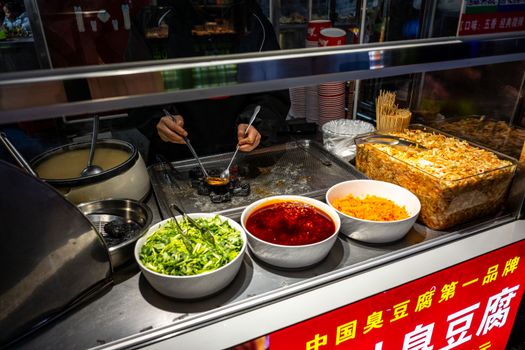
Every food traveler eventually meets a stall that makes them hesitate. It might be a tray of glistening fried insects, a cart giving off a smell that arrives well before the vendor does or a bubbling pot of something dark that you cannot identify. The hesitation is natural. The surprise is how often the scariest-looking dish turns out to be a local favourite for good reasons: it is crunchy, savoury, rich or deeply satisfying in a way that milder food is not.
This guide walks through some famously intimidating street foods, explains what they are and why people love them, and gives practical advice for trying them safely. Availability varies by city, season and vendor, so treat the examples as a guide rather than a guaranteed menu. If you have food allergies, medical conditions or are pregnant, speak to a health professional before experimenting, and never eat anything that you suspect is unsafe.
Why Scary Food Often Tastes Good
Appearance and flavour are only loosely connected. Many foods look strange because they come from parts of animals or plants that Western menus rarely feature, or because they are preserved, fermented or cooked in unfamiliar ways. Fermentation, in particular, creates strong smells but also deep, complex flavours, which is why it is central to cuisines from Korea to Scandinavia.
Another factor is context. Dishes that seem odd outside their home often make sense when eaten the way locals do, with the right sauce, side dishes or drink. A bite of fried grasshopper with lime and chili is quite different from eating one on its own.
Fried Insects: Crunchy and Surprisingly Savoury
Insects are part of everyday food in many parts of the world. In Thailand, night markets often sell crickets, bamboo worms and other fried insects seasoned with soy sauce or spices. In Mexico, chapulines, which are toasted grasshoppers, are a regional specialty in Oaxaca, often served with lime, salt and chili.
What to expect: a crisp texture, a salty and sometimes nutty flavour and a taste that depends mostly on the seasoning. Many people compare them to crunchy snacks.
Tips:
- Start with smaller insects like crickets or grasshoppers, which are less visually intimidating than large ones.
- Pick a stall with a steady stream of customers, which suggests fresh turnover.
- If you have a shellfish allergy, be cautious, as some people with this allergy may react to insects. Check with a medical professional if unsure.
Stinky Tofu: The Smell Is the Worst Part
Taiwan's night markets are famous for stinky tofu, which is fermented tofu that is fried until crisp and served with pickled cabbage and chili sauce. The smell is strong enough to be noticed from a distance, and some travelers decide not to approach.
What to expect: the aroma is much more intense than the taste. The outside is crisp, the inside soft, and the flavour is savoury and tangy, helped by the pickles and sauce. Steamed or braised versions are also common and can be richer.
Tips:
- Follow your nose to a busy stall, since popular vendors often have the best versions.
- Eat it hot and fresh.
- Try the fried version first, as it is considered a classic.
Balut: The Egg With a Reputation
Balut is a developing duck egg, boiled and eaten from the shell, popular in the Philippines and also found in Vietnam and Cambodia. It has become a rite of passage in travel stories.
What to expect: a warm, rich broth inside the shell, followed by the yolk and the tender embryo. It is typically seasoned with salt, vinegar or chili. Many people say the flavour is similar to a very savoury boiled egg with a hint of poultry.
Tips:
- Buy it from vendors who keep it hot and sell quickly.
- Eat it freshly cooked and never leave a partly eaten egg sitting out.
- Pregnant travelers and people with weakened immunity should seek medical advice before trying any dish with a higher food-safety risk.
Century Eggs: Dark, Silky and Mild
Century eggs, also called preserved eggs, have a translucent dark-brown white and a creamy grey-green yolk. They are preserved using an alkaline method, not left to rot for a hundred years. In China and across East and Southeast Asia, they are often served with congee, tofu or pickled ginger.
What to expect: the flavour is savoury, umami-rich and slightly sulfurous, but milder than the appearance suggests. Paired with silky tofu or rice porridge, it is balanced and rewarding.
Tripe and Offal Sandwiches
In Florence, lampredotto sandwiches sold from small carts are a local classic. The dish is made from a cow's fourth stomach, slowly simmered and served in a bread roll with green sauce or a spicy topping. It sounds intimidating but tastes rich and tender, a bit like a savoury, slow-cooked beef.
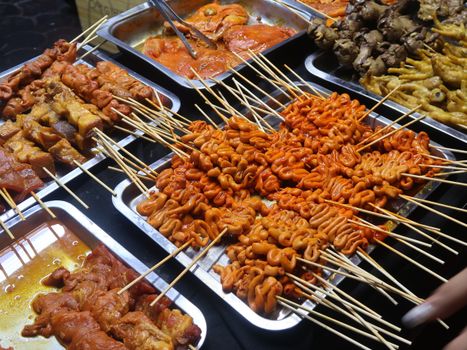
Other cities have their own versions of offal street food, from grilled organ skewers in various Asian countries to tripe soups in parts of Latin America and Eastern Europe. They are rooted in thrift and tradition, and many are cooked with great skill.
Chicken Feet and Other Unusual Cuts
Chicken feet, braised or steamed with black bean sauce, are a staple of dim sum in Hong Kong and southern China. They are gelatinous and flavourful rather than meaty. Eating them takes patience, since you nibble off the skin and spit out the small bones, but the sauce is delicious.
Similar adventures include pig ears in Chinese cold dishes, grilled hearts in Peruvian anticuchos and fish heads in many coastal cuisines.
Durian: The King of Fruits
Durian is a spiky fruit common across Southeast Asia that is famous for its smell, which people describe as everything from sweet custard to rotten onions. Some hotels and public transport systems ban it because of the odour.
What to expect: a creamy, custard-like texture and a sweet, complex flavour. Fans adore it and detractors cannot get past the smell. Different varieties vary in intensity, so locals can suggest a gentler type for a first try.
Other Intimidating Classics Worth Knowing
- Natto. Fermented soybeans from Japan, sticky and stringy with a pungent smell. Often eaten at breakfast with rice, mustard and soy sauce.
- Escamoles. Ant larvae from central Mexico, sometimes called Mexican caviar, usually sautéed with butter and herbs. Mild, buttery and a little nutty.
- Fried tarantulas in Cambodia. A novelty snack in the town of Skun, crisp on the outside with a soft interior. It is more about the story than about the flavour for many people.
- Blood-based dishes. From Taiwanese pig blood cake to black pudding in Europe, blood is a traditional ingredient, usually cooked firm and served with sauces.
Some foods are best approached with extra care. Live seafood such as sannakji, the live small octopus served in Korea, can pose a choking risk because the tentacles can stick to the throat. Anyone who tries it should chew thoroughly, and many people choose to skip it.
How to Choose a Safe Stall
Fear of getting sick is a bigger obstacle than fear of the taste, and a few habits reduce the risk considerably.
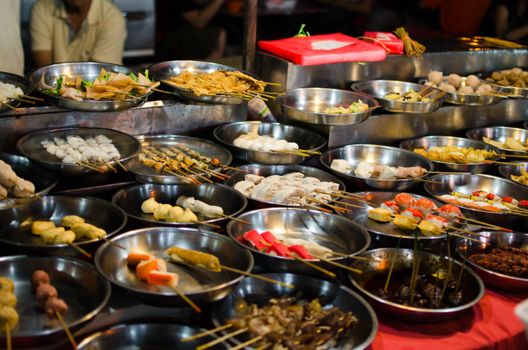
- Follow the crowd. A queue of locals means high turnover, so food does not sit for long.
- Watch the cooking. Food cooked hot in front of you is generally safer than items that have been sitting out.
- Check cleanliness. Look at whether surfaces, utensils and the vendor's hands appear clean, and whether raw and cooked foods are kept apart.
- Eat it hot. Heat kills many germs, so favour fried, grilled or boiled items.
- Be careful with ice and raw produce in places where tap water is not considered safe.
- Pace yourself. Introduce unusual foods gradually rather than sampling everything in one day.
- Carry hand sanitiser and tissues. Not every stall has a place to wash.
- Know your limits. If something seems off, in smell, appearance or temperature, skip it.
If you do get sick, rest, drink fluids and seek medical help if symptoms are severe or persistent. This article provides general information and not medical advice.
Etiquette and Respect
Treat these dishes with the respect locals give them. Avoid pulling faces or making jokes about food people eat daily. If you do not like something, say thank you and move on politely. Ask the vendor how to eat it, as there is often a right way, such as adding lime, dipping in a sauce or eating it with a particular side.
Also be mindful of animal welfare and conservation. Avoid foods made from protected or endangered species, and be cautious about dishes that are illegal or restricted in certain countries or regions.
A Gentle Ladder for Beginners
If you are nervous, build up gradually.
- Start with cooked and crispy items such as fried insects or tripe in a bun.
- Move to fermented but cooked dishes like fried stinky tofu.
- Try dishes that are visually challenging but mild, such as century egg with tofu.
- Consider stronger flavours like natto or durian.
- Treat higher-risk items like balut with extra care about freshness and your own health situation.
Frequently Asked Questions
Is street food safe to eat? Often yes, if you choose busy stalls, favour hot freshly cooked items and use basic hygiene. Risk is never zero, so use judgement.
What if I cannot stand the smell? Try a milder version or a smaller portion, or skip it. You do not have to like everything, and trying a bite is already a success.
Are there vegetarian-friendly adventurous options? Yes. Stinky tofu, natto, durian and many fermented vegetables are plant-based, though sauces may contain animal products.
Should I worry about allergies? Yes. Language barriers can make it hard to confirm ingredients, so carry a translated allergy card and avoid dishes where you cannot verify what is in them.
Summary
Many street foods that look alarming are beloved for good reasons. Fried insects, stinky tofu, century eggs, tripe sandwiches, chicken feet and durian each have a story, and the flavour is often gentler than the appearance. Choose busy stalls, eat food hot, pace yourself and respect local customs. Be careful with higher-risk dishes and your own health needs, and skip anything that seems unsafe. Trying one unfamiliar bite is often the moment a trip becomes memorable.