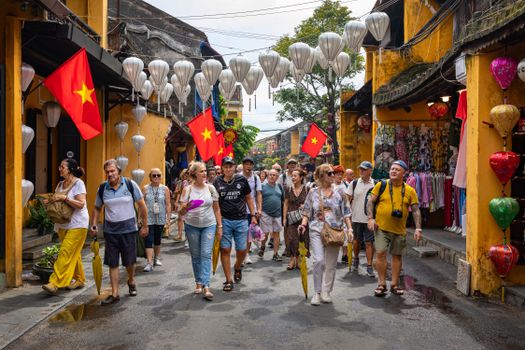
I stepped off the train at Songshan Station in Taipei, and the humidity immediately hit me like a wet wool blanket. But it wasn't just the heat. It was the smell—a chaotic, intoxicating collision of fermented tofu, caramelized pork fat, and roasted star anise drifting from the mouth of the Raohe Street Night Market.
In Europe, food markets are beautiful, but they are polite. They close at 6:00 PM, they have rope barriers, and a single artisanal cheese plate will set you back twenty Euros. Here, under the glow of hundreds of red paper lanterns, the ground was slick with grease, the air hummed with the hiss of white-hot woks, and I was about to have a life-changing meal for the price of a subway ticket.
If you are still planning your travels around European food halls, you are missing out on the real theater of gastronomy. Here is why Asian street food markets are vastly superior, and the six definitive spots you need to cross the globe for.
---
1. Raohe Street Night Market (Taipei, Taiwan)
The King of the Clay Oven
While tourists flock to the massive Shilin Night Market, locals who actually love food head to Raohe. Stretching just 600 meters along a single road, this market is a dense, high-octane gauntlet of smoke and sizzle.
Unlike European markets that feel like museums, Raohe is a living, breathing machine. The star of the show here is the Hújiāo Bǐng (Black Pepper Bun). Right at the temple entrance, you’ll see a team of workers frantically rolling dough, stuffing it with green onions and heavily peppered pork, and slapping them onto the inside walls of a cylindrical clay oven.
- The Vibe: Neon-drenched, shoulder-to-shoulder, and soundtracked by the constant clatter of metal tongs.
- What to Order: The Hújiāo Bǐng (obviously), followed by a bowl of herbal pork rib soup (shíyào páigǔ) that tastes like medicinal magic.
- Pro-Tip: Do not join the massive queue for the pepper buns immediately at 6:00 PM. Walk the length of the market first, eat some grilled king oyster mushrooms, and grab your bun on the way out around 10:30 PM when the line shrinks to a five-minute wait.
---
2. Yaowarat Road (Bangkok, Thailand)
The Neon-Drenched Wok-Fire Theater
Bangkok’s Chinatown (Yaowarat) is not for the faint of heart. There are no sidewalks here; there are only makeshift tables spilling into lanes of active traffic, where pink taxis brush past your plastic stool while you slurp soup.
European street food markets pride themselves on "hygiene aesthetics." Yaowarat prides itself on wok hei—the "breath of the wok." Watching a vendor toss flat rice noodles over a column of liquid fire that shoots three feet into the night air is better than any Michelin-starred open kitchen in Paris.
- The Vibe: High-speed, exhaust-fume-scented, and wildly cinematic.
- What to Order: Guay Jub Ouan Pochana. These are rolled rice noodles served in a broth so heavily peppery it clears your sinuses instantly, topped with crispy pork belly that shatters like glass.
- Pro-Tip: Look for the tiny, dark alleyway next to the Scala Cinema. Behind a blue plastic curtain lies a stall selling Kanom Khor (coconut rice pancakes) made by a third-generation vendor who still uses a heavy cast-iron mold from the 1960s.
---
3. Gwangjang Market (Seoul, South Korea)
Heated Benches and Cold Rice Wine
If you’ve watched Netflix’s Street Food, you already know Gwangjang. But nothing prepares you for the sheer scale of the central food aisle. While European markets are drafty in the winter, Gwangjang solves this with genius: the benches lining the food stalls are electrically heated. You sit down, your backside warms up, and a grandmotherly vendor slides a steaming bowl of handmade noodles in front of you.
This is communal dining at its most raw. You are packed cheek-by-jowl with salarymen in suits and grandmothers in visors, all drinking cloudy makgeolli (rice wine) out of brass bowls.
- The Vibe: Cozy, boisterous, and thick with the steam of boiling broths.
- What to Order: Kalguksu (knife-cut noodles) from the famous Netflix lady, and Bindaetteok—crispy, thick pancakes made from mung beans ground on-site using stone mills, fried in shallow pools of oil.
- Pro-Tip: Skip the main central intersection for Mayak Gimbap (addictive mini seaweed rolls). Instead, walk two alleys down to the textile section; there is a quiet stall run by an elderly couple who make them fresh to order rather than letting them sit in plastic wrap.
---
4. Chinatown Complex Food Centre (Singapore)
The Brutalist Hawker Heaven
Singapore's hawker culture is so culturally significant it is recognized by UNESCO. If you think Singapore is too sterile, you haven't been to the second floor of the Chinatown Complex. This is a sprawling, concrete labyrinth of over 200 stalls, cooled only by giant industrial ceiling fans.
Unlike the gentrified food halls of Lisbon or Copenhagen, this is where Singapore’s working class eats. You can get a Michelin-starred meal here for less than the price of a cup of coffee in London.
- The Vibe: No-nonsense, loud, and smelling of roasted meats and shrimp paste.
- What to Order: Zhong Guo La Mian Xiao Long Bao for some of the thinnest-skinned soup dumplings on earth, or the legendary soy sauce chicken rice.
- Pro-Tip: Master the "chope" system. If you see a pack of tissues or an umbrella sitting on an empty table, do not sit there. It means the table is reserved. Buy a packet of tissues at the convenience store downstairs before you enter.
---
5. Ho Thi Ky Food Street (Ho Chi Minh City, Vietnam)
The Motorbike-Slicked Alleyway
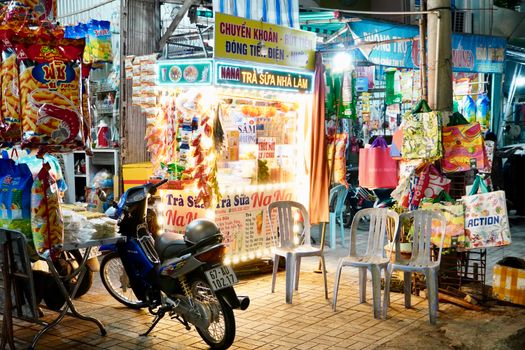
Tucked inside District 10, Ho Thi Ky is a narrow residential alleyway that transforms into a culinary runway at dusk. Motorbikes slowly squeeze through the crowd, their headlights illuminating plumes of lemongrass-scented smoke rising from charcoal grills.
This market is unique because of its heavy Cambodian influence, offering dishes you won't find in the tourist-heavy Ben Thanh market.
- The Vibe: Youthful, chaotic, and intensely local.
- What to Order: Bánh Tráng Nướng (often called Vietnamese pizza)—a sheet of rice paper grilled over charcoal, topped with butter, quail eggs, scallions, and dried shrimp.
- Pro-Tip: Wear closed-toe shoes. The ground can get wet from melted ice and prep water, and you’ll need to be nimble to dodge the occasional slow-moving Vespa.
---
6. Chulia Street & New Lane (Penang, Malaysia)
The Charcoal-Fired Heritage
Penang is the undisputed street food capital of Southeast Asia. While Europe has food trucks, Penang has wooden pushcarts that have been parked in the exact same asphalt spots for fifty years.
The cooking here is a masterclass in heat control. Vendors cook over real charcoal embers, giving the food a smoky depth of flavor (wok hei) that commercial gas burners simply cannot replicate.
- The Vibe: Nostalgic, humid, and intensely aromatic.
- What to Order: Char Kway Teow (stir-fried flat rice noodles with cockles, prawns, and Chinese sausage) and Asam Laksa (a sour, spicy fish-broth noodle soup that will shake your palate awake).
- Pro-Tip: When ordering Char Kway Teow, ask for a duck egg (hột vịt) instead of a chicken egg. It adds a rich, velvety fat content that coats the noodles perfectly.
---
The Logistics: Planning Your Culinary Pilgrimage
To help you plan, here is a quick-reference guide to navigating these legendary markets:
| Market & Location | Est. Cost per Meal (USD) | Best Time to Visit | Nearest Transit Hub | Must-Try Dish | | :--- | :--- | :--- | :--- | :--- | | Raohe Street (Taipei) | $4 - $8 | 9:00 PM | Songshan Station (Green Line) | Black Pepper Bun (Hújiāo Bǐng) | | Yaowarat Road (Bangkok) | $3 - $6 | 7:00 PM | MRT Wat Mangkon | Rolled Rice Noodles (Guay Jub) | | Gwangjang (Seoul) | $5 - $10 | 6:00 PM | Jongno 5-ga Station (Exit 8) | Mung Bean Pancake (Bindaetteok) | | Chinatown Complex (Singapore)| $3 - $7 | 11:30 AM (Lunch) | Chinatown MRT | Soup Dumplings (Xiao Long Bao) | | Ho Thi Ky (Saigon) | $2 - $5 | 8:00 PM | Grab Bike (No direct metro) | Vietnamese Pizza (Bánh Tráng Nướng) | | Chulia Street (Penang) | $2 - $4 | 7:30 PM | Rapid Penang Bus 101/201 | Charcoal Char Kway Teow |
---
The Verdict: Why Asia Wins
European markets are designed for leisure; Asian markets are built for survival and celebration. In Asia, street food isn't a weekend hobby—it is the cultural heartbeat of the city. The ingredients are fresher because the turnover is massive. The flavors are bolder because they haven't been toned down for mass-market appeal.
So, pack your bags, leave your fancy clothes at home, and prepare to eat sitting on a plastic stool three inches off the ground. Your tastebuds will thank you.
---