The Hook: A Symphony of Sizzles and Spices
I stepped off the train in Chiang Mai, the humid air thick with a thousand tantalizing promises. It wasn't the polished temples or the elephant sanctuaries that called to me first, but a primal, irresistible aroma – a heady blend of charcoal smoke, searing garlic, fragrant basil, and something sweet, something deeply savory. It was the overture to a symphony of street food, a sensory overload that instantly told me I was exactly where I needed to be. This, my friends, is the beating heart of Asia, a culinary landscape far richer and more exhilarating than any brochure could ever convey. While European travel advisors often steer us toward the predictable, the safe, and the, dare I say, sanitized, the true adventure lies in the unadulterated chaos and exquisite flavors of Asia's street food markets.
Beyond the Michelin Stars: Why Street Food Reigns Supreme
Let's be honest. While a perfectly plated dish in a hushed, Michelin-starred restaurant has its place, it rarely captures the raw, pulsating energy of a city quite like its street food scene. These aren't just places to grab a quick bite; they are vibrant social hubs, living museums of culinary tradition, and the most democratic dining experiences you'll ever encounter. Here, recipes passed down through generations are perfected on woks older than your grandparents, and every stall owner is a master of their craft. The best part? You can embark on a global culinary tour for the price of a single appetizer back home.
The Unsung Heroes: 5 Asian Street Food Havens
Forget the overly curated "foodie tours" that lead you to the same five stalls every single time. I'm talking about the real deal – markets where locals flock, where the language barrier is part of the adventure, and where every bite is a revelation.
1. Bangkok, Thailand: The Grandaddy of Street Food Chaos
Bangkok is a city that lives and breathes street food. While many advisors might point you to Sukhumvit Soi 38 (which, by the way, has sadly diminished), the true magic lies deeper.
Yaowarat Road (Chinatown), Bangkok:
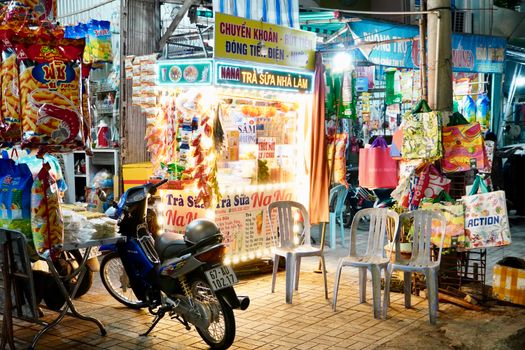
This is an absolute must. As dusk settles, Yaowarat transforms into a neon-lit wonderland of culinary delights. The air crackles with the sound of sizzling woks, the clatter of spatulas, and the enthusiastic calls of vendors.
- Must-Try: Hoi Tod (Oyster Omelet) – Crispy, savory, and utterly addictive. Look for stalls with a long queue of locals. Pad See Ew – Wide rice noodles stir-fried with Chinese broccoli and your choice of protein. The smoky char is key. Durian – For the brave! If you're going to try it, do it here, fresh from the source.
- Pro-Tip: Come after 6 PM when the main food vendors set up. Don't be afraid to try multiple dishes from different stalls. Pointing and smiling works wonders.
- Quick Facts: Yaowarat Road
- Estimated Cost: $2 - $10 per meal
- Best Time to Visit: 6 PM - 10 PM (can get very crowded)
- How to Get There: MRT to Wat Mangkon station, or a short taxi/Grab ride.
Or Tor Kor Market:
This is a more upscale, cleaner market but still offers incredible variety and quality, especially for fresh produce and prepared dishes. It's a great place to sample before diving into the more chaotic streets.
- Must-Try: Khao Niao Mamuang (Mango Sticky Rice) – The best you'll ever taste, made with perfectly ripe mangoes. Various Thai Curries and Salads – Many stalls offer pre-made, authentic versions.
- Pro-Tip: Visit in the morning for the freshest ingredients and a slightly calmer atmosphere. It's also a fantastic place to buy edible souvenirs like dried fruits and spices.
- Quick Facts: Or Tor Kor Market
- Estimated Cost: $5 - $15 per meal
- Best Time to Visit: 8 AM - 5 PM
- How to Get There: MRT to Kamphaeng Phet station (Exit 3).
2. Hanoi, Vietnam: A Culinary Ballet of Broth and Herbs
Hanoi's street food is an art form, a delicate balance of fresh ingredients, fragrant herbs, and complex broths. Forget the generic "pho" you've had elsewhere; this is the real deal.
Old Quarter Streets (e.g., Ta Hien, Luong Ngoc Quyen):
Wander the labyrinthine streets of the Old Quarter, and you'll stumble upon culinary gems at every turn. The sheer variety is astounding.
- Must-Try: Pho Bo (Beef Noodle Soup) – The quintessential Hanoi dish. Look for stalls with a constant stream of locals. The broth should be rich, clear, and fragrant. Bun Cha (Grilled Pork with Vermicelli Noodles) – A Hanoi specialty, served with fresh herbs and a dipping sauce. Ca Phe Trung (Egg Coffee) – A creamy, sweet, and surprisingly delicious concoction.
- Pro-Tip: Embrace the tiny plastic stools! They are part of the experience. Don't be afraid to ask for "thêm ớt" (more chili) or "thêm chanh" (more lime).
- Quick Facts: Hanoi Old Quarter
- Estimated Cost: $1 - $5 per meal
- Best Time to Visit: All day, but evenings offer a particularly vibrant atmosphere.
- How to Get There: Walkable within the Old Quarter. Taxis and Grab are readily available.
Dong Xuan Market:
While primarily a wholesale market, the surrounding streets and the market's food court offer an authentic taste of Hanoi's everyday eats.
- Must-Try: Banh Cuon (Steamed Rice Rolls) – Delicate, savory rolls filled with minced pork and mushrooms. Various Noodle Soups – Explore beyond Pho.
- Pro-Tip: This market can be overwhelming. Focus on the food stalls and enjoy the local buzz.
- Quick Facts: Dong Xuan Market
- Estimated Cost: $1 - $4 per meal
- Best Time to Visit: Morning to early afternoon.
- How to Get There: Short taxi/Grab ride from the Old Quarter.
3. Penang, Malaysia: The Street Food Capital of the East
Penang proudly declares itself the street food capital of Malaysia, and after a visit, you'll understand why. The fusion of Malay, Chinese, and Indian influences creates a culinary tapestry unlike any other.
Gurney Drive Hawker Centre:
While popular, Gurney Drive still offers a fantastic array of Penang's best. It's a great starting point to get a feel for the sheer diversity.
- Must-Try: Char Kway Teow – Flat rice noodles stir-fried with shrimp, cockles, and bean sprouts in a dark, savory sauce. The "wok hei" (breath of the wok) is essential. Assam Laksa – A tangy, spicy fish-based noodle soup. Rojak – A fruit and vegetable salad with a sweet and savory prawn paste dressing.
- Pro-Tip: Go with a group and order multiple dishes to share. This is the best way to sample widely.
- Quick Facts: Gurney Drive
- Estimated Cost: $3 - $8 per meal
- Best Time to Visit: Late afternoon to evening.
- How to Get There: Bus or taxi/Grab.
New Lane Hawker Centre (Lorong Baru):
This is where the locals often head for a more authentic and less tourist-centric experience. It's a true taste of Penang after dark.
- Must-Try: Satay – Skewered and grilled meat, served with a peanut sauce. Hokkien Mee – A rich prawn noodle soup.
- Pro-Tip: Arrive with an empty stomach and an adventurous spirit. The atmosphere is electric.
- Quick Facts: New Lane
- Estimated Cost: $3 - $7 per meal
- Best Time to Visit: 6 PM onwards.
- How to Get There: Short taxi/Grab ride from George Town.
4. Tokyo, Japan: Beyond Sushi - The Ramen and Yakitori Havens
While Tokyo is known for its exquisite sushi and fine dining, its street food scene is equally compelling, albeit sometimes more subtle. Think steaming bowls of ramen and perfectly grilled skewers.
Tsukiji Outer Market:
Even though the inner fish market has moved, the outer market remains a vibrant hub for fresh seafood and delicious street snacks.
- Must-Try: Tamagoyaki (Rolled Omelet) – Sweet and savory, often served on a stick. Freshly Grilled Seafood Skewers – Scallops, squid, and more. Kaisendon (Seafood Rice Bowl) – A smaller, snack-sized version.
- Pro-Tip: Visit in the morning for the freshest offerings and to witness the market's energy.
- Quick Facts: Tsukiji Outer Market
- Estimated Cost: $5 - $15 per snack/meal
- Best Time to Visit: 7 AM - 2 PM
- How to Get There: Hibiya Line to Tsukiji Station or Oedo Line to Tsukijishijo Station.
Omoide Yokocho (Memory Lane) & Golden Gai, Shinjuku:
These atmospheric alleyways are packed with tiny izakayas and yakitori stalls, offering a nostalgic glimpse into old Tokyo.
- Must-Try: Yakitori – Grilled skewers of chicken (and other parts!), vegetables, and more. Each stall has its own secret sauce. Ramen – Many small ramen shops here offer incredibly authentic and flavorful bowls.
- Pro-Tip: These places are tiny and can be intimidating. Just walk in, find a seat, and point to what you want. The smoky, intimate atmosphere is part of the charm.
- Quick Facts: Omoide Yokocho/Golden Gai
- Estimated Cost: $10 - $25 per meal (drinks included)
- Best Time to Visit: Evening onwards.
- How to Get There: Short walk from Shinjuku Station.
5. Seoul, South Korea: A Feast of Flavors and Fun
Seoul's street food scene is a lively, delicious, and often visually stunning experience, especially around its traditional markets.
Gwangjang Market:
This is arguably Seoul's most famous street food market, and for good reason. It's a sensory explosion of sights, sounds, and smells.
- Must-Try: Bindaetteok (Mung Bean Pancakes) – Crispy on the outside, soft on the inside, served with a soy-based dipping sauce. Mayak Gimbap (Addictive Seaweed Rice Rolls) – Small, bite-sized gimbap served with a mustard-soy sauce. Tteokbokki (Spicy Rice Cakes) – Chewy rice cakes simmered in a sweet and spicy gochujang sauce.
- Pro-Tip: The market is divided into sections. The food stalls are the heart of it. Don't be shy – sit at a stall and order. The vendors are incredibly friendly.
- Quick Facts: Gwangjang Market
- Estimated Cost: $3 - $8 per meal
- Best Time to Visit: 10 AM - 10 PM (peak hours are lunch and dinner)
- How to Get There: Jongno 5-ga Station (Subway Line 1).
Myeongdong Street Food Alley:
While more tourist-oriented, Myeongdong offers an incredible variety of modern and traditional Korean street food in a buzzing atmosphere.
- Must-Try: Tteokbokki, Eomuk (Fish Cakes), Hotteok (Sweet Pancakes), Dakkochi (Chicken Skewers), and countless other sweet and savory treats.
- Pro-Tip: It's a great place to try many different things in small portions. Go with friends and split!
- Quick Facts: Myeongdong
- Estimated Cost: $3 - $10 per snack/meal
- Best Time to Visit: Afternoon to late evening.
- How to Get There: Myeongdong Station (Subway Line 4).
Navigating the Culinary Labyrinth: Insider Tips for Success
Embarking on a street food adventure can be exhilarating, but a few insider tips will elevate your experience from good to unforgettable.
- Trust the Crowds: A long queue of locals is your best indicator of quality and authenticity. If the locals are eating there, you know it's good.
- Embrace the Chaos: Don't expect pristine environments. The beauty of street food is its raw, unadulterated nature.
- Learn a Few Phrases: Even a simple "thank you" in the local language goes a long way. "Xin chào" (Vietnamese), "Arigato" (Japanese), "Kamsahamnida" (Korean), "Terima kasih" (Malay), "Khob khun krab/ka" (Thai).
- Hygiene Habits: While generally safe, trust your gut. Look for vendors who appear clean and handle food with care. If you're particularly sensitive, opt for freshly cooked items.
- Carry Small Bills: Most street vendors prefer cash, and smaller denominations are easier.
- Be Adventurous: Step outside your comfort zone! Try that unfamiliar ingredient, that unusual spice. You might just discover your new favorite dish.
- Hydrate: Especially in the heat, keep water handy. Many stalls sell bottled water.
- Go with an Empty Stomach: This is not a drill. You'll want to maximize your tasting opportunities.
The Real Souvenir: Memories and Flavors
What truly sets these Asian street food markets apart is the intangible. It's the shared laughter with a vendor over a language barrier, the warmth of a steaming bowl on a cool evening, the explosion of flavors that transport you to another world. These are not just meals; they are experiences. They are the authentic heartbeats of cities, pulsing with life and tradition.
So, the next time you're planning a trip, bypass the predictable. Seek out the sizzle, the spice, and the soul of Asia. Your taste buds, and your travel stories, will thank you for it. This is where true culinary discovery happens, far beyond the suggestions of any European travel advisor.
---