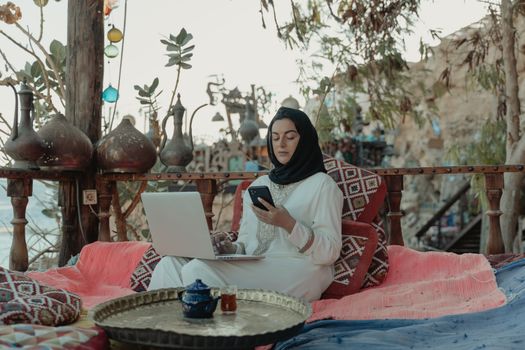
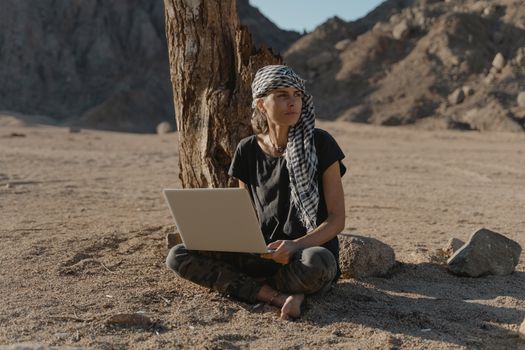
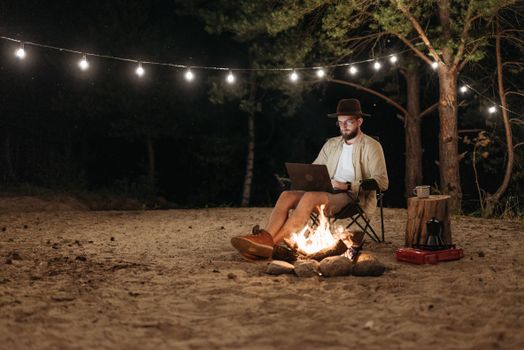
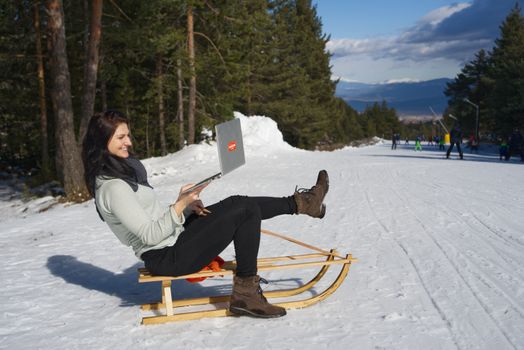
Remember that feeling when you discovered your favorite indie band before they hit the big time? Or stumbled upon that incredible, hole-in-the-wall restaurant that served the best food you’d ever tasted, long before the queues snaked around the block? That’s the thrill I chase in the digital nomad world.
My first few years as a remote worker were a whirlwind of popular hotspots – Bali, Lisbon, Medellín. Don't get me wrong, these places are fantastic for a reason. The infrastructure is there, the co-working spaces are plentiful, and you're surrounded by like-minded individuals. But after a while, I started to feel like I was living in a bubble, constantly bumping into the same faces, eating at the same "nomad-friendly" cafes, and paying "nomad prices." The authentic local experience, the true sense of discovery, began to fade.
I remember sitting in a packed Canggu cafe, laptop open, surrounded by hundreds of other remote workers, and feeling… lonely. Disconnected, even. I craved something more genuine, a place where I could truly integrate, contribute, and be part of a community that felt like mine, not just a transient stop on a well-trodden path.
That's when I decided to go off-piste. I started digging, asking, exploring – looking for the next wave, the places where the seeds of vibrant digital nomad communities were just beginning to sprout. And let me tell you, the rewards have been incredible. From sipping local wine with newfound friends in a sleepy Albanian village to exploring ancient ruins with a small band of fellow entrepreneurs in Peru, these experiences have redefined what it means to be a digital nomad.
So, if you’re ready to trade the mainstream for the magnificent, the crowded for the connected, then buckle up. I’m about to spill the beans on some truly special digital nomad communities that are thriving just beneath the radar – places where you can still make a real impact, build deep connections, and live authentically before they become the next big thing.
Why Go Off-Grid (But Not Too Off-Grid)? The Allure of the Undiscovered
Before we dive into specific locations, let’s talk about why these less-known spots are so appealing. It's not just about avoiding crowds (though that's a huge bonus!).
- Authentic Local Integration: When you're not one of thousands of nomads, locals are often more curious, welcoming, and open to connecting. You'll learn more about the culture, pick up the language faster, and truly feel like a temporary resident, not just a tourist passing through.
- Lower Cost of Living: This is often the biggest draw. With fewer international visitors driving up demand, prices for rent, food, and activities remain significantly lower. Your budget stretches further, allowing for a more comfortable or longer stay. I've found places where my monthly expenses were a third of what I'd pay in a popular hub.
- Stronger, Tighter-Knit Communities: Because the nomad numbers are smaller, the connections you make are often deeper and more intentional. You'll quickly recognize faces, build genuine friendships, and find a supportive network where everyone is genuinely invested in each other's success and well-being. It's like a family, not just a network.
- Sense of Discovery and Adventure: There's an undeniable thrill in being a pioneer, in exploring places that aren't plastered all over Instagram (yet!). You're shaping the narrative, discovering hidden gems, and experiencing a destination in its raw, unfiltered beauty.
- Sustainable Impact: By spreading out to less-visited areas, you help distribute tourism's economic benefits more widely and reduce the strain on over-touristed destinations. It's a win-win for both you and the local community.
Of course, there are trade-offs. Infrastructure might be less developed, direct flights fewer, and language barriers more pronounced. But for me, these minor hurdles are part of the adventure, easily mitigated with a little research and an open mind. Look for places with emerging local tech scenes or strong expat enclaves, as these often signal reliable internet and a welcoming atmosphere.
The Sun-Kissed Oasis: Saranda, Albania
My journey into the unknown truly began in Albania. I’d heard whispers about its stunning coastline and affordability, but nothing prepared me for the reality of Saranda. Nestled on the Albanian Riviera, directly across from Corfu, Greece, Saranda is a coastal gem that feels like a throwback to a simpler, more authentic Mediterranean life.
Why it's a hidden gem: Albania introduced a digital nomad visa recently, signaling its growing interest in remote workers. Saranda, while a popular summer spot for regional tourists, is still largely untouched by the mainstream global nomad scene. It boasts crystal-clear Ionian waters, ancient ruins, and a vibrant local culture that's incredibly welcoming.
My experience: I arrived in late spring, just as the weather was warming up. My first impression was of the incredible light, the scent of the sea, and the bustling promenade. I quickly found a comfortable, modern apartment with a sea view for around €400/month (off-season; expect €600-€800 in peak summer). The internet was surprisingly robust, easily handling my video calls and uploads.
The "community" here isn't a formal co-living space (though a few are slowly popping up, like the nascent "Nomad Beach House" concept I heard whispers about), but rather a network built through local cafes and Facebook groups. I joined "Digital Nomads Albania" and "Expats in Saranda," which led to impromptu beach volleyball games, sunset dinners, and even a hike to the nearby Monastery of 40 Saints. The local cafe, Bar Restaurant Limani, became my unofficial co-working spot, with friendly staff and strong coffee.
Practical Details:
- Cost of Living: Very affordable. A delicious seafood meal at a local restaurant can be €10-€15. Groceries are cheap, and a local beer is around €2. My total monthly spend, including rent, food, and activities, rarely exceeded €900.
- Internet: Generally reliable, especially in newer apartments and cafes. Speedtest.net often showed 50-100 Mbps download.
- Activities: Ksamil beaches (often called the "Maldives of Europe"), Butrint National Park (UNESCO World Heritage), Lëkurësi Castle for sunset views, day trips to Gjirokastër or Himara.
- Instagram-worthy: The surreal blue waters of Ksamil, the ancient amphitheater at Butrint, panoramic sunsets from Lëkurësi Castle.
The Latin American Haven: Arequipa, Peru
After the Albanian sun, I craved something with more altitude and a different cultural tapestry. My sights turned to Peru, but not the obvious choices of Lima or Cusco. Arequipa, the "White City," nestled in the shadow of three volcanoes, captured my imagination.
Why it's a hidden gem: Arequipa is Peru's second-largest city but often overshadowed by Cusco's Inca allure. However, it boasts stunning colonial architecture, a vibrant culinary scene, and a growing, albeit small, expat and nomad community that's deeply integrated with local life. It's affordable, culturally rich, and offers a slower pace than the capital.
My experience: Stepping into Arequipa's historic center, built from white volcanic sillar stone, felt like entering a different era. The Plaza de Armas is arguably one of the most beautiful in Latin America. I found a lovely room in a shared apartment just outside the center for about $350/month.
The community here is intimate. I found "Coworking Arequipa" to be a fantastic hub, not just for work but for meeting people. They hosted regular language exchanges and cultural events. Beyond that, the numerous charming cafes like Palacio Viejo and La Lucha Sanguchería were natural gathering spots. I bonded with a small group of fellow nomads over Pisco Sours and rocoto relleno (a local spicy dish) at a traditional picantería. We organized hikes to the nearby Misti volcano (or at least its base!) and weekend trips to the Colca Canyon. The warmth of the Arequipeños truly made this place special.
Practical Details:
- Cost of Living: Excellent value. A hearty menu del día (lunch set menu) is often $3-$5. Groceries are cheap, and transport via collectivos or taxis is very affordable. My monthly expenses were around $800-$1000.
- Internet: Generally good in the city center. Co-working spaces offer reliable, fast connections (50-100 Mbps).
- Activities: Explore the Santa Catalina Monastery, a city within a city; trek the Colca Canyon (one of the deepest in the world); visit the Juanita Mummy museum; immerse yourself in local markets.
- Instagram-worthy: The stunning white sillar architecture of the Plaza de Armas, the vibrant colors of Santa Catalina Monastery, the majestic Misti volcano backdrop.
The Southeast Asian Sweet Spot: Da Lat, Vietnam
Southeast Asia is a nomad magnet, but beyond the usual suspects like Bali, Chiang Mai, and Ho Chi Minh City, there are pockets of magic waiting. Da Lat, nestled in Vietnam's central highlands, is one such place. Known as the "City of Eternal Spring," its cool climate and French colonial charm offer a refreshing contrast to the region's humid coastal cities.
Why it's a hidden gem: Da Lat is a hugely popular domestic tourist destination, especially for honeymooners and weekenders. This means excellent infrastructure (cafes, hotels, internet) but a much smaller international nomad presence. It’s less about beach life and more about cool mountain air, pine forests, and a unique Vietnamese cultural blend.
My experience: After sweating my way through Ho Chi Minh City, arriving in Da Lat was a breath of fresh air – literally. The temperature was perfect, around 20-25°C, and the city felt like a quaint European town transplanted into the Vietnamese highlands. I rented a charming villa room with a small garden for about $300/month.
Da Lat is a coffee lover's paradise, and its countless cafes are natural co-working and meeting points. An Cafe became my go-to, with its quirky decor and strong Vietnamese coffee. While there isn't a dedicated large co-working space like in Hanoi, smaller, community-focused spots like "The Co-op" are emerging. I connected with a small group of expats through a local hiking club and a weekly board game night at a local brewery. We explored waterfalls, went strawberry picking, and sampled the incredible street food. The local scene is vibrant and welcoming.
Practical Details:
- Cost of Living: Incredibly affordable. Street food is king, with meals costing $1-$3. Fresh produce is abundant and cheap. My monthly budget hovered around $700-$900.
- Internet: Very reliable and fast, especially in cafes and hotels, thanks to the strong domestic tourism infrastructure.
- Activities: Explore Xuan Huong Lake, visit the eccentric Crazy House, discover Elephant Falls, cycle through pine forests, and indulge in endless coffee tasting at local plantations.
- Instagram-worthy: The colorful French colonial villas, the misty pine forests, the stunning flower gardens, and the unique architecture of the Crazy House.
The Unexpected European Retreat: Brno, Czech Republic
When you think of Czech Republic, Prague immediately comes to mind. But just a few hours east, Brno, the country's second-largest city, offers a completely different, yet equally captivating, experience for digital nomads.
Why it's a hidden gem: Brno is a vibrant university city with a strong tech scene, making it a natural fit for remote workers. It's significantly more affordable than Prague, less touristy, and offers a dynamic local culture with excellent public transport and a burgeoning startup ecosystem.
My experience: I arrived in Brno on a whim, looking for a European base that felt authentic and wasn't overrun. What I found was a city brimming with youthful energy, hidden courtyards, and an incredible craft beer scene. I managed to secure a modern apartment near the city center for about €550/month, a steal compared to Western European capitals.
The digital nomad and expat community here is active and well-organized, largely thanks to the numerous universities and tech companies. Impact Hub Brno is a fantastic co-working space that hosts regular events, workshops, and social gatherings. I quickly joined their weekly "Nomad Meetup" and found myself making friends from all over the world. We'd explore the city's underground labyrinths, enjoy cheap and delicious Czech meals at local pubs, and take weekend trips to nearby castles or even Vienna and Bratislava (both just a short train ride away). The local energy is infectious, and you feel genuinely part of a forward-thinking community.
Practical Details:
- Cost of Living: Very reasonable for Europe. A good meal with a beer can be €8-€12. Groceries are affordable, and public transport is excellent and cheap. My monthly budget was typically €1000-€1200.
- Internet: Excellent throughout the city, with speeds often exceeding 100 Mbps.
- Activities: Visit Špilberk Castle, explore the Old Town Hall and its legendary dragon, delve into the Brno Underground, enjoy the vibrant nightlife, and experience the lively student culture.
- Instagram-worthy: The iconic Cathedral of Saints Peter and Paul, quirky street art, hidden courtyards, and the panoramic views from Špilberk Castle.
How to Find Your Own Hidden Gem: Practical Tips for the Pioneer Nomad
Inspired to venture off the well-trodden path? Here’s how you can find your own burgeoning digital nomad community:
- Start with "Next-Tier" Cities: Instead of capital cities, look at the second or third-largest cities in countries known for being nomad-friendly. They often have good infrastructure, universities (which mean good internet and a youthful vibe), but fewer international tourists.
- Scour Expat & Digital Nomad Forums: Facebook groups like "Digital Nomads [Region/Country]" or "Expats in [City Name]" are goldmines. Ask specific questions about internet, cost of living, and community meetups. Look for groups that are active but not overwhelmingly large.
- Check for Emerging Remote Work Visas: Countries actively courting digital nomads are more likely to have supportive infrastructure and a welcoming attitude. Keep an eye on new visa programs.
- Prioritize Internet & Power Reliability: Use resources like Speedtest.net's global data or ask directly in local groups about internet stability and power outages. Nothing kills productivity faster than unreliable connectivity.
- Research Healthcare Access: Even in affordable places, know where the nearest clinics and hospitals are, and ensure you have adequate travel insurance.
- Do a Test Run: Don't commit to three months sight unseen. Plan a shorter stay (1-2 weeks) in an Airbnb or co-living space to gauge the vibe, check the internet, and connect with locals or other nomads.
- Embrace Local Life: Learn a few phrases of the local language, try the local cuisine, and participate in local festivals. The more you immerse yourself, the richer your experience will be.
- Be Patient with Community Building: In smaller communities, connections might take a little longer to form, but they are often deeper and more meaningful. Attend local meetups, co-working events, language exchanges, or even volunteer.
Ready to Pioneer?
The digital nomad landscape is constantly evolving, and the true magic often lies in the places still waiting to be fully discovered. Moving beyond the mainstream isn't just about finding cheaper rent or fewer crowds; it's about forging genuine connections, experiencing authentic cultures, and becoming part of something new and exciting. It's about being a pioneer, a contributor, and a true explorer in every sense of the word.
These hidden gems offer a chance to reset, to rediscover the joy of travel, and to build a life that feels truly intentional. So, are you ready to pack your bags and write your own story in one of the world's next great digital nomad hubs?
---
Are you ready to be a pioneer? Share your own hidden gems or dream off-the-beaten-path destinations in the comments below! Don't forget to bookmark this post and follow Tripsora for more insider travel tips that will take your adventures to the next level!
---