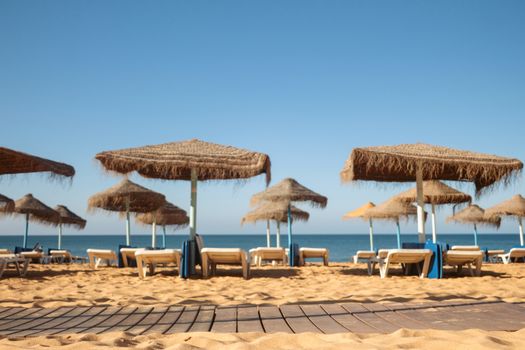
Unlock Secret Shores: 7 Off-Season Beach Towns That Will Blow Your Mind
I remember my first trip to a "popular" beach town during peak season. The sun was shining, the sand was golden, and… I spent half my time queuing for coffee, fighting for a patch of sand that wasn't covered in towels, and paying triple for a mediocre meal. The "relaxing" vacation I'd envisioned felt more like an Olympic sport in crowd navigation.
Fast forward a few years, and I found myself staring at a postcard-perfect sunset in Santorini, completely alone on a cliffside path, a glass of local Assyrtiko in hand. The only sound was the gentle lapping of waves below and the distant chime of a church bell. This wasn't a dream; this was Santorini in late September – a revelation. The off-season isn't just a travel hack; it's a philosophy, a secret handshake among savvy travelers who know that true magic happens when the masses disperse.
If you're ready to trade tourist traps for authentic experiences, inflated prices for incredible value, and crowded beaches for serene shores, then buckle up. I'm about to unveil 7 beach towns that aren't just good in the off-season, they're downright mind-blowing.
The Off-Season Advantage: Why You Need to Go Against the Tide
Let's be honest: the idea of a beach vacation conjures images of endless sunshine and bustling boardwalks. But what if I told you that chasing the "perfect" weather often means chasing everyone else? The off-season (or "shoulder season" – the periods just before or after peak) offers a treasure trove of benefits that will fundamentally change how you travel:
- Fewer Crowds, More Authenticity: Imagine exploring ancient ruins without a selfie stick forest, or finding a quiet corner at a famous viewpoint. Fewer tourists mean more space, more peace, and a chance to interact with locals on a deeper level. You'll see the destination as it truly is, not as a theme park.
- Unbeatable Prices: This is often the biggest draw. Flights, accommodations, tours, and even some local restaurants slash their prices dramatically. That boutique hotel you’ve drooled over? Suddenly within reach. Those extra savings? Hello, delicious local meals and unique souvenirs!
- Milder Weather, Better Exploration: While the off-season might mean a slight dip in temperature or an occasional shower, it often translates to more comfortable conditions for exploring. Hiking becomes a joy, not a sweat-drenched endurance test. Plus, you get to experience the destination in a different light – lush green landscapes, dramatic skies, and cozy evenings.
- Enhanced Local Experiences: With fewer tourists, locals are often more relaxed and open to conversation. You might stumble upon a local festival, a quiet market, or simply find yourself invited for a chat over coffee. This is where the real travel memories are made.
- Sustainable Travel: By spreading tourism throughout the year, you help reduce the strain on popular destinations during peak times and support local economies more consistently. It's a win-win for everyone.
Practical Tip: "Off-season" isn't a one-size-fits-all term. For Europe and North America, it usually means late fall (Sept-Nov) and early spring (March-May). For Southeast Asia, it often aligns with the "green season" or monsoon (May-Oct), which brings lush landscapes and short, refreshing downpours. Always check specific regional weather patterns and holidays.
1. Santorini, Greece: Beyond the Crowds, Into the Soul
When to Go: April-May or September-October
My first peak-season visit to Santorini felt like being herded through a beautiful, white-washed maze. The famous Oia sunset? A battle royale for a sliver of space. But oh, Santorini in the shoulder season... that's a different story entirely.
I returned in late September, and it was pure magic. The Aegean Sea was still warm enough for swimming, the sun still shone gloriously, but the cruise ship hordes had thinned out. Suddenly, I could actually walk the caldera path from Fira to Oia without constant jostling. I found myself lingering at the Venetian Castle in Oia, watching the sun dip below the horizon, sharing the moment with only a handful of others. It felt intimate, almost spiritual.
What to Expect:
- Fewer Crowds: The biggest perk. You’ll have more space to explore, take photos, and simply be.
- Pleasant Weather: Daytime temperatures hover around 20-25°C (68-77°F), perfect for exploring, hiking, and enjoying the outdoor cafes. Evenings are crisp and lovely.
- Better Prices: That dream cave hotel with a caldera view? I snagged a gorgeous suite for about €250/night in late September, which would easily be €600+ in July. Flights from major European hubs are also significantly cheaper.
- Authentic Experiences: Renting an ATV becomes a joy, not a traffic nightmare. You can easily get a table at local tavernas like Metaxi Mas in Exo Gonia, savoring fava and fresh seafood without a reservation two weeks in advance. Take a catamaran cruise and actually spread out on the deck!
Instagram-Worthy Moment: A solitary walk along the Fira-Oia path at sunrise, capturing the iconic white architecture bathed in soft, golden light, with the caldera all to yourself.
2. Tulum, Mexico: Mayan Magic Without the Madness
When to Go: May-June or September-October (avoiding peak hurricane season in August)
Tulum has exploded in popularity, and for good reason. Its bohemian vibe, ancient ruins, and stunning cenotes are irresistible. But in peak season, it can feel like a pricey, crowded influencer photoshoot. My secret? Embrace the "low season," particularly the fringes of it.
I visited in early June, and yes, it was hot, and we had a few short, intense rain showers. But these showers often passed within an hour, leaving behind a fresh, vibrant landscape. The real win? Exploring the Tulum ruins almost alone, feeling the ancient energy without the constant chatter of tour groups. We found a hidden cenote, Gran Cenote, where we swam with turtles in crystalline waters, sharing it with only one other couple. It was pure, unadulterated bliss.
What to Expect:
- Significantly Lower Prices: Hotels, especially the beachfront boutique resorts, can drop their rates by 30-50%. A gorgeous cabana that would be $400 in December might be $200 in June. Flights into Cancun (CUN) also see a dip.
- Fewer Tourists: The famed Tulum Beach will have plenty of space, and popular cenotes and ruins like Coba or Chichen Itza are far less crowded.
- Lush Landscape: The occasional rain means the jungle is incredibly vibrant and green, making for stunning photos.
- Still Great Weather (mostly): It’s hot and humid, but the Caribbean Sea is warm for swimming. The rain often comes in short, dramatic bursts, followed by sunshine. Just be mindful of hurricane season risks, and always have travel insurance.
Instagram-Worthy Moment: Swimming in a pristine, uncrowded cenote, sunbeams piercing the water, capturing the ethereal beauty of the underground world.
3. Amalfi Coast, Italy: Dolce Vita on a Different Pace
When to Go: April-May or September-October
The Amalfi Coast is a dream, but driving its winding roads in July or August feels like a scene from Mad Max. Parking is impossible, restaurants are packed, and the sheer beauty is often overshadowed by the chaos. My advice? Go in the shoulder season.
I spent a glorious week in early October, based in Positano. The weather was divine – warm enough for a dip in the sea (though a bit brisk!), perfect for hiking, and cool enough for comfortable evenings. We drove the coastal road with relative ease, pulling over for impromptu photo stops without fear of causing a mile-long traffic jam. We hiked the Path of the Gods from Bomerano to Nocelle, taking in panoramas that stole my breath, meeting only a handful of other hikers. Afterward, we savored fresh pasta and limoncello at a local trattoria, chatting with the owner about his family recipes. It felt like my Amalfi, not a tourist's.
What to Expect:
- Manageable Crowds & Traffic: Still popular, but significantly less congested. You can actually enjoy the scenic drives and find parking.
- Ideal Hiking Conditions: The summer heat makes intense hikes unbearable. Spring and fall offer perfect temperatures for exploring the region's incredible walking trails.
- Gorgeous Weather: Warm, sunny days and comfortable evenings. The sea might be a bit cooler, but still inviting.
- Reduced Costs: While not as dramatic as some other destinations, you'll find better deals on hotels (expect 20-30% savings) and car rentals. Boat tours are still plentiful but less packed.
Instagram-Worthy Moment: A panoramic shot from the Path of the Gods, overlooking the sparkling turquoise sea and colorful cliffside towns, with clear skies and very few people in sight.
4. Maui, Hawaii, USA: Aloha Spirit, Unfiltered
When to Go: September-November
Hawaii is always a dream, but its popularity means peak seasons (summer and winter holidays) are expensive and crowded. Maui in the fall, however, is a revelation. The summer families have gone back to school, and the winter whale-watching crowds haven't arrived yet.
I spent a fantastic two weeks on Maui in October. The weather was consistently sunny and warm, the ocean was calm, and I found myself on stunning beaches like Wailea and Ka'anapali with plenty of personal space. Waking up at 3 AM to catch the sunrise from Haleakala Crater was an epic experience made even better by fewer people at the summit. I even managed to snag a last-minute reservation at Mama's Fish House (a near impossibility in peak season!) and enjoyed a truly unforgettable meal. Car rental prices were noticeably lower, and resorts offered enticing packages.
What to Expect:
- Post-Summer Lull: Fewer families, more couples and solo travelers. This translates to quieter beaches, less crowded attractions, and easier restaurant reservations.
- Excellent Weather: Consistently sunny, warm days (avg. 28-30°C / 82-86°F), and warm ocean temperatures. It’s still prime beach weather.
- Lower Prices: Expect 15-25% savings on flights and accommodations compared to peak season. Car rentals, a crucial expense in Maui, also see a dip.
- Early Whale Migration (Late Nov): If you go towards the end of November, you might catch the very beginning of the humpback whale migration, before the full crowds arrive.
Instagram-Worthy Moment: A serene sunrise over the clouds at Haleakala Crater, with vibrant hues painting the sky and minimal foreground distractions from other tourists.
5. Koh Lanta, Thailand: Green Season's Quiet Charm
When to Go: May-October
When most people think of Thailand's islands, they picture sunny skies and bustling beaches. But the "green season" (often called monsoon season) on islands like Koh Lanta offers a completely different, incredibly rewarding experience. Yes, it rains, but usually in spectacular, short bursts, leaving behind a lush, vibrant paradise.
I visited Koh Lanta in July, and it quickly became one of my favorite Thai islands. The beaches were virtually empty, the jungle was incredibly green, and the air felt fresh. Resorts offered unbelievable deals – I stayed in a beautiful bungalow overlooking the ocean for about $30/night, a fraction of its high-season price. We rented a scooter and explored the island, discovering hidden coves and dining at small, local eateries where we were often the only tourists. Diving and snorkeling trips were also cheaper and surprisingly good, with clearer waters after the initial rain stirred up sediment. The local life truly shines through.
What to Expect:
- Dramatic Price Drops: Flights, ferries, and especially accommodations are incredibly cheap. Expect 40-60% savings on resorts.
- Empty Beaches: You’ll feel like you have your own private island paradise.
- Lush Scenery: The rain transforms the island into a vibrant, emerald wonderland. Waterfalls are at their fullest.
- Authentic Local Life: With fewer tourists, you'll see more of how locals live and interact. Markets are bustling with local activity, not just tourist wares.
- Still Plenty of Sunshine: While there are showers, they often come and go quickly, leaving ample time for sunbathing, swimming, and exploring.
Instagram-Worthy Moment: A deserted, palm-fringed beach with dramatic storm clouds gathering in the distance, creating a moody, ethereal backdrop, capturing the raw beauty of the green season.
6. The Outer Banks, North Carolina, USA: Coastal Serenity, American Style
When to Go: September-November
The Outer Banks (OBX) is a beloved summer destination for East Coasters, but come Labor Day, the crowds dissipate, leaving behind a tranquil, windswept paradise. While hurricane season is a consideration (always get travel insurance!), the fall often brings some of the most glorious weather.
I've made an annual tradition of visiting the OBX in late September. The ocean is still warm enough for swimming, the air is crisp and clear, and the beaches are practically deserted. We’ve spent hours watching wild horses roam freely on the less-developed northern beaches, gone crabbing off the pier without another soul in sight, and climbed Jockey's Ridge sand dunes feeling like we had the whole desert to ourselves. Vacation rental homes, which are exorbitant in July, become incredibly affordable, allowing for spacious, comfortable stays with ocean views. Fishing is also fantastic in the fall!
What to Expect:
- Post-Labor Day Peace: The family crowds vanish, leaving behind a quiet, relaxed atmosphere.
- Beautiful Weather: Warm days, cool nights, and often glorious sunshine. Perfect for long walks on the beach, biking, and exploring lighthouses.
- Affordable Accommodation: Vacation rentals, from cozy cottages to sprawling oceanfront homes, see significant price drops (30-50% off summer rates).
- Excellent Fishing: Fall is prime time for surf fishing and pier fishing, with bountiful catches.
- Wild Horse Encounters: The horses are often more visible and less disturbed by people.
Instagram-Worthy Moment: A wild horse silhouetted against a vibrant sunset on a deserted Outer Banks beach, capturing the raw, untamed beauty of the coastline.
7. Dubrovnik, Croatia: Adriatic Charm Without the Game of Thrones Hordes
When to Go: April-May or September-October
Dubrovnik, the "Pearl of the Adriatic," is undeniably stunning. But thanks to its role as King's Landing in Game of Thrones, its narrow streets and ancient walls can become impossibly crowded in summer. The shoulder seasons, however, reveal its true, majestic self.
I journeyed to Dubrovnik in mid-May, just as the weather was warming up. The iconic city walls were still busy, but manageable, and I could actually pause to take in the breathtaking views without being swept along. We took a boat trip to Lokrum Island and found secluded coves to swim in. Dinners at seaside restaurants were relaxed, and the prices for fresh seafood felt reasonable. The sun was warm, the sea was inviting, and the city hummed with a pleasant, authentic energy, rather than a frantic tourist rush. It felt like stepping back in time, rather than into a film set.
What to Expect:
- Fewer Crowds, Especially on Walls: You can truly appreciate the architecture and history without constant jostling.
- Pleasant Temperatures: Warm, sunny days perfect for exploring, swimming, and island hopping. The sea is still refreshing in May and warm in September/October.
- Better Value: Accommodation prices ease up, and you’ll find better deals on excursions and even some restaurants compared to peak summer.
- Lush Surroundings: The spring brings blooming flowers, and the fall offers beautiful light.
Instagram-Worthy Moment: A stunning aerial shot from the city walls, overlooking the terracotta rooftops and the sparkling Adriatic Sea, with just a few people enjoying the view, emphasizing the scale and beauty of the city without the crush of crowds.
The Takeaway: Your Mind-Blowing Off-Season Adventure Awaits
The allure of off-season travel isn't just about saving money (though that's a huge bonus!). It's about experiencing destinations in their purest, most authentic form. It's about quiet moments of reflection, genuine interactions with locals, and discovering the soul of a place without the filters of mass tourism.
So, next time you're planning a beach getaway, challenge yourself to go against the grain. Look beyond the peak season brochures and embrace the magic of the shoulder season. You might just find that the best version of paradise is waiting for you when no one else is looking.
Which off-season beach town will you conquer next? Share your thoughts and your own off-season secrets in the comments below! And don't forget to share this post with your fellow wanderlusters – let's spread the word about smarter, more authentic travel!
---