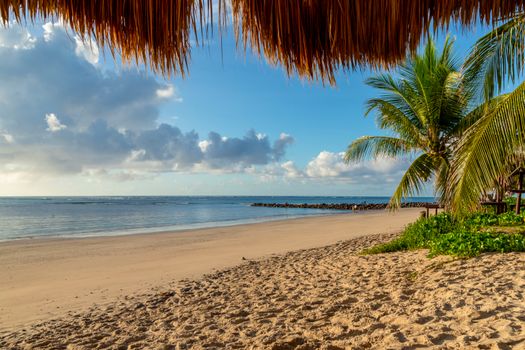
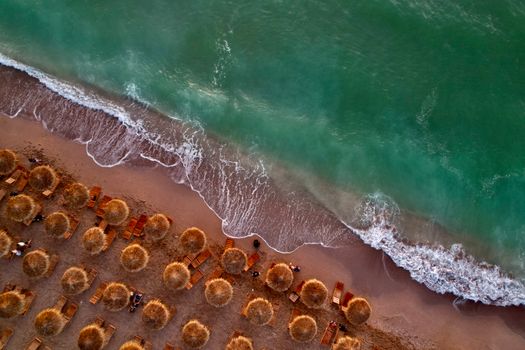
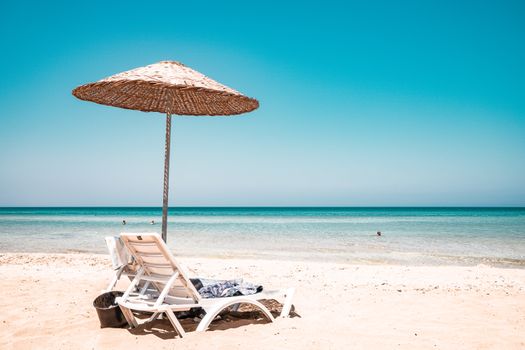
Almost every beach town has two personalities. In summer it is loud, sunny and busy, with traffic jams, queues for lunch and umbrellas packed so tightly it is hard to find a patch of sand. Come back a few months later and it is a different place. The cafes are half empty, the promenade is walked by people with dogs, the sea is wide and grey or quietly blue and the town seems to breathe out. For many travelers, that second personality is the better one.
Visiting a beach town out of season is not for everyone, and it takes a little planning to avoid disappointment. This guide explains why the off-season can be better, what you realistically give up, how to choose a destination and how to make the most of it. Weather, opening hours and prices vary widely between regions and from year to year, so always check current information with local sources before you book.
What Off-Season Really Means
The off-season is whatever period a town regards as its quiet time. In the Mediterranean, that usually means late autumn through early spring. In the Caribbean it may coincide with the rainy or hurricane season. In Southeast Asia, it often aligns with the monsoon. In the northern United States and Canada, it follows the end of summer.
Between the extremes lies the shoulder season, the weeks before and after the peak when the weather is often still pleasant, but crowds and prices have dropped. For many travelers, the shoulder season is the sweet spot, offering most of the benefits of the off-season with fewer of the drawbacks.
The Benefits of Going Out of Season
Space and quiet
The most obvious advantage is room. You can walk along a beach without dodging other people, find a table at a popular restaurant without waiting and take photographs without crowds in the frame.
Lower prices
Accommodation is often cheaper when demand falls, and some hotels and guesthouses offer discounts, extra nights or flexible policies. Rates differ by town and by year, so compare dates rather than assuming.
A more local atmosphere
Without a constant flow of visitors, you see how residents live. Fishermen mend nets, bakeries serve neighbours first and cafes become gathering points. Conversations with shopkeepers and hosts tend to be longer and warmer.
Better access for activities
Walking, cycling, birdwatching, photography and wild swimming for the hardy are all more pleasant without summer heat and crowds. Storm watching, if conditions are safe, can be dramatic.
Seasonal food
Many coastal areas have specialities that peak outside summer, from oysters and mussels to winter stews and harvest festivals. Local menus often shift toward what is genuinely in season.
Better light
Photographers often prefer the clearer, lower light of spring and autumn, and the moody skies of winter.
The Trade-Offs to Accept
Honesty matters here. Out-of-season trips are not always easy.
- Weather. Expect cooler temperatures, wind, rain and sometimes storms. The sea may be too cold for comfortable swimming without a wetsuit.
- Closures. Many restaurants, shops, beach clubs and attractions close for the season or reduce their hours. Ferries and buses may run less frequently.
- Shorter days. Daylight can be limited in winter, which affects sightseeing plans.
- Quiet nightlife. If you want bars, music and crowds, you may find them lacking.
- Maintenance work. Some hotels carry out renovations in the quiet months.
- Safety conditions. Cold water, strong currents and storms demand more caution. Never ignore warning flags or local advice.
None of these is a dealbreaker if you plan with them in mind.
How to Choose the Right Town
Not every beach town is rewarding out of season. Look for signs that it is a real place and not only a summer resort.
- A year-round population. Towns with schools, markets and ordinary shops tend to stay alive. Purely tourist-focused resorts can feel deserted.
- Good transport links. Check that trains, buses or flights operate in the off-season.
- A reliable base of restaurants and cafes. Search recent reviews to see which places stay open.
- Things to do beyond the beach. Hiking trails, museums, harbours, historic centres and food markets provide options when the weather is poor.
- Moderate climate. Mild winters or pleasant shoulder seasons make a significant difference.
- Accommodation that stays open. Look for hotels and guesthouses with heating and insulation, not only summer-style lodging.
Examples of the types of places that often work well include working harbour towns, university or market towns on the coast and places with a strong food culture. Resort-only areas with a short season are less reliable.
Planning Your Trip Step by Step
- Pick your priorities. Do you want peace, a bargain, walking or food? That determines the right season and destination.
- Check the climate. Look at typical temperatures, rainfall, wind and daylight hours for your dates.
- Research closures. Search for restaurants, tours and transport that operate in your travel period, and call or message when in doubt.
- Choose flexible bookings. Weather can change plans, so favour free cancellation where possible.
- Book key meals. A few restaurants might have limited days, so reserve those you really want.
- Plan indoor alternatives. Museums, spas, cooking classes, covered markets and cinemas are lifesavers on wet days.
- Pack sensibly. See the list below.
- Leave room in the schedule. Allow for a slow morning, a long lunch or a sudden change of plan.
What to Pack
- Waterproof jacket and a warm layer, even in the shoulder season.
- Comfortable, water-resistant shoes for walking along damp promenades.
- A hat and gloves for winter coastal wind.
- A swimsuit anyway, since a hotel pool, sauna or spa may be available.
- A small umbrella or compact hood.
- A power bank and offline maps in case of poor signal.
- A good book or a downloaded playlist for slow afternoons.
Things to Do in an Off-Season Beach Town
- Walk the shoreline at different times of day and watch how the tides and light change.
- Visit the harbour to see boats come in, and ask where the catch is sold.
- Eat local. Try a fish soup, a regional stew or a bakery speciality.
- Explore beyond the beach: hiking paths, lighthouses, old forts and nearby villages.
- Attend local events. Many towns hold festivals, markets or cultural nights out of season.
- Try a slow activity such as pottery, photography or cooking.
- Take a spa day or use thermal pools where available.
Safety Considerations
The sea demands respect. In cold months or stormy weather:
- Check local forecasts and heed beach warning flags.
- Avoid walking on exposed piers, rocks or breakwaters during heavy swell.
- Do not swim alone, and be aware that cold water can be dangerous even for strong swimmers.
- Tell someone your plans if you go walking in remote areas.
- Check tide times before walking on tidal flats or isolated beaches.
This is general guidance. Follow local authorities' advice at all times.
Responsible Travel in the Quiet Season
Visiting in the off-season can support local businesses at a time when income is thin. Choose independent restaurants, guesthouses and shops that stay open, and tip appropriately according to local custom. Be respectful of residents, who may value the quiet as much as you do, and avoid creating noise or littering. If a business seems closed, check before complaining; many family-run places take a well-earned break.
Who Enjoys Off-Season Beach Trips Most
Different travelers get different things from a quiet coast, and it helps to be honest about which group you belong to.
- Writers, remote workers and creatives often find that a calm town with a good cafe and a long walk at lunchtime is ideal for focus. Check that your accommodation has reliable internet and heating before you commit.
- Couples can enjoy slow dinners, fireside evenings and long walks, as long as they accept that nightlife will be limited.
- Families with young children may find milder shoulder seasons easier than summer heat, though they should check which attractions are open and how early daylight fades.
- Photographers and birdwatchers often prefer the dramatic skies, migrating birds and empty beaches of the quieter months.
- Budget travelers can stretch their money further, particularly on accommodation, though they should compare transport costs too.
- Social butterflies who love crowds, beach clubs and late-night music may be happier in peak season, or in a larger town that stays lively all year.
A Simple Packing Strategy for Changeable Coasts
Coastal weather can shift within an hour, so think in layers. A base layer that dries quickly, a warm mid-layer such as a fleece or wool jumper and a windproof, waterproof outer shell will cover most conditions. Add a spare pair of socks, since wet feet can spoil a day quickly, and keep electronics in a waterproof pouch when you are near the water.
On days when the weather forces a change of plan, a short list of backup ideas helps: a museum you have been meaning to see, a cooking class, a covered market or a long lunch. Having these ready turns a rainy day into a different kind of good day rather than a lost one.
Frequently Asked Questions
Is the off-season cheaper overall? Often accommodation is cheaper, but flights, car rental and activities vary. Compare the whole cost rather than relying on one factor.
Will everything be closed? Not everything, but a lot can be. Research and confirm opening times before you rely on a specific restaurant or tour.
What is the best month to visit? It depends on the region. Look for the shoulder season, when weather is still pleasant and crowds are thinner.
Can I still swim? Sometimes, depending on the destination and your tolerance for cold water. Many travelers enjoy a short, safe dip, while others stick to hotel pools or thermal baths.
Summary
Beach towns out of season offer room to breathe, lower prices, local atmosphere and distinctive food, at the cost of unpredictable weather and reduced services. Choose a year-round town with good transport and things to do beyond the sand, check what is open, pack for changeable weather and respect the sea. Plan flexibly, and treat a grey day as part of the charm. For many travelers, the quiet version of a beach town turns out to be the one they remember most fondly.