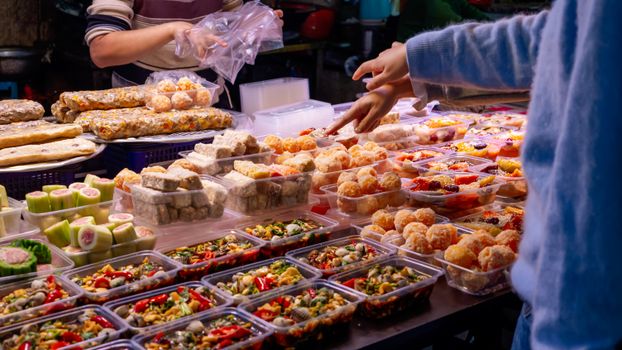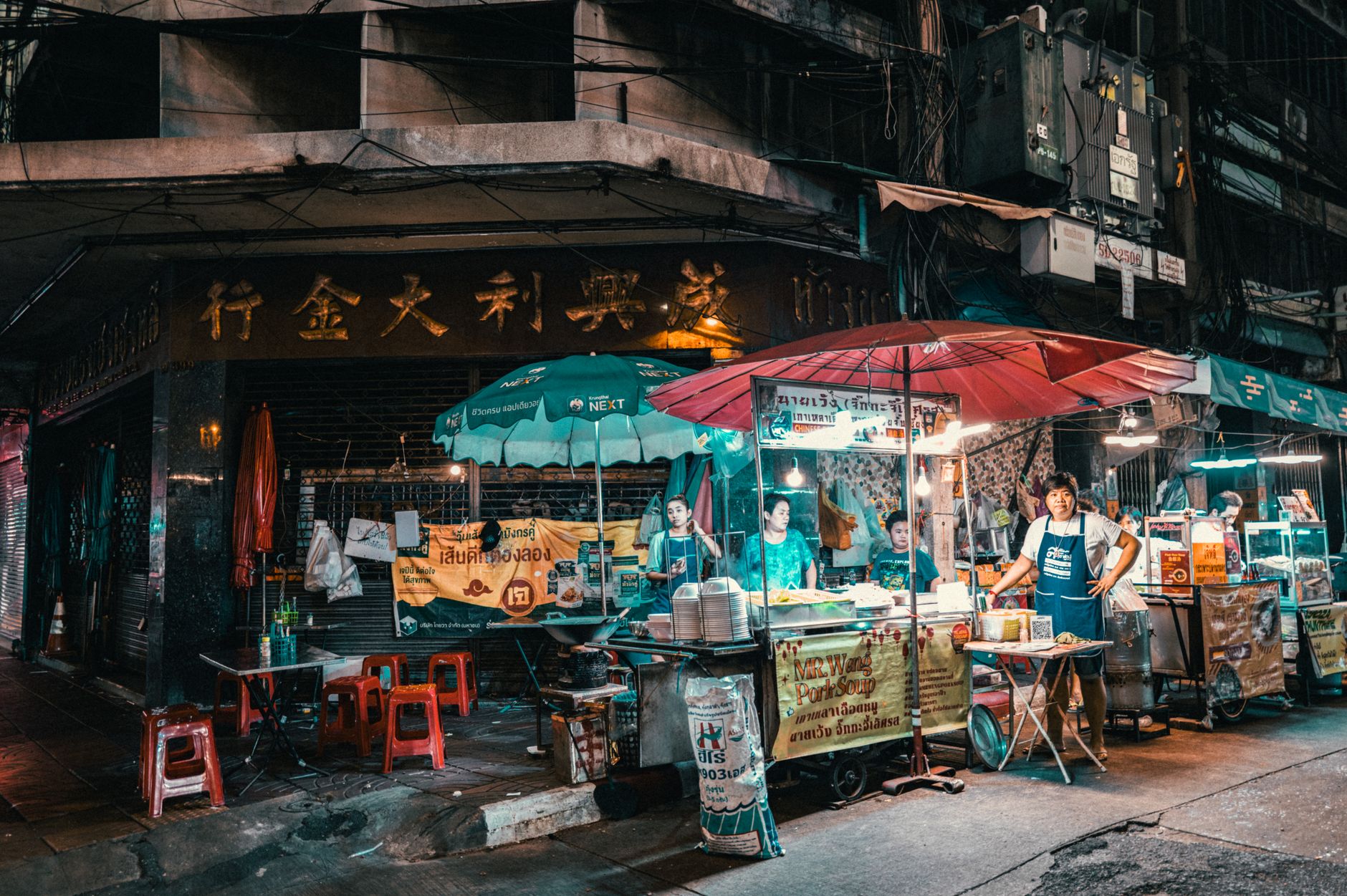
The air crackles with energy. A symphony of sizzling woks, enthusiastic chatter, and the intoxicating aroma of spices, herbs, and grilled meats fills your senses. This isn't just dinner; it's a sensory overload, a cultural immersion, and quite possibly, the best meal of your life. I'm talking about local night markets – the beating heart of a city's culinary scene, where the real magic happens, far from the polished, overpriced tourist spots.
I still remember my first "tourist trap" night market experience. Bright lights, English menus everywhere, inflated prices, and food that, while decent, lacked that authentic spark. It left me feeling...unfulfilled. That night, I vowed to seek out the real deal – the markets where grandmas haggle for fresh produce, where students grab a cheap, delicious bite after class, and where families gather for their evening feast. And let me tell you, that quest has led me to some of the most mind-blowing food experiences on the planet.
If you're ready to ditch the guidebooks that point you to the obvious and dive headfirst into the true flavors of a destination, you’re in the right place. This isn't just about eating; it's about connecting with a culture through its most delicious expression. So, grab your stretchy pants, an adventurous spirit, and let's embark on a journey to the night markets where locals actually eat, and your mind will undoubtedly be blown!
The Quest for Authenticity: Why Go Local?
Why bother venturing off the well-trodden path when there are perfectly good, easy-to-find markets? Simple: authenticity, flavor, and value. Tourist markets are designed for convenience, often sacrificing genuine local taste for mass appeal. They might have a "local feel," but the food often tastes diluted, and the prices are inflated to cater to visitors who don't know better.
Local night markets, on the other hand, are a different beast entirely. They thrive on repeat local business, meaning vendors are constantly striving for perfection, using the freshest ingredients, and maintaining competitive prices. Here, you’ll find generations-old recipes, unique regional specialties, and a vibrant atmosphere that's impossible to replicate. You're not just a customer; you're part of the daily rhythm of life. How do you spot one? Look for fewer English signs, more local families, bustling queues, and vendors who seem genuinely excited about their craft. Trust me, the extra effort is always, always worth it.
1. Taste of Thailand: Kad Na Mor, Chiang Mai – The Student Foodie Haven
My first truly authentic night market revelation happened in Chiang Mai, Thailand, not at the famous Sunday Walking Street, but at a place called Kad Na Mor. Tucked away near Chiang Mai University, this market is a buzzing hub for students and locals, making it incredibly vibrant and unbelievably affordable.
Imagine walking into a kaleidoscope of colors and aromas. Stalls overflowing with everything from perfectly grilled skewers to steaming bowls of noodles. The energy is infectious, with students laughing, chatting, and debating their next snack. I remember standing there, slightly overwhelmed by the choices, when a friendly student, noticing my bewildered expression, pointed me towards a stall selling Sai Oua (Northern Thai sausage). It was a game-changer – smoky, herby, with a perfect spicy kick, served with sticky rice. Pure bliss for about 40 THB ($1.20 USD).
What to try:
- Sai Oua: The iconic Chiang Mai sausage, bursting with herbs and spices.
- Khao Soi: While often found in restaurants, some stalls here do a fantastic, rich, creamy coconut curry noodle soup.
- Moo Ping: Grilled pork skewers, marinated to perfection.
- Fresh Fruit Shakes: Mango, passion fruit, or durian (if you dare!) blended with ice.
- Sticky Rice with Mango: A classic dessert, heavenly sweet and refreshing.
Practical Tips:
- Go hungry: Seriously, there's so much to try.
- Embrace the crowd: It gets busy, especially on weekends, but that's part of the fun.
- Prices: Expect to pay around 30-60 THB ($1-2 USD) per dish, making it incredibly budget-friendly.
Getting there: Kad Na Mor is easily accessible by Grab (Southeast Asia's Uber equivalent) or a red songthaew (shared taxi) from Chiang Mai's Old City. It's located just off Huay Kaew Road, near the university.
2. Hanoi's Culinary Symphony: Old Quarter Street Food Stalls – A City-Wide Feast
Hanoi's Old Quarter doesn't have one single "night market" in the traditional sense; instead, the entire district transforms into a sprawling, vibrant open-air food festival every evening. Every street corner, every alleyway, every tiny plastic stool becomes a potential culinary adventure. This is where Hanoi truly comes alive after dark, and it’s an experience that will forever change how you view street food.
My most vivid memory here is squatting on a tiny red plastic stool, barely a foot off the ground, sharing a steaming bowl of Bun Cha with a local family. We didn't speak the same language, but the shared joy of the delicious grilled pork, vermicelli noodles, and fresh herbs transcended any barrier. The sounds of motorbikes whizzing past, vendors calling out their wares, and the constant hum of conversation created an intoxicating backdrop to the meal. It felt raw, authentic, and utterly unforgettable.
What to try:
- Bun Cha: Grilled pork patties and slices in a sweet and sour broth, served with vermicelli noodles and fresh herbs. A Hanoi specialty!
- Pho Cuon: Fresh pho noodle rolls, filled with stir-fried beef and herbs, served with a dipping sauce. Lighter than traditional pho.
- Banh Mi: The iconic Vietnamese baguette sandwich. Look for stalls that grill their pork or chicken fresh.
- Che: Sweet dessert soups or puddings, often with beans, jellies, and coconut milk.
- Egg Coffee (Ca Phe Trung): While not food, this rich, creamy, sweet coffee is a must-try dessert-like drink.
Practical Tips:
- Look for busy stalls: A long line of locals is always a good sign.
- Don't be afraid to point: Many vendors won't speak much English, but a smile and a pointing finger go a long way.
- Explore the alleys: Some of the best hidden gems are tucked away in narrow lanes.
- Prices: Expect to pay around 25,000-50,000 VND ($1-2 USD) per dish.
Getting there: Simply walk through the Old Quarter around Hoan Kiem Lake after sunset. The food stalls are everywhere!
3. Malaysia's Mega Feast: Taman Connaught Night Market, Kuala Lumpur – A True Local Institution
If you're in Kuala Lumpur and want to experience a night market that's truly for the locals, you must make the trip to Taman Connaught Night Market. This isn't just a market; it's a phenomenon. Stretching for over two kilometers, it's one of the longest night markets in Malaysia, and it only operates once a week, every Wednesday evening.
My first visit was overwhelming in the best possible way. The sheer scale of it is mind-boggling – an endless procession of food stalls, each vying for your attention with tantalizing aromas and vibrant displays. I spent hours just wandering, trying everything from classic Malaysian dishes to unique fusion creations. I remember queuing for what felt like ages for a plate of Curry Mee, a rich coconut curry noodle soup, and every spoonful was worth the wait. The sense of community, the diverse crowd, and the incredible variety of food made it an epic culinary adventure.
What to try:
- Curry Mee: A rich, spicy coconut curry noodle soup with various toppings.
- Lok Lok: Skewers of various meats, seafood, and vegetables that you cook yourself in boiling broth and then dip in a variety of sauces.
- Char Kuey Teow: Stir-fried flat rice noodles with prawns, cockles, bean sprouts, and egg.
- Stinky Tofu (Chou Doufu): For the adventurous! Fermented tofu with a pungent aroma but surprisingly delicious taste.
- Apam Balik: A thick, fluffy pancake filled with crushed peanuts, corn, and sugar.
- Ais Kacang: A refreshing shaved ice dessert with various sweet toppings.
Practical Tips:
- Wear comfortable shoes: You'll be doing a lot of walking.
- Go early (around 5-6 PM): To avoid the worst of the crowds, which can be intense.
- Bring plenty of small cash: Most vendors don't accept cards.
- Pace yourself: There's too much good food to try to fill up too quickly.
- Prices: Dishes typically range from 5-15 MYR ($1.10-3.30 USD).
Getting there: Taman Connaught is a bit outside the city center, but easily reachable by Grab. It’s well-known, so just tell your driver "Taman Connaught pasar malam."
4. Taiwan's Foodie Paradise: Ningxia Night Market, Taipei – The Curated Culinary Gem
Taipei is famous for its night markets, with Shilin often being the most mentioned. But if you want a more refined, foodie-focused, and undeniably local experience, head straight to Ningxia Night Market. This market is smaller, cleaner, and renowned for its traditional Taiwanese snacks, often with Michelin-recommended stalls.
I loved Ningxia because it felt like a well-organized culinary treasure hunt. Unlike the sprawling chaos of some markets, Ningxia is compact, making it easy to navigate and ensuring you don't miss any gems. I remember being mesmerized by a vendor expertly flipping Oyster Omelets, their movements precise and practiced. The resulting omelet was a perfect blend of crispy edges, gooey eggs, and plump, fresh oysters – pure comfort food. The market also has a strong focus on sustainability, with many vendors using reusable tableware.
What to try:
- Oyster Omelet (Orh Ah Jian): A quintessential Taiwanese dish – savory, starchy, and utterly delicious.
- Braised Pork Rice (Lu Rou Fan): A humble yet incredibly flavorful dish of stewed pork belly over rice. Look for stalls specializing in this.
- Taro Ball Desserts (Yu Yuan): Chewy taro balls served hot or cold with various toppings.
- Mochi: Soft, chewy rice cakes, often filled with peanut or sesame paste.
- Squid Skewers: Grilled to perfection, often with a savory sauce.
- Liu Yu Zi (Crispy Fried Yam Balls): A popular sweet snack.
Practical Tips:
- Check for Michelin recommendations: Several stalls at Ningxia have received Bib Gourmand awards.
- Go with an empty stomach: Even though it's smaller, the food quality is incredibly high, tempting you at every turn.
- Hydrate: Grab a bubble tea or fresh juice from one of the many beverage stalls.
- Prices: Dishes typically range from 50-150 TWD ($1.60-5 USD).
Getting there: Ningxia Night Market is easily accessible via the Taipei Metro. Take the red line to Zhongshan Station (Exit 1) or Shuanglian Station (Exit 1) and walk about 10-15 minutes.
5. Mexican Magic: Mercado 20 de Noviembre, Oaxaca – The Hall of Roasts After Dark
Venturing beyond Asia, my quest for local food led me to Oaxaca, Mexico, a city renowned for its incredible culinary heritage. While Mercado Benito Juárez is bustling during the day, the magic truly happens after sunset at Mercado 20 de Noviembre, specifically in its famous "Pasillo de Humo" or "Hall of Roasts."
This isn't a traditional night market with individual stalls in the open air, but an indoor section of a larger market that transforms into a smoky, bustling communal dining experience. You literally choose your cuts of meat (tasajo – thin beef, cecina – pork, chorizo) from a butcher, who then sends it to a grill master right there. The smoky aroma is intoxicating, and the experience of sitting at long communal tables, sharing freshly grilled meat with tortillas, guacamole, and salsa, is pure Oaxacan joy. I remember the rich, smoky flavor of the tasajo, perfectly complemented by a spicy salsa and a sip of local mezcal. It was a primal, satisfying feast.
What to try:
- Tasajo: Thinly sliced, dried beef, grilled to perfection.
- Cecina: Thinly sliced pork, often marinated.
- Chorizo: Spicy Mexican sausage.
- Tlayudas: Large, crispy tortillas topped with beans, cheese, and your choice of meat.
- Chapulines: Roasted grasshoppers (for the adventurous!), often seasoned with chili and lime.
- Mole: While not directly from the grill, you can often find vendors selling small portions of various Oaxacan moles to accompany your meal.
Practical Tips:
- Embrace the smoke: Your clothes will likely smell smoky, but it's part of the experience!
- Order your meat first: Choose from the butchers, then find a table.
- Don't forget the accompaniments: Ask for tortillas, salsa, guacamole, and grilled onions/chiles.
- Grab a Mezcal: A perfect pairing for the smoky meats.
- Prices: A hearty meal with meat and sides can range from 80-200 MXN ($4-10 USD).
Getting there: Mercado 20 de Noviembre is located in the heart of Oaxaca City, just a few blocks south of the Zocalo. It's easily walkable from most central accommodations.
6. Bali's Best-Kept Secret: Sanur Night Market (Pasar Sindu) – Authentic Island Flavors
When people think of Bali, they often picture beach clubs and fine dining. But for a truly local culinary experience, head to Sanur Night Market, also known as Pasar Sindu. This market is a gem, offering authentic Balinese and Indonesian street food in a relaxed, friendly atmosphere, far from the tourist throngs of Seminyak or Canggu.
My first visit to Pasar Sindu was a breath of fresh air. It's smaller and more intimate than some of the mega-markets in other countries, but the quality and authenticity of the food are outstanding. I stumbled upon a stall selling Sate Lilit, fragrant minced fish sate wrapped around lemongrass skewers, grilled over charcoal. The aroma alone was enough to draw me in, and the taste was incredible – subtly spicy, savory, and perfectly cooked. The vendors were incredibly friendly, happy to chat (in broken English and Indonesian) and share stories about their food. It felt like a genuine connection to Balinese culture.
What to try:
- Sate Lilit: Minced fish or chicken sate, mixed with coconut milk and spices, wrapped around lemongrass sticks. A Balinese specialty.
- Nasi Campur: A plate of steamed rice served with small portions of various side dishes, like grilled chicken, sate, vegetables, and egg.
- Bakso: Indonesian meatball soup, often served with noodles and vegetables.
- Martabak: A sweet, thick pancake (Martabak Manis) with fillings like chocolate, cheese, or peanuts, or a savory, thin, crispy omelet-like dish (Martabak Telur).
- Fresh Seafood: Grilled fish and prawns are often available, cooked to order.
Practical Tips:
- Go early (around 6 PM): For the freshest selection and to beat the dinner rush.
- Ask about spice levels: Balinese food can pack a punch!
- Engage with the vendors: They're often happy to explain their dishes.
- Prices: Dishes typically range from 15,000-40,000 IDR ($1-2.50 USD).
Getting there: Pasar Sindu is located on Jalan Danau Tamblingan in Sanur, easy to find by taxi or scooter if you're staying in the area.
Practical Tips for Conquering Any Local Night Market
Ready to embark on your own mind-blowing night market adventure? Here are some universal tips to make your experience unforgettable:
- Go Hungry, But Pace Yourself: This is not the time for a light snack. Arrive with an empty stomach, but don't fill up on the first delicious thing you see. Sample widely!
- Bring Cash (Small Denominations): Most local vendors operate on a cash-only basis, and they appreciate small bills.
- Look for Crowds: A long line of locals is usually the strongest indicator of delicious, authentic food. Join it!
- Be Adventurous: Don't be afraid to try something new, even if you don't recognize it. That's where the magic truly lies.
- Stay Hydrated: Carry a bottle of water. The heat, the spice, and the excitement will make you thirsty.
- Embrace the Chaos: Local markets are vibrant, noisy, and sometimes a little messy. That's part of their charm. Lean into it!
- Learn a Few Phrases: "Hello," "thank you," and "delicious!" in the local language can go a long way in building rapport.
- Mind Your Hygiene: While generally safe, trust your gut. Look for stalls with high turnover, fresh ingredients, and clean cooking areas. Hand sanitizer is always a good idea.
- Take Photos, But Be Respectful: Capture the vibrant scenes, but always ask permission before taking close-ups of people, especially vendors.
The Flavorful Finale
There's something truly special about eating where the locals eat. It's not just about the food – though the food is undeniably incredible. It's about the connection, the immersion, the unadulterated joy of sharing a meal in a place that feels truly authentic. These night markets are more than just places to eat; they are living, breathing testaments to culture, community, and culinary passion. They will tantalize your taste buds, ignite your senses, and leave you with stories that last a lifetime.
So, which market will you explore first? Are you ready to dive into the smoky delights of Oaxaca, the student buzz of Chiang Mai, or the endless flavors of Kuala Lumpur? Pack your bags, prepare your palate, and get ready for a culinary adventure that will blow your mind!
Share your favorite local food experiences in the comments below! What hidden gems have you discovered?
---