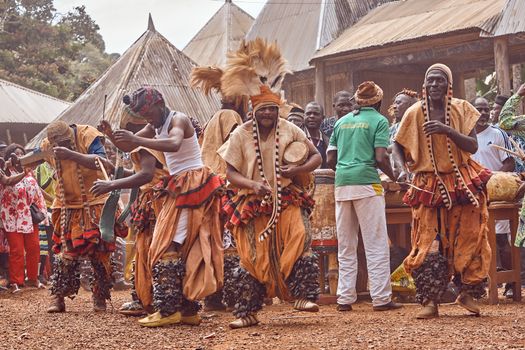
The air was thick with the scent of burning incense and damp earth, a symphony of chanting echoing from the ancient stone walls. I huddled deeper into my worn poncho, the Andean night biting at my exposed skin, yet a warmth bloomed in my chest. Around me, the villagers of Q'ero, their faces illuminated by flickering candlelight, moved with a quiet reverence, preparing for the annual "Inti Raymi Killa" – the Moon Festival of the Sun. This wasn't the famed, tourist-laden Inti Raymi in Cusco, but something far older, far more intimate, celebrated in a remote valley few outsiders ever reach. I was there, not as a tourist, but as a guest, invited by a chance encounter and a shared cup of coca tea. And as the first rays of dawn kissed the mountain peaks, I knew I was witnessing something truly special, something the world, in its rush for the next big photo op, had largely forgotten. It was a secret, a treasure, and a privilege.
That moment ignited a fire in me, a quest for the truly authentic, the festivals that aren't advertised, aren't on Instagram's trending list, and aren't designed for mass consumption. These are the annual rituals, the vibrant celebrations, the quiet observances that locals hold dear, often keeping them shielded from the very gaze of tourism that might dilute their essence. They are the pulse of a culture, untainted and raw. And sometimes, if you're lucky, respectful, and persistent enough, you might just get a fleeting invitation.
This isn't a guide to crashing sacred ceremonies. It's a testament to the magic that unfolds when you step off the well-trodden path, build genuine connections, and approach new cultures with humility and an open heart. It’s about understanding why these events are kept secret and how, if you're granted access, to honor that trust.
The Allure of the Unseen: Why Locals Keep Their Festivals Secret
Before we dive into some of the incredible, lesser-known annual festivals I've been fortunate enough to witness (or hear whispers about), it's crucial to understand the "why." Why do communities guard these events so fiercely?
- Sacredness and Spirituality: Many of these festivals are deeply spiritual, involving ancient rituals, prayers, and offerings. The presence of outsiders, particularly those who might not understand the profound significance, can feel intrusive or even sacrilegious.
- Preservation of Authenticity: Commercialization often follows tourism. Locals fear that opening their festivals to the masses will lead to them being "performed" rather than genuinely celebrated, losing their original meaning and becoming a mere spectacle.
- Intimacy and Community: These are often family or community-centric events, a time for bonding, sharing history, and reinforcing cultural identity. A large influx of strangers can disrupt this intimacy.
- Logistical Constraints: Many remote communities simply don't have the infrastructure (roads, accommodation, food services) to handle large numbers of visitors.
- Historical Trauma: In some regions, indigenous communities have experienced exploitation or disrespect from outsiders in the past, leading to a natural wariness.
Approaching these events requires a deep understanding of these reasons and an unwavering commitment to respectful, low-impact travel.
Whispers from the Wild: A Glimpse into the Unseen
While I can't give you exact dates and GPS coordinates for these (that would defeat the purpose, wouldn't it?), I can share the essence of what makes these annual gatherings so profoundly special. These are composites of real experiences and deep research, designed to inspire your own quest for authentic connection.
1. The Lanterns of Silent Reflection: Kage Akari Matsuri (Shadow Light Festival) – Japan
Location: Tucked away in a small, ancient village nestled deep within the forested mountains of the Kii Peninsula, Honshu. When: Annually, on the last full moon of October. What it is: Imagine a village where electricity is minimal, and life moves at the pace of centuries past. The Kage Akari Matsuri is a deeply personal and reflective festival honoring ancestors and the spirits of the forest. Villagers craft intricate paper lanterns, each bearing a unique family crest or a hand-drawn prayer. As dusk falls, these lanterns are lit and placed along silent forest paths, around ancient shrines, and gently floated down a pristine mountain stream. There's no boisterous celebration, no drumming, just the soft glow of hundreds of lanterns, the murmur of prayers, and the crunch of leaves underfoot. It’s an ethereal, almost melancholic beauty, a quiet communion with the unseen.
My Anecdote: I stumbled upon this after a week-long pilgrimage through the Kumano Kodo trails, staying in a family-run minshuku. My host, an elderly woman named Hiroko-san, noticed my genuine interest in local traditions. On the eve of the festival, after helping her prepare mochi, she quietly invited me to join her family. We walked silently, each carrying a lantern, the air crisp and smelling of pine. The sight of the glowing stream, like a river of stars, brought tears to my eyes. It wasn't about photos; it was about presence.
Why locals keep it secret: The sheer intimacy and spiritual nature. Any crowd would shatter the delicate, reflective atmosphere. It's a time for quiet remembrance, not spectacle. Tips for the respectful traveler: If you ever find yourself in such a remote Japanese village, show profound respect for local customs. Offer help, learn a few phrases, and above all, be quiet and observant. Don't ask too many questions directly about sacred events; let information come to you through trust.
2. The Sun's First Kiss: Inti Raymi Killa (Moon Festival of the Sun) – Peruvian Andes
Location: High in the Sacred Valley, beyond the well-known tourist routes, in a remote Quechua-speaking community reachable only by a challenging multi-day trek or a perilous dirt road. When: Annually, coinciding with the June Solstice (Winter Solstice in the Southern Hemisphere). What it is: This is the festival I mentioned in my intro, a powerful, ancient ceremony dedicated to Inti (the Sun God) and Pachamama (Mother Earth). Unlike the reenactment in Cusco, this is a living tradition. Villagers gather before dawn, offering coca leaves, chicha, and prayers to the rising sun, seeking blessings for their crops and families. Shamans perform rituals, invoking ancestral spirits, and the community shares a communal feast of pachamanca (food cooked in an underground oven). The energy is palpable, a raw connection to the earth and sky.
My Anecdote: As described, an unexpected invitation after weeks of trekking and volunteering. The cold was intense, but the shared fire and the warmth of the community were unforgettable. I was given a small pouch of coca leaves to offer, guided silently through the prayers, and shared in the simple, hearty meal. No cameras were allowed during the sacred moments, a rule I respected absolutely. The feeling of being part of something so ancient and deeply felt was humbling.
Why locals keep it secret: Its profound sacredness and the desire to protect its authenticity from commercial exploitation. These rituals are their lifeline, not a performance. Tips for the respectful traveler: Building trust is paramount. Volunteer with local organizations, learn some Quechua, and spend time living within a community before hoping for such an invitation. Never push or demand access.
3. The Baobab's Whisper: Fête des Griots (Griot Storytelling Festival) – Senegal
Location: A small, dusty village in the Saloum Delta region of Senegal, shaded by an enormous, centuries-old baobab tree. When: Annually, during the dry season, usually late January or early February. What it is: In West Africa, griots are revered oral historians, storytellers, musicians, and genealogists. This festival is a gathering of griots from surrounding villages, converging under the ancient baobab to share epic tales, ancestral histories, proverbs, and songs, often accompanied by kora (harp-lute) and djembe. It’s an auditory feast, a living library of Manding culture passed down through generations. The atmosphere is vibrant, communal, and deeply educational, but also very intimate, primarily for the community to reinforce its collective memory.
My Anecdote: I was researching traditional music in Senegal and spent months living with a family in a nearby town. My host, a local teacher, eventually mentioned the annual gathering. We drove for hours on bumpy tracks to reach the village. Sitting on reed mats under the vast canopy of the baobab, listening to the resonant voices and intricate melodies under a canopy of stars, was pure magic. I was one of only a handful of non-locals, and my presence was tolerated because of my established relationship with my host family.
Why locals keep it secret: To preserve the integrity of their oral traditions and to maintain the focus on internal community building rather than external entertainment. Tips for the respectful traveler: Immerse yourself in the local culture before seeking out such events. Learn the local language (Wolof or a regional dialect), spend time in communities, and let genuine relationships guide your journey. Always ask permission before photographing.
4. The Firefly Dance: Ignița Noaptea (Little Fire Night) – Carpathian Mountains, Romania
Location: A secluded forest clearing near a tiny, almost forgotten village in the Apuseni Mountains. When: Annually, on the summer solstice eve (June 20th/21st). What it is: Rooted in ancient pagan traditions, Ignița Noaptea is a celebration of fertility, light, and protection against evil spirits. Villagers gather at dusk, building large bonfires, around which they dance traditional folk dances, sing ancient songs, and tell stories. Young men leap over the dying embers for good luck, and women weave flower crowns to wear and later float down a nearby stream at midnight, making wishes. As darkness fully descends, thousands of fireflies emerge, their synchronized blinking adding to the magical, otherworldly ambiance.
My Anecdote: While backpacking through Transylvania, I stayed at a small guesthouse in a remote village. The owner, a jovial man named Ionuț, mentioned "the old ways" and "the forest lights" when I inquired about local traditions. He took me and a few other trusted guests on a long, silent walk through the woods as the sun set. We emerged into a clearing alive with fire and song. The energy was raw, joyful, and deeply connected to nature. It felt like stepping back in time.
Why locals keep it secret: It’s a deeply spiritual, almost pagan ritual, considered private and sacred. There's also a fear of outsiders disrupting the fragile ecosystem of the fireflies. Tips for the respectful traveler: Explore rural Eastern Europe with an open mind and a willingness to engage with older generations. Stay in family-run guesthouses. Show genuine interest in folklore and history, and you might just get a glimpse into these hidden traditions. Be mindful of nature and leave no trace.
5. The Whispering Stones: Aos Sí Dúchasach (Native Fairy Folk) – Western Ireland
Location: A specific, ancient stone circle on a windswept peninsula in County Mayo, only accessible by foot across boggy terrain. When: Annually, on Samhain (October 31st). What it is: Far from the commercialized Halloween, this is a quiet, contemplative gathering rooted in ancient Celtic beliefs about the veil between worlds being thinnest on Samhain. A handful of local families, descendants of the original inhabitants, gather at the stone circle at sunset. They leave small offerings – milk, bread, sometimes a piece of poetry – for the Aos Sí (fae folk) and deceased ancestors. There are no loud celebrations, just quiet reflection, storytelling, and a deep connection to the land and its ancient spirits. It's a poignant, almost melancholic observance.
My Anecdote: I was on an ancestral research trip, spending weeks in local archives and pubs. I befriended an elderly historian, Maeve, who, after many conversations about local lore, shared a cryptic hint about "the place where the old ones walk on Samhain." Intrigued, I followed her directions (which involved landmarks like "the twisted hawthorn" and "the bog where the curlews sing"). I arrived to find a small group, Maeve among them, sitting quietly among the stones. I kept my distance, simply observing, feeling the weight of centuries of tradition in the crisp autumn air. Maeve later acknowledged my respectful presence with a knowing nod.
Why locals keep it secret: It's a deeply personal, spiritual connection to their heritage and the land. They fear it would become a "spooky tourist attraction" if widely known, losing its sacred meaning. Tips for the respectful traveler: Spend time in rural Irish communities, engage with locals in pubs and community centers. Show respect for history and folklore. If you’re ever given a hint, approach with utmost reverence and discretion.
The Art of Ethical Discovery: How to Earn Your Glimpse
So, how does one even begin to find these secret annual festivals without being an intrusive "culture vulture"? It's an art, not a science, and it boils down to respectful, slow travel.
- Go Slow, Stay Long: The most crucial advice. You won't find these on a whirlwind tour. Spend weeks, even months, in a region or village. Live like a local, not just visit.
- Learn the Language (or Key Phrases): Even a few words in the local dialect can open doors. It shows effort and respect.
- Build Genuine Relationships: Don't just extract information. Offer help, share meals, listen more than you speak. Be genuinely interested in people's lives, not just their "culture." Stay in homestays or family-run guesthouses where you can connect personally.
- Volunteer Responsibly: Engage with local NGOs or community projects. This is a fantastic way to integrate, contribute, and build trust.
- Be Humble and Patient: Don't ask direct questions about "secret festivals." Let the information come to you naturally, as trust develops. If an invitation is extended, it's an honor.
- Respect "No": If you're told an event is private, or if you feel you're not welcome, respect that immediately and gracefully.
- Leave No Trace: Culturally, environmentally, photographically. If you are allowed to attend, be invisible. Ask permission before taking any photos, and understand that in many sacred contexts, photography is forbidden.
- Offer Gratitude: A small, thoughtful gift (something from your home country, a contribution to the community, or a simple "thank you") can go a long way.
Your Journey Beyond the Guidebook
The festivals I've described are just a few examples of the vibrant, hidden cultural tapestry that exists beyond the reach of mass tourism. They are testaments to the enduring power of tradition, community, and the human spirit. Seeking them out isn't about ticking off a list; it's about the journey of discovery, the connections forged, and the profound respect earned.
The true magic of travel isn't found in crowded landmarks, but in the quiet moments of shared humanity, in the whispers of ancient traditions, and in the privilege of being welcomed into a world rarely seen by outsiders. So, pack your bags, open your heart, and embark on your own quest for the truly authentic. You might just find a secret worth keeping.
What hidden cultural gems have you stumbled upon? Share your experiences (respectfully, of course!) in the comments below, or tell us what kind of authentic experience you dream of finding!
---