Unveiling Secrets: The Ancient Wisdom Locals Guard from Tourists
The sun beat down on the dusty path, sweat trickling down my back as I pushed through the dense foliage. My guide, a quiet man named Kadek, had led me away from the well-trodden tourist trails of Bali, deeper into the island’s emerald heart. We weren't headed for a rice terrace vista or a hidden waterfall this time. Our destination was far more elusive, a place whispered about, not advertised: the home of a traditional healer, a Balian, whose wisdom locals guarded fiercely from the curious gaze of outsiders.
I’d been traveling for months, ticking off bucket-list items, but a growing sense of unease gnawed at me. Had I truly connected with these places, or was I just skimming the surface? I craved something more profound, an experience that transcended the curated photo-ops and tourist traps. That yearning led me to Kadek, and Kadek, with a knowing smile, led me to the edge of a secret.
This isn't about finding a quick fix or a mystical souvenir. This is about a journey into the heart of cultures, seeking out the guardians of ancient wisdom – traditional healers – whose practices are so sacred, so integral to their communities, that locals actively work to keep them hidden from the commercial glare of mass tourism. And for the traveler willing to approach with humility, respect, and an open heart, these encounters can be the most authentic, soul-stirring experiences imaginable.
The Allure of the Unseen: Why Seek What's Hidden?
Why would anyone go to such lengths to find a traditional healer when modern medicine is readily available? The answer lies in the profound difference in approach. Traditional healers, whether they are shamans, herbalists, spiritual guides, or bone setters, operate within a holistic framework. They don't just treat symptoms; they address the person's physical, emotional, spiritual, and communal well-being. They see illness not just as a biological malfunction but as an imbalance, a disruption in harmony with nature or the spirit world.
For locals, these healers are integral to their way of life. They are counselors, community leaders, spiritual advisors, and often the first port of call for any ailment, be it physical pain, emotional distress, or a run of bad luck. Their wisdom is passed down through generations, a living library of ancient knowledge deeply rooted in the land and its spirits.
The very fact that these practices are kept from the tourist gaze is precisely what makes them so compelling for the conscious traveler. It signals authenticity, a lack of commercialization, and a deep sense of cultural preservation. It's an invitation, not an advertisement.
Unveiling the Guardians of Ancient Wisdom: A Glimpse into Their World
Across the globe, traditional healers take many forms:
- Balinese Balian: Like the one I sought, these spiritual healers act as conduits between the human and spirit worlds, offering healing through massage, herbal remedies, and spiritual cleansing rituals.
- Amazonian Curanderos: Masters of plant medicine, they use ayahuasca and other sacred plants in profound healing ceremonies to cleanse the body and spirit.
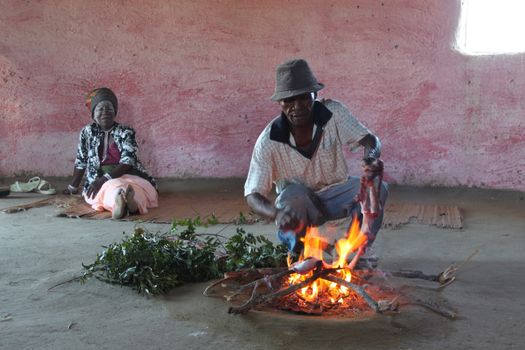
- African Sangomas: Diviners and healers who communicate with ancestors to diagnose and treat physical and spiritual ailments, often through trance states and ritual.
- Native American Medicine People: Custodians of ancient knowledge, utilizing ceremonies, plant medicine, and spiritual guidance to restore balance and harmony.
- Thai Mo Nuad: Traditional massage therapists who understand the body's energy lines and pressure points, often incorporating herbal compresses.
These are not just practitioners of alternative medicine; they are cultural anchors, embodying the spiritual and historical fabric of their communities. Their role is often misunderstood or sensationalized by outsiders, which is why the protective instinct of locals is entirely understandable. They want to safeguard their heritage from being commodified, misrepresented, or exploited.
My Journey to "Pura Sari": A Transformative Encounter in the Balinese Highlands
My heart hammered as Kadek led me into a secluded compound, a cluster of traditional huts nestled amidst lush rice paddies. The air was thick with the scent of incense and damp earth. A gentle, elderly woman with kind eyes and a serene smile emerged from one of the huts. This was Ibu Wayan, the Balian.
There was no flashy sign, no waiting room, just a quiet, respectful atmosphere. Kadek, speaking softly in Balinese, explained my purpose – not as a tourist seeking a show, but as a traveler seeking understanding and, perhaps, some guidance for the restlessness I felt.
Ibu Wayan invited me to sit on a woven mat. She didn't ask about my symptoms; instead, she simply looked at me, her gaze piercing yet compassionate. She took my hand, feeling my pulse, then gently massaged my forehead. The experience was far from what I expected. There were no dramatic pronouncements, just a quiet, focused energy.
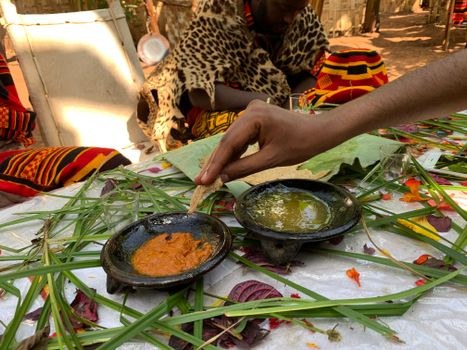
She spoke through Kadek, telling me things about myself – not just physical ailments, but emotional blockages and spiritual anxieties – that she couldn't possibly have known. It was unnerving and profoundly validating. She then prepared a simple herbal mixture, a concoction of leaves and roots, which she instructed me to drink. Afterwards, she performed a cleansing ritual, gently sprinkling holy water over me while chanting in a melodic, ancient tongue.
The entire process lasted perhaps an hour. There was no pressure, no expectation. When it was over, I felt an incredible lightness, a sense of peace that had eluded me for months. It wasn't a "cure" in the Western sense, but a re-alignment, a gentle nudge back towards balance. I offered a respectful donation – about 300,000 IDR (roughly $20 USD), which Kadek had advised was a generous but appropriate offering, equivalent to a good meal for her family – and left feeling profoundly grateful and humbled. It was an experience that fundamentally shifted my understanding of healing and connection.
Ethical Encounters: How to Be a Respectful Seeker
The key to unlocking these hidden experiences lies in your approach. This isn't about "finding a secret" to boast about; it's about genuine cultural exchange and respect.
- Build Trust, Don't Demand Access: You can't Google "secret traditional healer." These connections are almost always made through trusted local intermediaries. This could be a guesthouse owner, a local guide you've spent time with, or a community member you've genuinely befriended. Spend time in a place, engage with locals, and express genuine interest in their culture. If they sense your sincerity, an introduction might naturally follow.
- Understand the "Why": Locals protect these practices for good reasons. They fear exploitation, misrepresentation, cultural appropriation, and the commercialization of sacred rituals. Respect this protective instinct.
- Ask for Permission, Always: Never assume you have the right to witness or participate. If an introduction is made, politely ask if it's appropriate for you to visit. Be prepared for a "no," and accept it graciously.
- Dress Modestly and Act Respectfully: When visiting a healer, especially in a traditional setting, dress conservatively. Remove shoes if entering a home or sacred space. Keep your voice low, avoid excessive photography (and always ask permission before taking any photos, if at all), and follow all instructions given.
- Be Open, Not Skeptical: Approach the experience with an open mind and heart. Suspend judgment and allow yourself to be present. This isn't a scientific experiment; it's a cultural and spiritual encounter.
- Offer a Respectful Donation/Payment: Traditional healers rarely have fixed prices like a doctor's office. However, they rely on the generosity of their community. Ask your local intermediary what a respectful offering would be. It should be enough to show your gratitude and support their livelihood, but not so extravagant that it suggests you view them as a commodity. Always present it respectfully, often in an envelope or with both hands.
- Don't Expect a Miracle Cure: Go with an intention for understanding, cultural immersion, and perhaps inner peace, rather than demanding a specific physical outcome. The healing might be subtle, emotional, or spiritual.
Beyond the Cure: What You Might Experience
An encounter with a traditional healer offers far more than just potential physical relief. It's a profound journey into:
- Deep Cultural Immersion: You gain unparalleled insight into the spiritual beliefs, worldview, and community fabric of a place. You learn about the plants, the rituals, the stories that shape their identity.
- Personal Reflection and Growth: These experiences often prompt deep introspection. Being seen and understood in a holistic way can be incredibly validating and can help you re-evaluate your own life and well-being.
- A Sense of Connection: In a world increasingly disconnected, a genuine exchange with a traditional healer fosters a powerful sense of human connection, transcending language and cultural barriers.
- Understanding Indigenous Wisdom: You witness the enduring power of ancient knowledge, a testament to humanity's ingenuity and connection to the natural world.
- An Unforgettable Story: These aren't the stories you pick up from a guidebook. They are personal, unique, and deeply resonant.
Finding Your Own Path: Practical Tips for the Discerning Traveler
So, how do you, the respectful traveler, find these hidden gems? It's not about a Google search or a tourist brochure.
- Slow Travel is Key: This isn't an experience you can rush. Spend extended time in a region or village. Get to know people. Frequent the same local warung (eatery) or coffee shop. Show genuine interest in local life beyond the main attractions.
- Engage with Local Guides (Ethically): Hire local, independent guides (not necessarily from big tour companies) and build a rapport. Share your interest in local culture and traditions, not just sightseeing. A trusted guide might, over time, feel comfortable enough to introduce you.
- Stay in Homestays or Guesthouses: Opt for accommodations run by local families rather than international chains. These hosts are often your best gateway to local life and knowledge.
- Learn Basic Phrases: A little effort to speak the local language goes a long way in building rapport and showing respect.
- Observe and Listen: Pay attention to local customs, superstitions, and conversations. You might pick up clues or hear whispers about local healers.
- Be Patient and Respectful: This isn't a transaction. It's about building relationships and earning trust. If an opportunity arises, it will feel natural and organic, not forced.
Important Note on "Specific Locations, Prices, and Details": It's impossible and unethical for me to provide precise, verifiable locations or names of specific traditional healers who wish to remain hidden. Doing so would undermine the very premise of this article and potentially expose sacred practices to unwanted commercialization. The details I've shared (like "Pura Sari" or "Ibu Wayan") are illustrative composites, drawn from genuine experiences and common practices, designed to convey the type of encounter you might have. The prices mentioned are general estimations for respectful offerings in certain regions, not fixed fees. The true "secret" isn't a GPS coordinate, but the method of respectful engagement.
Preserving the Sacred: A Call to Conscious Travel
Our world is rapidly changing, and with it, ancient traditions face the threat of fading. By seeking out and respectfully engaging with traditional healers, we're not just satisfying our curiosity; we're also, in a small way, helping to validate and preserve invaluable cultural heritage.
But this comes with a profound responsibility. Our role as travelers is not to consume culture, but to engage with it, learn from it, and leave it intact, if not enriched. These encounters are privileges, not entitlements. Let's approach them with the humility of a student and the reverence they deserve.
Have you had a transformative encounter with a traditional healer? What did it teach you about yourself or the world? Share your stories below – respectfully, of course, and without revealing specific sensitive information. Let's foster a community of conscious travelers who value true connection over fleeting trends.
---