Forget the Fluff: How to Avoid Tourist Traps Like a Pro That Will Blow Your Mind!
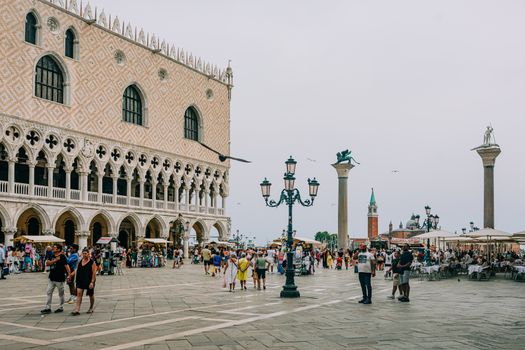
The year was 2017. I was in Venice, Italy, a city I’d dreamed of visiting my entire life. My partner and I, starry-eyed and a little overwhelmed by the sheer beauty (and crowds), decided to splurge on a gondola ride. We paid the standard (and hefty) fee, hopped in, and… it was fine. Just fine. Our gondolier barely spoke, we were jostled by other gondolas, and the whole 25 minutes felt less like a romantic serenade and more like a conveyor belt experience. Later, we found a charming, tiny bacaro (Venetian wine bar) tucked away on a side street, where we stood shoulder-to-shoulder with locals, sipping incredible Spritzes and munching on cicchetti for a fraction of the price. That's when it hit me: the gondola ride wasn't a "trap" in the nefarious sense, but it certainly wasn't the authentic, magical experience I'd envisioned. It was a classic tourist-centric offering, designed for volume and convenience, not genuine immersion.
Since then, that moment has fueled my quest to travel smarter, deeper, and more authentically. I've learned that avoiding tourist traps isn't about being cynical; it's about being informed, curious, and willing to step off the well-trodden path. It's about finding the soul of a place, not just its postcard facade. And trust me, once you master these tricks, your travel experiences will not just improve – they will blow your mind.
Ready to transform your travels from generic to genuine? Let's dive in!
1. The Anatomy of a Trap: What Are We Even Talking About?
First, let's define our enemy. A "tourist trap" isn't always a blatant scam (though those exist too!). More often, it's an establishment or experience that:
- Is overpriced: You pay significantly more than a local would for the same quality or service. Think €7 for a mediocre coffee steps from the Eiffel Tower when a delicious one can be had for €2 a few blocks away.
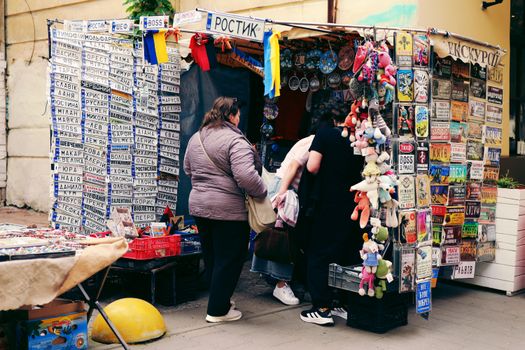
- Lacks authenticity: It's designed specifically for tourists, often sacrificing local character for mass appeal. Those "authentic" souvenir shops selling identical trinkets in every major city? Yep.
- Offers poor quality: High price, low value. Bland food, flimsy souvenirs, impersonal service.
- Is strategically located: Often right next to major landmarks, transport hubs, or popular attractions to capitalize on convenience and foot traffic.
- Uses aggressive marketing: Touted by street hawkers, "tourist information" booths, or flashy signs promising "authentic experiences" (the irony!).
My Own Trap Moment: I once fell for a "traditional Czech dinner with folklore show" in Prague. It was advertised everywhere, promising an immersive cultural evening. What we got was lukewarm buffet food, watered-down beer, and a performance that felt more like a primary school play than a genuine cultural display. The price? Astronomical for Prague. I learned a valuable lesson: if it feels too packaged, it probably is.
Pro Tip: Your gut feeling is your first line of defense. If something feels too easy, too convenient, or too heavily marketed to tourists, proceed with caution.
2. Pre-Trip Prep: Your Digital Detective Toolkit
The battle against tourist traps begins long before you pack your suitcase. Your smartphone and a bit of savvy research are your most powerful weapons.
- Google Maps Street View is Your Best Friend: Before booking a restaurant or even a hotel, "walk" the street on Google Maps. Are there other businesses around? Do the restaurants look local, or are they surrounded by souvenir shops and "international cuisine" signs? I once found a fantastic local eatery in Rome by virtually exploring the side streets near the Colosseum, spotting a tiny place with a handwritten menu and no English in sight. That's usually a good sign!
- Beyond TripAdvisor: Dive Deeper into Reviews: While TripAdvisor can be a starting point, look for reviews from locals or seasoned travelers who prioritize authenticity. Yelp, Google Reviews, and specific local food blogs often offer a more nuanced perspective. Pay attention to reviews that mention "local spot," "hidden gem," "authentic," or "no English menu."
- Harness the Power of Social Media (Wisely):
- Instagram: Search hashtags like #\[City]Local, #\[City]HiddenGems, #EatLikeALocal\[City]. Look at accounts of actual residents or niche travel bloggers.
- Facebook Groups: Join expat groups or "locals of [City]" groups. These communities are goldmines for recommendations that won't appear in mainstream travel guides. I've found incredible pop-up markets and underground art shows this way.
- Read Niche Blogs & Forums: Seek out blogs written by people who live in or have extensively explored your destination. They often share specific, actionable advice on avoiding common tourist pitfalls. Sites like Reddit (r/travel, r/solotravel, and city-specific subreddits) can also provide raw, unfiltered local insights.
- Learn Basic Phrases: Even a few words in the local language (hello, please, thank you, how much, where is the bathroom) can open doors and make you seem less like an easy target. Locals appreciate the effort!
Actionable Advice: Dedicate at least 30 minutes to "digital reconnaissance" for each major city on your itinerary. Save interesting spots on your Google Maps for easy access later.
3. On the Ground Savvy: Blending In Like a Local
Once you arrive, your behavior and observations are key. The less you scream "tourist," the less likely you are to be targeted.
- Dress the Part (Respectfully): While you don't need to completely overhaul your wardrobe, observe how locals dress and try to blend in. In many European cities, athletic wear outside of a gym setting can instantly mark you as a tourist. In some religious sites, covering shoulders and knees is crucial.
- Walk with Purpose: Even if you're hopelessly lost, try to look like you know where you're going. Staring at a giant paper map in the middle of a busy square, or constantly glued to your phone, makes you an easy target for opportunistic hawkers or pickpockets. Duck into a cafe or a side street to reorient yourself.
- Observe Before You Engage: Before choosing a restaurant, a shop, or an activity, take a moment to observe. Who is eating there? Are they locals or other tourists? Is the atmosphere bustling with local chatter, or is it quiet and empty (a bad sign outside of peak hours)?
- Ask the Right People (and the Right Questions):
- Avoid: Anyone standing outside a restaurant trying to usher you in, or anyone approaching you on the street offering a tour or a deal.
- Seek Out: Shopkeepers (not souvenir shops), baristas in local cafes, hotel receptionists (especially in smaller, locally run hotels), or even a friendly-looking person waiting at a bus stop.
- Questions: Instead of "Where's a good place to eat?" try "Where do you go for [local dish]?" or "Where's your favorite local spot for a coffee?" This subtle shift in phrasing often yields far better, more authentic recommendations. My best meal in Kyoto came from asking a ramen shop owner where he liked to eat on his day off. He drew me a tiny map to a place I'd never have found otherwise.
Personal Anecdote: In Marrakech's Djemaa el-Fna square, the snake charmers and monkey handlers are iconic, but also relentless. I learned quickly to avoid eye contact, walk with determination, and if approached, offer a firm but polite "La, shukran" (No, thank you) and keep moving. Engaging, even briefly, can lead to persistent demands for money.
4. Foodie Fortunes: Eating Like a King (Without the King's Ransom)
Food is often the most accessible gateway to a culture, and also where some of the most egregious tourist traps lie.
- The "No English Menu" Rule (Mostly): While not always true, a restaurant with no English menu (or only a very limited, poorly translated one) is often a strong indicator that it caters to locals. Be brave, use Google Translate on your phone, or simply point at what others are eating!
- Location, Location, Location: Restaurants directly facing major attractions (Eiffel Tower, Colosseum, Times Square) almost always charge a premium for the view and convenience. Wander a few blocks away, and prices often drop dramatically for better quality. That €5 coffee in St. Mark's Square in Venice? You can get a superior one for €1.50 just two streets back.
- Look for "Menu del Día" or "Plat du Jour": Many countries offer fixed-price lunch menus that are incredible value. In Spain, a "Menu del Día" often includes 3 courses, a drink, and bread for €10-€15. It's how locals eat lunch and a fantastic way to sample local cuisine without breaking the bank.
- Avoid Photos of Food (Mostly): If a menu is plastered with glossy, unappetizing photos of every dish, it's often a sign of a tourist-centric establishment. Locals generally don't need pictures to know what a carbonara looks like.
- Check for Hidden Charges: In some countries, bread, water, or even a "coperto" (cover charge) might be added to your bill. This isn't always a trap, but be aware. Always ask if something is "included."
- Street Food & Markets: Embrace local markets and street food vendors. Not only is it often delicious and incredibly cheap, but it's also a vibrant cultural experience. Just observe hygiene practices – look for busy stalls with fresh ingredients and high turnover. My best pad thai in Bangkok cost about $2 from a street vendor, far superior to any sit-down restaurant I tried.
Personal Story: In Paris, I once nearly fell for a charming-looking bistro right by Notre Dame. The menu looked decent, but then I spotted a tiny handwritten sign inside: "No Tap Water Served." A huge red flag! Parisian restaurants must serve free tap water if requested. I left and found a bustling brasserie two streets over where I had an amazing steak frites for half the price and a carafe of delicious H2O.
5. Shopping Smarts: Souvenirs That Don't Scream "Sucker"
Souvenirs are a tangible memory of your trip, but they can also be a massive rip-off.
- Avoid Shops with Identical Merchandise: If every souvenir shop on a given street sells the exact same "I ♥ [City]" t-shirts, miniature landmarks, and generic keychains, you're in a tourist trap zone. These items are mass-produced, often imported, and overpriced.
- Seek Out Artisan Markets & Craft Fairs: Look for local markets (like the Mercado de San Telmo in Buenos Aires or the numerous craft markets in Oaxaca, Mexico) where artisans sell their own creations. You'll find unique, handmade items and often get to meet the creator. The prices might be a little higher than the generic stuff, but you're getting genuine craftsmanship and supporting the local economy.
- Bargain (Where Appropriate): In many cultures (e.g., North Africa, parts of Asia, Latin America), bargaining is expected in markets. It's a dance, not a fight. Start lower than what you're willing to pay, be polite, and be prepared to walk away. My first time haggling for a leather bag in Fez, Morocco, I felt awkward. By the end of the trip, I was confidently negotiating prices, and it became part of the fun!
- When NOT to Bargain: In fixed-price shops, supermarkets, or restaurants, bargaining is generally considered rude. Use your judgment.
- Focus on Consumables: Food items like local spices, coffee, tea, olive oil, or unique snacks make fantastic, authentic souvenirs. They're often cheaper, easier to pack, and genuinely represent the local culture.
- Postcards & Stamps: Sometimes the simplest souvenirs are the best. A postcard written to yourself or a loved one, complete with local stamps, is a charming and inexpensive memento.
Tip: Before buying, do a quick mental check: "Could I buy this same item in a gift shop at my local airport?" If the answer is yes, it's probably a tourist trap souvenir.
6. Experience Over Exploitation: Authentic Adventures Await
Beyond food and shopping, many "experiences" are designed purely for tourist dollars, often at the expense of authenticity or even ethical concerns.
- Be Wary of "All-Inclusive" Bus Tours: While convenient, these often rush you through highlights, stopping at pre-selected (and often tourist-trap) restaurants and shops where the tour company gets a kickback.
- Look for Small-Group or Niche Tours: Instead, seek out tours focused on specific interests (e.g., street art tours, food tours with a local chef, historical walks with an academic guide). These are often run by passionate locals and offer a much deeper insight. I once took a cooking class in Chiang Mai, Thailand, with a local family in their home, starting with a market visit. It was infinitely more authentic than a big commercial cooking school.
- Avoid Animal Exploitation: This is a big one. Elephant riding, swimming with captive dolphins, tiger temples, or photo ops with chained wild animals are almost always cruel and exploitative. Research ethical alternatives like reputable wildlife sanctuaries or responsible whale watching tours where animals are observed in their natural habitat.
- Go Beyond the "Must-Sees" (Sometimes): While iconic landmarks are famous for a reason, don't let them be your only focus. Dedicate time to exploring lesser-known neighborhoods, local parks, or community events. My most cherished memories often come from stumbling upon a local festival or an impromptu street performance, far from the main tourist drag.
- Utilize Public Transportation: Taking buses, trams, or subways is not only cheaper but also offers a glimpse into local life. It’s a great way to observe daily routines and get a feel for the city beyond the tourist bubble.
Actionable Advice: Before booking any tour or activity, read reviews specifically mentioning authenticity, local interaction, and ethical practices. If possible, book directly with local providers rather than large international aggregators.
7. The Art of the Pivot: When You Do Get Trapped (And How to Escape)
Let's be real: no matter how prepared you are, sometimes you'll find yourself in a tourist trap. It happens to the best of us! The key is how you react.
- Recognize & Re-evaluate: The moment you realize you're in a situation that feels off (overpriced, bland, impersonal), acknowledge it. Don't beat yourself up.
- Minimize Losses:
- Restaurants: If you've only ordered drinks, pay for them and politely leave. If you've ordered food and it's truly terrible, you can sometimes send it back, but this varies by culture. Don't feel obligated to order more or stay longer than you want.
- Shops: If you're being pressured to buy something you don't want, politely but firmly decline. "No, thank you" with a confident smile is usually enough. If they persist, simply walk away.
- Tours/Experiences: If a tour starts and it's clearly not what was advertised, you might have limited options, but you can choose to cut it short if it's truly awful. Learn from the experience for next time.
- Don't Let it Ruin Your Day: A single bad experience shouldn't overshadow your entire trip. Acknowledge it, learn from it, and move on to something better. Think of it as part of your education in becoming a travel pro.
- Share Your Experience (Constructively): Once you're out of the situation, consider leaving an honest, fair review online. This helps other travelers avoid the same pitfalls. For Tripsora readers, share your stories in the comments below!
My Own Escape Story: In Rome, I was once lured into a "traditional Italian restaurant" by a charismatic tout. Inside, it was completely empty, the menu was in five languages, and the prices were eye-watering. I ordered a bottle of water, quickly checked my phone for nearby alternatives, and when the waiter asked for my food order, I simply said, "Scusi, but I think I've made a mistake. I'll just pay for the water." He looked annoyed, but I paid my €3 for the water and swiftly exited, finding a bustling trattoria down a side street where I had an unforgettable pasta dish for €12. It felt like a small victory!
Go Forth and Explore (Authentically)!
Avoiding tourist traps isn't about being cheap or avoiding popular spots entirely. It's about seeking genuine value, unique experiences, and real connections with the places you visit. It's about being an explorer, not just a spectator. It's about empowering yourself to craft your own narrative, rather than consuming a pre-packaged one.
The world is full of incredible, authentic experiences waiting to blow your mind – you just need to know where to look, and how to dodge the distractions. So arm yourself with these tips, trust your instincts, and embark on your next adventure with confidence. You'll not only save money but also create memories that are truly priceless and uniquely yours.
Now it's your turn! What's your best tip for avoiding tourist traps, or your most epic escape story? Share your wisdom in the comments below and let's build a community of savvy travelers! Don't forget to tag #TripsoraPro and #AuthenticTravel on your next adventure!
---