How to Avoid Tourist Traps Like a Pro: Locals Don't Want Tourists to Know
The year was 2015, and I was on my first solo trip to Rome. I was young, excited, and utterly naive. Picture this: me, sitting at a picturesque outdoor cafe, just steps from the Pantheon, sipping a cappuccino. The sun was warm, the atmosphere buzzing – it felt like a movie scene. Then the bill came. €8 for that cappuccino. EIGHT EUROS! My jaw nearly hit the cobblestones. I’d seen locals pay €1.50 at a bar just a few blocks away. That, my friends, was my rude awakening, my first undeniable encounter with a tourist trap.
Since then, I’ve traveled the world, from the bustling markets of Marrakech to the serene temples of Kyoto, the vibrant streets of Lisbon to the ancient ruins of Machu Picchu. And with every journey, I’ve learned to spot these money-sucking, authenticity-draining traps from a mile away. I’ve honed my skills, embraced the local way, and discovered that the true magic of travel lies beyond the glossy postcards and aggressive touts.
If you’re tired of overpaying for mediocre experiences, if you crave genuine cultural immersion, and if you want to travel smarter, not harder – then you’re in the right place. Consider this your ultimate guide to unlocking local secrets, navigating like a seasoned pro, and experiencing destinations in a way most tourists only dream of. Let’s dive in!
The Tell-Tale Signs: How to Spot a Trap from a Mile Away
Before we dive into how to avoid them, let’s learn to identify them. Tourist traps aren't always glaringly obvious; sometimes, they're subtly woven into the fabric of a popular destination, preying on our desire for convenience and our lack of local knowledge. But once you know what to look for, you'll develop an almost supernatural ability to sniff them out.
1. Location, Location, Location: This is the biggest giveaway. Any establishment directly adjacent to a major landmark (think Eiffel Tower, Colosseum, Times Square) or in the absolute main square is a prime suspect. The rent is exorbitant, and they know they'll get foot traffic regardless of quality or price. That €8 cappuccino? Steps from the Pantheon. Coincidence? I think not.
2. The Menu Maelstrom & Aggressive Touts: Does the restaurant menu have pictures of every dish? Is it translated into 10 different languages, including Klingon? Are there staff members outside practically dragging you in? These are all red flags. Authentic local eateries rarely need to resort to such tactics; their reputation and quality speak for themselves. In Italy, for instance, a true trattoria will have a simple menu, perhaps handwritten, and definitely no photos.
3. Prices That Make Your Wallet Weep: Compare prices. If a bottle of water costs €0.50 at a corner store but €3 at a kiosk near a monument, that's a trap. If a souvenir in a dedicated shop costs five times what it does at a local market, you're being fleeced. Always keep a mental note of general price ranges for common items. My rule of thumb: if it seems too expensive for what it is, it probably is.
4. The "Tourist Menu" or "Special Offer": This is a classic. Often, these menus offer a bland, overpriced selection designed to appeal to a generic palate. Locals don't eat these. They know the good stuff is on the regular menu or, even better, the daily specials board. If you see "Tourist Menu" emblazoned anywhere, run!
5. Lack of Local Patrons: This is arguably the most crucial indicator. Look through the window of a restaurant. Are there only other tourists? Are all the conversations in English (or whatever the primary tourist language is)? If you don't see any locals enjoying themselves, chances are it's not where the authentic experience is happening. Locals know where the good food and fair prices are.
Personal Anecdote: In Prague, I once saw a "traditional Czech restaurant" with a man in full medieval garb outside, loudly beckoning tourists. Inside, the decor was overtly "folkloric," and every table was filled with bewildered-looking tourists. I walked two blocks away, found a unassuming pub packed with Czechs, and had an incredible, hearty meal for a third of the price. The difference was night and day.
Eat Like a Local: Your Palate, Your Wallet, Your Adventure
Food is often the heart of a culture, and nothing sours a travel experience faster than a series of disappointing, overpriced meals. Here's how to savor the true flavors of your destination without falling into culinary traps.
1. Research Like a Foodie Detective:
- Google Maps & Reviews: My go-to. Instead of just searching "restaurants near me," filter by "top-rated" or look for places with many reviews, especially those written by locals (you can often tell by the language or profile name). Pay attention to specific dishes mentioned.
- Local Blogs & Forums: Before you go, search for "best [cuisine] in [city] local recommendations." Look for blogs written by residents, not just other travel bloggers. Reddit's city-specific subreddits (e.g., r/Rome, r/Paris) are goldmines for genuine food advice.
- Ask Smartly: Don't just ask your hotel concierge for a restaurant recommendation – they often have partnerships with touristy places. Instead, ask a shopkeeper, a barista, or a public transport driver. Frame your question like, "Where do you go for [specific dish]?" or "Where's your favorite local spot for a quick, cheap lunch?"
2. Observe & Immerse:
- Follow the Locals: If you see a line of locals outside a small eatery, join it! It’s almost always a sign of something delicious and authentic.
- Look Beyond the Facade: Some of the best food comes from the most unassuming places – a hole-in-the-wall taqueria in Mexico City, a bustling warung in Bali, or a tiny izakaya tucked away in a Tokyo alley. Don't judge a book by its cover.
- Embrace Street Food & Markets: This is often where the most authentic and affordable flavors are found. Think food stalls at local markets, food trucks, or dedicated street food areas. In Bangkok, the street food scene is legendary and incredibly cheap. In Rome, a pizza al taglio (pizza by the slice) from a local bakery is a fantastic, cheap lunch.
3. Timing is Everything: Many local restaurants offer incredible lunch deals (menu del día, prix fixe) that are significantly cheaper than dinner. This is a fantastic way to sample high-quality cuisine without breaking the bank.
Personal Anecdote: In Lisbon, I was determined to find an authentic tasca (traditional Portuguese tavern). I wandered away from the main square, down a narrow, graffiti-lined street. I spotted a tiny place with a handwritten menu taped to the door and the clatter of cutlery and lively chatter spilling out. Inside, it was packed with locals. I pointed to a dish that looked like stew, ordered a cheap house wine, and had one of the most memorable, delicious, and affordable meals of my life – a rich, slow-cooked cozido à portuguesa for just €7.50, including bread and wine.
Shop Smart, Not Sorry: Souvenirs That Tell a Story
Souvenirs are wonderful keepsakes, but mass-produced trinkets that say "I <3 [City Name]" are the epitome of a tourist trap. Here’s how to bring home treasures that actually mean something.
1. Seek Out Local Markets & Artisanal Shops:
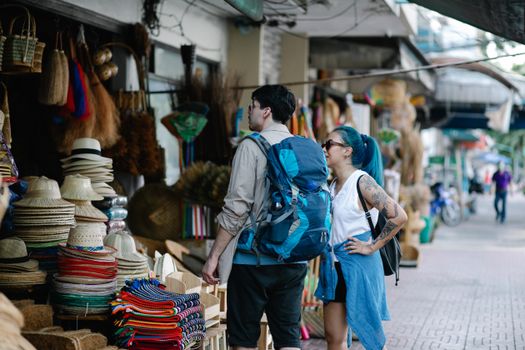
- Farmers Markets: Beyond fresh produce, many farmers' markets also feature local artisans selling handmade crafts, jams, cheeses, or unique clothing. These items are authentic and directly support the local community.
- Artisanal Districts: Many cities have specific neighborhoods known for their craftspeople. Research these areas before you go. In Florence, for example, venture beyond the Ponte Vecchio to find smaller leather workshops.
- Avoid: Any shop directly outside a major attraction. They almost always sell identical, overpriced, low-quality goods. If you see the same item in multiple shops, it's likely mass-produced.
2. The Art of Ethical Bargaining (When Appropriate):
- When to Bargain: In places like traditional markets (souks in Morocco, bazaars in Turkey, night markets in Southeast Asia), bargaining is expected and part of the cultural experience.
- How to Bargain: Do it politely and with a smile. Start at about 50% of the asking price and work your way up. Know what you're willing to pay. If you can't agree, walk away – sometimes they'll call you back. Never bargain in fixed-price stores, supermarkets, or restaurants.
- Support Local: When you bargain, remember there's a person on the other side trying to make a living. Don't be aggressive or disrespectful. A fair price for both parties is the goal.
3. Focus on Experience & Consumables:
- Instead of a dust-collecting trinket, consider bringing back local spices, coffee, tea, olive oil, wine, or unique snacks. These are often more affordable and offer a taste of your trip long after you've returned home.
- Look for items that are unique to the region or made from local materials. A hand-painted ceramic from Portugal, a woven textile from Peru, or a piece of amber from the Baltic region – these tell a story.
Personal Anecdote: In Marrakech, the Jamaa el-Fna square is a sensory overload, but the surrounding souks are a labyrinth of wonders and traps. I bought a "genuine leather" bag near the main square for what I thought was a decent price. A few days later, exploring a quieter alley, I found a small workshop where a man was actually crafting leather goods by hand. His prices were slightly higher, but the quality was miles better, and I knew my money was directly supporting his craft. I bought a small wallet from him, and it's still going strong, unlike the other bag which started falling apart within months. Lesson learned!
Experience Beyond the Postcard: Unearthing Hidden Gems
The major landmarks are famous for a reason, but the true soul of a place often lies just beyond the well-trodden path.
1. Master Local Transportation:
- Ditch the Hop-On-Hop-Off: While convenient, these buses are expensive and only show you the most touristy spots.
- Embrace Public Transport: Learn how to use the local metro, bus, or tram system. It's often incredibly efficient, much cheaper (a single metro ticket in Paris is €2.15, compared to a €30+ bus tour), and provides a fantastic glimpse into local life. You'll see commuters, students, and families going about their day.
- Walk or Bike: Many cities are best explored on foot or by bike. You'll discover hidden alleys, charming cafes, and beautiful architecture you'd miss from a vehicle. Renting a bike in Amsterdam or Copenhagen is an absolute must.
2. Seek Out Free or Low-Cost Activities:
- Free Walking Tours: Many cities offer "free" walking tours (tip-based) led by passionate locals. These are a brilliant way to get an overview, learn history, and get insider tips.
- Parks & Gardens: Spend an afternoon in a local park. It's free, relaxing, and a great place to observe local life.
- Museum Free Days: Many museums offer free entry on specific days or evenings. Check their websites in advance! For example, the British Museum in London is always free.
- Local Events: Look for community calendars online. You might stumble upon a local festival, a free concert, or a market that isn't geared towards tourists.
3. Venture Off the Beaten Path (Even Slightly):
- Explore Neighboring Districts: Instead of sticking to the main tourist hub, walk a few blocks or take a short metro ride to an adjacent neighborhood. You'll often find a completely different vibe, local shops, and authentic restaurants.
- Use Apps Like Atlas Obscura: This app is fantastic for finding quirky, unusual, and often overlooked attractions that aren't in mainstream guidebooks.
- Just Wander: Sometimes, the best discoveries are made by simply turning down a street that looks interesting, with no particular destination in mind.
Personal Anecdote: In Rome, after my cappuccino incident, I decided to avoid the main piazzas for a day. I took a bus to the Trastevere neighborhood, known for its bohemian vibe. Instead of the Trevi Fountain, I spent hours exploring the quiet, winding streets, stumbled upon a beautiful, unassuming church, and later enjoyed an aperitivo (pre-dinner drink with snacks) at a bar where no one spoke English. It felt like I was truly experiencing the city, not just observing it. The aperitivo, including drinks and a buffet of delicious food, cost me €10, a fraction of what a full dinner near the Pantheon would have been.
The Art of Blending In: Mindset and Mingle
Part of avoiding traps is not looking like an obvious target. It's about respecting the local culture and being an engaged, aware traveler.
1. Learn Basic Phrases: A simple "hello," "please," "thank you," and "excuse me" in the local language goes a long way. It shows respect, opens doors, and can sometimes even get you a better deal or a more friendly interaction. Google Translate is your best friend.
2. Dress Appropriately: Observe what locals are wearing and try to blend in. This doesn't mean you need a whole new wardrobe, but avoid overly flashy tourist gear, loud Hawaiian shirts (unless you're in Hawaii!), or clothing that might be considered disrespectful in religious sites. Comfort is key, but so is cultural sensitivity.
3. Be Aware of Common Scams:
- "Free" Items: Someone trying to give you a "free" bracelet, rosemary sprig, or CD? They'll demand money afterwards, often aggressively. Just politely decline and keep walking.
- Taxi Scams: Insist on the meter, or agree on a price before getting in. If they refuse, find another taxi. Use ride-sharing apps like Uber or Grab where available for transparent pricing.
- Pickpockets: Be extra vigilant in crowded areas, on public transport, and around major attractions. Wear a cross-body bag or a money belt, and keep valuables out of sight. My trick: always keep my wallet in my front pocket.
- Fake Petitions: Someone asking you to sign a petition? Often a distraction tactic for pickpockets.
4. Engage with Locals (Respectfully): Don't be afraid to strike up a conversation! Ask questions. Be genuinely curious. Whether it's the person serving your coffee or a fellow passenger on the train, these interactions can lead to invaluable tips and a deeper understanding of the culture.
Personal Anecdote: In Kyoto, I was struggling with the bus system. An elderly Japanese woman, noticing my confusion, kindly used her limited English and gestures to explain the route. We chatted for a few minutes, and she ended up recommending a small, beautiful temple garden that wasn't in any of my guidebooks, tucked away in a quiet residential area. It became one of my most cherished memories of the trip, all thanks to a simple, genuine interaction.
Your Research Toolkit: Becoming a Pro Localizer
The secret weapon of a pro traveler isn't just intuition; it's smart preparation.
1. Before You Go:
- Deep Dive into Local Resources: Beyond mainstream travel sites, seek out local newspapers (online), city magazines, local foodie blogs, and community event listings.
- YouTube Vlogs by Locals: Search for "[city name] local guide" or "[city name] hidden gems" on YouTube. Sometimes, you'll find vlogs by residents showcasing their favorite spots.
- Specific Guidebooks (if applicable): For niche interests, like hiking or art history, a specialized guidebook might offer more in-depth, less touristy information.
2. On the Ground Apps & Tools:
- Google Maps (Offline & Satellite View): Download offline maps. Use satellite view to get a feel for a street – are there lots of businesses, or does it look residential?
- Local Transport Apps: Most major cities have official apps for their public transportation system. These are invaluable for navigation and real-time updates.
- Currency Converter App: Essential for quick calculations, especially when bargaining or comparing prices.
- Foursquare/Yelp (with caution): While useful, remember that these can also be influenced by tourist reviews. Look for reviews from local accounts if possible.
3. Embrace Flexibility:
- While planning is good, don't be rigid. Be open to changing your itinerary based on local recommendations or unexpected discoveries. The best travel moments are often spontaneous.
- If a local tells you about a fantastic festival happening that day, consider swapping out a planned museum visit. These are the unique experiences you'll remember.
Personal Anecdote: Before a trip to Berlin, I spent hours on Reddit's r/Berlin subreddit. I found discussions about the best street art spots that weren't on any tour maps, specific local cafes with amazing coffee, and even warnings about common scams in certain areas. This pre-trip research saved me money, time, and led me to truly unique experiences, like a hidden courtyard filled with incredible murals, that most tourists completely miss.
Conclusion: Your Adventure Awaits!
Avoiding tourist traps isn't about shunning all popular attractions (though sometimes a break from the crowds is nice!). It's about being an informed, intentional traveler. It's about seeking authenticity, respecting local culture, and making choices that enrich your experience rather than just draining your wallet.
By applying these strategies – from spotting the tell-tale signs to eating, shopping, and experiencing like a local – you'll transform your trips. You'll save money, yes, but more importantly, you'll uncover the true heart of a destination. You'll have genuine interactions, discover hidden gems, and create stories that are uniquely yours, not just regurgitations of a guidebook.
So, next time you pack your bags, remember these tips. Go forth, explore with curiosity, and embrace the adventure beyond the obvious. Your most authentic, unforgettable travel experiences are waiting for you, just around the corner, in that small, unassuming cafe where the locals truly gather.
What are your favorite local secrets or tips for avoiding tourist traps? Share them in the comments below! Let's build a community of smart, authentic travelers!
---