Remember that feeling? The one where you’re standing in a bustling square, surrounded by thousands of other tourists, all snapping the same photo of the same monument, only to realize you just paid €15 for a lukewarm coffee and a stale croissant? Yeah, I’ve been there. My first trip to Venice, years ago, was a masterclass in unintentional trap-falling. I paid an exorbitant amount for a "private" gondola ride that felt anything but, ate pizza near St. Mark's Square that tasted suspiciously like cardboard, and bought a "hand-blown" glass souvenir that probably came from a factory in China. I left feeling… underwhelmed, and a little bit ripped off.
It was a harsh lesson, but a necessary one. That trip ignited a fire in me: a determination to peel back the layers of commercialized tourism and discover the real heart of every destination. Over the years, through countless trips, a few more missteps, and a lot of intentional digging, I’ve refined my approach. Now, when I travel, I don’t just visit a place; I experience it. And the best part? You can too.
This isn't about being cheap; it's about being smart. It's about maximizing your travel budget, yes, but more importantly, it's about enriching your journey with genuine interactions, flavors, and sights that go beyond the glossy brochures. It's about avoiding the pitfalls that turn a dream vacation into a predictable, overpriced checklist.
So, let’s ditch the tourist traps before they even become mainstream. Let's learn to travel like a pro.
1. The Digital Deep Dive: Your Pre-Trip Reconnaissance
Before you even book your flight, your mission begins: become a digital detective. Forget the first page of Google results; those are often optimized for the masses. We're going deeper.
Beyond TripAdvisor & Lonely Planet: While these are great starting points, they often highlight the most popular (and thus, most crowded and potentially overpriced) spots.
- Niche Blogs & Forums: Search for "local's guide to [city]," "offbeat [city] experiences," or "[city] hidden gems." Look for blogs written by expats or long-term residents. Forums like Reddit (e.g., r/travel, r/[cityname]) are goldmines for unfiltered advice. Ask specific questions: "Where do locals eat near [famous landmark] that isn't a rip-off?"
- Local Social Media: Follow local Instagram accounts, Facebook groups, or even TikTok creators from your destination. They often post about new cafes, street art, events, and less-known spots. For example, in Lisbon, I followed "Lisbon Foodies" on Instagram, which led me to a tiny, unassuming seafood shack called Ramiro's (not to be confused with the more famous Cervejaria Ramiro, which is also great but often packed with tourists!) where I had the freshest grilled sardines for a fraction of the price of waterfront restaurants.
- Academic & Cultural Sites: University websites, local history societies, or cultural institution calendars can reveal unique events, lectures, or exhibitions that most tourists miss. Imagine catching a free traditional music concert in a historic church instead of paying for a staged "cultural show."
- Google Maps Offline: Before you go, download offline maps of your destination. Then, spend time zooming in on neighborhoods around major attractions. Look for green spaces, markets, or clusters of small, non-chain restaurants. These are often indicators of local life.
Learning the Lingo (Even a Little): A few basic phrases in the local language (hello, please, thank you, how much, where is) can open doors and instantly signal that you're making an effort. It’s not just polite; it can deter scammers who target tourists perceived as completely clueless. In Rome, simply asking "Quanto costa?" (How much does it cost?) in Italian before accepting a "gift" from a street vendor can make them think twice about overcharging or even approaching you.
Cultural Context is King: Understand basic local customs regarding tipping, haggling, dress codes, and public behavior. In many parts of Southeast Asia, for instance, haggling is expected in markets, but insulting a vendor by offering too low a price can be seen as disrespectful. Knowing when and how to bargain (always with a smile!) can save you money and earn you respect.
2. The Art of Arrival: Navigating Like a Local
The moment you step off the plane, you're a target. The taxi mafia, the inflated airport shuttle, the dodgy currency exchange – they're all waiting.
Transportation Savvy:
- Pre-booked Transfers: For peace of mind, especially if arriving late, book an official airport transfer or use a reputable ride-sharing app (like Uber or Grab, if available) instead of hailing a random taxi. In Mexico City, for example, you buy official taxi tickets inside the airport terminal, which avoids price gouging.
- Public Transport is Your Friend: Most major cities have excellent public transport systems. Research them before you arrive. A metro pass for a week in Paris (Navigo Découverte) or a refillable Oyster card in London is not only cheaper but gives you a taste of local commuting. I once saved €50 in Rome by taking the regional train from Fiumicino Airport to Termini Station (€8) instead of the "express" tourist shuttle (€15-€20) – and it was faster!
- Walk, Walk, Walk: Your feet are your best navigation tools. Not only is it free, but you discover so much more by wandering. Plus, you burn off that gelato!
Currency Exchange Wisdom:
- Avoid Airport Exchange Booths: They almost always offer terrible rates.
- Use ATMs: Your bank's ATM card (check for foreign transaction fees) at a reputable bank's ATM (look for major bank logos) will generally give you the best exchange rate. Always withdraw in local currency and decline the "dynamic currency conversion" offer (where the ATM converts to your home currency for you) as it usually comes with a poor exchange rate.
- Credit Cards: Use credit cards with no foreign transaction fees for larger purchases.
3. The Culinary Quest: Eating Like a King (on a Budget)
Food is arguably the most immersive cultural experience. Don't let a bland, overpriced meal at a tourist trap restaurant ruin it.
Follow Your Nose, Not the Menu Board:
- Street Food is Gold: In places like Bangkok, Mexico City, or Palermo, Sicily, street food is not just budget-friendly; it's often the most authentic and delicious food you'll find. Look for stalls with long lines of locals – that's your sign. My all-time favorite street food experience was in Vietnam, a simple bowl of Pho from a cart in Hanoi for about $1.50 USD. It was miles better than any fancy restaurant Pho I've had since.
- Local Markets: From London's Borough Market to Barcelona's La Boqueria (though La Boqueria can be touristy, the perimeter stalls are often more authentic), food markets are vibrant hubs of local life. Sample local produce, cheeses, and prepared foods. It’s a feast for the senses and often much cheaper than restaurants. Buy some ingredients and have a picnic!
- Away from the Landmarks: The closer you are to a major attraction, the more expensive and less authentic the food will be. Wander a few blocks away, down a side street. Look for restaurants with menus exclusively in the local language (a good sign!), or at least with local patrons.
- Lunch Deals: Many high-quality restaurants offer "Menu del Día" or "Plat du Jour" lunch specials that are significantly cheaper than dinner prices. This is a fantastic way to experience fine dining without breaking the bank.
- Ask Locals: Don't be shy! Ask your hotel receptionist, a shopkeeper, or even a friendly waiter where they eat. "Where do you go for the best [local dish]?" or "What's your favorite local spot?" will often get you genuine recommendations.
4. Experience Over Souvenirs: The True Takeaway
Many tourist traps are designed to separate you from your money through overpriced, mass-produced souvenirs.
Authenticity in Shopping:
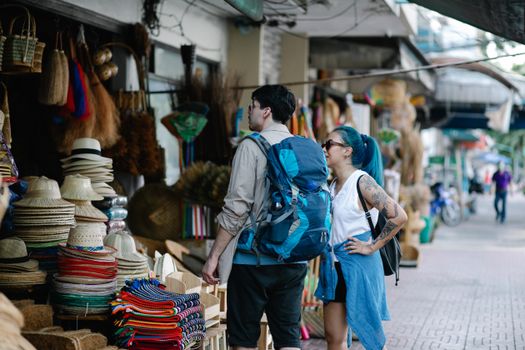
- Craft Markets, Not Gift Shops: Seek out artisan markets or co-ops where you can buy directly from the creators. The quality will be higher, the story behind the item more meaningful, and your money goes directly to the local economy. In Cusco, Peru, instead of buying alpaca sweaters from the main plaza, I ventured into the San Blas neighborhood and found a small artisan workshop where I could see the weaving process and buy a unique, hand-dyed scarf directly from the weaver for a fair price.
- Support Local Businesses: Choose small, independent shops over international chains. This applies to everything from coffee shops to bookstores.
- Experiences as Souvenirs: Instead of buying another trinket that will gather dust, invest in experiences. Take a cooking class, learn a few phrases of the local language, attend a local festival, or volunteer for a day. These memories last far longer than any magnet.
Avoiding the "Free" Scam:
- The Friendship Bracelet: A classic. Someone approaches you, ties a "free" bracelet on your wrist, then demands payment. Politely but firmly refuse to accept anything. Don't let them put it on you.
- The Pigeon Feeders: In places like St. Mark's Square, people will thrust birdseed into your hand, then expect payment for the "experience" of being covered in pigeons. Keep your hands in your pockets and walk past.
- Unsolicited Guides: If someone offers to "help" you find your way or give you a "tour" without you asking, assume there's a catch. Politely decline and continue on your way.
5. The Path Less Traveled: Discovering Hidden Gems
This is where the magic truly happens – finding those places that haven't yet been overrun.
Timing is Everything:
- Off-Season Travel: If your schedule allows, travel during the shoulder season (just before or after peak season) or even the true off-season. You'll encounter fewer crowds, lower prices, and often a more authentic local atmosphere. Visiting Rome in November instead of July is a game-changer – imagine the Colosseum without a sea of selfie sticks!
- Early Bird or Night Owl: For popular attractions, go right when they open or an hour before closing. The light is often better for photos, and the crowds are significantly thinner. I once had the entire Hall of Mirrors at Versailles almost to myself for a glorious 15 minutes by arriving precisely at opening time.
- Weekdays vs. Weekends: Many local attractions or markets are less crowded on weekdays.
Seek Alternatives:
- Different Viewpoints: Instead of paying to go up the Eiffel Tower, find a great view of it from the Trocadéro or the Montparnasse Tower. In Santorini, instead of fighting for a sunset spot in Oia, head to a lesser-known village like Pyrgos or Firostefani for equally stunning, less crowded views. I found a small, family-run taverna in Firostefani with an incredible view and spent a fraction of what I would have in Oia.
- Lesser-Known Neighborhoods: Spend a day exploring a neighborhood that isn't on the main tourist map. In London, venture beyond Westminster to areas like Hampstead or Shoreditch for a completely different vibe. In Paris, explore Le Marais or Canal Saint-Martin instead of just Champs-Élysées.
- Embrace Serendipity: Don't over-plan every minute. Leave room for spontaneous discoveries. Sometimes the best memories are made by getting a little lost and stumbling upon a local festival, a charming alleyway, or an unexpected viewpoint.
6. The Mindset of a Pro: Be Flexible, Be Curious, Be Respectful
Ultimately, avoiding tourist traps is less about a checklist and more about a mindset.
- Patience and Flexibility: Things will go wrong. Buses will be late, reservations will get mixed up, and you might get lost. Embrace it. These are often the moments that lead to the most memorable experiences.
- Trust Your Gut: If something feels off – a price, a person, an invitation – it probably is. Don't be afraid to politely decline and walk away.
- Be a Learner, Not Just an Observer: Engage with locals. Ask questions (respectfully). Listen to their stories. Try to understand their perspective. This is how you truly connect with a place.
- Sustainable & Ethical Travel: Think about the impact of your choices. Support businesses that benefit the local community. Minimize your waste. Be mindful of cultural sensitivities. A pro traveler leaves a positive footprint.
My journey from that overwhelmed tourist in Venice to someone who now actively seeks out authentic encounters has transformed my travel experiences. It’s no longer about ticking off landmarks; it’s about collecting moments, stories, and genuine connections. It’s about discovering the soul of a place, one hidden alleyway and one delicious, unpretentious meal at a time.
Imagine sipping freshly brewed mint tea in a tiny, bustling Moroccan riad, the scent of spices in the air, listening to the call to prayer, far from the trinket sellers of Jemaa el-Fnaa. Or finding yourself at a local fado performance in Lisbon, in a dimly lit tasca, the soulful music washing over you, sharing small plates with locals. These are the moments that stick with you, the ones that feel truly yours.
Don't just visit; live your travels. Be the adventurer who uncovers the magic, not the one who falls for the glitter.
---
Your Turn, Fellow Traveler!
What's your best tip for avoiding tourist traps? Share your stories and wisdom in the comments below! And if this guide helps you unlock a truly authentic adventure, don't forget to tag #TripsoraPro and #NoTouristTraps on your next Instagram post! Let's inspire each other to travel smarter and deeper.
---