Escape Tourist Traps: Travel Like a Pro You Need to Experience Before You Die
There’s a moment in every traveler’s journey – usually involving an overpriced coffee, a gaudy souvenir, or a pushy street vendor – where you realize you’ve been had. That sinking feeling of being just another wallet-on-legs, funneled through a pre-packaged, sanitized version of a destination. I’ve been there, more times than I care to admit. Like the time I paid €15 for a tiny, lukewarm espresso overlooking the Spanish Steps in Rome, only to find a bustling, authentic café serving a better brew for €1.50 just two blocks away. Or the "authentic" hand-carved mask in Bali that I later saw mass-produced in a factory tour.
But here’s the good news: those days are behind me. And after reading this, they’ll be behind you too.
Welcome to the ultimate guide to traveling like a seasoned pro, where avoiding tourist traps isn't just about saving money; it's about unlocking the soul of a place, experiencing genuine connection, and collecting stories that sparkle with authenticity. This isn't just about not doing something; it's about doing something truly extraordinary. It's about those "before you die" moments that make travel truly transformative.
Let's dive in and transform your next trip from a generic vacation into an epic adventure.
1. The Art of Deep Dive Pre-Trip Research: Your Digital Compass
The most powerful weapon against tourist traps is knowledge. Before you even pack your bags, you should be a digital detective, unearthing the real gems. Forget the first page of Google results; those are often optimized for the masses.
My Story: For years, I relied on mainstream travel guides, only to find myself shoulder-to-shoulder with hundreds of other tourists, all chasing the same "must-see" list. It wasn't until a trip to Kyoto, Japan, that I truly embraced deep research. Instead of just looking up "Kyoto attractions," I searched for "Kyoto local food blogs," "hidden temples Kyoto," and "Kyoto off the beaten path." This led me to a tiny, family-run ramen shop tucked away in a quiet alley near Nishiki Market, where I enjoyed the most incredible bowl of tonkotsu ramen for about ¥800 ($7 USD), surrounded by locals. It wasn't in any guidebook, but it was an experience I still rave about.
Actionable Advice:
- Go Beyond Google's First Page: Dig deeper. Look for travel blogs written by ex-pats living in the city you're visiting. Their insights are invaluable. They know the best local haunts, the real prices, and the genuine experiences.
- Scour Forums & Reddit: Subreddits like r/travel, r/solotravel, and specific city subreddits (e.g., r/Rome, r/Paris) are goldmines. Ask specific questions: "Where do locals eat near X landmark?" or "What's an authentic experience often missed by tourists?"
- Utilize Pinterest & Instagram Strategically: Don't just look at pretty pictures. Use location tags and hashtags like #LocalsKnowBest, #[City]HiddenGems, #[City]StreetFood to find less-advertised spots. Look for small businesses, unique shops, and hole-in-the-wall eateries.
- Learn a Few Local Phrases: Even a simple "hello," "thank you," and "how much?" in the local language can open doors and show respect, often leading to better service and prices. "Mille grazie" in Italy or "Kop khun ka/krap" in Thailand goes a long way.
- Download Offline Maps (Google Maps, Maps.me): This is non-negotiable. Pin potential restaurants, attractions, and your accommodation. It saves data, prevents getting lost, and helps you navigate away from tourist-heavy areas even without Wi-Fi.
2. Eat Like a Local: Your Palate's Passport to Authenticity
Food is arguably the most immersive way to experience a culture. Tourist traps often manifest as overpriced, bland restaurants catering to generic tastes, usually located right next to major attractions.
My Story: In Venice, a city notorious for its culinary traps, I once made the mistake of eating at a restaurant directly on St. Mark's Square. The pasta was mediocre, the service rushed, and the bill for two basic dishes and water was over €60. Later that trip, armed with local recommendations, I ventured into the Castello district, far from the main tourist drag. I found a tiny bacaro (traditional Venetian wine bar) serving cicchetti (small snacks) and house wine. For €15, I had a feast of delicious, fresh seafood cicchetti and two glasses of local vino, chatting with the owner and feeling like I’d truly experienced Venetian life. The atmosphere was vibrant, the food incredible, and the price unbeatable.
Actionable Advice:
- Walk 2-3 Blocks Away from Major Attractions: This is the golden rule. Prices drop, quality improves, and authenticity soars just a short walk from any major landmark.
- Look for Crowds of Locals: If a small eatery is packed with locals, it's a good sign. They know where the good food is.
- Check Online Reviews, But Wisely: Google Maps and Yelp can be helpful, but look beyond the star rating. Read the actual reviews. Do people mention "authentic" or "local prices"? Are there photos of real, non-touristy dishes? Also, check local food blogs for recommendations.
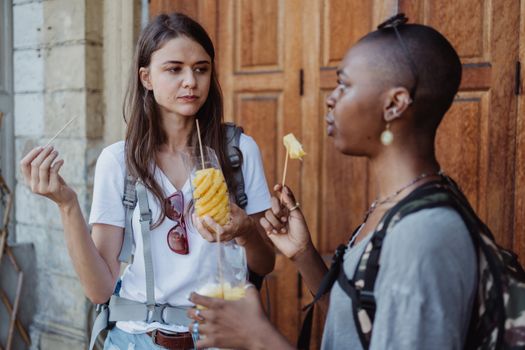
- Embrace Street Food & Markets: In many parts of the world (Thailand, Mexico, Vietnam), street food is the heart of the culinary scene. It's fresh, delicious, and incredibly cheap. Don't be afraid to try it – just look for vendors with high turnover and clean setups. Local markets (like La Boqueria in Barcelona, but then venture outside of it, or Borough Market in London) are also fantastic for fresh produce and prepared foods.
- Ask Locals (Politically): Don't ask hotel concierges or taxi drivers where they eat (they might get a commission). Instead, ask the friendly barista, the shopkeeper, or your Airbnb host. "Where would you go for a great, inexpensive meal?"
3. Mastering Navigation & Transportation: Beyond the Tourist Bus
Getting around efficiently and affordably is key to avoiding feeling like a trapped tourist. Overpriced taxis, crowded tour buses, and tourist-only transport options are common pitfalls.
My Story: In Paris, I initially considered the hop-on-hop-off bus. But then I realized the Metro system was not only faster and cheaper, but also gave me a glimpse into daily Parisian life. I bought a multi-day pass and navigated the city like a local, zipping from the Louvre to Montmartre, even venturing out to the Puces de Saint-Ouen flea market. The money saved on the bus allowed for an extra incredible meal and a visit to a lesser-known museum. The best part? Seeing actual Parisians going about their day, not just other tourists.
Actionable Advice:
- Public Transport is Your Best Friend: Metro, bus, tram, train – learn the local public transport system. It's almost always the cheapest, fastest, and most authentic way to get around. Download relevant apps for schedules and routes (e.g., Citymapper, local transit apps).
- Walk, Walk, Walk: Many cities are best explored on foot. It allows you to discover hidden alleys, charming cafes, and unexpected street art. Wear comfortable shoes!
- Use Ride-Sharing Apps (Wisely): Apps like Uber, Lyft, Grab (Southeast Asia), or Bolt can be convenient, but always compare prices with local taxis and public transport. Be wary of surge pricing.
- Negotiate Taxi Fares (Outside Metered Zones): In many countries, taxis don't use meters or will "forget" to turn them on. Always agree on a price before you get in. If they refuse, find another taxi. This is especially true in places like Bangkok or Marrakech.
- Rent a Scooter/Bike (If Confident & Safe): In certain destinations (e.g., Vietnam, Bali, Amsterdam), renting a scooter or bike can offer incredible freedom, but only do so if you're an experienced rider and understand local traffic laws. Always wear a helmet!
4. Spotting the Scam: The Art of Discerning Authenticity from Artifice
Tourist traps aren't always physical locations; they can be people, too. Scammers prey on travelers' unfamiliarity and desire to be helpful.
My Story: In Marrakech, I was approached by a "student" who claimed his university was closed for a holiday and offered to show me to a "special Berber market" just for one day. Red flags immediately went up. I politely declined, remembering my research about this common tactic to lure tourists into specific shops where they'd pay inflated prices. Later, I found the real local souks on my own, full of genuine artisans and fair prices, without the pressure.
Actionable Advice:
- The "Free" Gift is Never Free: Someone trying to give you a "free" bracelet, flower, or birdseed? Walk away. They'll demand money, and often aggressively, once it's in your hand. This is common in places like Rome (Colosseum area), Paris (Sacré-Cœur), and many major squares.
- Overly Friendly Strangers (with an Agenda): Be friendly, but cautious. If someone approaches you out of nowhere, especially near a major attraction, with an elaborate story or an unsolicited offer of help, they likely want something from you – usually your money or to guide you to a commissioned shop.
- "Closed" Attractions: Someone tells you a popular attraction is "closed for a holiday" or "locals only today" and offers to take you somewhere else? It's a lie. Verify opening hours online.
- Petitions & Donations: People approaching you with clipboards asking for signatures or donations, especially if they seem pushy or vague about the cause. Often, these are distractions for pickpockets or outright scams.
- Inflated Prices: Always ask for the price before ordering or agreeing to a service. If a price isn't displayed, be extra cautious. If it feels too high, it probably is. Don't be afraid to walk away.
- Trust Your Gut: If something feels off, it probably is. Your intuition is a powerful tool.
5. Shopping Smart: Souvenirs That Tell a Real Story
Souvenirs should be cherished mementos, not mass-produced plastic junk. Avoiding souvenir traps means seeking out genuine craftsmanship and fair prices.
My Story: For years, my shelves were filled with generic keychains and fridge magnets. Then, on a trip to Hoi An, Vietnam, a city famous for its tailoring, I decided to invest differently. Instead of buying something pre-made, I visited a local tailor recommended by my guesthouse owner. We spent an afternoon designing a custom silk dress, choosing the fabric, and having fittings. It cost about $40 USD, which was more than a mass-produced item, but it was unique, beautifully made, and a truly personal souvenir. Every time I wear it, I'm transported back to the vibrant streets of Hoi An.
Actionable Advice:
- Avoid Shops Directly at Tourist Sites: These places have captive audiences and sky-high prices. Walk a few blocks away.
- Seek Out Local Markets & Artisan Workshops: Look for local craft markets, art galleries, and workshops where you can see artists at work. This ensures authenticity and often allows you to support local communities directly.
- Bargain (Where Appropriate): In many cultures (especially in Asia, Africa, and parts of the Middle East), bargaining is expected in markets. Start low, be friendly, and don't be afraid to walk away if you can't agree on a fair price. Never bargain in fixed-price shops or restaurants.
- Ask About the Origin: Don't be shy to ask where an item was made. If the vendor is vague or defensive, it's a red flag.
- Invest in Experiences, Not Just Things: Sometimes the best "souvenir" is a cooking class, a traditional performance, or a guided hike with a local. These create lasting memories and deeper cultural understanding.
6. Embrace the Detour: When Getting Lost Leads to Discovery
While the goal is to avoid traps, part of authentic travel is embracing spontaneity and a little bit of the unknown. Sometimes, the best "hidden gems" are found when you deviate from the plan.
My Story: On a rainy afternoon in Edinburgh, Scotland, my partner and I decided to skip the crowded Royal Mile and just wander down a side street. We stumbled upon a tiny, ancient pub called "The Sheep Heid Inn" – one of Edinburgh's oldest, dating back to 1360! It was cozy, filled with locals, and had a bowling alley in the back. We spent hours there, playing skittles and chatting with the regulars, completely forgetting about the rain. It wasn't in any of our guides, but it became one of our favorite memories from the trip.
Actionable Advice:
- Allow for Spontaneity: Don't over-schedule every minute. Leave some open slots in your itinerary for serendipitous discoveries.
- Wander Safely: Pick a neighborhood you've researched as safe and just start walking. Look up, look down, observe the details. You might find incredible street art, a charming bookstore, or a beautiful park.
- Strike Up Conversations: Be open to talking to locals (respectfully, of course). A friendly chat can lead to an unexpected recommendation for a local event or a hidden viewpoint.
- Take a Different Route: Instead of the most direct path, choose a slightly longer route through a different neighborhood. You never know what you'll find.
- Be Present: Put your phone away (unless you're using your offline map!). Look around, listen, smell, taste. The most authentic experiences happen when you're fully engaged with your surroundings.
7. The Power of "No": Setting Boundaries Like a Pro
Learning to politely but firmly say "no" is an essential skill for avoiding tourist traps and maintaining your sanity.
My Story: In Istanbul's Grand Bazaar, a place famous for its persistent vendors, I initially struggled. I felt rude declining offers. But after a few hours of being pulled into shops and pressured to buy, I realized I needed a strategy. I started making eye contact, smiling, and firmly saying "No, thank you" in Turkish ("Hayır, teşekkürler") as I walked past. It worked wonders. I wasn't rude, but I also wasn't a pushover. It allowed me to browse on my own terms and enjoy the magnificent atmosphere without constant harassment.
Actionable Advice:
- Polite but Firm: A simple "No, thank you" (or the local equivalent) with a smile and continued walking is usually sufficient. Don't engage in lengthy conversations if you're not interested.
- Avoid Eye Contact (Sometimes): In areas known for aggressive touts, sometimes the best strategy is to avoid direct eye contact and keep moving.
- Don't Feel Obligated: You are not obligated to buy anything, accept a "free" gift, or follow someone to their "special" shop.
- Pretend to Be Busy: If you're being hassled, sometimes pretending to be engrossed in your phone or looking at your map can deter persistent vendors.
- Walk Away: If a situation feels uncomfortable or you're being pressured, simply walk away. Your safety and comfort are paramount.
Conclusion: Your Adventure, Unfiltered
Avoiding tourist traps isn't about being cynical; it's about being smart, curious, and respectful. It's about peeling back the layers of a destination to reveal its true, vibrant essence. It's about connecting with people, savoring authentic flavors, and discovering hidden corners that most travelers never see.
These aren't just tips for saving a few bucks; they are your passport to truly live, breathe, and experience the world in a profound way. Imagine those Instagram-worthy moments: not just a selfie in front of a monument, but a candid shot of you laughing with a local street vendor, or the perfectly plated, authentic dish in a bustling neighborhood eatery, far from the crowds. These are the "before you die" experiences that enrich your life, broaden your perspective, and make you a storyteller, not just a sightseer.
So, next time you plan a trip, remember these strategies. Do your research, eat like a local, embrace the unexpected, and trust your instincts. The world is waiting for you, unfiltered and authentic. Go forth and explore like the seasoned pro you are!
What's your best tip for avoiding tourist traps, or your favorite "hidden gem" discovery? Share it in the comments below!
---