Tourist Traps Busted! Your Pro Guide to Authentic Travel in November 2025
Let's get real for a second. We've all been there. That moment when you realize you've just paid €15 for a sad, limp hot dog near a major landmark, or a "hand-painted" souvenir that clearly says "Made in China" on the bottom. My moment of truth came in Venice, years ago. I was fresh off the train, starry-eyed and hungry, and ended up paying €9 for a small glass of watery orange juice and a stale croissant at a café directly facing St. Mark's Square. My wallet wept, and so did my dreams of a quintessential, romantic Venetian breakfast.
It was a rookie mistake, but it taught me a valuable lesson: tourist traps are everywhere, and they're designed to prey on your excitement, your unfamiliarity, and sometimes, your sheer exhaustion.
But here's the good news: you don't have to fall for them. Not anymore. As a seasoned travel blogger for Tripsora, I've spent years honing my "trap-dodging" skills, and I'm here to equip you with everything you need to navigate your November 2025 adventures like a true professional. Forget the overpriced, inauthentic fluff. We're chasing genuine experiences, delicious local flavors, and memories that truly count.
November, by the way, is a fantastic time to travel. The summer crowds have dissipated, the crisp air adds a magical touch, and many destinations are gearing up for the festive season. This shoulder season offers a unique advantage for avoiding traps – fewer tourists often mean less pressure from touts and more opportunities for authentic interactions. So, let's dive in!
1. Before You Go: Arm Yourself with Digital Savvy (Your Pre-Trip Reconnaissance)
The best defense against a tourist trap is a good offense, and that starts long before you even pack your suitcase. Your smartphone and a bit of research are your most powerful allies.
My Story: Before a trip to Rome last year, I spent hours scouring Reddit's r/travel and local expat forums. Instead of just looking up "best restaurants near the Colosseum," I searched for "authentic local trattoria Rome," "hidden gems Testaccio," or "where do Romans eat near Trastevere." This led me to a tiny, unassuming spot called Da Enzo al 29 in Trastevere, highly recommended by locals for its traditional Roman pasta dishes. The line was long, but it was packed with Italian families, not camera-wielding tourists. The cacio e pepe? Life-changing, and a fraction of the price of the bland pasta I saw being served on Piazza Navona.
Actionable Tips for November 2025:
- Dive Deep into Online Forums & Blogs: Go beyond TripAdvisor's top 10. Look for local expat groups on Facebook, Reddit threads (e.g., r/Paris, r/ItalyTravel), and niche travel blogs that focus on local culture. These are goldmines for genuine recommendations.
- Leverage Google Maps Street View: Before you commit to a restaurant, "walk" down the street on Street View. What do the menus look like? Are there locals sitting outside? Are there multiple languages on the menu? A menu exclusively in English (or your native language) is often a red flag.
- "Local Favorites" vs. "Top Attractions": When searching for anything – food, shops, activities – add "local favorites" or "where locals go" to your search queries. This shifts the focus from mass tourism to authentic experiences.
- Check Official Tourism Sites (with a grain of salt): While official sites are great for major attractions, they sometimes inadvertently promote tourist-centric businesses. Use them for general information, but cross-reference with independent sources.
- Learn a Few Local Phrases: Even a simple "hello," "thank you," "please," and "how much?" in the local language can make a huge difference. It shows respect and can open doors to more genuine interactions, sometimes even earning you a better price or service.
2. The Power of Proximity: Embrace the 500-Meter Rule
This is perhaps the simplest, most effective rule in my anti-trap arsenal. If you're standing directly in front of a major landmark – the Eiffel Tower, the Acropolis, the Trevi Fountain – anything you buy, eat, or experience there will likely be overpriced and often subpar.
My Story: I once saw a couple pay €10 for a tiny bottle of water right outside the Vatican. Just two blocks away, a small convenience store sold the same bottle for €1.50. The difference? A five-minute walk. That's the 500-meter rule in action.
Actionable Tips for November 2025:
- Walk Away from the Landmark: Make it a habit to walk at least 500 meters (about five blocks) away from any major tourist attraction before you consider eating, buying souvenirs, or even hailing a taxi. The prices drop, and the quality often rises exponentially.
- Food & Drink: Restaurants with prime real estate overlooking famous sites charge for the view, not necessarily the food. Duck down a side street, explore a quieter piazza, or venture into a different neighborhood. You'll find better food, lower prices, and a more authentic atmosphere.
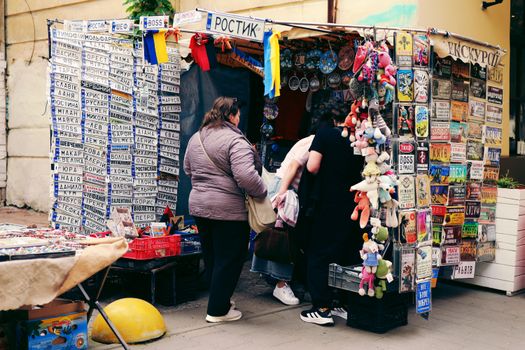
- Souvenirs: Those little kiosks right outside the museum? Skip them. You'll find more unique, better-priced, and often genuinely local crafts at markets or smaller artisan shops further afield. In Florence, I found beautiful leather goods in Oltrarno, across the Arno River, at half the price of the shops near the Duomo.
- Transportation: Avoid the taxi touts right outside train stations or airports. Use official taxi stands, pre-booked transfers, or ride-sharing apps (like Uber/Bolt) if available and reliable in your destination. Always confirm the fare or ensure the meter is running.
3. Decoding the Deal: When "Free" Isn't Free (The Hidden Cost Conundrum)
This is where the charm offensive meets the wallet ambush. Many tourist traps begin with an offer of something "free" or "helpful."
My Story: The classic "friendship bracelet" scam in Montmartre, Paris. A friendly-looking guy approached me, started chatting, and before I knew it, he was tying a "free" bracelet onto my wrist. Then came the demand for money, often escalating if you refuse. I learned quickly: a firm "non, merci," avoiding eye contact, and keeping walking is the only way to disengage. Don't let them touch you.
Actionable Tips for November 2025:
- The "Free" Gift: If someone tries to give you a "free" flower, bracelet, or trinket, politely but firmly decline. Do not accept it, do not let them put it on you. Once it's in your hand or on your wrist, they'll demand payment.
- Overly Helpful Strangers: While most locals are genuinely kind, be wary of strangers who approach you unsolicited, offering directions or "help" with your bags, especially near major attractions or transportation hubs. They often lead you to an overpriced shop, a "special" tour, or demand a tip for their "service."
- Restaurant Cover Charges / Bread Baskets: In some European countries, a "coperto" (cover charge) or charges for bread/water are common. Always check the menu or ask if these items are complimentary before you consume them. If you don't want the bread, politely say so.
- "Special" Tours & Hawkers: Be skeptical of individuals selling "special" tours or tickets on the street. Always book tours through reputable companies, your accommodation, or official tourism offices. Verify prices and what's included.
- Taxi Meters: Always insist on the meter running. If the driver claims it's broken or tries to negotiate a flat rate that seems too high, find another taxi. Research typical fares for common routes in advance.
4. Eating Like a Local: Culinary Traps & Triumphs
Food is arguably one of the most exciting parts of travel. Don't let a bad, overpriced meal ruin it. Eating authentically means both delicious food and a deeper cultural connection.
My Story: In Seville, Spain, I was craving authentic tapas. Instead of wandering aimlessly, I popped into a small, independent stationery shop and asked the owner, in my broken Spanish, "Where do you go for tapas?" He grinned, pointed me to a tiny, bustling place called El Rinconcillo, tucked away down an alley, which he described as "the oldest bar in Seville." It was standing room only, filled with boisterous locals, and the tapas were incredible – jamón ibérico, espinacas con garbanzos, and gambas al ajillo – all for €2-4 per plate. The atmosphere was electric, and it felt like a true slice of Andalusian life.
Actionable Tips for November 2025:
- Look for Local Languages: A menu primarily in the local language, with perhaps a small English translation, is a good sign. A menu with multiple flags and glossy pictures of every dish (especially near landmarks) often indicates a tourist trap.
- Follow the Locals: If a restaurant is packed with locals, it's usually a good bet. If it's empty, or only filled with tourists, reconsider.
- Ask for Recommendations (Wisely): Ask staff at smaller, independent hotels, guesthouses, or local shopkeepers for their favorite spots. Avoid asking hotel concierges at large chains, as they sometimes have arrangements with certain restaurants.
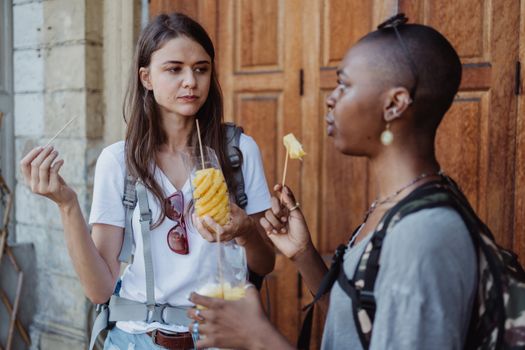
- Embrace Street Food & Markets: In many cultures, street food is the heart of the culinary scene. It's often delicious, authentic, and incredibly affordable. Just observe hygiene practices before you commit. Local markets are also fantastic for fresh produce, snacks, and sometimes prepared foods.
- Check the Bill: Always review your bill carefully. Look for unexplained charges, items you didn't order, or inflated prices. It's rare, but it happens.
- Avoid "Set Menus" unless they are a local tradition: While some places offer great value "menu del día" (menu of the day) for lunch, be wary of "special tourist menus" that seem too good to be true, especially for dinner.
5. Shopping Smart: Buy Memories, Not Regrets
Souvenirs are a wonderful way to commemorate your travels, but they can also be a minefield of overpriced junk.
My Story: My first trip to Florence, I bought a "hand-painted" ceramic plate from a shop near the Ponte Vecchio for €40. It looked lovely. A few years later, visiting a small artisan cooperative in the Oltrarno district, I saw truly unique, hand-crafted pieces – and realized my plate was mass-produced, likely from a factory, and probably cost €5 to make. I learned to seek out genuine artisans.
Actionable Tips for November 2025:
- Authenticity Check: Ask yourself: Is this genuinely local? Is it handmade? Or is it a generic item with a city's name slapped on it? Look for artisan workshops, craft markets, or cooperatives.
- Haggling (When Appropriate): In some cultures (e.g., many parts of Asia, Africa, the Middle East), haggling is expected at markets. Do it respectfully and with a smile. In others (e.g., most of Western Europe, North America), it's considered rude. Do your research!
- Markets vs. Tourist Shops: Local markets (food, flea, craft) are often the best places to find unique, authentic items at fair prices. Be mindful of your belongings in crowded areas.
- Avoid Street Vendors for Valuables: While street vendors can offer fun trinkets, avoid buying anything of significant value (e.g., electronics, jewelry) from them. Quality and authenticity are often questionable, and returns are impossible.
- Duty-Free Isn't Always a Deal: Don't assume duty-free shops at airports offer the best prices. Often, you can find the same items cheaper online or in local stores. Compare prices before you buy.
- Support Local Artisans: Seek out small, independent galleries or workshops. Not only do you get a unique, quality item, but you also support the local economy and culture directly.
6. The November 2025 Edge: Your Seasonal Advantage
Traveling in November offers some distinct benefits that can help you avoid traps and enhance your authentic travel experience.
My Story: Last November, I took a cooking class in Tuscany. Typically, these classes are packed in summer. But in late November, there were only four of us. The chef, a delightful nonna, had more time to chat, shared family stories, and even taught us a bonus dish. It felt less like a commercial activity and more like a personal immersion into Italian home cooking. The smaller group also meant less pressure to rush through the local market visit, allowing us to truly interact with the vendors.
Actionable Tips for November 2025:
- Fewer Crowds, Less Pressure: With fewer tourists, street hawkers and pushy vendors are often less aggressive. You'll have more space and time to observe, compare, and make informed decisions without feeling rushed or pressured.
- Shoulder Season Deals: Accommodation and flight prices are generally lower in November compared to peak summer or holiday seasons. This means more budget for experiences, or simply saving money!
- Embrace the Festive Prep: Many European cities, for example, start setting up their Christmas markets in late November. While some items can be touristy, these markets are also fantastic places to find genuine local crafts, delicious seasonal treats, and experience a unique cultural tradition.
- Weather Wisely: Pack layers! While November can be chilly in many places, the crisp air and often clearer skies make for beautiful walking and photography. Embrace the cozy café culture and enjoy the lack of sweaty crowds.
- Off-Season Closures (Be Aware): While many things are open, some smaller, seasonal businesses might be closed. Always double-check opening hours for specific attractions, restaurants, or shops, especially if you're traveling to smaller towns or coastal regions. This knowledge helps you plan around potential "dead zones" where tourist traps might be more prevalent due to limited options.
Your Authentic November 2025 Awaits!
Avoiding tourist traps isn't about being cynical; it's about being smart, informed, and respectful of the local culture. It's about empowering yourself to choose genuine experiences over manufactured ones. By doing your homework, embracing the 500-meter rule, being savvy about "free" offers, eating where the locals eat, and shopping with intention, you'll transform your November 2025 trip from a generic vacation into an unforgettable adventure.
You'll save money, yes, but more importantly, you'll gain something priceless: a deeper connection to the places you visit and the people who call them home. So, go forth, explore, and let your authentic travel story unfold!
What are your best tips for avoiding tourist traps? Have you ever fallen for one? Share your stories and advice in the comments below! Let's help each other travel smarter and more authentically!
---