Unmasking Tourist Traps: Your Pro Guide to Trending Scams (and How to Dodge Them Like a Boss)
Remember that time you saw a picture of a "hidden gem" waterfall on Instagram, only to arrive and find a queue longer than for a Beyoncé concert, surrounded by pop-up souvenir stalls and a "mandatory" entrance fee that felt suspiciously high? Or the "authentic" floating market that turned out to be a few boats selling overpriced trinkets to busloads of tourists, miles away from any actual local life?
Yeah, me too. More times than I’d like to admit.
My name is Alex, and for the past decade, I’ve been chasing sunsets, savoring street food, and getting gloriously lost in every corner of this incredible planet. Along the way, I’ve collected passport stamps, incredible memories, and – yes – a few cautionary tales about falling for tourist traps. But here’s the secret: every time I’ve been caught, I’ve learned something new. And today, I’m sharing those hard-won lessons with you.
Tourist traps aren't just for first-time travelers anymore. They're evolving, becoming savvier, and leveraging social media trends to lure even seasoned explorers. What was once a quaint local spot can, overnight, become an overcrowded, overpriced photo op thanks to a viral Reel. But don't despair! With the right tools and a healthy dose of skepticism, you can still find those genuine, breathtaking experiences that make travel so rewarding.
Consider this your ultimate guide to dodging the latest, most insidious tourist traps and traveling like the savvy, authentic explorer you were meant to be. Let’s dive in.
1. The Social Media Mirage: When "Hidden Gems" Become Overrun Traps
Social media is a double-edged sword for travelers. It inspires us with breathtaking visuals and introduces us to lesser-known spots. But it also, inadvertently, creates new tourist traps. That "secret beach" in the Philippines? Probably not so secret anymore. That "undiscovered cafe" in Paris? Now it has a permanent line of influencers.
The Trap: Viral "hidden gems," picturesque locations, or "authentic experiences" that become so popular they lose their charm, get exploited, or even become entirely staged for the 'gram. Think the over-commercialized "floating markets" near Bangkok (Damnoen Saduak, looking at you!), where locals mostly sell to tourists, not each other. Or the "Bali swing" phenomena, which are essentially theme park rides designed solely for photos, often far from any real scenic beauty.
My Story: I once saw a stunning photo of a "secret" waterfall in Northern Thailand. It looked pristine, untouched. So, I rented a scooter and drove for hours. When I arrived, there were five different tour buses, a concrete path, a ticket booth charging foreigners 10x the local rate, and a line of people waiting to take the exact same photo. The magic was gone.
How to Dodge It Like a Pro:
- Reverse Image Search & Date Check: See how old the viral photos are. If they're recent and have millions of likes, chances are it's already a hotspot. Look for photos from non-influencers.
- Read Recent Reviews (with a grain of salt): Scrutinize reviews on Google Maps, TripAdvisor, or travel blogs. Look for mentions of overcrowding, artificial setups, or feeling "staged." Prioritize reviews from the last 3-6 months.
- Look for Local Context: Does the "hidden gem" actually make sense in the local culture or environment? Is it something locals would genuinely frequent? If it feels too perfect, too curated, or too "Instagrammable" without any other purpose, it might be a trap.
- Seek Alternatives: If a spot is clearly overrun, ask locals for their favorite similar places. Often, there's a less famous, more authentic waterfall, beach, or market nearby that offers a truer experience.
2. The "Authentic Experience" Illusion: When Culture Becomes a Commodity
We all crave genuine cultural immersion. But in popular destinations, this desire is often exploited by "experiences" that are slickly packaged, overpriced, and ultimately, devoid of real local flavor.
The Trap: Cooking classes designed for mass tourism, traditional performances in purpose-built, soulless venues, "local craft" workshops where everything is pre-made and imported, or "village tours" that feel more like human zoos. Think a "traditional tea ceremony" in Kyoto where you're rushed through with 50 other tourists, or a "Bedouin camp" in the desert that's essentially a hotel with tents and a pre-packaged buffet.
My Story: In Marrakech, I booked what was advertised as an "authentic Moroccan cooking class" through my hotel. It was held in a pristine, modern kitchen with stainless steel appliances – not exactly the rustic, bustling environment I envisioned. We followed a recipe, but it felt more like a demonstration than a hands-on cultural exchange. The food was fine, but the experience was sterile and lacked the soul of Moroccan cooking I'd later find in a smaller, family-run riad.
How to Dodge It Like a Pro:
- Go Small, Go Independent: Look for experiences run by individuals or small local families, not large tour operators. Check Airbnb Experiences, Eatwith, or local community websites.
- Ask for Details: Before booking, ask about group size, the specific location, and what materials are used. For a cooking class, ask if you'll be shopping for ingredients at a local market. For a craft workshop, ask if you'll be using traditional tools and materials.
- Observe Before You Book: Walk past the venue if possible. Do locals seem to be participating or just working? Is it packed exclusively with tourists?
- Seek Out Local Guidance: Ask your guesthouse host, a local barista, or a shop owner (not connected to tourism) for recommendations. They often know the truly authentic spots.
3. Food Fails & Pricey Bites: Navigating the Culinary Minefield
Food is an integral part of travel, but it's also a prime area for tourist traps. From overpriced, bland meals to outright scams, navigating the local culinary scene requires a keen eye and a discerning palate.
The Trap: Restaurants with aggressive touts, menus without prices, "specialty" dishes that cost a fortune, places right next to major attractions with laminated menus in 10 languages, or street food vendors who charge foreigners double. Think the restaurants around the Spanish Steps in Rome, or the seafood places in Venice where a small plate of pasta can set you back €30. Another trending trap is the "all-you-can-eat" buffet that turns out to have hidden charges or terrible quality.
My Story: I once sat down at a picturesque canalside restaurant in Venice. The waiter was charming, the view was lovely. I ordered a "fresh seafood platter" without asking the price (my rookie mistake!). When the bill came, it was €80 for a few prawns and some uninspired fish. I learned a very expensive lesson about always, always checking prices.
How to Dodge It Like a Pro:
- Eat Where the Locals Eat: This is the golden rule. Look for places with queues of locals, no English menu, or just one or two tables. If you see a tour bus parked outside, run.
- Google Maps is Your Friend: Check reviews (especially recent ones) and photos on Google Maps before sitting down. Look for mentions of "tourist trap," "overpriced," or "scam." Pay attention to photos of the menu if available.
- Look for Posted Prices: By law in many countries, prices must be clearly displayed. If a menu is vague or prices are missing, consider it a red flag. Always confirm the price before ordering, especially for seafood or "market price" items.
- Learn Basic Food Phrases: Knowing "how much?" (e.g., Quanto costa? in Italian, ¿Cuánto es? in Spanish) and "thank you" can go a long way in local eateries.
- Avoid Tourist Hotspots for Main Meals: While grabbing a coffee with a view is fine, save your main meals for areas a few blocks away from the major attractions.
4. The Transport Tangle: Rides, Rip-Offs, and Roundabouts
Getting around a new city can be daunting, and transportation is often where travelers are most vulnerable to scams.
The Trap: Taxi drivers who refuse to use meters, take ridiculously long routes, or claim their meter is "broken." Tuk-tuk drivers who offer a "free city tour" but only take you to shops where they get commission. Fake ticket agents at bus or train stations. Unlicensed airport transfer services.
My Story: In Bangkok, I once hailed a tuk-tuk that offered a "special price" to a temple. He then proceeded to take me to three different tailor shops and a gem store, where aggressive salespeople tried to pressure me into buying things. I wasted an hour and felt completely manipulated. Never again.
How to Dodge It Like a Pro:
- Use Ride-Sharing Apps: In many countries, apps like Uber, Grab, Bolt, or local equivalents provide fixed prices and track your route, minimizing scams. This is my go-to.
- Insist on the Meter (or Agree on Price): If taking a taxi, always insist the driver uses the meter. If they refuse or claim it's broken, get out and find another. If no meter is available (e.g., some tuk-tuks), agree on a price before you get in and make sure it's for the entire ride, not per person.
- Know Your Route: Have a rough idea of the route on Google Maps so you can spot if a driver is taking an unnecessarily long way.
- Use Official Transport: At airports, use official taxi stands or pre-booked airport transfers from reputable companies. Avoid unsolicited offers from individuals.
- Small Bills are Key: Always have small denominations for transport. Drivers often claim they don't have change, hoping you'll round up.
5. The "Bargain" Bazaar & Souvenir Scams: More Than Just a Memento
Shopping for souvenirs is part of the fun, but it can quickly turn sour if you're not careful.
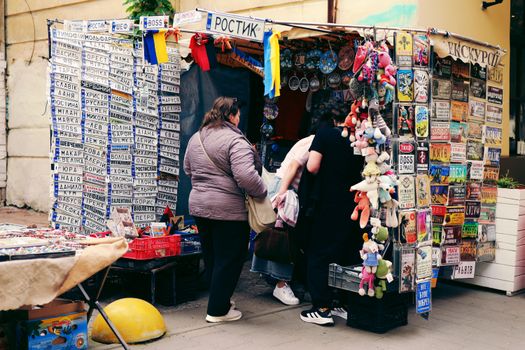
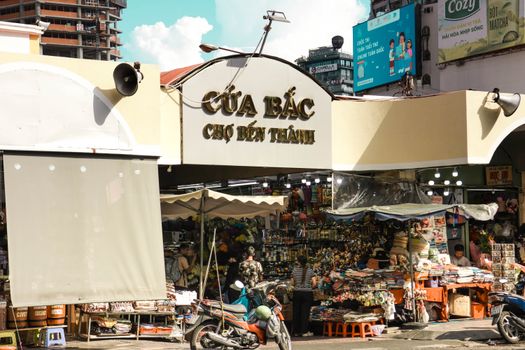
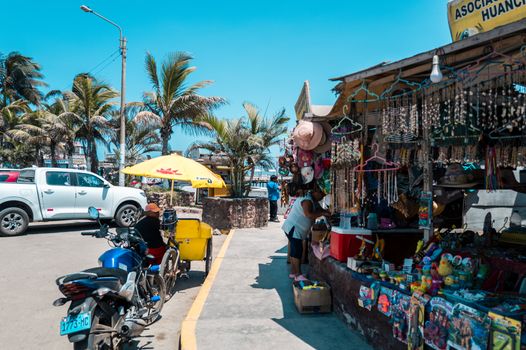
The Trap: Sellers aggressively pulling you into their shops, "handmade" items that are mass-produced, fake designer goods, inflated prices, or the classic "free gift" that comes with a high-pressure sales pitch. Think the souks of Marrakech or Istanbul, where prices can be marked up by 500% for tourists, or the street vendors in Paris selling "Eiffel Tower" keychains made in China.
My Story: I once bought what I thought was a beautiful, handcrafted silver bracelet in a bustling market. It was a "bargain" after some intense haggling. Within a week of wearing it, my skin turned green, and the "silver" flaked off. It was a cheap alloy, cleverly disguised.
How to Dodge It Like a Pro:
- Research Local Prices: Before you shop, get a sense of what things should cost. Ask your guesthouse host or observe locals buying similar items.
- Haggle (Respectfully): In cultures where haggling is common, embrace it! But do so politely and with a smile. Start at 30-50% of the asking price and work your way up. If you can't agree, walk away – often they'll call you back.
- Shop Away from Main Tourist Areas: Prices are almost always higher right next to famous landmarks. Wander a few blocks away into local neighborhoods for better deals and more authentic goods.
- Inspect Thoroughly: Examine items closely. For "handmade" items, look for imperfections that suggest true craftsmanship. For electronics or branded goods, assume they're fake unless bought from an authorized dealer.
- Say No Firmly: If you're not interested, a polite but firm "No, thank you" or "La, shukran" (in Arabic) and walking away is often the best strategy. Don't feel pressured.
6. The Information Overload & The "Helper" Hype
Sometimes, the most insidious traps come from seemingly helpful strangers or misleading information.
The Trap: Someone approaching you unsolicited to offer "help" with directions, claiming an attraction is closed (and offering to take you somewhere else), or posing as an official to demand money or documents. This is particularly common around major train stations or popular sights.
My Story: Near the Colosseum in Rome, a man in a fake uniform told me the ticket office was closed and I needed to buy tickets from his "official" agency down the street for a much higher price. I thanked him, walked directly to the actual ticket office, and bought my ticket at the standard price. Always trust official sources over random strangers.
How to Dodge It Like a Pro:
- Be Skeptical of Unsolicited Help: While many people are genuinely kind, always be wary if someone approaches you offering "help" without you asking. A polite "No, thank you, I'm fine" is usually sufficient.
- Verify Information: If someone tells you an attraction is closed, verify it yourself at the official entrance or on the official website. Don't take a stranger's word for it.
- Official Sources Only: For tickets, tours, or information, always go to official ticket counters, tourist information centers, or reputable websites.
- Trust Your Gut: If something feels off, it probably is. Your intuition is a powerful tool when traveling.
The Ultimate Pro Tip: Embrace the Unexpected (But Be Prepared)
Dodging tourist traps isn't about becoming cynical or mistrustful of everyone. It's about being informed, prepared, and maintaining a healthy dose of awareness. The goal isn't to avoid all contact with locals, but to ensure those interactions are genuine and mutually respectful, not exploitative.
The most authentic travel experiences often happen when you step off the beaten path, engage with locals on their terms, and allow for a bit of serendipity. Those are the moments you'll truly cherish, not the overpriced souvenir or the staged photo op.
So, go forth, explore, and discover the world with confidence and wisdom. Share your adventures, but remember to seek out the real stories, not just the Instagram-perfect ones.
---
What's your biggest "tourist trap" story? Have you spotted a trending scam I missed? Share your tips and tales in the comments below! Let's help each other travel smarter!
Don't forget to bookmark this guide for your next adventure and share it with your travel buddies! Let's make every trip an authentic masterpiece!
---