Michelin Stars Under $20: Your Ultimate Budget Foodie Bucket List
I used to think "Michelin-starred dining" and "budget travel" were mutually exclusive terms, like "silent nightclub" or "dry swimming pool." My travel philosophy revolved around stretching every dollar, finding the cheapest hostels, and eating street food until I practically became a local. Fancy restaurants? Not on my radar. My taste buds were happy with a $3 bowl of noodles, and my wallet was even happier.
Then, one sweltering afternoon in Singapore, everything changed. I was sweating through my t-shirt, navigating the labyrinthine aisles of the Chinatown Complex Market & Food Centre, when I stumbled upon a queue unlike any other. It snaked around corners, filled with locals and tourists alike, all patiently waiting for a taste of something extraordinary. The sign above the stall was unassuming: "Liao Fan Hong Kong Soya Sauce Chicken Rice & Noodle." And then, my jaw dropped. Right next to the name, a gleaming, unmistakable symbol: a Michelin star.
A Michelin star. At a hawker stall. The price? A mind-boggling S$3.50. I joined the queue, skeptical but intrigued. What I received was a plate of perfectly roasted chicken, glistening with a savory soy sauce glaze, served over fragrant rice. The first bite was a revelation – tender, juicy, bursting with umami, a symphony of flavors that danced on my tongue. It wasn't just good; it was exceptional. And it cost less than my latte back home.
That day, I realized I’d been living a lie. The world of Michelin-starred dining wasn't just for the elite; it was accessible, democratic, and utterly delicious. It sparked a new mission: to find and devour every Michelin-starred meal under $20 I could get my hands on. And trust me, dear Tripsora readers, there are more of them out there than you think. Get ready to embark on a culinary quest that will tantalize your taste buds and leave your wallet surprisingly intact.
1. The Hawker Stall Hero: Liao Fan Hawker Chan, Singapore
Location: Chinatown Complex Market & Food Centre, 335 Smith St, #02-126, Singapore (Original Stall) Estimated Price: S$3.50 - S$8 (approx. $2.50 - $6 USD)
This is where my journey began, and it remains a gold standard for affordable gourmet. Chef Chan Hon Meng's story is the stuff of legends: a humble hawker chef who earned the world's first (and only, for a time) Michelin star for a street food stall. It's a testament to dedication, passion, and the belief that exceptional food doesn't need a fancy setting.
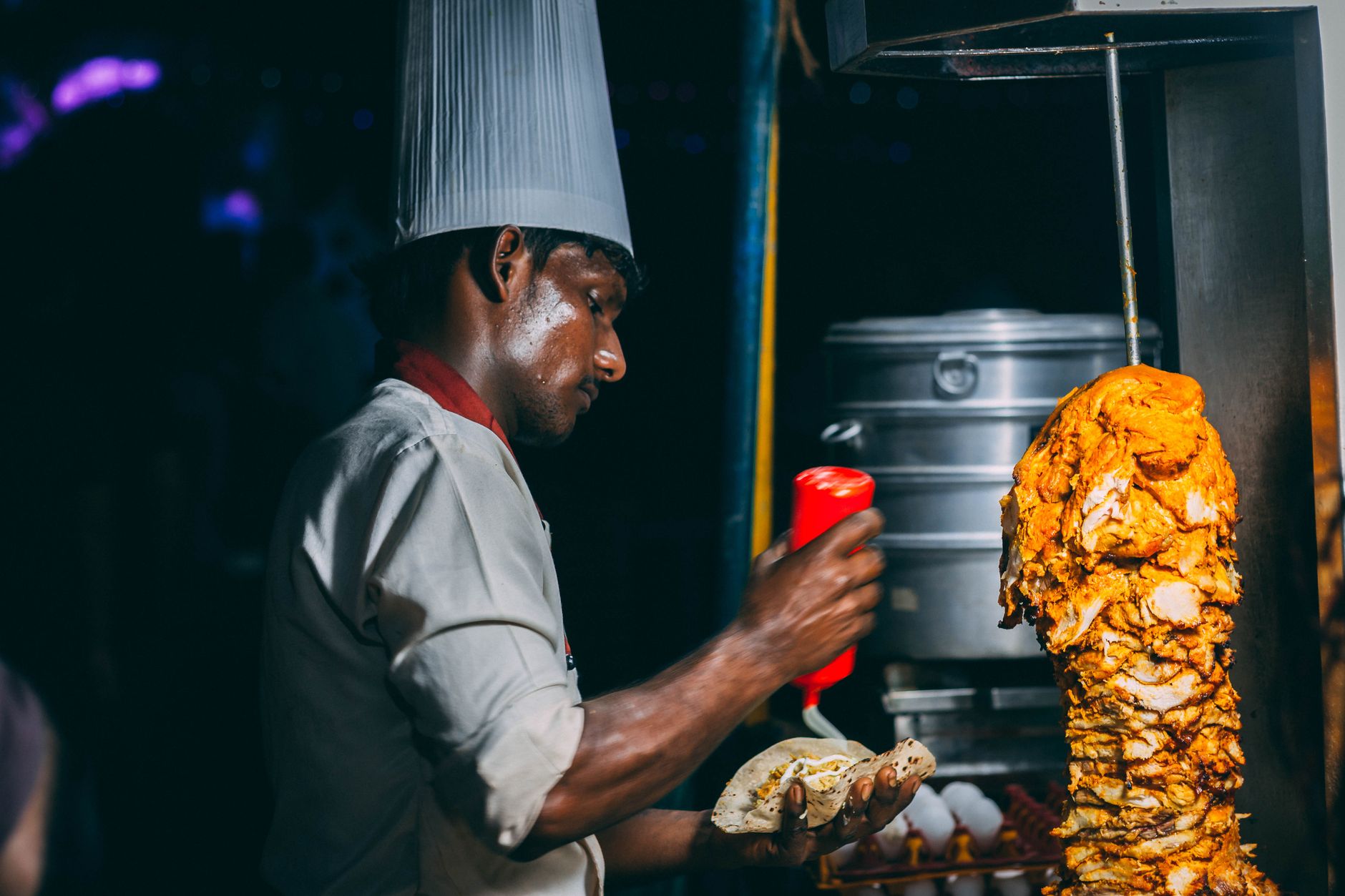
Walking into the Chinatown Complex, the aroma of spices, roasting meats, and frying noodles hits you like a delicious wave. Finding Hawker Chan isn't hard; just look for the longest queue. The wait can be 30 minutes to an hour, especially during peak lunch or dinner times, but trust me, it's part of the experience. You'll watch the chefs deftly chop chicken, ladle sauce, and serve hundreds of plates with incredible speed and precision.
When your turn finally comes, the choice is simple but profound: Soya Sauce Chicken Rice, Soya Sauce Chicken Noodle, Char Siew (BBQ Pork), or Roasted Pork. My personal go-to is the Soya Sauce Chicken Rice. The chicken skin is perfectly crisp, the meat incredibly tender and infused with that signature savory-sweet soy marinade. The rice is aromatic, and a side of chili sauce adds a perfect kick. It’s simple, yes, but executed with such flawless technique and consistent quality that it transcends its humble origins.
Tripsora Tips for Hawker Chan:
- Go Early: Aim for just before opening (around 10:00 AM) or during off-peak hours (mid-afternoon) to beat the longest queues.
- Cash Only: Most hawker stalls are cash-only, so have some Singapore Dollars ready.
- Try Everything: If you're with friends, order a few different dishes and share! The char siew is also fantastic.
- Embrace the Vibe: It's a bustling hawker center. Find a seat, share a table if needed, and soak in the vibrant atmosphere. This isn't fine dining; it's authentic, delicious street food at its absolute best.
- Instagram Moment: Capture the iconic queue, the bustling kitchen, and of course, your glorious plate of chicken rice. #HawkerChan #MichelinStreetFood
2. Dim Sum Dreams on a Budget: Tim Ho Wan, Hong Kong
Location: Sham Shui Po (original location), 9-11 Fuk Wing St, Sham Shui Po, Hong Kong Estimated Price: HKD 50-100 per person (approx. $6 - $13 USD)
From Singapore's hawker stalls, we zip over to the frenetic energy of Hong Kong, a city where culinary excellence is found on every corner, from humble cha chaan tengs to opulent Cantonese palaces. Tim Ho Wan, often dubbed "the world's cheapest Michelin-starred restaurant," carved its niche by offering incredibly high-quality dim sum at incredibly low prices. While they've expanded globally, the original Hong Kong branches still hold that special magic.
My first visit to Tim Ho Wan was at their Sham Shui Po location, a small, unassuming eatery tucked away on a busy street. There are no reservations, just a number system and a long wait outside, typically on plastic stools. The interior is utilitarian – simple tables, plastic chairs, and a constant buzz of conversation and clatter of chopsticks. But the moment those bamboo steamers hit your table, you understand why people wait.
The star of the show, without a doubt, is the Baked BBQ Pork Buns (Char Siu Bao). These aren't your typical fluffy steamed buns; these are baked to a golden crisp, with a sweet, crumbly topping that shatters with each bite, revealing a succulent, smoky char siu filling. They are utterly addictive, a perfect blend of sweet and savory, crispy and tender. I still dream about them.
Beyond the buns, every dish is a masterclass in dim sum artistry: delicate Har Gow (shrimp dumplings) with translucent skin, perfectly steamed Siu Mai (pork and shrimp dumplings), glutinous rice wrapped in lotus leaf, and crispy spring rolls. Each item is prepared with meticulous care, fresh ingredients, and a depth of flavor that belies its modest price tag.
Tripsora Tips for Tim Ho Wan:
- Go for the Originals: While Tim Ho Wan has many branches, some of the older, smaller ones in Hong Kong (like Sham Shui Po or Tai Kwok Tsui) offer a more authentic, less touristy experience.
- Order Strategically: Don't be afraid to order multiple rounds! The dishes come out quickly.
- Share and Conquer: Dim sum is meant for sharing. Order a variety of dishes with your travel companions.
- Expect a Wait: Like Hawker Chan, patience is key. Grab a number, browse the menu, and be ready to share a table.
- Cash is King (Often): While some larger branches might accept cards, smaller, older ones are often cash-only.
- Instagram Moment: The baked BBQ pork buns are incredibly photogenic, as are the beautifully crafted dim sum baskets. #TimHoWan #HongKongEats #DimSumLove
3. Ramen Royalty for Pennies: Nakiryu, Tokyo, Japan
Location: 2 Chome-34-4 Minamiotsuka, Toshima City, Tokyo 170-0005, Japan Estimated Price: JPY 1000-1500 (approx. $7 - $10 USD)
From the bustling street food scenes, we journey to Tokyo, a city renowned for its culinary precision and dedication to craft. Here, even a bowl of ramen can achieve Michelin glory, proving that true artistry lies in the execution, not just the ingredients. Nakiryu, a cozy ramen shop tucked away in a quiet residential area of Otsuka, is one such gem, famous for its exquisite Tantanmen (a Japanese take on Dan Dan noodles).
My pilgrimage to Nakiryu began with a train ride to Otsuka, a pleasant escape from the more chaotic parts of Tokyo. Even before opening, a queue had already formed outside the small, unassuming shopfront. The air was filled with anticipation, a silent reverence for the culinary experience awaiting us. Inside, the space is intimate, with a handful of counter seats overlooking the pristine kitchen.
The first challenge? The ticket machine. In many Japanese ramen shops, you order and pay via a vending machine at the entrance. Don't be intimidated! Most have pictures, and if not, a simple "Tantanmen, please" (タンタン麺お願いします) with a smile usually works. I opted for their signature Tantanmen, a dish that has earned them their coveted star.
The bowl arrived, a vibrant masterpiece: rich, creamy broth, perfectly cooked thin noodles, a generous dollop of seasoned minced pork, a sprinkle of spring onions, and a perfectly soft-boiled egg. The first spoonful of broth was an explosion of nutty, spicy, and umami flavors, perfectly balanced. It wasn't just spicy; it was nuanced, complex, and deeply satisfying. The noodles had the perfect chew, and the minced pork added a delightful texture. This wasn't just ramen; it was a carefully constructed symphony in a bowl.
Tripsora Tips for Nakiryu:
- Master the Machine: Take a moment to understand the ticket machine. It's usually straightforward, but don't be afraid to politely ask for help if you're stuck.
- Queue Etiquette: Japanese queues are orderly. Don't cut, wait patiently, and be mindful of others.
- Slurp Away: Slurping your ramen is not just acceptable; it's often seen as a sign of enjoyment and appreciation for the chef.
- Explore the Menu: While Tantanmen is the star, their Shoyu (soy sauce) ramen and other seasonal specials are also exceptional.
- No Lingering: Ramen shops are typically designed for quick, efficient dining. Eat, enjoy, and make space for the next hungry customer.
- Instagram Moment: The vibrant colors of the Tantanmen, the steam rising from the bowl, and the cozy, authentic ramen shop interior make for great shots. #Nakiryu #TokyoRamen #MichelinRamen
4. The Art of the Affordable Star: What Makes Them Special?
So, what exactly allows these humble eateries to rub shoulders with the world's most luxurious restaurants in the Michelin Guide? It's a question I've pondered over countless bowls of chicken rice and plates of dim sum. The answer, I've learned, lies not in white tablecloths or crystal chandeliers, but in the unwavering commitment to culinary excellence, no matter the setting.
Michelin inspectors judge based on five universal criteria:
- Quality of the ingredients: Even simple ingredients, when sourced and prepared with care, can shine.
- Mastery of flavor and cooking techniques: The ability to extract maximum flavor and achieve perfect textures.
- The personality of the chef in the cuisine: A unique culinary voice that makes the dish stand out.
- Value for money: This is where our budget stars truly shine, offering exceptional quality at accessible prices.
- Consistency between visits: A Michelin-starred restaurant must deliver the same high standard every single time.
These places embody the democratic spirit of food. They prove that true culinary genius isn't about extravagance; it's about passion, skill, and the ability to elevate simple ingredients into something extraordinary. They tell a story of dedication, often passed down through generations, and a profound respect for their craft. They are culinary anchors in their communities, serving dishes that are both deeply traditional and globally recognized for their excellence. It's a beautiful contradiction: world-class food, served with minimal fuss, maximum flavor, and an unbelievably low price tag.
5. Your Michelin Mission: Practical Tips for Finding and Enjoying
Now that your appetite is officially whetted, it's time to equip you for your own budget Michelin quest. This isn't just about eating; it's about experiencing the local culture, understanding culinary traditions, and discovering hidden gems.
- Download the Michelin Guide App: This is your holy grail. While the app tends to highlight fancier restaurants, you can filter by cuisine type or even search specifically for Bib Gourmand (which highlights great value, though not always a star) or, if you're lucky, those rare 1-star gems in casual settings. Keep an eye out for updated lists for specific cities.
- Look Beyond the Obvious: While I’ve highlighted a few famous ones, many cities (especially in Asia) have smaller, lesser-known noodle shops, congee stalls, or street food vendors that have quietly earned a star. Local food blogs and forums are excellent resources for discovering these.
- Timing is Everything: To avoid the longest queues, try to visit outside of peak lunch (12-2 PM) and dinner (6-8 PM) hours. Mid-afternoon snacks or an early dinner can save you significant waiting time.
- Embrace the Queue: Seriously, it's part of the experience! Use the time to people-watch, chat with fellow foodies, or plan your next order.
- Cash is King (Often): Always carry local currency, especially for smaller, independent eateries.
- Learn Basic Phrases: A simple "thank you" (e.g., Terima kasih in Malay/Indonesian, M goi in Cantonese, Arigatou gozaimasu in Japanese) goes a long way.
- Be Respectful: These are often small, busy establishments. Be mindful of space, don't linger excessively after your meal, and appreciate the hard work of the staff and chefs.
- Go with an Open Mind (and Stomach!): Don't expect white gloves and crystal. Expect plastic stools, shared tables, and incredible food. Be adventurous and try local specialties.
- Don't Forget the Drinks: Often, a cheap, refreshing local drink (like iced kopi in Singapore or a local tea) perfectly complements your meal.
This journey isn't just about saving money; it's about unlocking a different kind of luxury – the luxury of authentic, world-class flavors enjoyed in their true cultural context. It’s about challenging perceptions and proving that exceptional dining can be an experience for everyone.
Conclusion: Your Michelin-Starred Adventure Awaits!
My culinary worldview has been forever changed by these humble, yet extraordinary, establishments. They've taught me that a Michelin star isn't just about price tags or pomp; it's about the soul of the food, the dedication of the chef, and the sheer joy of a perfectly executed dish. It's a reminder that some of the most profound travel experiences can come from the simplest of pleasures.
So, next time you're planning an adventure, don't just budget for flights and accommodation. Set aside a small portion for a truly unforgettable, yet surprisingly affordable, Michelin-starred meal. Whether it's the savory chicken rice in Singapore, the addictive BBQ pork buns in Hong Kong, or the complex Tantanmen in Tokyo, these experiences will deepen your understanding of local culture and leave you with stories (and cravings!) that last a lifetime.
Which of these incredible budget Michelin experiences will be first on your list? Have you discovered another hidden gem that deserves a spot? Share your culinary adventures in the comments below! Let's inspire each other to eat well, travel often, and prove that gourmet dining doesn't have to break the bank. Happy travels, and bon appétit!
---