Unveiling the Unseen: My Journey to Rituals Locals Don't Want Tourists to Know (Yet!)
The air hung heavy with incense, the rhythmic chanting a low thrum against my chest. In the dimly lit room, an elderly woman, her face a roadmap of wisdom, moved with an ancient grace, scattering flower petals and murmuring incantations. I was in a small, unassuming village temple in Bali, miles from the bustling beaches and Instagram-famous rice terraces. There were no tour buses, no selfie sticks, just a handful of locals, their eyes closed in devotion, and me – an almost accidental witness.
My guide, Wayan, a man whose smile could disarm a charging bull, had simply said, "Today, if you are lucky, you will see something special. Something not for tourists." And special it was. It wasn't a performance; it was life, belief, and community unfolding before my very eyes. This wasn't the "Bali experience" sold in glossy brochures; this was the beating heart of the island.
That day sparked a quest within me: to seek out the truly authentic, the deeply rooted, the rituals that aren't advertised, ticketed, or diluted for the masses. The ones locals hold sacred and often prefer to keep among themselves, not out of malice, but to preserve their sanctity. This isn't about "sneaking in" or exploiting cultures; it's about earning respect, building genuine connections, and being invited – sometimes implicitly, sometimes explicitly – into moments of profound cultural significance. It’s about being a conscious traveler, not just a spectator.
If you’re ready to move beyond the superficial and dive into the soul of a destination, to experience something that will etch itself into your memory forever, then keep reading. I’m going to share some of the most powerful, often unseen, ancient rituals I’ve been privileged to witness, along with how you, too, can approach these experiences with the reverence they deserve.
1. Bali's Sacred Melukat: Purification Beyond the Tourist Trail
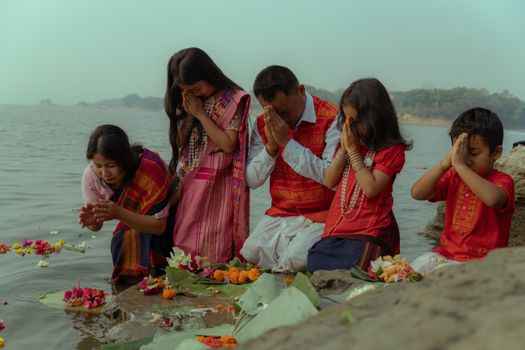
Bali is synonymous with spirituality, but much of what tourists see is a curated version. The Melukat is a Balinese purification ritual, typically performed at sacred springs or temples, to cleanse the body, mind, and spirit of negative influences. While famous spots like Tirta Empul see thousands of tourists participating daily, the true essence of Melukat lies in smaller, local village temples or hidden springs.
My Experience: Wayan had taken me deep into the Gianyar regency, to a temple nestled beside a gurgling river. It was a simple structure, far from the ornate grandeur of larger temples. Here, families gathered, not for show, but for genuine spiritual cleansing. We brought offerings of flowers, fruit, and incense. The local priest, a gentle man with piercing eyes, guided us through the ritual. The cold, clear spring water, believed to be blessed, cascaded over me as I prayed, feeling a profound sense of release and renewal. It wasn't about the perfect Instagram shot; it was about the intention, the humility, and the shared faith of the community around me. The feeling of belonging, even as an outsider, was overwhelming.
How to Witness (Respectfully):
- Go Local: Forget the organized tours to famous sites. Instead, hire a trusted local guide (like Wayan!) from the village you're staying in. Ask them about local temple ceremonies or family purification rituals.
- Build Trust: Spend time with your guide, share meals, learn about their family and beliefs. This isn't a transactional interaction; it's about building a relationship.
- Dress Appropriately: Always wear a sarong and sash (can be rented or bought cheaply) when entering temples or participating in rituals. Shoulders and knees must be covered.
- Bring Offerings: Ask your guide what offerings are appropriate (usually small baskets of flowers, fruit, rice – called Canang Sari). These can be purchased from local markets or made by your guide's family.
- Be Humble & Observant: Follow the lead of the locals. Don't take photos unless explicitly permitted, and even then, be discreet and respectful. Participate if invited, but never intrude.
- Cost: While the ritual itself has no fixed "price," you should offer a small donation (known as dana) to the temple or priest, typically 50,000-100,000 IDR (approx. $3-7 USD). Your guide's fee will be separate (expect 400,000-800,000 IDR for a full day, depending on location and activities).
2. Peruvian Andean Despacho: An Offering to Pachamama
In the high Andes of Peru, the indigenous Quechua people maintain a profound connection to Pachamama (Mother Earth). The Despacho ceremony is a beautiful, intricate offering made to Pachamama and the Apus (mountain spirits) to express gratitude, ask for blessings, or seek balance and healing. These are deeply personal and spiritual events, rarely advertised to tourists.
My Experience: After trekking for days in the Sacred Valley, I found myself in a small mountain village, staying with a local family. One evening, the family matriarch, a curandera (healer), announced they would be performing a Despacho ceremony for good harvest. I was invited to observe. We gathered around a colorful cloth, upon which she meticulously arranged coca leaves, seeds, sweets, beans, and other symbolic items, each representing a prayer or intention. The air was thick with the scent of incense and the soft murmur of Quechua prayers. It felt ancient, powerful, and incredibly intimate. I was asked to blow my intentions onto a coca leaf and place it in the offering. The ceremony culminated with the carefully wrapped offering being burned or buried, returning it to Pachamama.
How to Witness (Respectfully):
- Seek Local Connections: The best way to encounter a Despacho is through a trusted, ethically-minded local guide or by staying with a homestay family in a remote Andean village. Look for guides who emphasize cultural preservation and community-based tourism.
- Learn Basic Quechua: Even a few phrases like "Imaynalla kachkanki" (How are you?) and "Diospagarasunki" (Thank you) can open doors.
- Understand the Purpose: These are not performances. They are sincere spiritual acts. Approach with reverence and an open heart.
- Bring a Small Gift: A small, practical gift for the family (e.g., school supplies for children, basic foodstuffs) or an offering for the ceremony itself (like a bag of coca leaves, which are sacred) can be appreciated. Ask your guide for advice.
- Photography: This is almost always a no-go. The focus should be on respectful presence.
- Cost: There isn't a "ticket price." You might pay a fee to a guide for facilitating the experience, or make a donation to the curandera (e.g., 100-200 PEN, approx. $25-50 USD) if you are directly participating or receiving a blessing. Homestay costs are separate.
3. Ethiopian Buna: The Unhurried, Authentic Coffee Ceremony
Ethiopia is the birthplace of coffee, and the Buna (coffee ceremony) is more than just making a drink; it’s a profound cultural ritual, a cornerstone of social life and hospitality. While many hotels and restaurants offer a "tourist version," the true, unhurried, and deeply spiritual Buna happens in homes and local community gatherings.
My Experience: In a small guesthouse in Lalibela, after a day exploring the incredible rock-hewn churches, I was invited by the owner’s family to join their evening Buna. The eldest daughter, in traditional dress, meticulously roasted green coffee beans over a charcoal brazier, filling the air with an intoxicating aroma. She ground them by hand, then brewed the coffee in a jebena (a traditional clay pot). Popcorn was served, and frankincense burned, creating a sensory symphony. The ceremony stretched for hours, involving three rounds of coffee, each weaker than the last, accompanied by conversation, storytelling, and laughter. It wasn't about the caffeine; it was about connection, respect, and community. I learned more about Ethiopian life in those few hours than in any guidebook.
How to Witness (Respectfully):
- Homestays & Guesthouses: Your best bet is to stay in locally-owned guesthouses or try to arrange a homestay, especially outside of major cities.
- Accept Invitations: If a local invites you to their home for Buna, accept with gratitude. It's a high honor.
- Bring a Small Gift: A small bag of sugar or some local bread (injera) can be a thoughtful gesture for your hosts.
- Be Patient: The Buna ceremony is slow. Embrace the pace, engage in conversation, and don't rush.
- Learn a Few Amharic Phrases: "Ameseginalehu" (Thank you) goes a long way.
- Cost: No direct cost, as it’s an act of hospitality. Your homestay or guesthouse payment covers your stay.
4. Moroccan Gnawa Lila: The Healing Power of Trance Music
The Gnawa people of Morocco, descendants of West African slaves, have a rich spiritual and musical tradition. Their Lila (night ritual) is a powerful, all-night ceremony involving hypnotic trance music, chanting, and dancing, performed for healing, spiritual cleansing, and communion with ancestral spirits. These are deeply private, sacred events, very different from the public Gnawa performances found in tourist squares.
My Experience: This was perhaps the hardest to access. Through a friend of a friend in Essaouira, I met a Gnawa master (maâlem) who, after several days of conversation and shared meals, invited me to observe a small family Lila. It was held in a humble home, dimly lit, with the rhythmic, pulsating bass of the guembri (a three-stringed lute) and the clacking of qraqeb (metal castanets) quickly filling the space. The music built in intensity, carrying participants into a trance state. It was overwhelming, raw, and incredibly moving. I sat quietly in a corner, observing, feeling the vibrations deep within my bones, a profound testament to the power of music and faith.
How to Witness (Respectfully):
- Deep Local Connections: This is not something you can book online. You need to connect with the Gnawa community through trusted local contacts, perhaps a guide who is genuinely part of the community or a reputable cultural organization.
- Patience and Respect: Don't ask directly to see a Lila upon arrival. Build relationships, express genuine interest in their culture and music, and if you are deemed trustworthy and respectful, an invitation might eventually come.
- Understanding the Sacred: These are not entertainment. They are profound spiritual healing ceremonies. If you are invited, understand that your role is to be a silent, respectful observer.
- Modest Dress: Dress conservatively.
- Photography: Absolutely forbidden. Your presence is a privilege; a camera is an intrusion.
- Cost: No direct cost. You might offer a small gift or contribution to the host family or the maâlem if appropriate, but only if it feels natural and respectful, not transactional.
5. Nepal's Jhankri Healing Rituals: Shamans of the Himalayas
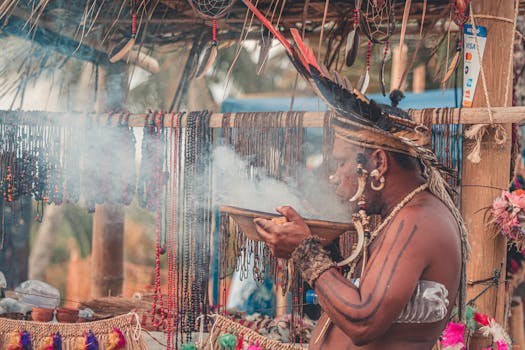
In the remote villages of Nepal, away from the trekking routes, the Jhankri (shamanic healers) continue ancient practices, connecting with spirits, diagnosing illnesses, and performing healing rituals. These ceremonies are integral to community life, often unseen by outsiders.
My Experience: During a volunteer trip in a small village near Dhulikhel, a local woman fell ill. The community called upon the village Jhankri. I was allowed to observe from a distance, understanding that this was a private, delicate matter. The Jhankri, adorned with feathers and bells, entered a trance state, chanting and drumming, channeling spirits to diagnose and heal. The intensity was palpable, the belief absolute. The ritual lasted for hours, a powerful demonstration of faith and traditional medicine deeply woven into the fabric of daily life.
How to Witness (Respectfully):
- Remote Village Stays: Your best chance is to spend extended time in remote Nepali villages, perhaps through a homestay program or by volunteering with a reputable local NGO.
- Community Trust: These rituals are deeply private. You will only be invited or allowed to observe if you have earned the trust of the local community. This means being genuinely engaged, respectful, and contributing positively to village life.
- Be Prepared for the Unfamiliar: Jhankri rituals can be intense, involving animal sacrifices (though not always), loud chanting, and trance states. If you're sensitive to such things, consider if this experience is right for you.
- Seek Permission: Always, always ask for permission from the family and the Jhankri before even considering observation.
- No Photography: This is a sacred healing process. Photography is highly inappropriate and will break trust.
- Cost: No direct cost. If you are a guest in the village, a small donation to the family or the Jhankri might be appropriate if the ritual is specifically for your benefit, but otherwise, your respectful presence is the offering.
Navigating the Unseen: Your Guide to Ethical & Authentic Engagement
Witnessing these rituals is not about ticking a box; it’s about genuine connection and profound learning. Here's how to ensure your pursuit of authenticity is always respectful:
- Prioritize Local Guides: This is non-negotiable. A local guide, especially one from the community you're visiting, is your bridge to understanding, trust, and appropriate behavior. They know the customs, the language, and when to speak or remain silent.
- Build Relationships, Don't Just Pay: Spend time with people. Share meals, listen to stories, offer help where appropriate. These experiences are earned through connection, not bought.
- Research, Research, Research: Understand the cultural significance of any ritual you hope to witness. What does it mean to the community? What are the dos and don'ts?
- Ask Permission, Always: Never assume you have the right to observe or participate. A polite request, through your guide, is essential. If permission is denied, accept it gracefully. Your respectful acceptance builds more trust than persistent pestering.
- Dress Modestly: This is a universal sign of respect in most traditional settings.
- Photography is a Privilege, Not a Right: Always ask before taking photos. In many sacred settings, it's strictly forbidden. If you are allowed, be discreet, avoid flash, and never interrupt the ceremony. Consider putting your phone away entirely to be fully present.
- Be a Humble Observer: Your role is to learn, not to judge or interfere. Sit quietly, absorb the atmosphere, and let the experience unfold.
- Leave No Trace, Leave a Positive Impact: Support local economies, avoid bargaining aggressively, and be mindful of your environmental footprint.
- Manage Expectations: You might not always get to "see" a ritual. The journey of building trust and seeking connection is often the most rewarding part. The "secret" is often in the journey, not just the destination.
Beyond the Postcard: Why These Experiences Matter
In a world increasingly homogenized by global tourism, the desire for authentic, unvarnished experiences is stronger than ever. These rituals, often hidden from the main tourist circuits, offer a window into the soul of a culture. They are moments of raw human connection, faith, and tradition that transcend language and nationality. They remind us that the world is vast, diverse, and filled with mysteries waiting to be understood, not just consumed.
My journey to witness these sacred practices has profoundly changed the way I travel. It’s taught me patience, humility, and the immense value of genuine human connection. It's about being invited in, not forcing your way. It's about understanding that some of the most precious experiences are those not found on any map, but in the hearts and homes of the people you meet.
So, are you ready to go beyond the ordinary? To seek out the whispers of ancient traditions that still echo in our modern world? Start building those connections, pack your open mind and respectful heart, and prepare for a journey that will truly transform your understanding of travel and humanity.
What ancient rituals have you stumbled upon, or what hidden cultural experiences are you yearning to discover? Share your thoughts and stories in the comments below! Let's inspire each other to travel deeper.
---