The Great Food Awakening: How Travel Taught Me to Eat
I used to think I knew food. Growing up in a pretty standard suburban household, my culinary world revolved around comfort, familiarity, and the occasional "exotic" dish from the local Chinese takeaway. I was a picky eater, a creature of habit, and utterly convinced that my palate was sophisticated enough. Then, I bought a one-way ticket.
It started subtly. A perfectly ripe mango in Thailand that tasted like sunshine and nectar, unlike any mango I'd ever had back home. A simple bowl of pasta in a tiny Roman trattoria, its simplicity belying an explosion of fresh, honest flavor. These weren't just meals; they were tiny cracks in my culinary worldview, slowly revealing a vast, vibrant universe I hadn't even known existed.
But then came the real game-changers. The dishes that didn't just expand my palate but fundamentally altered my perspective, challenging my preconceived notions of what food could be, how it should taste, and the profound stories it could tell. These weren't always pretty, sometimes they were intimidating, but every single one was an undeniable, mind-blowing experience.
If you’re ready to ditch your comfort zone and embark on a journey that will redefine your relationship with food, buckle up. Here are six meals that have completely changed my perspective and will, without a doubt, blow your mind.
---
1. The King with a Secret: Durian – Southeast Asia's Paradoxical Fruit
My first encounter with Durian was, shall we say, memorable. I was in a bustling market in George Town, Penang, Malaysia. The air was thick with the scent of spices, street food, and... something else. Something pungent, vaguely oniony, and distinctly not fruity. My local friend, Wei, pointed to a spiky, football-sized fruit. "Durian," he announced, a mischievous glint in his eye. "The King of Fruits."
My initial reaction? Pure skepticism, bordering on disgust. The smell, often described as a mix of gym socks, rotting onions, and sewage, is legendary for a reason. Many hotels and public transport systems across Southeast Asia even ban it! I braced myself, fully expecting to regret this adventurous leap.
But then, Wei expertly cracked open the thorny husk, revealing pale, creamy yellow pods. He handed me a piece. Hesitantly, I took a bite. And my world stopped.
It was an explosion of flavors and textures I never knew could coexist. The texture was incredibly custardy, almost like a rich, ripe avocado, but smoother. The taste? A complex symphony of sweet caramel, a hint of almond, a touch of savory garlic, and an underlying richness that was utterly intoxicating. It was intensely sweet, yet savory, pungent yet delicate. It was, quite simply, unlike anything I had ever tasted.
Why it's mind-blowing: Durian forces you to confront your biases. It teaches you that some of the most beautiful experiences are hidden behind the most challenging facades. It's a lesson in not judging a book by its cover, or a fruit by its formidable aroma. Once you get past the smell, a world of unparalleled deliciousness awaits.
Tripsora Tip:
- Where to try: Malaysia (Penang, Kuala Lumpur), Thailand (Chanthaburi, Bangkok), Singapore. Look for roadside stalls or dedicated Durian cafes.
- When to go: Durian season varies by region but generally peaks from May to August.
- Price: Can range from a few dollars for a small piece to $50+ for a whole premium fruit like Musang King.
- Pro-tip: Go with a local who knows how to pick a good one. Try it fresh, directly from the fruit, not in processed forms like ice cream or candy initially. And don't breathe through your nose on the first bite!
---
2. Ceviche: Cooking Without Heat – Peru's Zesty Revolution
Before I visited Peru, my understanding of "cooking" involved heat. Frying, baking, boiling, grilling – all required fire or electricity. Then, I landed in Lima, the undisputed culinary capital of South America, and discovered ceviche.
I was at Mercado Surquillo No. 1, a bustling local market vibrant with the chatter of vendors and the aroma of exotic fruits. A small, unassuming stall caught my eye, overflowing with glistening fresh fish and piles of limes. The vendor, a jovial woman named Maria, gestured for me to try a sample.
She took chunks of pristine white fish (corvina, she told me), tossed them with finely diced red onion, fiery aji amarillo peppers, fresh cilantro, and then squeezed a generous amount of lime juice over everything. Within minutes, the opaque fish began to "cook" in the citrus acid, turning from translucent to firm and white. This magical marinade, known as "leche de tigre" (tiger's milk), is legendary for its restorative powers.
The first bite was an electrifying jolt to my senses. The fish was tender, succulent, and bursting with a clean, bright flavor. The lime provided a sharp, tangy kick, perfectly balanced by the subtle heat of the aji and the freshness of the cilantro. It was cool, refreshing, and utterly vibrant. It was raw fish, yet it felt perfectly "cooked" and incredibly satisfying. My concept of culinary transformation was irrevocably changed.
Why it's mind-blowing: Ceviche shatters the notion that cooking requires heat. It demonstrates the incredible power of acid to transform ingredients, creating textures and flavors that are both delicate and intensely flavorful. It's a testament to the brilliance of simplicity and freshness.
Tripsora Tip:
- Where to try: Lima, Peru is the epicenter. Head to Barranco or Miraflores for trendy cevicherias, or explore local markets for authentic, no-frills experiences.
- When to go: Best eaten fresh, for lunch, when the fish is at its peak.
- Price: A generous bowl can range from $8-$20 depending on the establishment.
- Pro-tip: Look for cevicherias that are busy, especially with locals. Don't be afraid to try different types of fish or seafood ceviche. And definitely drink the leche de tigre!
---
3. Omakase: The Art of Edible Trust – Tokyo's Culinary Zen
My relationship with sushi used to be fairly straightforward: a California roll here, a spicy tuna roll there. I appreciated good sushi, but it wasn't until I experienced Omakase in Tokyo that I understood its true potential as an art form and a profound culinary journey.
I had booked a spot at a tiny, unassuming sushi counter in Ginza, recommended by a local friend. There were only eight seats. As I sat down, a quiet reverence filled the room. The chef, a stoic man with incredibly precise movements, greeted me with a nod. "Omakase desu ka?" he asked – "Is it Omakase?" I nodded, a little nervous but mostly excited. Omakase translates to "I'll leave it up to you," and it means surrendering your meal entirely to the chef's expertise.
For the next two hours, I was treated to a meticulously crafted symphony of flavors. Each piece of nigiri was presented individually, placed directly on the wooden counter before me. A sliver of melt-in-your-mouth otoro (fatty tuna), perfectly seasoned with a brush of soy. A delicate piece of uni (sea urchin) that tasted like the ocean. A shimmering slice of kinmedai (golden eye snapper), lightly seared. Each bite was a revelation – the perfect temperature, the ideal balance of rice and fish, the subtle nuances of seasoning.
It wasn't just the food; it was the entire experience. The quiet focus of the chef, the respect for each ingredient, the subtle conversation through gestures and perfectly timed servings. It was a meditative dance between chef and diner, a journey of trust that resulted in an unforgettable umami explosion.
Why it's mind-blowing: Omakase transcends mere eating; it's a profound cultural immersion and a lesson in trust. It challenges you to let go of your preferences and allow a master to guide you through a culinary narrative, revealing the incredible artistry and precision behind seemingly simple ingredients. It elevates food to a spiritual experience.
Tripsora Tip:
- Where to try: Tokyo, Japan is the ultimate destination. Ginza, Shinjuku, and Tsukiji Outer Market areas have many renowned Omakase restaurants.
- When to go: Book well in advance, especially for highly-rated establishments. Many have specific seating times.
- Price: Can range from $100 for a good lunch Omakase to $300-$500+ for a high-end dinner experience.
- Pro-tip: Research and book ahead. Be punctual. Avoid strong perfumes. Eat each piece of sushi as soon as it's served. Don't drown it in soy sauce – trust the chef's seasoning.
---
4. Tacos al Pastor: Street Food Symphony – Mexico City's Flavor Fiesta
I've had tacos before. Many times. But nothing, and I mean nothing, prepared me for the sheer, unadulterated flavor bomb that is a true Taco al Pastor from a street cart in Mexico City. My perspective on street food, and indeed, on the very essence of a perfect bite, was utterly redefined.
It was late, the vibrant chaos of Mexico City’s Roma Norte district still buzzing around me. The air was filled with the tantalizing aroma of sizzling meat, warm tortillas, and something sweet and smoky. I followed my nose to a brightly lit street stand, where a towering, vertical spit (a "trompo") of marinated pork rotated slowly, reminiscent of a Middle Eastern shawarma. At the top, a pineapple slowly roasted, its juices dripping down, basting the pork.
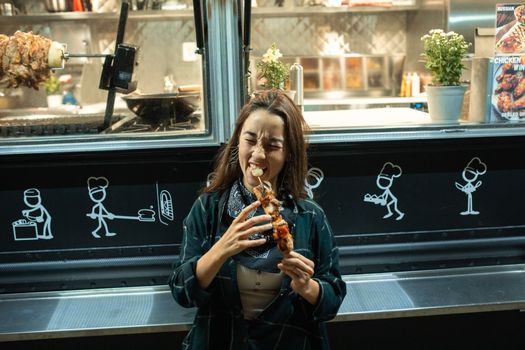
The taquero, with incredible dexterity, shaved thin slices of the caramelized pork directly onto a small, warm corn tortilla. With a flick of his wrist, he caught a slice of pineapple mid-air, adding it to the taco, followed by a sprinkle of fresh cilantro and a dollop of fiery salsa. He handed me two, for about 20 pesos (just over a dollar).
The first bite was an explosion. The pork was incredibly tender, smoky, and rich with a complex marinade of chilies, spices, and achiote. The pineapple added a burst of sweet acidity, cutting through the richness. The cilantro brought freshness, and the salsa, a vibrant kick. It was a perfect symphony of sweet, savory, spicy, and tangy, all wrapped in a soft, warm tortilla. It was simple, yet profoundly complex, a testament to centuries of culinary evolution.
Why it's mind-blowing: Tacos al Pastor prove that the most extraordinary culinary experiences often come from the humblest, most authentic settings. It challenges the idea that gourmet food needs white tablecloths and fancy plating. It's a masterclass in balancing bold flavors and textures, showing how a few simple ingredients, perfected over time, can create an unforgettable sensation.
Tripsora Tip:
- Where to try: Mexico City is the birthplace of Tacos al Pastor. Look for street stalls (especially in Roma Norte, Condesa, or Coyoacán) or dedicated taquerias.
- When to go: Late afternoon or evening, when the trompos are spinning and the crowds gather.
- Price: Incredibly affordable, typically 10-20 pesos (around $0.50-$1.00 USD) per taco.
- Pro-tip: Look for places with long lines – that's usually a sign of quality. Don't be afraid to try different salsas, but start with a small amount! Order a gringa (al pastor with cheese on a flour tortilla) for a different take.
---
5. Injera & Wot: The Communal Feast – Ethiopia's Tangy Heartbeat
Eating in Ethiopia was a revelation in more ways than one. It wasn't just the unique flavors, but the entire philosophy behind the meal that completely changed my perspective on dining. My first experience with injera and wot was in a bustling restaurant in Addis Ababa, filled with the aroma of rich spices and the murmur of conversation.
I was with a group of new friends, and a massive, round platter was placed in the center of our table. On it lay a giant, spongy, sourdough-risen flatbread called injera, covering the entire surface. Arranged atop the injera were various colorful mounds of wot – rich, slow-cooked stews. There was doro wot (chicken and egg in a spicy berbere sauce), misir wot (red lentil stew), and several vegetable dishes.
There were no individual plates or cutlery. Instead, everyone simply tore off pieces of the injera and used it to scoop up mouthfuls of the savory stews. The injera itself was a revelation – slightly sour, wonderfully spongy, and perfect for soaking up the complex, aromatic sauces. The wot dishes were incredibly flavorful, deeply spiced with berbere, a traditional Ethiopian spice blend, but each with its own distinct character.
It was messy, it was intimate, and it was utterly delicious. This communal style of eating, known as gursha when you feed a loved one with your hand, fosters connection and shared experience. It stripped away the formalities of dining and brought us closer, not just to the food, but to each other.
Why it's mind-blowing: Injera and Wot challenge our Western norms of dining – no cutlery, communal sharing, and a unique, tangy base. It forces you to engage with your food and your dining companions in a completely different, more intimate way. It's a powerful reminder that food is not just sustenance, but a profound cultural and social connector.
Tripsora Tip:
- Where to try: Addis Ababa, Ethiopia, or any authentic Ethiopian restaurant globally. Look for places with traditional live music and coffee ceremonies for a full experience.
- When to go: Any time! Ethiopian meals are hearty and satisfying for lunch or dinner.
- Price: Very affordable. A large platter for 2-4 people can range from $10-$30.
- Pro-tip: Don't be shy about eating with your hands (always use your right hand!). Try a variety of wots to experience the full spectrum of Ethiopian flavors. Pair it with Ethiopian coffee – renowned for a reason!
---
6. The Symphony of a Thali – India's Platter of Perfection
My journey through India was a kaleidoscope of sights, sounds, and, most powerfully, tastes. I thought I understood Indian food from my local curry house, but the first time I experienced a proper Thali in South India, my perspective on what a complete, balanced meal could be was shattered and rebuilt.
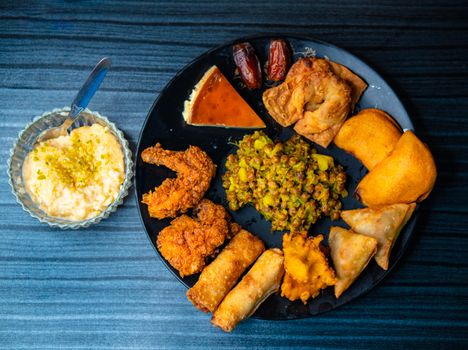
I was in Chennai, sweating gently in the humid air, when a local friend insisted we try a "full meals" at a traditional restaurant. We sat down, and a large, round metal plate (or sometimes, a banana leaf!) was placed before me. Then, the parade began. Waiters, moving with practiced efficiency, ladled small portions of various dishes into the compartments on my plate: a rich lentil dal, a vibrant vegetable curry, a tangy rasam (spicy clear soup), a cooling raita (yogurt dip), a crisp papadum, a sweet dessert, and a mound of fragrant rice. More rotis or puris (breads) were offered.
It was an overwhelming array of colors, textures, and aromas. Each component, tasted individually, was delicious. But the magic happened when I started combining them. A bite of spicy curry with a cooling dollop of raita. A spoonful of rice soaked in tangy rasam. The crispness of the papadum contrasting with the soft dal. Each mouthful was a perfectly balanced symphony of sweet, sour, salty, spicy, and bitter. It was a complete meal, designed to satisfy every palate preference and provide a nutritional balance, all on one platter.
Why it's mind-blowing: A Thali isn't just a meal; it's a philosophy. It challenges the Western idea of a single main course, instead presenting a holistic experience where every element plays a crucial role in creating a perfect, harmonious balance. It teaches you about the art of complementary flavors and the joy of a truly complete culinary journey in one sitting.
Tripsora Tip:
- Where to try: Across India, but particularly in South India for distinct styles like Andhra, Tamil Nadu, or Kerala Thalis. Many restaurants will offer "unlimited" Thalis.
- When to go: A perfect hearty lunch or dinner.
- Price: Incredibly affordable, often ranging from $2-$8 for an unlimited Thali.
- Pro-tip: Don't be afraid to ask for refills of your favorite dishes! Embrace the different tastes and textures. If offered, try a banana leaf Thali for an authentic, eco-friendly experience.
---
Your Palate, Reimagined: The Journey Continues
These six foods are just a tiny glimpse into the vast, incredible culinary landscape of our world. They are more than just ingredients or recipes; they are cultural touchstones, historical narratives, and profound experiences that challenge our assumptions and expand our understanding of flavor. Each bite was a lesson, a moment of pure, unadulterated discovery that left an indelible mark on my palate and my perspective.
So, what are you waiting for? Stop playing it safe. Ditch the familiar. Book that flight, seek out that street vendor, sit at that chef's counter. Allow yourself to be vulnerable to new tastes, new textures, and new ways of eating. Trust me, the world's most mind-blowing foods are out there, waiting to completely change your perspective – and your life.
What's the most perspective-changing food you've ever tried on your travels? Share your stories and recommendations in the comments below! Let's inspire each other to eat adventurously!
---