Beyond the Postcard: Unlocking Sacred Moments Locals Cherish
The sun dipped below the rice paddies of central Bali, painting the sky in hues of orange and purple. I stood beside a small, moss-covered temple, the air thick with the scent of frangipani and burning incense. A local woman, her face etched with a lifetime of stories, smiled and handed me a small offering of flowers and rice. “Melukat,” she whispered, guiding me towards the rushing river. This wasn't Tirta Empul, the famous water temple thronged with tourists. This was a quiet, local spot, and I was about to participate in a sacred Balinese purification ceremony, an experience so deeply personal, so utterly authentic, it felt like a secret shared just with me.
That moment ignited a spark, a relentless quest for the kind of travel that transcends sightseeing. We all crave authenticity, don't we? That feeling of truly connecting with a place, its people, and its ancient rhythms. But in an increasingly globalized world, genuine cultural immersion can feel elusive, often hidden behind commercialized tours and curated experiences.
This isn't about gatecrashing private events or disrespecting sacred traditions. Far from it. This is about understanding that some of the most profound cultural experiences aren't widely advertised because they require something more: genuine curiosity, deep respect, and the willingness to forge real connections. When you approach a culture with humility and an open heart, doors often open to rituals and ceremonies that are usually reserved for locals – not because they don't want you to know, but because they cherish these moments and share them only with those who truly understand their value.
So, if you’re ready to trade superficial tourism for transformative journeys, buckle up. I’m about to share some of the most incredible traditional ceremonies I’ve been privileged to participate in, offering you a roadmap to discover these profound moments for yourself. Remember, these aren't just photo opportunities; they are invitations to understand, to learn, and to be truly present.
1. The Balinese Melukat: Cleansing the Soul in Sacred Waters (Bali, Indonesia)
My first Melukat experience was, as mentioned, not at a major temple, but a small, unassuming spot near a friend's village in Gianyar. The Balinese believe Melukat ceremonies cleanse the body, mind, and spirit of negative energy, purifying you for a fresh start. While popular temples like Tirta Empul offer a public version, many local communities have their own, often more intimate, sacred springs or river sections.
The Experience: Guided by my friend's aunt, I first made simple offerings (canang sari) at a small shrine. Then, dressed in a sarong and sash, I stepped into the cool, rushing river. The water was surprisingly cold, but invigorating. Following her lead, I immersed myself three times, letting the current wash over me, feeling a profound sense of release with each dip. Prayers were whispered, intentions set, and the vibrant energy of the jungle enveloped me. It wasn't just a bath; it was a spiritual reset, a communion with nature and ancient beliefs. The feeling of lightness afterward was palpable, a quiet peace settling deep within.
How to Participate: The key here is a local connection. Staying in a homestay, befriending your guesthouse owner, or hiring a knowledgeable local guide who lives in a village outside the main tourist hubs significantly increases your chances. Ask them about local purification ceremonies; they might invite you to join their family or guide you to a less-frequented community temple. Always ask if you can bring offerings (usually small baskets of flowers, rice, and incense, which can be bought locally for a few dollars).
Practical Tips:
- Location: While Tirta Empul is accessible, seek out smaller temples like Pura Mengening, Sebatu, or even local river spots. Your guide will know.
- Attire: You must wear a sarong and sash (available for rent or purchase for IDR 20,000-50,000, approx. $1.50-$3.50). Bring a change of clothes and a towel.
- Cost: While the ceremony itself is often free, a donation to the temple (IDR 10,000-20,000 is common) and a fair fee for your guide (IDR 200,000-500,000 for a half-day, depending on location and services) are appropriate.
- Respect: Approach with reverence. This is a sacred ritual, not a tourist attraction. Ask permission before taking photos, especially of people.
2. Pachamama Despacho: Offering Gratitude in the Peruvian Andes (Cusco & Sacred Valley, Peru)
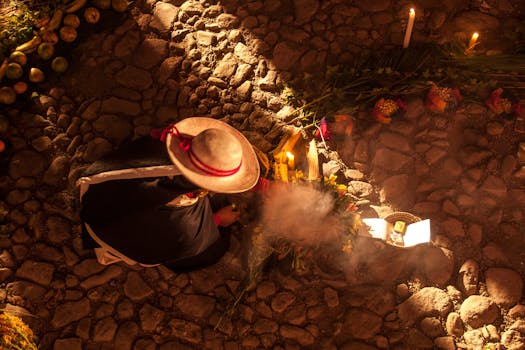
High in the Peruvian Andes, where the air is thin and the mountains stand as ancient sentinels, I found myself sitting cross-legged around a vibrant tapestry of offerings. This was a Despacho ceremony, a traditional offering to Pachamama (Mother Earth), led by a Paco (Andean Shaman) in a small, unassuming adobe house outside Pisac. It was a profoundly moving experience, connecting me to the indigenous wisdom of the Inca descendants.
The Experience: The Paco, with his weathered hands and knowing eyes, meticulously arranged coca leaves, seeds, sweets, flowers, and even small pieces of silver and gold paper onto a cloth. Each item held symbolic meaning – health, prosperity, gratitude, love. As he chanted in Quechua, he explained the significance of each element, inviting us to imbue our intentions into the offerings. We then carefully wrapped the bundle, which was later burned or buried, returning our gratitude and prayers to Pachamama. The ceremony wasn't just about asking; it was about acknowledging our deep interconnectedness with the earth and expressing profound thanks for its bounty. I felt a surge of ancient energy, a deep grounding that resonated long after the ceremony ended.
How to Participate: This is another experience best accessed through local connections. Many ethical tour operators in Cusco and the Sacred Valley work directly with indigenous communities and traditional shamans. Alternatively, ask at your guesthouse or homestay if they know a local Paco who performs Despacho ceremonies. Some spiritual retreats in the Sacred Valley also offer this as part of their programs. Be wary of overly commercialized "shamanic experiences" that feel like a performance rather than a genuine ritual.
Practical Tips:
- Location: While popular in the Cusco region and Sacred Valley, seek out ceremonies in smaller villages like Pisac, Ollantaytambo, or even remote Andean communities.
- Cost: A contribution to the Shaman and the community is expected, usually ranging from $30-$80 USD, depending on the length and exclusivity of the ceremony. This covers the Shaman's time, materials, and supports their livelihood.
- Respect: Dress warmly (it can be cold in the mountains) and respectfully. Be present and mindful. Ask permission before taking photos. The coca leaves used are sacred and for ceremonial purposes only; do not attempt to take them out of the country.
3. The Baci/Sou Khuan Ceremony: Tying Blessings in Laos & Northern Thailand
In a small village guesthouse near Luang Prabang, Laos, I was invited to a Baci (or Sou Khuan in some dialects) ceremony. It was held to welcome me as a guest and to wish me a safe journey. This beautiful, community-focused blessing ceremony is central to Lao and Northern Thai culture, often performed for births, weddings, departures, arrivals, or to recover from illness.
The Experience: We sat on mats around a beautifully decorated pha kwan – a tiered arrangement of flowers, bananas, and food, with white cotton strings draped over it. An elder, the mor phon (master of ceremonies), chanted prayers in Pali, inviting thirty-two khuan (soul-spirits) to return to our bodies, bringing good fortune and health. Afterwards, family members and friends took turns tying white cotton threads around my wrists, each knot accompanied by a whispered blessing for good luck, health, and happiness. The feeling was incredibly heartwarming, a tangible embrace of community and goodwill. I kept those threads on for days, a constant reminder of the kindness and connection.
How to Participate: This ceremony is usually held for specific life events, making it harder to simply "join." However, many homestays, guesthouses with strong local connections, or community-based tourism initiatives can arrange a Baci ceremony for guests, especially if you express genuine interest and respect. It's often offered as a welcome gesture or a farewell. In Luang Prabang, some cultural centers also offer organized Baci experiences.
Practical Tips:
- Location: Prevalent throughout Laos (Luang Prabang, Vang Vieng) and Northern Thailand (Chiang Mai, Chiang Rai).
- Cost: If arranged through a homestay or guesthouse, it might be included or require a small contribution (e.g., $10-$30 USD) to cover the food offerings and the mor phon's time. A small gift for the host family is always appreciated.
- Respect: Dress modestly. Sit respectfully on the floor. Accept the threads with gratitude and wear them for at least three days (or until they fall off naturally) to honor the blessings. Ask permission before taking photos, especially during the chanting.
4. Gnawa Trance Night: Rhythmic Journeys in Moroccan Medina Alleys (Essaouira & Marrakech, Morocco)
Stepping into a dimly lit room in Essaouira, the air thick with the scent of mint tea and the hypnotic thrum of the guembri, I was instantly enveloped by the raw energy of a Gnawa Lila (night ritual). This wasn't the touristy Gnawa performance you might see in a restaurant; this was a deep, spiritual journey, a healing ceremony rooted in West African Sufi traditions, often held in private homes or small zaouias (shrines).
The Experience: The maâlem (master musician) led the ensemble, their voices rising and falling in call-and-response chants, accompanied by the deep, resonant bass of the three-stringed guembri and the clattering rhythm of krakebs (large metal castanets). As the night progressed, the repetitive, cyclical music built to a trance-inducing crescendo. Dancers, clad in colorful, embroidered robes, began to spin and sway, entering altered states of consciousness, believed to connect them with ancestral spirits for healing and purification. I sat quietly, mesmerized, feeling the vibrations deep in my chest. It was an experience of profound spiritual release and communal energy that transcended language.
How to Participate: This is perhaps the most challenging to access authentically. Avoid tourist traps explicitly advertising "Gnawa shows." Instead, in cities like Essaouira (the heart of Gnawa music) or Marrakech, ask local musicians, trusted riad owners, or cultural associations if there are any Lila or Derdeba (shorter, less intense ceremonies) happening. Building a rapport with locals is key. It might take a few days of asking around, but the reward is immense. You might be invited to a communal gathering, often held in someone’s home.
Practical Tips:
- Location: Essaouira is renowned for its Gnawa heritage. Marrakech also has communities.
- Cost: Often free to attend, but a respectful donation towards the musicians and host is customary (e.g., MAD 50-100, approx. $5-$10 USD). Accepting mint tea and dates is part of the hospitality.
- Respect: Be extremely respectful. This is a sacred healing ritual, not entertainment. Dress modestly. Do not disrupt the atmosphere. Ask explicit permission before taking any photos or videos, especially of those in a trance state. Often, photography is discouraged or forbidden.
5. Intimate Aarti: Beyond the Crowds on the Ganges (Varanasi & Rishikesh, India)
The Ganga Aarti in Varanasi is legendary – a spectacular, fiery ritual performed nightly on the Dashashwamedh Ghat, drawing thousands. I've witnessed its grandeur, and it's certainly breathtaking. But for a truly profound experience, I sought something quieter, more intimate. I found it in Rishikesh, at a small, family-run guesthouse that invited guests to join their daily sunset Aarti on their private rooftop, overlooking a quieter stretch of the Ganges.
The Experience: Instead of the booming loudspeakers and throngs of people, there was a gentle hum of devotional chanting. A small oil lamp was lit, incense wafted, and the family priest led a simple but deeply heartfelt prayer to Mother Ganga. We sat cross-legged, the flickering flame reflecting in our eyes, the sound of the river flowing below. It wasn't about the spectacle; it was about pure devotion, a shared moment of spiritual connection. Afterwards, hot chai was served, and we shared stories, the evening air filled with a quiet sense of peace and belonging. It was a powerful reminder that spirituality often thrives in simplicity and community.
How to Participate: While the grand Ganga Aarti is easily accessible, finding an intimate one requires a different approach. In Varanasi or Rishikesh, look for smaller guesthouses or ashrams that offer daily puja or Aarti ceremonies for their guests. Engage with your hosts; they might invite you to a family ritual or guide you to a local temple's quiet evening prayers. This is where building a personal connection truly pays off.
Practical Tips:
- Location: While the main Ganga Aarti is in Varanasi, smaller, more intimate ceremonies can be found in Rishikesh, Haridwar, or even private homes in Varanasi's labyrinthine alleys.
- Cost: Often free if you're a guest at an ashram or guesthouse, though a small donation to the temple or an offering to the deity (flowers, sweets, a few rupees) is always appreciated.
- Respect: Dress modestly, covering shoulders and knees. Remove your shoes before entering any sacred space. Participate respectfully in the prayers or simply observe quietly. If offered prasad (blessed food), accept it with gratitude.
Your Compass for Respectful Immersion: Essential Tips
Embarking on these journeys requires more than just a plane ticket; it demands a mindset of respect, humility, and genuine curiosity. Here are my golden rules for unlocking truly authentic ceremonial experiences:
- Seek Local Guidance: This is paramount. A trusted local guide, homestay host, or community member is your bridge to these experiences. They understand the customs, language, and nuances. They can also vouch for your respectful intentions.
- Dress Appropriately: Always err on the side of modesty. Cover shoulders and knees. Ask your guide if there are specific requirements (e.g., sarong and sash in Bali).
- Observe First, Ask Permission Second: Don't just barge in. Watch, listen, and understand the flow of the ceremony. If you wish to participate or take photos, politely ask permission from the leader or host. A simple "May I join?" or "May I take a photo?" (in the local language if possible) goes a long way.
- Understand the Meaning: These aren't shows. Take time to learn about the ceremony's purpose and significance. Your participation will be far more meaningful if you understand why it's being performed.
- Offer a Respectful Contribution: Whether it's a monetary donation, an offering for the ceremony, or a small gift for the host family, show your gratitude. Ask your guide what is appropriate.
- Be Present and Open-Minded: Put your phone away (unless you have permission for a quick, discreet photo). Immerse yourself fully in the moment. Be open to different beliefs, practices, and perspectives.
- Learn Basic Phrases: Even a few words like "hello," "thank you," and "excuse me" in the local language can build immense goodwill and open doors.
- Patience is a Virtue: These experiences aren't on a fixed schedule. Be flexible and patient. Sometimes, magic happens when you least expect it.
Your Next Chapter: Beyond the Beaten Path
The world is brimming with incredible cultures, each holding unique traditions that offer profound insights into the human spirit. Participating in these ceremonies isn't just about seeing something new; it's about feeling, understanding, and connecting on a level that transforms your own perspective. It's about earning your place, not just buying a ticket.
These experiences are often "hidden" not because locals want to keep them secret, but because they are sacred, personal, and require a certain level of respect and genuine interest from outsiders. When you approach them with an open heart and a humble spirit, you'll find yourself invited into moments that will become the most cherished memories of your travels.
So, are you ready to trade the ordinary for the extraordinary? To delve deeper, connect more authentically, and embark on a journey that will not only show you the world but also reveal more about yourself? Start planning your next adventure, seek out those local connections, and prepare to be truly moved.
What's your most memorable cultural immersion experience? Share your stories in the comments below, and let's inspire each other to travel with purpose!
---