Unfiltered Journeys: The Ancient Rituals Influencers Don't Want You to Know About
I remember scrolling through my feed, a year or so ago, feeling a familiar pang of… boredom. Another perfectly posed shot in front of a famous landmark, another meticulously styled brunch in a trendy cafe, another "paradise" that looked suspiciously like the last five. Don't get me wrong, I love a good aesthetic as much as the next person, but somewhere along the line, travel started feeling less like exploration and more like a carefully curated performance.
It hit me then: the most powerful, soul-stirring moments of my own travels were never the ones that looked best on camera. They were the raw, unscripted, deeply human experiences. The moments when I wasn't just seeing a place, but feeling its pulse, breathing its history, and connecting with its people on a level that transcended language and filters.
These moments, my friends, often revolve around ancient rituals. Practices passed down through generations, steeped in meaning, and often conducted with a reverence that makes you feel like you’ve stepped outside of time itself. These aren't the "top 10 Instagrammable spots" you'll find on every travel blog. These are the living traditions, the sacred ceremonies, the authentic encounters that will change the way you see the world – and yourself. And trust me, the stories you’ll bring home will be far more compelling than any perfectly edited reel.
So, if you’re ready to ditch the superficial and dive deep, here are five incredible ancient rituals you can witness firsthand, offering a travel experience so profound, most influencers wouldn't even know where to begin.
1. Bali's Sacred Cleansing: The Melukat Ritual at Tirta Empul Temple, Indonesia
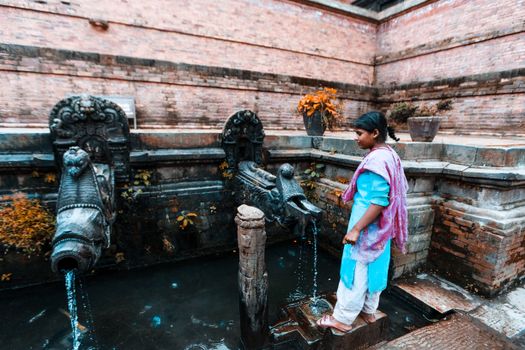
Bali. The "Island of the Gods." It’s synonymous with yoga retreats, stunning beaches, and those iconic rice terraces. But beyond the smoothie bowls and infinity pools lies a spiritual heart that beats strong, especially in rituals like the Melukat. This ancient Balinese purification ceremony involves bathing in holy spring water to cleanse the body, mind, and soul of negative influences.
My first Melukat experience at Tirta Empul Temple near Ubud was utterly transformative. I arrived early, just as the morning mist was lifting, joining a small group of locals and a handful of respectful travelers. After donning a traditional sarong and sash, our local guide, Wayan, explained the process. There are over a dozen spouts, each with a specific purpose – for prosperity, good health, warding off evil, and so on.
As I w stepped into the cool, clear water, the air thrummed with devotion. I moved from spout to spout, bowing my head under the gushing water, feeling the chill seep into my bones and then, surprisingly, a warmth spread through me. It wasn't just cold water; it felt like a release, a washing away of worries and anxieties I hadn't even realized I was carrying. The scent of incense, the murmur of prayers, the gentle splash of water – it was a symphony for the senses. By the time I emerged, dripping but renewed, I felt a profound sense of peace and clarity. It was more than just a bath; it was an emotional and spiritual reset.
Practical Details:
- Location: Tirta Empul Temple, Tampaksiring, Gianyar Regency, Bali.
- Best Time: Early morning (before 9 AM) to avoid crowds and experience a more serene atmosphere.
- What to Bring: A sarong and sash (can be rented at the temple entrance for about IDR 10,000-20,000 / $0.70-$1.40 USD), a change of clothes, and a small offering if you wish (can be purchased from vendors outside).
- Tips: Dress respectfully (shoulders and knees covered before entering), follow the lead of locals or a guide, and approach with an open mind and heart. Photography is generally allowed but be discreet and respectful, especially during the actual bathing.
2. Varanasi's Fiery Devotion: The Ganga Aarti Ceremony, India
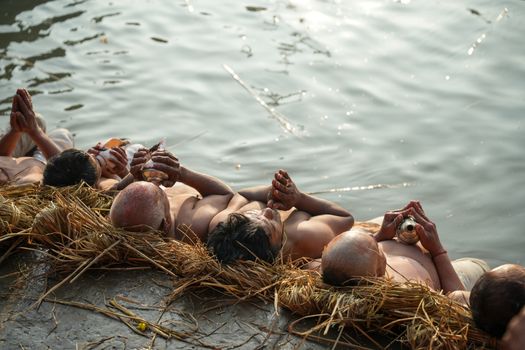
Varanasi, one of the oldest continuously inhabited cities in the world, is a place where life and death dance in a perpetual, vibrant cycle along the sacred River Ganges. And at sunset, the Dashashwamedh Ghat explodes into a spectacle of devotion known as the Ganga Aarti. This ancient Hindu ritual is an offering of light, sound, and prayer to the Mother Ganga, a deity revered for her life-giving properties.
My first Ganga Aarti was an assault and an embrace on all my senses. As the sun dipped below the horizon, the ghat filled with thousands of devotees and onlookers. Priests, draped in saffron robes, began chanting ancient Sanskrit mantras, their voices amplified by loudspeakers. Huge brass lamps, flickering with dozens of flames, were swung in hypnotic, synchronized patterns, casting a golden glow on the faces of the crowd. The air filled with the scent of incense, marigolds, and burning ghee, mingling with the heady aroma of the river itself.
I found a spot on the steps, squeezed between a family from Kolkata and a group of backpackers, and simply let the energy wash over me. The collective devotion was palpable, a powerful current that swept through everyone present. You don't just watch the Aarti; you become a part of it. It’s chaotic, beautiful, overwhelming, and utterly unforgettable. It makes you feel incredibly small, yet profoundly connected to something ancient and immense.
Practical Details:
- Location: Dashashwamedh Ghat, Varanasi, Uttar Pradesh, India.
- Best Time: Daily at sunset (times vary seasonally, usually around 6:30 PM in winter, 7 PM in summer). Arrive at least 30-60 minutes early for a good spot.
- Cost: Free to watch from the ghat steps. You can also rent a boat for a different perspective (expect to pay INR 200-500 / $2.50-$6 USD per person, haggle politely).
- Tips: Be prepared for crowds. Dress modestly. Be mindful of your belongings. While photos are common, try to put your camera down for a good portion of the ceremony and just experience it.
3. Luang Prabang's Dawn Offering: Tak Bat (Alms Giving), Laos
In the serene, spiritual city of Luang Prabang, Laos, a tradition unfolds every morning before the sun has fully risen: the Tak Bat, or daily alms giving ceremony. Hundreds of saffron-robed Buddhist monks walk silently through the streets, receiving offerings of sticky rice and other food from kneeling devotees. It's a profound display of humility, compassion, and the interconnectedness of the community.
I woke before dawn, the air still cool and quiet, and joined a handful of locals setting up small mats along the main street. Our guide had instructed us on the etiquette: dress modestly, remove shoes, remain silent, and maintain a respectful distance. Soon, a long line of monks, from young novices to elderly abbots, emerged from the temples, their bare feet padding softly on the pavement.
As they approached, people would quietly place spoonfuls of sticky rice into their alms bowls. There was no talking, no fanfare, just a rhythmic, almost meditative exchange. The only sounds were the rustle of robes and the soft thud of rice hitting metal. It wasn't about the grand gestures; it was about the quiet act of giving and receiving, fostering merit for the givers and sustenance for the monks, who rely entirely on these offerings. Witnessing this daily ritual, a practice unchanged for centuries, left me with a deep sense of peace and a quiet appreciation for a way of life so different from my own. It felt like stepping into a living meditation.
Practical Details:
- Location: Main street (Sakkaline Road) and side streets of Luang Prabang, Laos.
- Best Time: Daily, starting around 5:30-6:30 AM (depending on sunrise).
- Cost: Free to observe. If you wish to participate, you can buy sticky rice and other offerings from local vendors early in the morning (around LAK 10,000-20,000 / $0.50-$1 USD for a small basket).
- Tips: Dress respectfully (shoulders, chest, and legs covered). Do NOT use flash photography. Maintain a respectful distance and avoid disrupting the procession. If participating, follow local customs, and do not make eye contact with the monks. Do not buy offerings from aggressive vendors who might encourage disrespectful behavior.
4. Ethiopia's Soulful Brew: The Buna Ceremony (Coffee Ceremony), Ethiopia
In Ethiopia, coffee isn't just a beverage; it's a social ritual, a symbol of hospitality, friendship, and respect. The Buna Ceremony is a multi-stage event, often lasting an hour or more, performed daily in homes and even some restaurants across the country. It’s an ancient tradition that transforms the simple act of drinking coffee into a profound cultural experience.
I was invited to a Buna Ceremony by a local family in Lalibela, after a long day exploring the incredible rock-hewn churches. The matriarch, dressed in a traditional white cotton dress, began by scattering fresh grass on the floor and burning frankincense, filling the room with a sweet, earthy aroma. Then, she meticulously roasted green coffee beans over a charcoal brazier, the crackling sound and rich scent filling the small room. She then ground the beans by hand, brewed the coffee in a traditional clay pot called a jebena, and served it in small, handle-less cups, offering three rounds – abol, tona, and baraka – each with a different strength and meaning.
There was no rushing. It was a slow, deliberate dance of preparation and conversation, punctuated by sips of the strong, flavorful coffee. We talked, we laughed, we shared stories. It wasn't just about the coffee; it was about the connection, the shared space, the warmth of human interaction. This wasn't a performance; it was life, unfolding authentically, inviting me to simply be.
Practical Details:
- Location: Widely practiced across Ethiopia in homes. Many guesthouses and traditional restaurants will also offer a ceremony. Ask your local guide or hotel for recommendations.
- Best Time: Can be performed anytime, often after meals or when guests arrive.
- Cost: If invited into a home, it's a gesture of hospitality (perhaps bring a small gift like sugar or bread). In a restaurant, it might cost a small fee (around ETB 50-150 / $1-3 USD) or be included with a meal.
- Tips: Be patient and enjoy the slow pace. Accept all three rounds of coffee. Compliment the hostess on her brewing skills. It’s a wonderful opportunity for genuine conversation and cultural exchange.
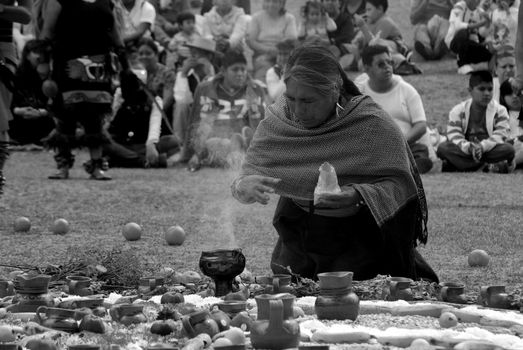
5. Peru's Earth Connection: The Despacho Ceremony (Pachamama Offering), Andean Region
High in the Peruvian Andes, where the majestic peaks meet the vast skies, the indigenous Quechua people maintain a profound connection to the Earth Mother, Pachamama. The Despacho ceremony is an ancient Andean ritual of gratitude and reciprocity, an offering made to Pachamama and the mountain spirits (Apus) to maintain balance, express thanks, and request blessings.
My own Despacho experience took place on a crisp morning in the Sacred Valley, led by a local curandero (healer) named Alejandro. We sat in a circle, surrounded by the towering mountains, as he meticulously arranged an array of natural elements on a white cloth: coca leaves (sacred to the Andes), flowers, grains, sweets, even a small figurine of a llama. Each item held symbolic meaning, representing different aspects of life, gratitude, and intentions.
As Alejandro chanted in Quechua, he breathed his intentions into each offering, inviting us to do the same. We focused on what we were grateful for, what we wished to release, and what we hoped to invite into our lives. The ceremony was intimate, deeply personal, and powerfully meditative. Afterwards, the bundled offering was either burned or buried, returning it to Pachamama. I felt a visceral connection to the land, to the ancient wisdom of the Andes, and to the simple, yet profound, act of giving thanks. It was a moment of true spiritual grounding, far removed from any digital distraction.
Practical Details:
- Location: Sacred Valley, Cusco, or other Andean regions of Peru and Bolivia.
- Best Time: Can be performed anytime, often for specific intentions or during significant lunar cycles.
- Cost: Varies widely. A private Despacho with a respected curandero can range from $50-200+ USD, depending on duration and complexity. Group ceremonies at wellness retreats or cultural centers might be less.
- Tips: Seek out reputable local guides or spiritual centers. Approach with an open heart and a willingness to participate respectfully. Learn a few basic Quechua phrases if you can. Be present; this is a deeply spiritual experience.
Beyond the Lens: How to Be a Respectful Witness
These rituals aren’t tourist attractions; they are living, breathing traditions that hold immense cultural and spiritual significance for the communities that practice them. When you seek them out, remember that you are a guest, not a spectator.
- Do Your Homework: Understand the ritual's meaning and etiquette beforehand.
- Dress Modestly: Always err on the side of caution. Cover shoulders, knees, and sometimes even your head.
- Ask Permission for Photos: Always, always ask. If you receive a "no," respect it. If "yes," be discreet, avoid flash, and don't interrupt the flow. Sometimes, it’s best to just put the camera away entirely.
- Go with a Local Guide: They can provide invaluable context, help you navigate cultural nuances, and ensure you're being respectful.
- Be Present: Engage with your senses. Listen, smell, feel. Don't just tick a box off your itinerary. Let the experience wash over you.
- Support Ethically: If offerings or small payments are expected, contribute fairly. Ensure your presence is not disruptive or exploitative.
- Leave No Trace: Both physically and culturally. Take only memories, leave only footprints.
The True Spirit of Travel
In a world increasingly dominated by fleeting trends and superficial aesthetics, there’s a profound beauty in seeking out the timeless. These ancient rituals offer a gateway to understanding cultures on a deeper level, to connecting with humanity's shared spiritual heritage, and to discovering parts of yourself you never knew existed.
Forget the perfectly curated feeds and the staged smiles. The real magic of travel lies in these unfiltered moments, in the quiet reverence, the vibrant devotion, and the raw, authentic pulse of life. These are the stories that will enrich your soul, broaden your perspective, and make you truly feel alive.
So, next time you plan a trip, ask yourself: Am I chasing a photo op, or am I seeking a true experience? Dare to explore beyond the influencer-approved hotspots. Dare to witness living history. Your travel stories will thank you for it.
What ancient rituals have you witnessed that left a lasting impression? Share your experiences in the comments below – let's inspire each other to travel deeper!
---