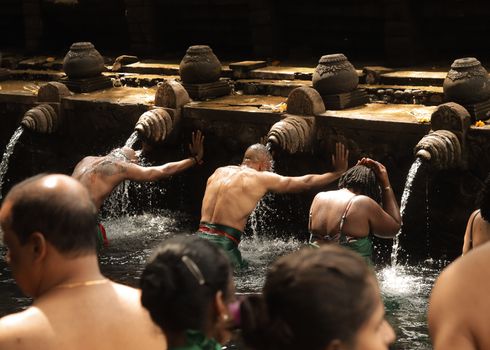
The air was thick with incense, the chanting a low hum that vibrated through my chest, and the cool water of the sacred spring enveloped me. As I dipped my head beneath the twelfth spigot, a wave of something indescribable washed over me – a mix of peace, release, and an overwhelming sense of connection to something far older and greater than myself. It was in that moment, during a Balinese water purification ceremony, that I realized I wasn't just traveling anymore; I was transforming.
For years, I chased sunsets and postcard views, ticking off bucket list destinations like a diligent tourist. But something felt missing. My soul yearned for more than just seeing; it craved feeling, understanding, and participating. That yearning led me down a path less traveled, one where ancient rituals weren't just historical footnotes but living, breathing practices still shaping communities and individuals today. What I discovered wasn't just beautiful; it was profoundly life-changing. These weren't performances for tourists; they were invitations to connect, to reflect, and to truly understand the pulse of a culture.
If you, like me, are seeking travel that goes beyond the surface, that stirs your soul and leaves an indelible mark, then prepare to be inspired. Here are five ancient rituals I’ve been privileged to witness firsthand, along with everything you need to know to experience their magic for yourself.
1. Bali's Cleansing Waters: The Melukat Purification Ceremony
(Location: Tirta Empul Temple, Ubud, Bali, Indonesia)
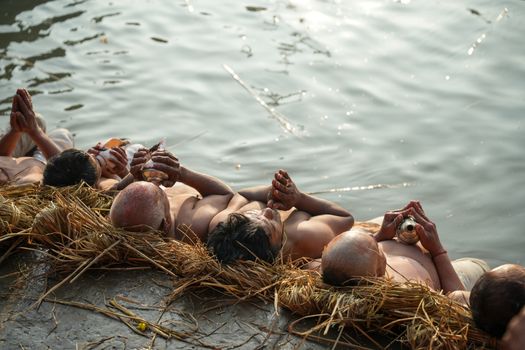
My journey into the world of ancient rituals began in the spiritual heart of Bali. The island itself hums with an almost palpable energy, a constant rhythm of offerings, prayers, and ceremonies. The Melukat, a traditional Balinese Hindu water purification ceremony, is an integral part of this spiritual tapestry, believed to cleanse the body, mind, and spirit of negative influences.
My first Melukat experience at Tirta Empul Temple, near Ubud, was both intimidating and exhilarating. As I watched locals, dressed in traditional sarongs, immerse themselves in the sacred spring, I felt a mix of awe and uncertainty. Would I be doing it right? Would I be respectful enough? My local guide, a kind woman named Wayan, reassured me. "Come with an open heart," she said, "that is all that matters."
After changing into a sarong (mandatory for entering the holy waters, available for rent or purchase at the temple entrance for about 10,000 IDR / $0.70 USD), and making a small offering, I joined the line of devotees. The spring-fed pools are fed by 13 spouts, each with a specific purpose, from purifying the mind to promoting prosperity. The water was surprisingly cool, a refreshing shock against the humid Balinese air. Following Wayan's lead, I bowed at each spout, made a silent intention, and immersed my head under the flowing water. The chanting from the temple priests, the scent of frangipani, and the collective devotion of those around me created an atmosphere of profound serenity. By the time I emerged from the last spout, I felt lighter, clearer, as if a weight had been lifted. It wasn’t just physical cleanliness; it was a spiritual detox.
Practical Tips for Your Melukat Experience:
- Where to Go: Tirta Empul is the most famous and accessible, but many local temples offer Melukat. Ask your accommodation or a local guide for recommendations.
- Best Time: Early morning (before 9 AM) is best to avoid crowds and experience a more peaceful atmosphere.
- What to Wear: A sarong and sash are mandatory for both men and women. You can rent them at the temple or bring your own. Modest clothing is expected. Bring a change of clothes and a towel.
- Cost: Entrance to Tirta Empul is around 50,000 IDR ($3.50 USD). The purification itself is often by donation, but it's customary to offer a small amount (e.g., 20,000-50,000 IDR) to the temple and/or the priest if one assists you.
- Local Guide: Highly recommended! A guide can explain the meaning of each spout, proper etiquette, and help you navigate the process respectfully. Expect to pay 300,000-600,000 IDR ($20-40 USD) for a half-day guide service.
- Respect: Approach with reverence. Avoid loud conversations, maintain a respectful demeanor, and do not take photos directly of people during their purification without explicit permission.
2. Whirling into Eternity: Turkey's Sema Ceremony
(Location: Hodjapasha Cultural Center, Istanbul, Turkey & Mevlana Museum, Konya, Turkey)
From the lush tropics of Bali, I journeyed to the ancient lands of Turkey, drawn by the mesmerizing allure of the Whirling Dervishes. The Sema ceremony is a spiritual journey, a form of active meditation practiced by the Mevlevi Order of Sufism, inspired by the 13th-century poet Rumi. It's not a performance but a sacred ritual, a communion with the divine.
I first witnessed the Sema at the Hodjapasha Cultural Center in Istanbul, a beautifully restored 15th-century Turkish bath. The atmosphere was hushed, reverent. As the music began – haunting flutes, rhythmic drums, and soulful chants – the Dervishes, clad in their symbolic white robes (representing a shroud) and tall felt hats (representing a tombstone), slowly entered. They bowed, then began to turn, one hand reaching towards the heavens, the other towards the earth, acting as a conduit for divine love.
Watching them was hypnotic. Their movements were fluid, precise, yet deeply spiritual. It wasn't about speed or showmanship; it was about surrender, about shedding the ego and connecting to the infinite. I felt a profound sense of peace wash over me, a feeling of being present in a moment that transcended time. It felt like watching prayer in its purest, most beautiful form. While Istanbul offers excellent public viewings, the most authentic experience is undoubtedly in Konya, where Rumi lived and taught, and where the Mevlana Museum houses his tomb. Here, the Sema ceremonies feel even more deeply rooted in their spiritual origin.
Practical Tips for Witnessing the Sema:
- Where to Go:
- Istanbul: Hodjapasha Cultural Center is popular and well-organized (tickets around 400-600 TRY / $13-20 USD). Also, look for smaller, more intimate venues or ask your hotel for local recommendations.
- Konya: The Mevlana Museum often hosts ceremonies. Inquire locally upon arrival.
- Best Time: Evening performances are common. Check schedules in advance and book tickets, especially in Istanbul.
- Etiquette: This is a sacred ritual, not a show. Maintain absolute silence throughout. Do not applaud. Avoid flash photography. Some venues may prohibit photography altogether during the ceremony. Dress respectfully.
- Cost: Varies by venue. In Istanbul, expect to pay for a ticket. In Konya, some events may be free or by donation, particularly if you find a local dervish lodge.
- Understanding: Read up on Sufism and Rumi before attending to fully appreciate the symbolism and spiritual depth of the Sema.
3. Honoring Mother Earth: The Pachamama Despacho in Peru
(Location: Sacred Valley or Cusco, Peru)
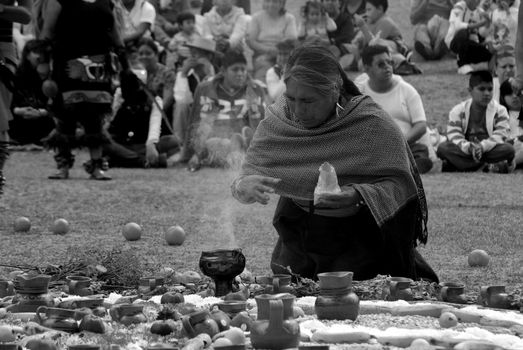
My journey then took me high into the Andes Mountains of Peru, to a land where ancient Inca beliefs still resonate powerfully. Here, the reverence for Pachamama, Mother Earth, is not just a concept but a daily practice. The Despacho ceremony is an ancient Andean ritual, a beautiful and intricate offering made to Pachamama and the Apus (mountain spirits) to express gratitude, seek blessings, or ask for balance and healing.
I participated in a private Despacho ceremony in the Sacred Valley, arranged through a local guide. Our Shaman, a wise Q'ero elder named Don Martin, had eyes that held centuries of knowledge. He laid out a vibrant tapestry, upon which he meticulously arranged a myriad of offerings: coca leaves (sacred in the Andes), flower petals, seeds, sweets, grains, shells, even silver and gold paper representing abundance. Each item was placed with intention, a prayer whispered for balance, health, and prosperity for the Earth and all beings.
Don Martin explained the meaning of each element, guiding us to add our own intentions to the coca leaves. As we bundled the offerings into a sacred package, I felt a deep connection to the Earth beneath my feet, to the towering mountains surrounding us, and to the generations of people who had performed this same ritual. The ceremony culminated with the Despacho being burned or buried, returning the offerings to Pachamama. It was a profoundly grounding experience, a powerful reminder of our interconnectedness with nature and the importance of gratitude. I left feeling lighter, more connected, and deeply humbled by the wisdom of the Andean people.
Practical Tips for a Pachamama Despacho:
- Where to Go: The Sacred Valley (Pisac, Urubamba, Ollantaytambo) or Cusco are prime locations.
- Finding a Shaman: This requires careful sourcing. Ask reputable eco-lodges, spiritual retreat centers, or trusted local guides for recommendations. Ensure the Shaman is authentic and respected within their community. Avoid "tourist trap" shamans.
- Ethical Participation: Approach with respect and genuine intent. This is not a show.
- Cost: A private Despacho ceremony can range from $50-$200+ USD, depending on the Shaman, the length, and whether it's part of a larger tour. This usually includes the cost of materials. Group ceremonies might be less.
- What to Expect: The Shaman will guide you through the process. You may be asked to bring specific intentions or even small personal items to include in the offering. Be prepared for a quiet, reflective, and often emotional experience.
4. The Silent Offering: Laos' Morning Alms Giving (Tak Bat)
(Location: Luang Prabang, Laos)
From the majestic mountains, my journey led me to the serene landscapes of Laos, specifically the UNESCO World Heritage town of Luang Prabang. Here, every morning before dawn, a centuries-old Buddhist ritual unfolds: Tak Bat, or the morning alms giving. Monks, clad in saffron robes, walk silently through the streets, collecting sticky rice and other food offerings from devout locals and respectful visitors.
I woke before sunrise, the air cool and crisp, and found a spot along the main street of Luang Prabang. The town was still mostly asleep, save for a few vendors setting up and a handful of tourists like myself. I had purchased a small basket of sticky rice from a local woman earlier (around 20,000 LAK / $1 USD), ensuring my offering supported the community. As the first light touched the temple rooftops, the monks appeared, a silent procession of orange robes, walking barefoot in single file.
Kneeling respectfully on a mat, I waited. As each monk passed, I gently placed a small ball of sticky rice into their alms bowl. There was no conversation, no eye contact, just a quiet exchange rooted in humility and generosity. The air was filled with a profound sense of peace and reverence. It wasn't just about giving food; it was about generating merit, practicing compassion, and connecting with the spiritual heart of Laos. This simple act, repeated daily for centuries, felt like a timeless meditation, a beautiful dance between community and monastic life.
Practical Tips for Participating in Tak Bat:
- Where to Go: Luang Prabang is the most famous and accessible place to witness this.
- Best Time: Begins around 5:30-6:30 AM, depending on the sunrise. Be there at least 15-20 minutes beforehand.
- Etiquette (CRITICAL!):
- Dress Modestly: Shoulders, chest, and legs must be covered.
- Maintain Silence: Do not speak to the monks.
- Distance: Keep a respectful distance. Do not block their path or get too close.
- No Flash Photography: Do NOT use flash. Be discreet if taking photos from a distance. Many tourists ruin the experience by being intrusive.
- Buy Rice Locally: Purchase sticky rice from local vendors near the alms route. Avoid vendors who aggressively sell rice to tourists, as this can detract from the authenticity.
- No Physical Contact: Do not touch the monks. Women should avoid direct contact.
- Kneel: If offering, kneel on the ground. Be lower than the monks.
- Observe First: If unsure, observe from a distance before participating.
- Cost: The cost of sticky rice is minimal. The experience itself is priceless.
5. A Vibrant Remembrance: Mexico's Dia de los Muertos
(Location: Oaxaca, Mexico)
My final ritualistic journey brought me to the vibrant heart of Mexico, for a celebration that is perhaps the most colorful and misunderstood: Dia de los Muertos, or Day of the Dead. Far from being macabre, this ancient Mesoamerican tradition, recognized by UNESCO, is a joyful and profound celebration of life, death, and family, where the veil between worlds thins, allowing spirits to visit their loved ones.
I chose Oaxaca City for my Dia de los Muertos experience, a place renowned for its rich cultural heritage and vibrant celebrations. The city transformed into a kaleidoscope of marigolds (cempasúchil), sugar skulls (calaveras), intricate paper cutouts (papel picado), and elaborate altars (ofrendas) dedicated to deceased family members. The air was thick with the scent of copal incense, pan de muerto (bread of the dead), and the earthy aroma of marigolds.
My most poignant memory was visiting a local cemetery on the night of November 1st. Families gathered around grave sites, meticulously cleaned and decorated with candles, flowers, favorite foods, and photos of their departed. Mariachi bands played lively tunes, children chased each other, and stories were shared. It was a festive yet deeply respectful atmosphere, a testament to the idea that death is not an end, but a continuation, a moment for reunion and remembrance. I saw tears, yes, but also laughter, music, and an undeniable sense of community and love. It completely reshaped my perspective on grief and remembrance, teaching me that embracing death can truly enhance life.
Practical Tips for Experiencing Dia de los Muertos:
- Where to Go: Oaxaca City is exceptional. Patzcuaro in Michoacán is also famous for its lakeside cemetery celebrations. Mixquic, near Mexico City, offers an authentic experience.
- Best Time: October 31st to November 2nd. Book flights and accommodation months in advance, as this is a peak travel period.
- What to Expect:
- Ofrendas: Explore the public altars in zócalos (main squares), museums, and even private homes (some open to visitors).
- Cemeteries: Visit local cemeteries, especially at night on November 1st. Be respectful, observe from a distance, and ask permission before taking photos of families.
- Parades & Comparsas: Oaxaca has lively parades (comparsas) where people dress in costumes, paint their faces, and play music.
- Workshops: Many places offer workshops to learn how to make sugar skulls, papel picado, or traditional makeup.
- Cost: Travel and accommodation will be higher due to demand. Food and local crafts are generally affordable. Workshops might cost $20-50 USD.
- Respect & Participation: While it's a celebration, remember its sacred roots. Dress appropriately for cemetery visits. Participate by trying pan de muerto, getting your face painted (calavera style), and immersing yourself in the joyful remembrance.
The Unseen Threads That Connect Us All
Witnessing these ancient rituals wasn't just about ticking off a cultural experience; it was about peeling back layers of my own understanding, confronting my preconceived notions, and allowing myself to be changed. Each ritual, in its unique way, offered a glimpse into humanity's enduring quest for meaning, connection, and transcendence. They taught me about gratitude, humility, respect, and the profound beauty of traditions that have withstood the test of time.
These experiences changed my life forever because they shifted my perspective from observing the world to truly being in the world. They showed me that authentic travel isn't about what you see, but what you feel, what you learn, and how you allow yourself to be transformed.
Are you ready to embark on your own transformative journey? Which ancient ritual calls to your soul? The world is full of wonders waiting to be experienced, not just seen. Step beyond the ordinary and discover the profound power of connection that these timeless traditions offer.
Share your thoughts in the comments below! Have you witnessed a life-changing ritual? Which one are you dreaming of experiencing next?
---