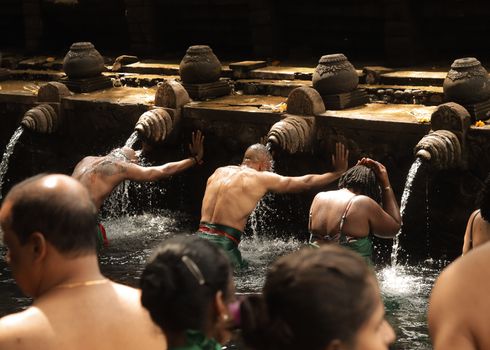
There’s a moment etched into my memory, vivid as if it happened yesterday, even though years have passed. I was kneeling in the cool, flowing waters of Tirta Empul, a sacred spring temple in Bali. The air was thick with incense and the murmur of prayers, the scent of frangipani blossoms mingling with the earthy aroma of wet stone. As the temple priest guided me through the purification ritual, scooping holy water over my head from each spout, I felt a tremor – not of cold, but of something deeper. A connection to centuries of devotion, a profound sense of cleansing, and an overwhelming gratitude for being allowed to participate in something so ancient and sacred.
That moment wasn't just a photo opportunity; it was a soul-stirring experience that redefined travel for me. And here's the secret: these aren't isolated incidents. The world is brimming with living ancient rituals, vibrant traditions that have endured for millennia, and they are, surprisingly, becoming one of the hottest trends in conscious travel. Forget just seeing a landmark; travelers today crave authentic engagement, a chance to step back in time and witness humanity’s enduring spiritual practices firsthand. This isn't about exotic spectacle; it's about profound connection, cultural immersion, and often, a powerful personal transformation.
Are you ready to swap your typical tourist itinerary for something truly extraordinary? To embark on a journey that will not only fill your camera roll but also your heart and mind? Let's dive into some of the most captivating ancient rituals you can witness, and sometimes even participate in, right now.
1. Bali's Melukat: Cleansing the Soul in Sacred Waters
There’s a reason Bali is often called the "Island of the Gods." Its spiritual heart beats strong and true, and one of its most accessible and profound rituals is the Melukat, a purification ceremony performed in natural springs or holy temples. It's a ritual designed to cleanse the body, mind, and spirit of negative influences, bringing balance and peace.
My Experience: My first Melukat at Tirta Empul was an unplanned detour that became the highlight of my trip. Guided by a local friend, I learned the proper etiquette: wearing a sarong and sash, making a small offering (canang sari), and approaching each of the temple’s 13 spouts with intention. The water was cool against my skin, and with each douse, I felt a layer of worldly stress peel away. It wasn't just the physical sensation; it was the collective energy of devotion surrounding me, the quiet reverence of the Balinese people, that made it so powerful. I left feeling lighter, clearer, and utterly renewed.
How to Witness (and Participate):
- Where: The most famous and accessible place is Tirta Empul Temple near Ubud. Another beautiful, less crowded option is Pura Mengening or Taman Beji Griya Waterfall in Sebatu.
- When: Daily, usually mornings are best to avoid crowds. Arrive early for a more serene experience.
- Cost: Entry to temples typically ranges from 15,000-50,000 IDR (approx. $1-3 USD). You'll need to rent a sarong and sash (often included in entry or a small rental fee of 10,000 IDR). A small donation for the offerings and guidance is customary.
- Practical Tips:
- Dress Code: You must wear a sarong and sash, covering knees and shoulders. These are available for rent at temple entrances.
- Etiquette: Be respectful. Follow the lead of locals or your guide. Remove shoes before entering certain areas. Women on their menstrual cycle are traditionally asked not to enter the sacred bathing areas.
- Guide: Consider hiring a local Balinese guide. They can explain the nuances of the ritual, assist with offerings, and ensure you participate respectfully.
- Instagram-Worthy: The lush temple grounds, the intricate offerings, the gentle flow of water, and the serene expressions of participants make for incredibly spiritual and beautiful photos. Just remember to be mindful and discreet.
2. Varanasi's Ganga Aarti: A Symphony of Fire and Faith
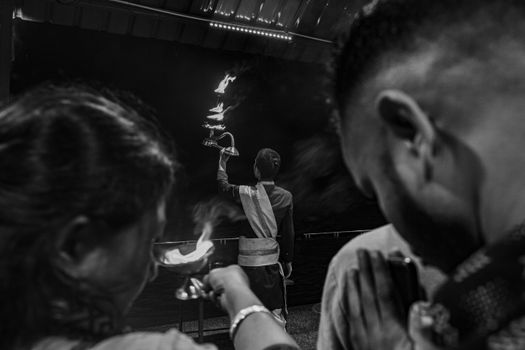
Imagine dusk falling over one of the world's oldest living cities, the sky turning fiery orange and purple. On the banks of the sacred Ganges River, hundreds gather as Brahmin priests, adorned in saffron robes, begin a mesmerizing ritual of fire, incense, and chanting. This is the Ganga Aarti in Varanasi, India – a daily Hindu worship ceremony dedicated to the River Goddess Ganga.
My Experience: I arrived at Dashashwamedh Ghat an hour before sunset, securing a spot on a rickety wooden boat. As the sun dipped below the horizon, the ghats erupted in a symphony of sound and light. Seven young priests, synchronized in their movements, began their dance with multi-tiered lamps, plumes of incense, and conch shells. The air thrummed with devotion, the scent of sandalwood and marigolds filled my nostrils, and the collective energy of thousands of pilgrims was palpable. It felt like watching history unfold, a timeless act of faith that has been performed for centuries. The reflections of the lamps dancing on the dark waters of the Ganges were simply breathtaking.
How to Witness:
- Where: The most famous and grandest Aarti takes place at Dashashwamedh Ghat in Varanasi. Smaller Aartis happen at other ghats.
- When: Every evening at sunset. The exact time varies with the season, so check locally. Arrive at least an hour early for a good spot.
- Cost: Free if you stand on the ghat steps. A boat ride offers a fantastic view and costs around 100-300 INR (approx. $1.50-4 USD) per person, depending on negotiation and demand.
- Practical Tips:
- Viewing: You can watch from the ghat steps (can get extremely crowded) or from a boat on the Ganges (highly recommended for unobstructed views and a unique perspective).
- Etiquette: Maintain silence during the ceremony. Dress modestly, covering shoulders and knees. Be prepared for crowds and sensory overload.
- Photography: It's a photographer's dream, but be respectful. Avoid flash, especially close up.
- Instagram-Worthy: The vibrant colors of the priests' robes, the towering lamps, the smoke, the river, and the sheer scale of devotion make for truly epic and spiritual shots.
3. Kyoto's Chado: The Art of the Japanese Tea Ceremony
While it may seem less "ritualistic" than fire ceremonies or purification rites, the Japanese Tea Ceremony, or Chado, is a profound ritual rooted in Zen Buddhism, emphasizing harmony, respect, purity, and tranquility (wa, kei, sei, jaku). It's a meticulously choreographed dance of preparation and serving matcha tea, a meditation in motion that has been perfected over centuries.
My Experience: In a quiet tea house nestled in Kyoto’s Gion district, I experienced Chado. The room was minimalist, serene, with the delicate scent of tatami mats. Our host, graceful and precise, moved with an almost ethereal calm. Every gesture, from the whisking of the matcha to the placement of the bowl, was deliberate and beautiful. As I sipped the bitter, earthy tea from a handcrafted bowl, a sense of profound peace washed over me. It wasn't just about drinking tea; it was about mindfulness, appreciating the present moment, and finding beauty in simplicity. It made me slow down, truly feel the moment.
How to Witness (and Participate):
- Where: Kyoto is the heart of traditional Japanese culture. Many tea houses and cultural centers offer tea ceremony experiences. Look for places in Gion, Arashiyama, or the Philosopher's Path area. Some temples also offer experiences.
- When: Check specific tea house schedules. Most run multiple sessions daily.
- Cost: A traditional tea ceremony experience can range from 2,000-6,000 JPY (approx. $15-45 USD), sometimes more for private or elaborate sessions.
- Practical Tips:
- Booking: It's advisable to book in advance, especially during peak season.
- Etiquette: Remove your shoes. Follow your host’s instructions on how to sit, hold the bowl, and drink the tea. Bowing is customary.
- Attire: No specific dress code, but smart casual is appropriate.
- Instagram-Worthy: The minimalist aesthetics, the beautiful tea utensils, the vibrant green of the matcha, and the serene atmosphere are perfect for capturing a moment of tranquility and cultural elegance.
4. Peruvian Pachamama Offerings: Honoring Mother Earth in the Andes
In the majestic Andes mountains of Peru, ancient Inca traditions still thrive, none more central than the veneration of Pachamama, or Mother Earth. A "Despacho" ceremony, or offering to Pachamama, is a deeply spiritual ritual performed by a local shaman (altomisayoc or paqo) to express gratitude, ask for blessings, or seek balance and healing.
My Experience: High in the Sacred Valley, under the watchful gaze of towering peaks, I participated in a small Pachamama ceremony led by a local Andean shaman. We sat in a circle, and he meticulously arranged an offering on a large paper, using coca leaves, seeds, flowers, sweets, and even gold and silver foil – each item carefully placed with specific intentions. As he chanted in Quechua, blowing his breath over the offering, I felt a deep connection to the earth beneath me and the vast sky above. We then buried the offering, returning it to Pachamama, a humble act of reciprocity. It was a powerful reminder of our interconnectedness with nature, a feeling often lost in our modern world.
How to Witness (and Participate):
- Where: These ceremonies are most common in and around Cusco and the Sacred Valley. Many reputable tour operators can arrange for you to participate in a respectful and authentic ceremony.
- When: Can be arranged year-round.
- Cost: Varies widely. Participating in a group ceremony through a tour operator might cost $50-150 USD, while a private ceremony with a respected shaman can be several hundred dollars. Always ensure you are working with an authentic practitioner.
- Practical Tips:
- Authenticity: Be cautious of overly touristy or commercialized "shamanic" experiences. Seek recommendations from trusted sources or ethical tour companies.
- Respect: Approach with an open heart and mind. The beliefs are deeply held.
- Offerings: You might be asked to bring a small offering like coca leaves (which can be purchased locally) or a small token of gratitude.
- Instagram-Worthy: The stunning Andean landscapes, the colorful offerings, the traditional attire of the shamans, and the intimate setting make for deeply evocative and culturally rich images.
5. Ethiopian Coffee Ceremony: A Daily Ritual of Connection
In Ethiopia, coffee isn't just a beverage; it's a profound cultural ritual, a cornerstone of hospitality and social life. The Ethiopian Coffee Ceremony (Buna Tetu) is an elaborate, hours-long process of roasting, grinding, brewing, and serving coffee, often performed by women, that has been passed down through generations. It's a slow, deliberate act that creates space for conversation, connection, and community.
My Experience: During my travels through Ethiopia, I was invited into countless homes and guesthouses for Buna Tetu. Each time, it was a warm embrace of hospitality. I remember one particular afternoon in a small village outside Lalibela. The aroma of roasting green coffee beans filled the air, mingling with the sweet scent of frankincense. Our host, dressed in traditional white cotton, meticulously ground the beans, brewed the coffee in a clay pot called a jebena, and poured it into tiny handle-less cups. Served with popcorn and deep conversation, it was more than just coffee; it was a ritual of belonging, a daily reaffirmation of community bonds. Each sip tasted of history, warmth, and genuine human connection.
How to Witness (and Participate):
- Where: Almost anywhere in Ethiopia! Many hotels, restaurants, and guesthouses offer a coffee ceremony for guests. The most authentic experiences are often found in local homes.
- When: Daily, often in the late morning or afternoon.
- Cost: Usually free if you are a guest. In restaurants, it might be a small additional charge (e.g., 50-100 ETB, approx. $1-2 USD).
- Practical Tips:
- Accept the Invitation: If you're invited to a coffee ceremony, accept! It's a sign of immense hospitality.
- Three Rounds: Traditionally, three rounds of coffee are served (Abol, Tona, Baraka), each progressively weaker. It's polite to accept all three.
- Frankincense: The burning of frankincense is an integral part of the ceremony, cleansing the space and adding to the sensory experience.
- Instagram-Worthy: The traditional attire, the smoking frankincense, the roasting beans, the beautiful jebena, and the small cups make for very evocative and culturally rich photos.
6. Morocco's Gnawa Trance: Healing Rhythms from Ancient Roots
Deeply rooted in Sufi mysticism and West African traditions, the Gnawa are a spiritual brotherhood in Morocco known for their mesmerizing music and healing trance ceremonies. Through repetitive, hypnotic rhythms played on the guembri (a three-stringed bass lute) and qarqab (metal castanets), they induce a state of trance, believing it connects them to the divine and facilitates spiritual healing.
My Experience: My encounter with Gnawa music was in Essaouira, a coastal town famous for its vibrant arts scene and annual Gnawa World Music Festival. While I didn't participate in a private lila (all-night trance ceremony), I stumbled upon a public performance in a small square. The musicians, dressed in vibrant, embroidered outfits and tasseled hats, played with an intensity that was infectious. The rhythms built slowly, drawing the audience in. Soon, some people in the crowd began to sway, then dance, their movements becoming more fluid and uninhibited. The sheer power of the music, its ancient pulse, was undeniable. It felt primal, communal, and deeply spiritual, a true testament to the healing power of sound.
How to Witness:
- Where: Essaouira is considered the spiritual home of Gnawa music, especially during the Gnawa World Music Festival (usually June). You can also find performances in Marrakech, particularly in the Djemaa el-Fna square or dedicated music venues.
- When: Performances can be spontaneous in public squares or organized in specific venues. The festival is the best time for immersion.
- Cost: Public performances are often free, with musicians accepting tips. Organized performances or festival tickets will have a fee.
- Practical Tips:
- Respectful Observation: While the music is infectious, remember its spiritual significance. If you're lucky enough to witness a lila, be incredibly respectful and discreet.
- Essaouira Festival: If attending the festival, book accommodation well in advance.
- Instagram-Worthy: The colorful costumes, unique instruments, energetic dancing, and the palpable atmosphere of trance make for incredibly dynamic and visually striking photos.
Responsible Witnessing: Tips for Authentic Engagement
As the trend of experiencing ancient rituals grows, so does our responsibility as travelers. These aren't just tourist attractions; they are living, sacred traditions.
- Do Your Research: Understand the meaning and significance of the ritual before you go.
- Seek Authentic Experiences: Prioritize local guides or reputable tour operators who respect the culture and ensure your participation is appropriate. Avoid exploitative or staged performances.
- Dress Modestly: Always err on the side of caution. Covering shoulders and knees is a good general rule in most sacred spaces.
- Ask for Permission: Before taking photos, especially of people, always ask. If you're unsure, put your camera away. Some rituals may prohibit photography entirely.
- Be Present & Respectful: Silence your phone. Observe quietly. Follow local customs and cues. Your presence is a privilege, not a right.
- Support Local Communities: Hire local guides, buy local crafts, and contribute to the local economy in ways that benefit the people preserving these traditions.
- Leave No Trace: Physical or cultural. Carry out what you carry in, and leave the culture as you found it.
Embrace the Transformation
Witnessing ancient rituals firsthand isn't just a travel activity; it's an invitation to connect with something ancient, profound, and deeply human. It's about stepping outside your comfort zone, opening your heart, and allowing yourself to be transformed by the power of belief, community, and tradition.
These journeys offer more than just memories; they offer a new perspective, a deeper understanding of our shared human story, and often, a profound sense of inner peace. They are the ultimate antidote to the superficial, offering a chance to truly feel the world.
So, are you ready to embark on a journey that transcends the ordinary? To seek out the sacred, the ancient, and the truly transformative? The world is waiting, with rituals that pulse with life, ready to share their timeless wisdom with those who seek it with an open heart.
Which ancient ritual will you witness first? Share your thoughts and dream destinations in the comments below!
---