Unveiling Night Markets: Locals' Secret Food Havens Revealed!
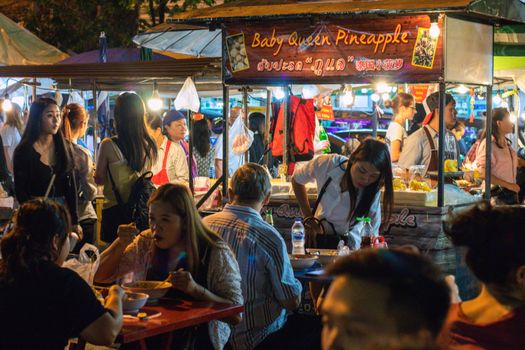
The air was thick with the scent of grilling meats, sweet pandan, and a dozen unknown spices. A symphony of sizzling woks, clanking dishes, and a thousand overlapping conversations swirled around me. I stood on a bustling street in Bangkok, a kaleidoscope of humanity flowing past, and for a moment, I felt completely lost. This wasn't the famed Khao San Road, nor the polished stalls of a curated food hall. This was Huai Khwang, a night market whispered about by a local friend, a place where the only English I heard was my own awkward attempt at ordering. And as I bit into a perfectly charred, spicy grilled fish, eyes watering from the chili but heart soaring with delight, I knew I’d found it – a true local food haven, a place most tourists never see.
That moment ignited a new passion in me: the hunt for the real night markets. The ones where grandmas haggle over fresh produce, where families gather for their nightly meals, and where the food isn't just sustenance, but a vibrant expression of culture and community. These aren't just markets; they're the beating heart of a city after dark, a place where locals actually eat, laugh, and live. And guess what? I’m about to let you in on some of their best-kept secrets. Forget the guidebooks for a moment, because your taste buds are about to embark on an adventure they won’t soon forget.
The Allure of the Unseen Market: Why Go Local?
Why bother venturing beyond the well-lit, English-menu-equipped tourist markets? Simple: authenticity, flavor, and a genuine connection to the place you’re visiting. Tourist markets, while fun, often cater to a generalized palate, sometimes sacrificing the nuanced flavors and traditional preparation methods that make local cuisine truly special.
Local night markets, on the other hand, are a different beast entirely. They’re raw, vibrant, and unapologetically themselves. Here, vendors have often been perfecting their craft for generations, their recipes handed down through families. The ingredients are fresh, often sourced from the same day’s catch or harvest. The prices? A fraction of what you’d pay in a more tourist-centric area. But beyond the food itself, it's the atmosphere that truly captivates. You’re not just eating a meal; you’re immersed in a living, breathing cultural tableau. You’re watching life unfold, sharing a meal with locals, and feeling the pulse of the city in a way a fancy restaurant simply can’t replicate. It’s an adventure for all five senses, a memory waiting to be made, and frankly, the best way to truly understand a culture through its stomach.
Decoding the Local Vibe: Tips for Blending In (and Eating Well!)
Venturing into a local night market can feel a little intimidating at first. But with a few insider tips, you’ll navigate like a seasoned pro and earn some serious street cred (and delicious food!).
- Embrace the Language Barrier: Don't let a lack of shared language deter you. A friendly smile, pointing to what others are eating, and using a simple "hello" and "thank you" in the local tongue go a long way. Most vendors are incredibly kind and will find a way to communicate. Google Translate's camera function can be a lifesaver for deciphering menus!
- Cash is King (and Often the Only Option): Forget your credit cards. These markets thrive on cash transactions, usually in small denominations. Always carry plenty of local currency.
- Observe and Follow the Crowd: The longest lines usually indicate the best stalls. Watch how locals order, pay, and eat. Do they share tables? Do they bus their own dishes? Mimicking local customs shows respect and makes for a smoother experience.
- Be Adventurous, But Smart: Try new things! That mysterious stew or exotic fruit might become your new favorite. However, trust your gut. If a stall looks unhygienic or the food seems to have been sitting out too long, move on. Bottled water is always a good idea.
- Hand Sanitizer is Your Best Friend: While many places provide hand washing stations, a small bottle of hand sanitizer is invaluable, especially when you’re diving into delicious, messy street food.
- Dress Comfortably and Lightly: These markets can be hot, crowded, and involve a lot of walking. Wear breathable clothes and comfortable shoes.
- Keep Your Valuables Secure: Like any crowded place, be mindful of your belongings. A cross-body bag or money belt is recommended.
Our Secret Stash: Unveiling Asia's Culinary Sanctuaries
Asia is a mecca for night markets, and while places like Chatuchak or Shilin are famous, we're diving deeper. These are the spots where the true culinary soul of the city shines.
1. Huai Khwang Night Market, Bangkok, Thailand
- The Vibe: Forget the tourist buses of Ratchada or the hipster vibes of Rot Fai. Huai Khwang is a vibrant, chaotic, and utterly authentic slice of local Bangkok life. It’s a favorite among Thai locals, particularly those from the northeastern Isaan region, meaning you’ll find incredible Thai-Lao fusion dishes alongside classic Thai street food. It’s less about shopping for souvenirs and more about serious eating.
- What to Eat:
- Lao-style Som Tum (Papaya Salad): Spicier, funkier, and often with fermented fish sauce (pla ra). If you dare, ask for "pla ra" in yours – it’s a game-changer.
- Grilled Seafood: Fresh prawns, squid, and whole fish grilled to perfection, often served with a spicy dipping sauce. My personal favorite is the salt-crusted grilled fish, flaky and moist.
- Khao Niao Mamuang (Mango Sticky Rice): A classic, but here it tastes even better, often served with perfectly ripe mangoes and sweet, coconut-infused sticky rice.
- Moo Ping (Grilled Pork Skewers): Marinated in a sweet-savory sauce, these are addictive.
- Details:
- Getting there: Take the MRT to Huai Khwang Station, Exit 3 or 4. You’ll emerge right into the thick of it.
- Prices: Expect to pay 40-100 THB per dish. You can feast like royalty for under 200 THB.
- Best Time: From 6 PM onwards, but it truly comes alive after 8 PM.
2. Presgrave Street Hawker Centre (888 Hokkien Mee), Penang, Malaysia
- The Vibe: While not a "night market" in the traditional sense of stalls lining a street, Presgrave Street is a quintessential Penang hawker center that transforms into a bustling food paradise after dark. It’s where locals flock for some of the island’s most iconic dishes, away from the Gurney Drive crowds. The focus here is purely on the food.
- What to Eat:
- 888 Hokkien Mee: This stall is legendary. A rich, spicy prawn broth with yellow noodles, vermicelli, sliced pork, prawns, and a hard-boiled egg. It's an explosion of umami.
- Char Kway Teow: Flat rice noodles stir-fried with prawns, cockles, bean sprouts, chives, and a fiery chili paste over a scorching wok. Look for the stalls with the longest queues and the most "wok hei" (breath of the wok).
- Lor Bak: Deep-fried five-spice pork rolls, served with a sweet and spicy chili sauce.
- Assam Laksa: A sour and spicy fish-based noodle soup, incredibly fragrant and addictive.
- Details:
- Getting there: Located on Presgrave Street, Georgetown, easily accessible by Grab (local ride-sharing app) or a short walk from Komtar.
- Prices: Dishes typically range from 5-15 MYR.
- Best Time: From 6 PM to late evening. Expect a crowd, especially on weekends.
3. Nanjichang Night Market, Taipei, Taiwan
- The Vibe: Nanjichang (literally "South Airport") is one of Taipei’s oldest and most traditional night markets. It’s less flashy and tourist-oriented than Shilin or Raohe, offering a more authentic glimpse into local life. Here, you'll find families enjoying their meals, elderly residents gossiping, and a slower, more deliberate pace.
- What to Eat:
- Oyster Omelet (Orh Ah Jian): A classic Taiwanese dish with plump oysters, eggs, and vegetables, bound together with a starchy sauce. Nanjichang's versions are famously good.
- Stinky Tofu (Chou Doufu): If you're brave, this fermented tofu dish is a must-try. The smell is potent, but the taste (especially the deep-fried version with pickled cabbage) is surprisingly delicious.
- Gua Bao (Taiwanese Pork Belly Buns): Soft, steamed buns filled with tender braised pork belly, pickled mustard greens, and crushed peanuts. A true delight.
- Chicken Rolls (Ji Juan): A unique Nanjichang specialty – crispy fried chicken skin wrapped around a savory filling.
- Details:
- Getting there: Take the MRT to Longshan Temple Station, then it’s about a 15-20 minute walk, or a short taxi/bus ride.
- Prices: Most dishes are very affordable, 30-80 TWD.
- Best Time: 5 PM to 11 PM.
Beyond Asia: Global Night Market Gems
The magic of local night markets isn't confined to Asia. Across the globe, vibrant food scenes come alive after dark, offering unique flavors and cultural insights.
4. Hom Market Street Food (Cho Hom), Hanoi, Vietnam
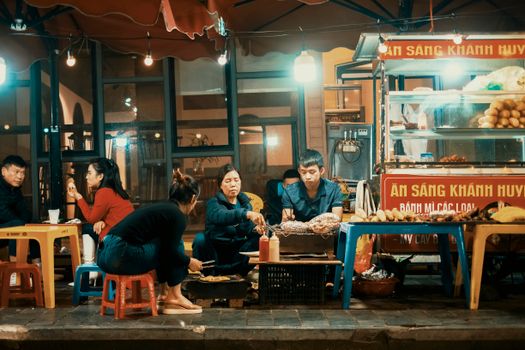
- The Vibe: While Hom Market itself is a bustling wet market during the day, the surrounding streets and alleys transform into a dynamic street food hub as evening descends. This isn't a single, organized market, but rather a collection of legendary street stalls, often just a few plastic stools and a low table, where Hanoians gather for their nightly fix of authentic Vietnamese cuisine. It's gritty, loud, and utterly charming.
- What to Eat:
- Bún Chả: Grilled pork patties and slices served with vermicelli noodles, fresh herbs, and a savory dipping broth. This is a Hanoi specialty, and the stalls around Hom Market do it exceptionally well.
- Phở Cuốn: Fresh rice noodle rolls filled with stir-fried beef and herbs, served with a dipping sauce. A lighter alternative to traditional pho.
- Bánh Mì: While found everywhere, the specific vendors here often have unique fillings and bread that have earned them a loyal local following.
- Vietnamese Coffee (Ca Phe Sua Da): No meal is complete without this strong, sweet, and refreshing iced coffee.
- Details:
- Getting there: Located in the Hai Ba Trung district, a short Grab ride from the Old Quarter. Just search for "Chợ Hôm Đức Viên" on Google Maps and explore the surrounding streets.
- Prices: Incredibly affordable, 20,000-50,000 VND per dish.
- Best Time: From 5 PM to 10 PM.
5. Mercado San Cosme Street Food, Mexico City, Mexico
- The Vibe: Mexico City is a street food paradise, and while Mercado de San Juan is famous, the area surrounding Mercado San Cosme offers a more local, less tourist-focused experience, especially after the sun sets. The streets around the market buzz with vendors selling antojitos (snacks), tacos, and more, catering to locals heading home from work or out for a late-night bite. It’s a sensory explosion of colors, sounds, and incredible aromas.
- What to Eat:
- Tacos al Pastor: Marinated pork cooked on a vertical spit, sliced off and served on small tortillas with pineapple, onion, and cilantro. Mexico City's signature dish, and the stalls here are phenomenal.
- Tacos de Suadero: Slow-cooked beef brisket tacos, melt-in-your-mouth delicious.
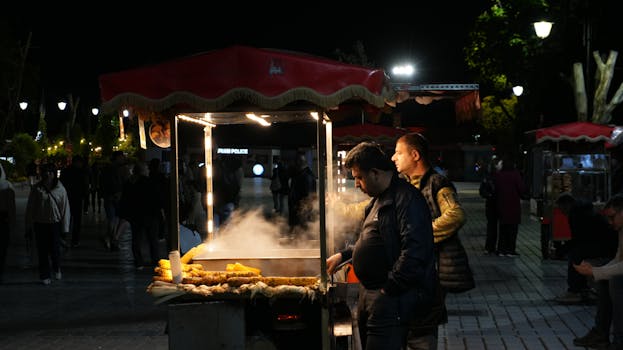
- Esquites/Elotes: Corn kernels (esquites) or a whole cob (elotes) slathered with mayonnaise, cheese, chili powder, and lime. A perfect savory snack.
- Quesadillas with Huitlacoche: Corn fungus, a delicacy, often served in quesadillas with cheese. Don't knock it 'til you try it!
- Details:
- Getting there: Take the Metro to San Cosme station. The street food scene is vibrant right outside the station and along Ribera de San Cosme.
- Prices: Tacos are generally 20-50 MXN each, making it incredibly cheap to sample a variety.
- Best Time: From 7 PM until late, especially on weekends.
6. Gwangjang Market (Specific Food Stalls), Seoul, South Korea
- The Vibe: Okay, Gwangjang Market isn't exactly "unknown" to tourists. It's a hugely popular destination. However, the way locals eat here, and the specific stalls they frequent, still hold a special, authentic charm. It’s a bustling, covered market that feels like a warm, delicious hug. The key is to know what to eat and where to find the best versions.
- What to Eat:
- Bindaetteok (Mung Bean Pancakes): Crispy on the outside, soft on the inside, these savory pancakes are made from ground mung beans, vegetables, and sometimes meat, fried to perfection. Look for the stalls with the huge griddles and the longest lines – they’re doing it right.
- Mayak Gimbap ("Drug" Gimbap): Named for its addictive quality, these small, bite-sized gimbap rolls are served with a tangy mustard dipping sauce. Simple yet utterly irresistible.
- Yukhoe (Raw Beef Sashimi): For the adventurous eater, finely sliced raw beef seasoned with sesame oil, garlic, and often topped with an egg yolk. Gwangjang is famous for it, and it's a true local delicacy.
- Kalguksu (Hand-cut Noodle Soup): Freshly made noodles in a comforting broth, often prepared right in front of you.
- Details:
- Getting there: Take the Metro to Jongno 5-ga Station (Line 1), Exit 8.
- Prices: Dishes typically range from 5,000-15,000 KRW.
- Best Time: Open late, but best to go for dinner from 6 PM to 9 PM to experience the full buzz.
The Art of the Hunt: How to Find Your Own Local Night Market
Ready to uncover your own secret food havens? Here’s how to become a master night market hunter:
- Ask Locals (Politically!): Don't just ask "Where's a good place to eat?" Ask hotel staff, taxi drivers, shopkeepers, or even friendly baristas: "Where do you go for dinner after work?" or "Where do families eat late at night?" Frame it as wanting to experience their local favorites.
- Look for the Crowds (Especially Local Families): This is the golden rule. If you see a throng of locals, especially families with kids, you've likely found a winner. They know where the good, safe, and affordable food is.
- Venture Off the Main Tourist Grid: Tourist areas are designed for tourists. Real local life (and food) often happens a few blocks or a few MRT stops away from the main attractions.
- Google Maps & Local Blogs: Search "[City Name] local night market," "[City Name] street food," or "[City Name] hawker center." Then, zoom in on the map and look for areas with a high density of small, unpretentious eateries, especially away from the city center. Follow local food bloggers or Instagrammers for their recommendations – they often highlight hidden gems.
- Embrace the Unknown: Sometimes, the best discoveries are made by simply wandering down a side street that smells incredible. Trust your nose, your eyes, and your sense of adventure!
The Taste of True Travel
There’s a magic that happens when you step away from the polished brochures and into the raw, authentic heart of a city’s food scene. It’s in the shared smiles with a vendor who doesn’t speak your language, the unexpected burst of flavor from a dish you can’t name, and the feeling of truly belonging, even if just for an hour, in a place far from home. These night markets aren't just about food; they're about connection, culture, and the unforgettable stories you'll bring back.
So, next time you plan a trip, make a pact with yourself: seek out the local night markets. Arm yourself with these tips, a hungry stomach, and an open mind. You won't just eat; you'll experience a destination in a way few tourists ever do.
Have you discovered a hidden night market gem? I want to hear about it! Share your stories and recommendations in the comments below, or better yet, tag us on Instagram with #TripsoraEatsLocal. Let's inspire each other to explore the delicious, untold stories of the world!
---