The Hook: A Scent That Whispers of Adventure
I stepped off the train in Hanoi's Old Quarter, the humid air thick with a symphony of smells I’d only dreamt of. It wasn't just the sweet perfume of grilling pork or the sharp tang of fermented shrimp paste; it was the very essence of a city alive, a thousand culinary stories unfolding in real-time. Unlike the well-trodden paths of Bangkok, here, the magic felt raw, untamed, and blissfully, wonderfully, mine. The sheer sensory overload, yet with an intimate, almost personal feel, was my first clue: I’d stumbled upon something extraordinary.
Beyond the Tourist Trail: Finding Culinary Sanctuaries
Bangkok's food markets are iconic, no doubt. But let's be honest, sometimes the experience can feel more like navigating a human obstacle course than a culinary adventure. We’re talking about the real deal here – places where locals flock, where the flavors are as authentic as the smiles, and where you can actually hear yourself think (and savor that bánh mì). Forget the selfie sticks and the overwhelming queues. We're diving deep into destinations that offer that same electrifying buzz, that same explosion of taste, but with a soul-stirring intimacy.
1. Hanoi, Vietnam: A Symphony of Street-Side Delights
Hanoi’s Old Quarter isn't one single market, but a labyrinth of streets, each with its own specialty. It’s a living, breathing organism of food.
Dong Xuan Market: The Grand Dame of Hanoi's Flavors
While Dong Xuan Market has a main hall that can get busy, its true magic lies in the surrounding streets and the smaller, more intimate food stalls that spill out. This is where the city truly eats.
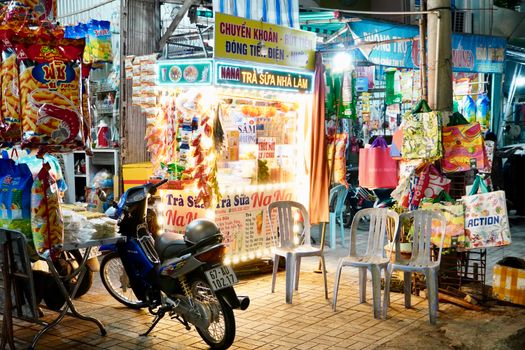
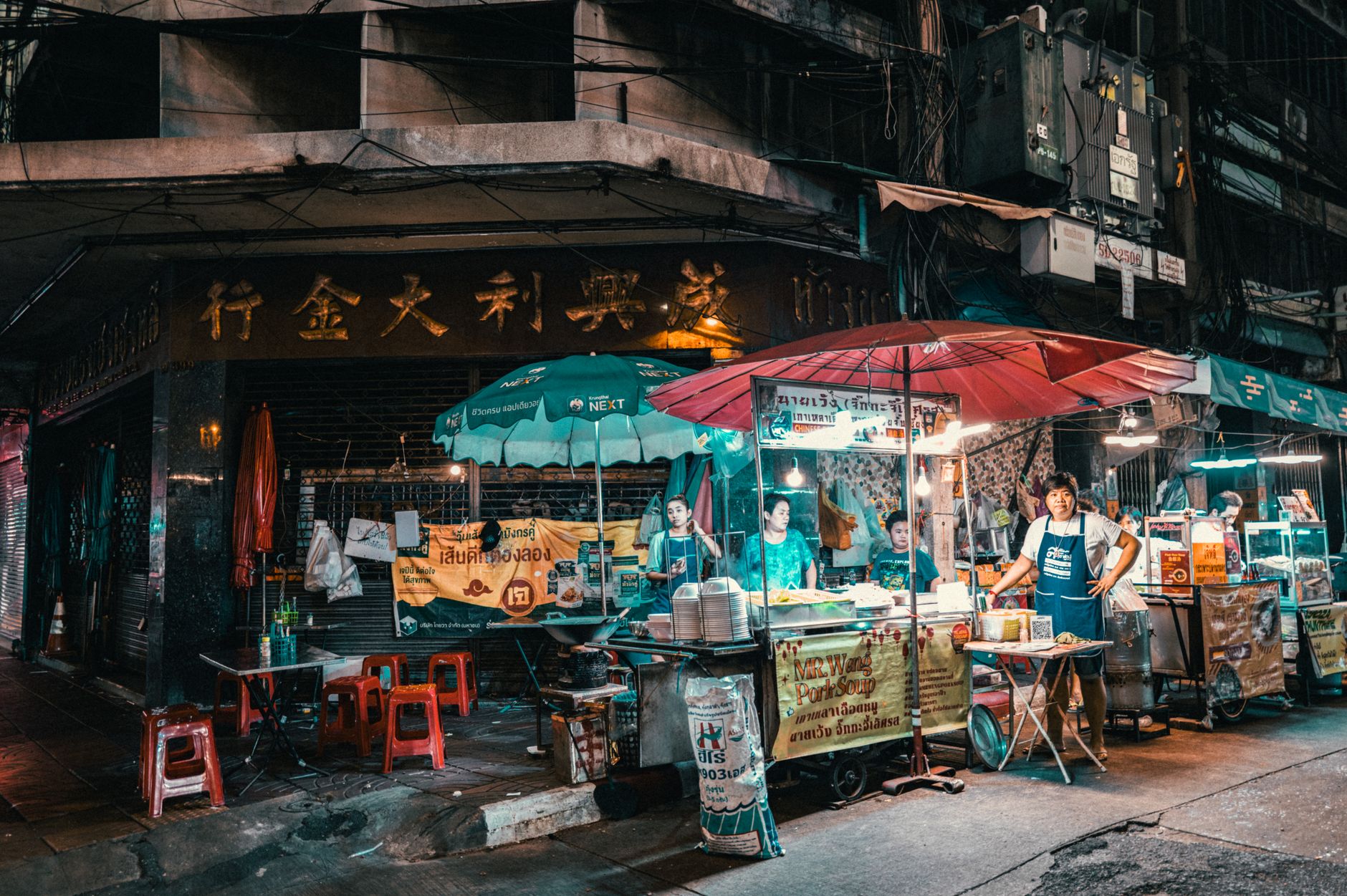
- The Vibe: Imagine narrow alleys buzzing with motorbikes, the clang of woks, and the sizzle of countless delicacies. Elderly women expertly fold bánh cuốn (steamed rice rolls) while young vendors expertly grill skewers over charcoal. The air is a heady mix of star anise, fish sauce, and fresh herbs.
- Must-Trys:
- Phở: Forget the tourist traps. Find a tiny stall with plastic stools and ask for Phở Bò Tái (beef noodle soup with rare beef). The broth, simmered for hours, is liquid gold.
- Bún Chả: This is Hanoi’s signature dish. Grilled pork patties and slices of pork belly are served in a sweet and savory dipping sauce with rice noodles and a mountain of fresh herbs. It's a flavor bomb.
- Chả Cá Lã Vọng: A turmeric-marinated fish dish, pan-fried at your table with dill and spring onions. It’s an experience in itself.
- Insider Secret: Don't be afraid to venture down tiny alleyways. Some of the best food is found in what looks like someone's courtyard. Look for where the locals are queuing – that’s your golden ticket.
Quick Facts: Hanoi Old Quarter Food Stalls
| Feature | Details | | :------------ | :---------------------------------------------------------------------- | | Estimated Cost ($) | $1 - $5 per dish | | Best Time to Visit | Early morning (6 AM - 9 AM) for breakfast, evening (6 PM - 10 PM) for dinner. | | How to Get There | Fly into Noi Bai International Airport (HAN). Take a taxi or bus to the Old Quarter. The area is best explored on foot. |
2. George Town, Penang, Malaysia: A Melting Pot of Spice and Soul
Penang is rightfully called the food capital of Malaysia, and George Town’s hawker centers are legendary. But we're bypassing the most overwhelming ones for the truly authentic experiences.
Gurney Drive Hawker Centre (and its quieter cousins)
While Gurney Drive is famous, it can get packed. Venture slightly off the beaten path or visit during off-peak hours for a more relaxed, yet equally delicious, experience. Or, explore smaller, neighborhood hawker stalls.
- The Vibe: Imagine a vibrant, open-air food court buzzing with activity. The aroma of spices – curry leaves, chilies, turmeric – fills the air. Families gather, friends chat, and the symphony of sizzling woks is your soundtrack. The sheer variety is astounding.
- Must-Trys:
- Assam Laksa: A tangy, spicy fish-based noodle soup, a true Penang specialty. It's a complex flavor profile that’s incredibly addictive.
- Char Kway Teow: Stir-fried flat rice noodles with shrimp, cockles, bean sprouts, and chives, cooked over high heat for that unmistakable smoky 'wok hei'.
- Rojak: A fruit and vegetable salad tossed in a sweet, sticky shrimp paste dressing, often topped with crushed peanuts. It’s a refreshing explosion of sweet, salty, and savory.
- Cendol: A refreshing dessert of shaved ice, coconut milk, palm sugar syrup, and green pandan jelly noodles. Perfect for the tropical heat.
- Insider Secret: Look for stalls with long queues of locals, especially those who seem to be regulars. The 'Gurney Drive' experience is also replicated in many smaller, less touristy hawker centers around the island. Ask a local for their favorite neighborhood spot!
Quick Facts: George Town Hawker Centers
| Feature | Details | | :------------ | :---------------------------------------------------------------------- | | Estimated Cost ($) | $2 - $7 per dish | | Best Time to Visit | Late afternoon (4 PM onwards) and evening. Avoid peak dinner hours (7 PM - 8 PM) if you prefer fewer crowds. | | How to Get There | Fly into Penang International Airport (PEN). Take a taxi or bus to George Town. Many hawker centers are accessible by public transport or a short Grab ride. |
3. Chiang Mai, Thailand: Beyond the Night Bazaar Buzz
Chiang Mai’s night markets are famous, but if you’re seeking a more authentic, less overwhelming experience, head to the local markets that cater to residents.
Warorot Market (Kad Luang): The Heartbeat of Chiang Mai
This is the city’s oldest and most traditional market, a bustling hub where locals shop for everything from fresh produce and spices to clothing and household goods. The food section is a sensory delight.
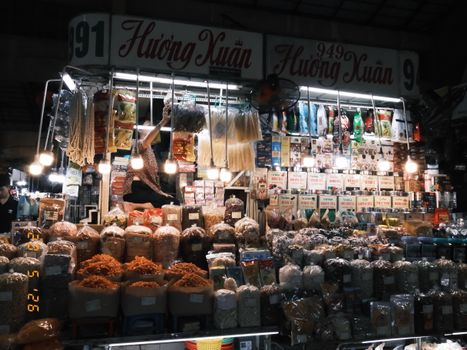
- The Vibe: Picture a sprawling, covered market filled with the chatter of vendors and shoppers. The air is fragrant with dried chilies, fragrant herbs, and sweet fruits. It's a riot of colors, from vibrant flower garlands to piles of exotic produce.
- Must-Trys:
- Khao Soi: Chiang Mai’s iconic curry noodle soup. A rich, creamy coconut curry broth served with tender chicken or beef, topped with crispy fried noodles. It’s pure comfort in a bowl.
- Sai Oua (Northern Thai Sausage): A flavorful pork sausage packed with herbs like lemongrass, galangal, and kaffir lime leaves. It’s spicy, aromatic, and utterly delicious.
- Nam Prik Ong/Nam Prik Noom: These chili dips are quintessential Northern Thai fare. Nam Prik Ong is a pork and tomato-based dip, while Nam Prik Noom is made from roasted green chilies. Serve with fresh vegetables and sticky rice.
- Insider Secret: Explore the smaller, less obvious food stalls tucked away in the back. Many offer incredible local snacks and dishes that you won’t find in more tourist-focused areas. Don't be shy to point and ask!
Quick Facts: Warorot Market (Kad Luang)
| Feature | Details | | :------------ | :---------------------------------------------------------------------- | | Estimated Cost ($) | $1 - $4 per dish | | Best Time to Visit | Early morning (7 AM - 10 AM) for the freshest produce and breakfast, or late afternoon (3 PM - 5 PM). | | How to Get There | Fly into Chiang Mai International Airport (CNX). Take a taxi or Songthaew (red truck taxi) to Warorot Market. It's a short ride from the Old City. |
4. Ho Chi Minh City, Vietnam: Beyond Ben Thanh's Bustle
While Ben Thanh Market is a landmark, its intensity can be overwhelming. For a more authentic and less crowded street food experience, explore the smaller, neighborhood markets.
Tan Dinh Market: A Local Culinary Gem
This market is a favorite among locals for its incredible array of affordable and delicious food, especially its sweet treats and snacks.
- The Vibe: A vibrant, open-air market brimming with local life. The air is thick with the sweet scent of ripe fruits and the savory aroma of cooking. It's a place where you can truly observe daily life unfold while indulging in fantastic food.
- Must-Trys:
- Bánh Xèo: Crispy, savory Vietnamese crepes filled with shrimp, pork, bean sprouts, and onions, served with fresh herbs and a dipping sauce. The sound of the batter hitting the hot pan is music to my ears.
- Various Sweet Soups (Chè): Tan Dinh is famous for its Chè stalls. From creamy coconut milk-based puddings to refreshing fruit concoctions, there’s a sweet treat for every palate.
- Com Tam (Broken Rice): A popular dish of broken rice grains served with grilled pork chops, shredded pork skin, steamed egg cake, and a fried egg.
- Insider Secret: The market is particularly famous for its colorful and delicious desserts. Don't leave without trying at least two different kinds of Chè. Look for the stalls with the most locals gathered around.
Quick Facts: Tan Dinh Market
| Feature | Details | | :------------ | :---------------------------------------------------------------------- | | Estimated Cost ($) | $1 - $3 per dish | | Best Time to Visit | Morning (8 AM - 11 AM) and late afternoon (3 PM - 6 PM). | | How to Get There | Fly into Tan Son Nhat International Airport (SGN). Take a taxi or Grab to Tan Dinh Market in District 3. |
5. Yogyakarta, Indonesia: A Taste of Java's Soul
Yogyakarta, often called Jogja, offers a unique culinary landscape that blends Javanese tradition with a vibrant street food culture, minus the overwhelming crowds of larger Indonesian cities.
Pasar Beringharjo: The Pulse of Jogja's Cuisine
This is Yogyakarta's largest and most traditional market, a labyrinth of sights, sounds, and smells that offers an authentic glimpse into Javanese daily life and, of course, incredible food.
- The Vibe: A bustling, multi-story market where you can find everything from batik fabrics to traditional spices. The ground floor is dedicated to food, with vendors selling fresh ingredients and ready-to-eat dishes. The atmosphere is lively but manageable.
- Must-Trys:
- Gudeg: The quintessential Jogja dish. Young jackfruit stewed in coconut milk and palm sugar, often served with rice, chicken, and a hard-boiled egg. It's sweet, savory, and incredibly tender.
- Sate Klatak: A unique take on satay where the meat is skewered on a metal rod instead of bamboo. It’s grilled over charcoal and served with a flavorful, peppery broth.
- Nasi Goreng: Indonesian fried rice, but in Jogja, it has its own distinct character, often richer and more aromatic.
- Insider Secret: Head to the upstairs food court area for a more relaxed dining experience. You can sample various dishes from different vendors and enjoy the local ambiance without the intense hustle of the ground floor.
Quick Facts: Pasar Beringharjo
| Feature | Details | | :------------ | :---------------------------------------------------------------------- | | Estimated Cost ($) | $1 - $5 per dish | | Best Time to Visit | Morning (8 AM - 12 PM) for the freshest produce and breakfast dishes, or late afternoon (4 PM - 7 PM) for dinner. | | How to Get There | Fly into Adisutjipto International Airport (JOG). Take a taxi or TransJogja bus to Pasar Beringharjo, located in the city center. |
The Art of the Uncrowded Culinary Hunt
Finding these hidden gems is an art form. It’s about more than just food; it’s about the experience. It’s about observing the rhythm of local life, engaging with vendors (even with just a smile and a point), and savoring flavors that have been perfected over generations.
- Embrace the Unknown: Don't be afraid to wander off the main streets. Some of the best culinary discoveries are made by chance.
- Observe and Learn: Watch how locals order, what they choose, and how they eat. It’s a masterclass in authentic dining.
- Learn a Few Phrases: A simple "Xin chào" (Hello) in Vietnamese or "Terima kasih" (Thank you) in Indonesian can go a long way.
- Trust Your Senses: If a place smells amazing and has locals lining up, it's usually a winner.
These markets offer a chance to connect with a destination on a deeper level, to taste its soul, and to create memories that are as rich and vibrant as the food itself, all without the overwhelming crush of crowds. Your next unforgettable culinary adventure awaits.