The Boiling Point: Why Travel Experts Are Moving On From Bangkok’s Overcrowded Markets
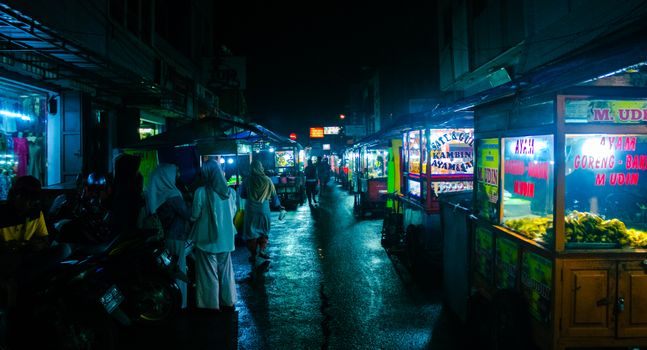
I stepped off the train at Yaowarat Road at 8:00 PM, and within forty seconds, a humid wall of exhaust fumes, selfie sticks, and tour buses pinned me against a soot-stained concrete barrier. I couldn't breathe, let alone smell the grilled pork neck.
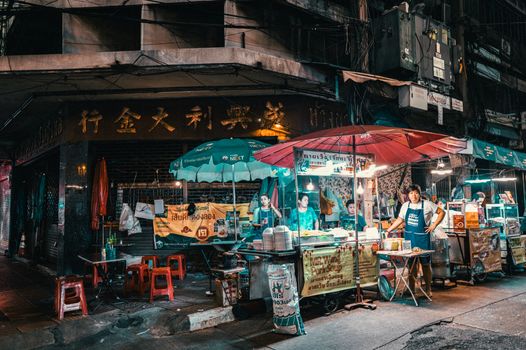
Don't get me wrong—I’ve spent a decade loving Bangkok's street food scene. But let’s be honest with ourselves: the golden age of casually strolling through Bangkok’s street markets is on pause. What used to be spontaneous, chef-driven alley stalls have turned into highly orchestrated, overpriced Instagram photo shoots. When you are standing in a 45-minute line alongside two hundred influencers waiting for a viral crab omelet that costs $40 USD, the magic officially dies.
Fortunately, world-traveled food journalists and veteran Anthony Bourdain-style eaters haven't stopped hunting. Across Asia, Europe, and Latin America, a new list of market destinations has emerged. These spots offer deeper culinary traditions, fiery regional specialities, hyper-local pricing, and—most importantly—enough breathing room to eat your charcoal-grilled skewers without taking someone’s elbow to the ribs.
Here are the six food markets better than Bangkok without crowds experts are recommending right now.
---
1. Cecil Street Market (Lebuh Cecil): Penang, Malaysia
The Ultimate Wok-Hei Haven Without the Tour Buses
If you ask top culinary writers where they go when Bangkok gets too chaotic, Penang is usually the first name dropped. But skip the Instagrammed mural routes of Armenian Street and head straight to the industrial outskirts of George Town to Cecil Street Market.
``` [ Morning Wet Market ] ---> Converts At 1:00 PM ---> [ Sizzling Hawker Hall ] ```
Known locally as Tiaw Chiew, this vast, concrete-floored hall houses over 80 stalls that operate with military efficiency. The floor is slightly damp, the air smells of caramelizing pork fat and roasted belacan (shrimp paste), and the sound of iron spatulas clanging against steel woks creates a percussive beat that drowns out the outside city noise.
``` _________________________________________________________ | CECIL STREET LAYOUT | | [ Wet Market: Fish/Produce ] | [ Hawker Stalls Area ] | | ---------------------------- | ---------------------- | | Fresh Duck Meat Koay Teow | Nyonya Kuih Stalls | | Crispy Roasted Pork Belly | Hokkien Mee (Broth) | |_______________________________|_________________________| ```
What to Eat
- Duck Meat Koay Teow Th’ng: Clear, intense broth brewed from duck bones for eight hours, served with handmade flat rice noodles, shredded duck, fish balls, and golden garlic oil.
- Char Kway Teow: Prawns the size of your thumb, Chinese sausage, and chives flash-fried over high heat in lard. Look for the stall run by the elderly brothers wearing thick goggles.
- Nyonya Kuih: Steamed glutinous rice cakes infused with butterfly pea flower and coconut cream, sold from wooden trays at the center aisle.
> Expert Pro-Tip: Arrive precisely at 1:30 PM. The morning wet market sellers are packing up, and the hawkers are dropping fresh batches of pork belly into the deep fryers. Head straight for the stall with the red sign that says Lor Bak (five-spice pork wrapped in bean curd skin).
---
2. Yanagibashi Rengo Market & The Fukuoka Yatai Stalls: Fukuoka, Japan
Kyushu’s Seafood Symphony and Midnight Riverbank Stalls
While tourists exhaust themselves fighting through Tokyo’s Tsukiji Outer Market or Bangkok’s tourist night markets, serious Japanese food lovers board the Shinkansen down to Fukuoka. Known as the "Kitchen of Hakata," this coastal city presents a two-part masterclass in low-stress market dining.
``` DAYTIME: Yanagibashi Rengo Market (Fresh Sashimi & Fried Fish Cakes) │ ▼ NIGHTTIME: Nakasu Riverbank Yatai (Tonkotsu Ramen & Sake Stalls) ```
By day, navigate Yanagibashi Rengo Market, a covered wooden arcade running along the Naka River. It’s quiet, clean, and smells of dry roasted nori and dashi stock. By night, tiny wooden street stalls called Yatai pop up along the riverbanks, seating only 8 to 10 people at a time for intimate, smoke-filled suppers.
``` +-----------------------------------------------------------------+ | FUKUOKA MARKET DOUBLE-FEATURE | +-----------------------------------+-----------------------------+ | YANAGIBASHI RENGO (08:00 - 17:00) | NAKASU YATAI (18:00 - 02:00)| +-----------------------------------+-----------------------------+ | Sea Urchin (Uni) Rice Bowls | Creamy Hakata Tonkotsu | | Freshly Fried Kamaboko | Charcoal Mentai-Iwashi | | Artisan Green Tea Ice Cream | Cold Asahi & Warm Sake | +-----------------------------------+-----------------------------+ ```
What to Eat
- Hakata Tonkotsu Ramen: Fukuoka is the birthplace of rich, milky pork-bone broth noodles. Order it katame (firm noodles).
- Mentai-Iwashi: Sardines stuffed to bursting with spicy, cured cod roe and grilled over white oak charcoal until the skin blisters.
- Fresh Sea Urchin (Uni) Bowls: At Yanagibashi, fishmongers will slice fresh uni, spoon it over hot rice, and hand it to you across the ice display for half of Tokyo prices.
> Expert Pro-Tip: Skip the Yatai stalls directly on the main Nakasu strip (which get long tourist lines). Walk ten minutes south toward Tenjin Station, where local office workers crowd around the Yatai along Meiji-dori for better broth and lower prices.
---
3. Mercado de Tlacolula: Oaxaca, Mexico
An Ancient Sunday Gathering Far From the Tourist Centers
Bangkok’s markets are famous for scale, but the Sunday Market in Tlacolula (a 45-minute drive east of Oaxaca City) matches that scale with deep historical roots. Indigenous Zapotec vendors travel down from the Sierra Norte mountains wearing traditional embroidered blouses and velvet ribbons braided into their hair, carrying ingredients you won't find anywhere else on Earth.
``` TLACOLULA SUNDAY MARKET EXPERIENCE
[ Pasillo de Humo ] --------> [ Indigenous Producers ] --------> [ Artisanal Pit ] (Hall of Smoke) (Wild Herbs, Chapulines) (Barbacóa & Pulque) │ │ │ ▼ ▼ ▼ Sizzling Cecina & Wild Guava, Chilhuacle Slow-cooked Goat Meat, Fresh Tortillas Peppers, Quesillo Cheese Unpasteurized Ferments ```
The air smells of woodsmoke, roasted pasilla chilies, and sweet copal incense. Unlike Oaxaca City's inner-city markets, which are heavily populated by European tour groups, Tlacolula remains a functioning trade ecosystem for local families.
``` [PASILLO DE HUMO SETUP] +-------------------------------------------------------------+ | Vendor Stall: Raw Cecina / Tasajo Cuts hanging from hooks | | Brazier: Open charcoal trough running down the center | | Action: Buy meat by weight -> Grill it yourself -> Eat Hot | +-------------------------------------------------------------+ ```
What to Eat
- Tasajo and Cecina at the Pasillo de Humo: Walk through the hall of smoke, select thin sheets of salted beef or spiced pork from the butcher stalls, and lay them directly over open charcoal braziers.
- Barbacoa de Chivo: Goat slow-roasted overnight in underground pits lined with avocado leaves, served in a rich consommé with lime and hand-pressed blue corn tortillas.
- Tejate: An ancient pre-Hispanic energizing drink made from toasted corn, fermented cacao beans, mamey fruit pits, and rosita de cacao flowers, whisked by hand until a thick, nutty foam rises to the top.
> Expert Pro-Tip: Take a shared taxi (colectivo) from Oaxaca’s Baseball Stadium early in the morning. Arrive by 8:30 AM before the sun peaks. Enter the local church courtyard to find elderly women selling unpasteurized, naturally flavored pulque out of wide clay jars.
---
4. Mercato del Capo: Palermo, Sicily
Arab-Norman Heritage Served with Raw Mediterranean Energy
If you want the noise, energy, and theatrical chaos of Bangkok without the bland commercialization, step into the sun-dappled limestone alleys of Mercato del Capo in Palermo.
``` MERCATO DEL CAPO SOUNDSCAPE
[ Vendor Shouting ] + [ Sizzling Oil ] + [ Scooped Ice ] ("Abbanniate" Calls) (Panelle & Arancini) (Swordfish Displays) │ │ │ └─────────────────────────┼────────────────────────┘ ▼ Pure Sicilian Street Theatre ```
Narrow medieval lanes are lined with wooden crates overflowing with ruby-red Mediterranean tuna, salted capers, and piles of wild fennel. Fishmongers sing traditional Arab-influenced chants (abbanniate) to announce their daily catch, their voices echoing off crumbling 16th-century church facades.
``` MERCATO DEL CAPO MAP Via Carini Entry ─────────────────────────────────────► Piazza Beati Paoli [ Fried Chickpea Fritters ] [ Swordfish Heads on Ice ] [ Organ Meat Grills ]
- Panelle & Cazzilli Fresh Crudo Stigghiola Stalls
```
What to Eat
- Panelle and Cazzilli: Golden fritters made from chickpea flour paired with potato croquettes seasoned with mint and lemon, stuffed into a sesame brioche bun.
- Stigghiola: Young lamb or veal intestines wrapped around spring onions, skewered, grilled over open coals, and seasoned simply with coarse sea salt and fresh lemon juice.
- Pane con la Meusa: Sliced calf spleen simmered in lard, tucked into soft bread, and topped with grated caciocavallo cheese (ask for maritatu).
> Expert Pro-Tip: Enter from the Via Carini gate around 11:00 AM. Look for a tiny stall near the Church of S. Agostino selling fresh raw sea urchin (ricci di mare). The vendor will slice them open in front of you with scissors; splash them with lemon juice and eat them straight out of the shell with a plastic spoon.
---
5. Thanin Market (Siri-wattana): Chiang Mai, Thailand
Thailand's Culinary Capital Without the Night Bazaar Traps
Want authentic Thai food without tourist markups? Leave Bangkok behind and head north to Chiang Mai, but steer clear of the Sunday Walking Street. Instead, set your GPS to Thanin Market (also known as Siri-wattana Market), located north of the Old City walls.
``` BANGKOK VS. THANIN MARKET
BANGKOK TOURIST MARKETS THANIN MARKET (CHIANG MAI) ----------------------- --------------------------
- $8-12 per dish $1.50 - $3 per dish
- English menus, low spice Real Northern Thai heat
- Tour bus congestion Local neighborhood vibe
- Generic Pad Thai Rare Lanna Specialties
```
This clean, extremely organized indoor market is where northern Thai families buy their meals. There are no t-shirt stalls, no flashing neon trinkets, and no tuk-tuk drivers shouting at you. It’s pure, unadulterated Lanna gastronomy arranged in pristine rows of fragrant curry vats and steaming banana-leaf parcels.
``` _________________________________________________________ | THANIN MARKET LAYOUT | | [ Prepared Northern Curries ] | [ Fresh Sausage Grills ]| | ----------------------------- | ---------------------- | | Khao Soi Soup Bases Sai Oua (Herb Pork) | | Nam Prik Ong (Pork Dip) Crispy Pork Belly Skin | |_______________________________|_________________________| ```
What to Eat
- Sai Oua (Northern Thai Sausage): Coarsely ground pork infused with kaffir lime leaves, lemongrass, galangal, and red curry paste, coiled and grilled over smoky wood.
- Khao Soi: Creamy, coconut-based yellow curry noodle soup topped with crispy fried egg noodles, pickled mustard greens, and shallots. The version here uses thick, rich hand-pressed coconut milk.
- Nam Prik Num with Cap Moo: A spicy, roasted green chili dip served alongside bags of shattered, golden-fried pork cracklings and steamed local greens.
> Expert Pro-Tip: Walk to the central curry stalls where large clay pots are display-stacked. Point to the Gaeng Hang Le (a northern pork belly curry infused with ginger, tamarind, and pickled garlic). Pair it with purple sticky rice for less than 60 THB ($1.60 USD).
---
6. Shuangcheng Street Night Market: Taipei, Taiwan
The Compact Night Market That Tourists Miss
Raohe and Shilin Night Markets in Taipei are legendary, but they suffer from the same problem as Bangkok: endless, slow-moving queues of tour groups following raised flags.
For a relaxed, neighborhood vibe, head to Shuangcheng Street Night Market, tucked away in the Zhongshan District.
``` SHUANGCHENG MARKET TRAJECTORY
08:00 AM - 15:00 PM 16:00 PM - 00:00 AM ------------------- ------------------- Daytime Breakfast Hub ---> Sensory Evening Haven (Traditional Noodles, (Gourmet Braised Pork, Soy Milk & Pork Soup) Seafood & Herbal Broths) ```
This single-lane market has been running for over 40 years. It operates on a dual-shift system (day stalls switch off with night stalls), meaning the food production never stops. It’s compact, friendly, and frequented almost entirely by locals picking up dinner after work.
``` +-----------------------------------------------------------------+ | TAIPEI NIGHT MARKET COMPARISON | +-----------------------------------+-----------------------------+ | SHILIN / RAOHE (TOURIST HEAVY) | SHUANGCHENG (LOCAL SECRET) | +-----------------------------------+-----------------------------+ | 45-minute lines per stall 2-minute average wait time | | Shoulder-to-shoulder crowds Comfortable walking pace | | Marked-up prices Neighborhood local pricing | +-----------------------------------+-----------------------------+ ```
What to Eat
- Lu Rou Fan (Braised Pork Rice): Melt-in-your-mouth pork belly slow-cooked in soy sauce, five-spice powder, and rice wine, ladled over warm steamed rice.
- Tainan-Style Milkfish Soup: Delicate, clear fish broth loaded with fresh ginger, scallions, and boneless ocean milkfish belly cooked in under two minutes.
- Crispy Oyster Omelet: Fresh coastal oysters cooked with potato starch, dark leafy greens, and eggs, pan-fried until the edges are dark brown and crispy, then drizzled with a sweet chili glaze.
> Expert Pro-Tip: Combine your visit with the nearby Qingguang Market (an covered arcade connected to Shuangcheng). Look for the stall selling red bean wagon cakes (Imagawayaki)—the custard filling is thick, warm, and freshly made every five minutes.
---
Quick Logistics & Market Comparison
| Market Name | Location | Peak Hours | Avg. Meal Cost ($ USD) | Crowds Level | Best For... | | :--- | :--- | :--- | :--- | :--- | :--- | | Cecil Street Market | Penang, Malaysia | 1:30 PM - 4:00 PM | $2 - $4 | Low to Moderate | Crispy wok-fried noodles & Nyona treats | | Yanagibashi & Yatai | Fukuoka, Japan | 7:00 PM - 11:00 PM | $8 - $15 | Moderate | Sashimi bowls & authentic riverfront ramen | | Tlacolula Market | Oaxaca, Mexico | 8:30 AM - 1:00 PM | $3 - $7 | Moderate (Mostly Locals) | Charcoal-grilled meats & pre-Hispanic drinks | | Mercato del Capo | Palermo, Italy | 10:30 AM - 1:30 PM | $4 - $9 | Moderate | Fried street foods, raw seafood & rich culture | | Thanin Market | Chiang Mai, Thailand | 11:00 AM - 2:00 PM | $1.50 - $3 | Low | Traditional Northern Thai regional curries | | Shuangcheng Market| Taipei, Taiwan | 6:00 PM - 9:30 PM | $3 - $6 | Low | Fast, top-tier braised pork belly & soups |
---
The Insider Strategy: How to Approach Local Food Markets Like a Pro Travel Writer
If you want to step away from crowded tourist markets and eat like an insider anywhere in the world, use this simple framework:
``` THE 4-STEP MARKET STRATEGY
[ 1. Timing Shift ] ---> [ 2. The Smoke Rule ] Arrive early morning Follow open woodfire flame or mid-afternoon transition and high-turnover stalls │ │ ▼ ▼ [ 3. Local Cues ] ---> [ 4. Cash Protocol ] Look for families & Carry crisp, local small work boots over cameras bills; skip large notes ```
- Follow the Smoke, Not the Signboards: The best food stalls rarely have flashy English signboards or photos of celebrity chefs on the walls. Look for charcoal braziers, well-seasoned woks, and vendors specializing in a single dish. If a stall sells pad thai, green curry, pizza, AND mango sticky rice, walk away.
- Observe the "Work Boot" Ratio: If you see local blue-collar workers, taxi drivers, and grandmothers standing in line, join immediately. If you see people holding selfie sticks with untouched food, keep walking.
- Master Cash Currency Etiquette: Keep small local bills tucked into an easily accessible front pocket. Handing a vendor a 1,000 Baht note or a 500 Peso bill for a $1 snack slows down their rhythm and marks you as an inexperienced tourist.
- Time the Shift Window: The ultimate time to visit fresh markets is during the shift window—that magical hour when daytime market stalls close up and evening street hawkers set up their stations. Ingredients are fresh, cooks are rested, and cooked dishes haven't been sitting under heat lamps.
Forget fighting through tour groups in Bangkok's crowded night hubs. Take a flight to Fukuoka, catch a shared taxi to Tlacolula, or pull up a plastic stool in Penang. You’ll spend less money, taste far better food, and leave with authentic stories to tell.
---