The case for going out of season
Beach towns in peak summer can be crowded, loud and expensive. Out of season, prices drop, restaurants have tables, and you see the town as locals do. You may not swim, but you will often walk, eat and sleep better.
What improves
- Prices: Accommodation can drop by 30 to 60 percent compared with August in many European coastal towns.
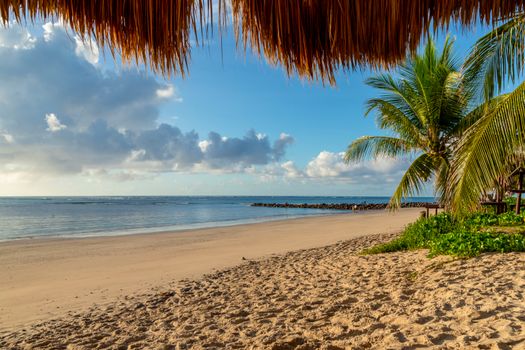
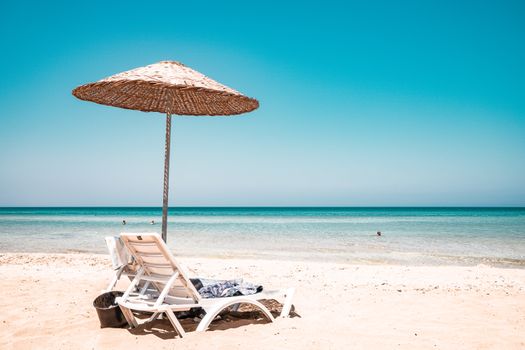
- Space: Beaches and promenades are empty, which is lovely for walks and photography.
- Local life: Fishermen, bakeries and markets are easier to see.
- Service: Staff have time to chat and recommend things.
What to check before you book
- Is the town open? Some seaside places close almost entirely from November to March. Look at recent reviews, not just listings.
- Sea temperature and weather. Many Mediterranean beaches are comfortable in late May, June and September, while October can be pleasant but changeable.
- Transport. Bus and ferry timetables shrink in winter.
- Opening hours of the sights and restaurants you want.
Places that work well in shoulder season
- Algarve, Portugal: Mild weather in April to June and in October. Hiking the Seven Hanging Valleys trail is better in spring.
- Sicily and Puglia, Italy: Warm in late spring and September, with fewer crowds.
- Croatian coast: June and September are warm and cheaper than July and August.
- Cornwall and Devon, UK: Cliff walks and surf in spring and autumn, with a chance of rain.
- Costa Rica Pacific coast: The 'green season' brings afternoon showers, lower prices and lush landscapes.
Tips
Pack layers and a waterproof jacket, choose accommodation with a good heating or cooling system, and take a book. Ask locals what is open.
Weather and opening times vary, so check ahead and keep a plan B.