The Trails Less Traveled: Unearthing Family Hiking Secrets Locals Don't Want You to Know
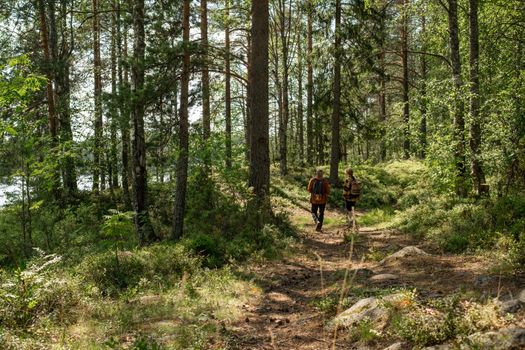
There’s a special kind of magic that happens when you hit the trail with your family. The chatter of little feet, the wonder in their eyes at a towering tree or a scurrying squirrel, the shared triumph of reaching a summit or discovering a hidden gem. My family and I live for these moments. But let’s be honest, sometimes the "popular" trails feel less like an escape and more like a human conveyor belt, right? We’ve all been there – the packed parking lots, the endless queues for that "perfect" photo op, the general hum of too many people trying to experience the same slice of nature.
That’s why, over the years, my husband, our two intrepid explorers (currently aged 7 and 10), and I have developed a bit of a knack for sniffing out the other trails. The ones that don’t make it into the glossy brochures or the top 10 lists. The trails where you might only pass a handful of people, if any, and where the payoff feels like a personal discovery, a secret whispered just to you. These are the trails locals tend to guard fiercely, for good reason – they’re often pristine, less trafficked, and offer an unparalleled connection to nature.
We've spent countless hours poring over topographic maps, chatting up park rangers (discreetly, of course!), joining local hiking forums, and sometimes, simply taking a chance on a faint path less trodden. And let me tell you, the rewards have been epic. From secluded waterfalls to ancient petroglyphs, panoramic mountain vistas to private tide pools, these family-friendly hikes offer breathtaking payoffs that will make you feel like you’ve stumbled into a postcard.
Ready to trade the crowds for quiet wonder? Here are some of our family's most cherished "secret" trails – places where the adventure is real, the beauty is unspoiled, and the memories are truly priceless.
---
1. The Emerald Grotto Trail: Pacific Northwest's Hidden Cascade
Location: Just outside Forks, Washington, tucked away in the Olympic National Forest. (Specific GPS coordinates won't be found on popular apps – it requires a bit of old-school map reading and a keen eye for a small, unmarked trailhead.)
Our journey to the Emerald Grotto began on a whim. We were exploring the Olympic Peninsula, famous for its rainforests and dramatic coastline, when a friendly local at a tiny diner mentioned a "place where the moss grows so thick, the trees glow green." Intrigued, we pressed for details, and after a bit of good-natured coaxing (and a promise to keep it pristine), he gave us vague directions to an unmarked turn-off.
The Emerald Grotto Trail itself is a relatively easy 2.5-mile roundtrip hike with minimal elevation gain, making it perfect for families with younger kids. The path winds through an ancient, moss-draped forest that truly feels enchanted. Every tree trunk, every fallen log, every rock is covered in a vibrant, velvety carpet of emerald green. Sunlight filters through the dense canopy, creating dappled patterns that dance on the forest floor. My kids were captivated, inventing stories about fairies and forest sprites around every bend.
The payoff? A stunning, multi-tiered waterfall cascading into a crystal-clear, deep green pool – the "Emerald Grotto." It’s not a massive, roaring waterfall, but its serene beauty is utterly captivating. The water is so clear you can see the smooth river rocks beneath, and the air is fresh with the scent of pine and damp earth. We spent an hour there, skipping rocks, dipping our toes (the water is chilly!), and simply soaking in the tranquility. It felt like we had discovered our own private Eden.
Why locals keep it secret: Its pristine condition and the desire to prevent overcrowding. It's a truly peaceful spot.
Tripsora Tips:
- Best time to visit: Late spring through early fall for the best weather. The forest is beautiful year-round, but can be very wet in winter.
- What to bring: Good waterproof hiking shoes (the trail can be muddy), rain gear even on a sunny day (this is the PNW!), plenty of water, and snacks. A small towel for wet feet is also a good idea.
- Kid-friendly aspect: The relatively flat terrain and the magical forest environment keep kids engaged. The waterfall at the end is a huge motivator.
- Instagram-worthy moment: The grotto itself is stunning, but don't forget the moss-covered trees along the trail. Use portrait mode for that dreamy, blurred background effect!
---
2. Whispering Sands Loop: Arizona's Ancient Red Rock Art Gallery
Location: Tucked away in a lesser-known corner of the Coconino National Forest, about an hour south of Sedona, Arizona. You'll need a good physical map and possibly a high-clearance vehicle for the last mile of dirt road.
Sedona is famous for its red rocks and vortexes, but it’s also famous for its crowds. Our family loves the unique landscape, but after one too many shoulder-to-shoulder encounters on popular trails, we started looking for alternatives. A tip from a local artist in Cottonwood led us to the Whispering Sands Loop. "It's not on the main tourist maps," he winked, "and that's the point."
This 3-mile loop trail is a moderate hike with some sandy sections and a few gentle inclines. What makes it extraordinary is its journey through a series of shallow slot canyons and rock overhangs that act as a natural gallery for ancient petroglyphs. The trail starts deceptively simply, winding through low scrub and juniper, but soon you find yourself entering a magical world of sculpted sandstone.
As we navigated the sandy floor, the kids were thrilled to discover the first petroglyphs – intricate drawings of bighorn sheep, human-like figures, and mysterious symbols etched into the rock walls by ancient peoples. It was like a treasure hunt! We spent ages exploring each alcove, imagining the lives of those who came before us. The highlight was a particularly large overhang, dubbed the "Storyteller's Cave," where dozens of figures seemed to dance across the red rock.
The "whispering sands" part of the name comes from the soft, sifting sound the wind makes as it moves through the canyons, creating an almost meditative atmosphere. The payoff here isn't a single vista, but a continuous journey through history and natural artistry, culminating in a panoramic view of the distant Mogollon Rim from an elevated plateau section.
Why locals keep it secret: To protect the fragile petroglyphs from vandalism and excessive wear, and to preserve the quiet, respectful atmosphere.
Tripsora Tips:
- Best time to visit: Early morning or late afternoon in spring and fall to avoid extreme heat. Summer can be brutally hot, so if you go, start at dawn.
- What to bring: Lots of water (more than you think you need), sun hats, sunscreen, sturdy hiking shoes (sand can be tricky), and a camera. Leave no trace – absolutely do not touch the petroglyphs.
- Kid-friendly aspect: The "treasure hunt" for petroglyphs keeps kids engaged and learning. The slot canyon sections are exciting.
- Instagram-worthy moment: The petroglyphs are incredible, but also capture the unique light and shadows playing on the red rock walls within the canyons.
---
3. Skyline Ridge Ramble: Colorado's Alpine Meadow Majesty
Location: High in the San Juan Mountains, near Silverton, Colorado, accessible via a well-maintained but unpaved forest service road that branches off the Million Dollar Highway. You'll need to know which specific road to take, as it’s not signed for this particular trail.
The Rocky Mountains are a hiker's paradise, but many of the most spectacular alpine trails are either extremely strenuous or overrun. Our family loves the high country, and after a suggestion from a seasoned local mountaineer (who swore us to secrecy over a plate of elk chili), we found the Skyline Ridge Ramble. "It's where the wildflowers truly explode," he promised, "and you might even see some rare birds."
This 4-mile out-and-back trail is moderate, with a steady but manageable incline that gains about 800 feet in elevation. The first half winds through a fragrant pine forest, but then it opens up dramatically into a series of rolling alpine meadows. And when that mountaineer said "wildflowers explode," he wasn't kidding! Carpets of purple lupine, yellow arnica, red paintbrush, and blue columbine stretched as far as the eye could see. It was like walking through a vibrant, living painting.
The payoff is the panoramic view from the "Skyline Ridge." You're standing at nearly 12,000 feet, with jagged peaks piercing the impossibly blue sky in every direction. Below, glacial valleys shimmer, and distant waterfalls gleam like silver ribbons. My kids loved spotting marmots sunbathing on rocks and hearing the shrill calls of pikas. We even saw a herd of elk grazing in a distant meadow through binoculars. It was an exhilarating feeling of being on top of the world, with only the wind for company.
Why locals keep it secret: Its delicate alpine ecosystem is easily damaged by heavy foot traffic, and the views are considered a personal sanctuary by many.
Tripsora Tips:
- Best time to visit: Mid-July to early September for peak wildflowers and the best weather. Always check avalanche forecasts in early summer.
- What to bring: Layers (weather changes rapidly at altitude), sun protection (hat, sunglasses, sunscreen), plenty of water, high-energy snacks, and binoculars for wildlife viewing. Bear spray is also a good precaution in this area. Acclimatize to the altitude if coming from sea level.
- Kid-friendly aspect: The visual feast of wildflowers and the chance to spot unique alpine wildlife keeps kids engaged. The wide-open spaces are great for letting them burn off energy (while staying on the trail!).
- Instagram-worthy moment: The endless wildflower fields are a must-capture, as are the 360-degree mountain vistas from the ridge. Try a panorama shot!
---
4. Coastal Tide Pool Trek: Oregon's Secluded Sea Treasures
Location: On a remote stretch of the Oregon Coast, just north of Pacific City, requiring a walk along a less-traveled beach access point and timing your visit with low tide. Ask a local surfer or fisherman, not a tourist office!
The Oregon Coast is undeniably stunning, but its most famous spots (Cannon Beach, Cape Kiwanda) can get incredibly crowded, especially on a sunny weekend. Our family adores tide pooling, but we craved a place where we could truly explore without feeling rushed. After a friendly chat with a seasoned surf shop owner who had "seen it all," we received directions to a truly hidden gem: a stretch of coastline reachable only by a specific beach walk at very low tide.
The Coastal Tide Pool Trek isn't a traditional "trail" in the forest sense. It's a 1.5-mile walk along a rugged, often driftwood-strewn beach, followed by an exploration of a spectacular series of rocky outcroppings that reveal themselves at low tide. The walk itself is an adventure, with crashing waves and the salty scent of the ocean. My kids loved collecting interesting shells and smoothed pieces of sea glass along the way.
The payoff, however, is truly astounding. As the tide recedes, it exposes a labyrinth of vibrant tide pools teeming with life. We saw gigantic purple and orange starfish, anemones blooming like underwater flowers, scuttling crabs, and tiny fish darting through the clear water. Unlike more accessible tide pools, these felt untouched. We spent hours marveling at the biodiversity, carefully observing without disturbing anything. We even discovered a small sea cave, its interior echoing with the sounds of the ocean – a truly magical, secret hideout.
Why locals keep it secret: To protect the fragile marine ecosystem from over-collection and disturbance, and to preserve the wild, natural feel of the beach.
Tripsora Tips:
- Best time to visit: Crucially, check the tide charts and plan your visit for the lowest tide of the day. You need at least 1.5-2 hours before and after low tide to safely access and explore. Go in late spring or summer for generally milder weather.
- What to bring: Waterproof boots or sturdy sandals that can get wet, rain gear (the coast is unpredictable), a small bucket for shell collecting (only empty shells, please!), a magnifying glass for closer tide pool observation, and plenty of snacks/water.
- Kid-friendly aspect: The "treasure hunt" of finding sea creatures and the sheer wonder of the tide pools are incredibly engaging. The beach walk itself is a fun adventure.
- Instagram-worthy moment: Close-ups of colorful starfish and anemones, wide shots of the rugged coastline and sea caves, and candid photos of your kids marveling at marine life.
---
5. Maple Hollow Ascent: Vermont's Autumnal Sugarbush Secret
Location: Deep in the Green Mountains of Vermont, a few miles off a scenic byway near Rochester. The trailhead is a small, gravel pull-off next to an old, weathered sugar shack, recognizable only by a faded "Maple Hollow" sign.
Vermont in the fall is a kaleidoscope of color, attracting leaf-peepers from all over the world. While beautiful, the main scenic drives and trails can become quite congested. Our family loves the crisp air and vibrant foliage, so we sought out a quieter experience. A tip from a local farmer, whose family had tapped trees in the area for generations, led us to the Maple Hollow Ascent. "It's where the best syrup comes from," he said, "and the views are just as sweet."
This 3-mile loop trail is a moderate climb, gaining about 700 feet, but the incline is gradual and interspersed with flatter sections. The path winds through a dense maple forest, where in autumn, the leaves blaze in fiery reds, oranges, and yellows. It’s an immersive experience – the crunch of leaves underfoot, the sweet scent of decaying wood, and the occasional drip of sap from a tap line (if you go in early spring!). My kids loved trying to identify different types of maple trees and collecting the most colorful leaves.
The payoff is twofold. First, you pass by an active, historic sugar shack (often operational in early spring, but charming year-round), where you might get a glimpse into the maple syrup production process. Second, the trail culminates in a small, rocky outcropping known as "Sugarloaf Vista." From here, you have a breathtaking panoramic view of the rolling Green Mountains, a tapestry of autumn color stretching to the horizon. It's a truly quintessential New England scene, without the crowds.
Why locals keep it secret: It’s a working sugarbush and a private, beloved spot for generations of local families to enjoy the fall foliage in peace.
Tripsora Tips:
- Best time to visit: Early to mid-October for peak fall foliage. Late April/early May if you want to experience "sugaring season" (though the views won't be as vibrant).
- What to bring: Layered clothing (fall mornings can be chilly, afternoons mild), sturdy hiking boots, water, and snacks. A small bag for collecting leaves is a hit with kids.
- Kid-friendly aspect: The vibrant colors and the sensory experience of walking through fall leaves are captivating. The sugar shack adds an educational element.
- Instagram-worthy moment: The "Sugarloaf Vista" panorama is stunning, but also capture the intimate moments of walking through the colorful maple forest.
---
6. Sunken Forest Path: North Carolina's Outer Banks Ghostly Dunes
Location: On Hatteras Island, Outer Banks, North Carolina, accessible from a specific, unmarked beach access point on the sound side, rather than the ocean side. You'll need local knowledge about tides and sand conditions.
The Outer Banks are famous for their vast, windswept beaches and iconic lighthouses. But dig a little deeper, and you’ll find a different kind of magic. We were on a family vacation, seeking something beyond the usual beach day, when a seasoned local surf fisherman, sharing his catch with us, mentioned a "ghostly forest" that emerged from the dunes. "It's where the old world meets the new," he mused.
The Sunken Forest Path isn't a marked trail in the traditional sense, but rather a unique natural phenomenon that requires a short, moderate walk across shifting sand dunes. The "path" itself is dynamic, changing with the winds and tides. The journey starts with a walk across soft, rolling dunes – challenging but fun for kids, who love to tumble down the sandy slopes.
The payoff is an otherworldly landscape: a "sunken forest" of ancient, gnarled trees, many of them "ghost trees" – petrified or partially buried remains of a maritime forest that was long ago engulfed by shifting sands and rising sea levels. These skeletal trees, some centuries old, stand starkly against the sky, creating a hauntingly beautiful scene. It's a stark reminder of nature's power and the ever-changing landscape of the Outer Banks. Beyond the ghost trees, a short scramble over a final dune reveals a secluded, pristine stretch of the Pamlico Sound, perfect for quiet contemplation or a unique picnic spot.
Why locals keep it secret: The fragile dune ecosystem is easily disturbed, and the unique, quiet beauty of the sunken forest is a cherished local treasure.
Tripsora Tips:
- Best time to visit: Early morning or late afternoon in spring or fall. Summer can be very hot on the open dunes, and insects can be an issue. Always check local conditions for sand, wind, and potential insect activity.
- What to bring: Plenty of water, sun hats, sunscreen, insect repellent, and sturdy, closed-toe shoes (sand can be hot and there might be thorny plants). A light jacket for breezy conditions.
- Kid-friendly aspect: The adventure of walking across dunes and the fascinating, ghostly trees spark imagination. The secluded sound-side beach is a peaceful reward.
- Instagram-worthy moment: The eerie beauty of the ghost trees, especially at sunrise or sunset, makes for incredibly dramatic and unique photos. Capture the stark contrast of the skeletal trees against the sky.
---
General Tips for Unearthing Your Own "Secret" Trails (and Keeping Them Secret!)
Finding these hidden gems isn't just about luck; it's about a mindset of respectful exploration. Here’s how you can embark on your own family adventures to discover trails locals don't want tourists to know:
- Befriend the Locals (Respectfully!): This is key. Visit local coffee shops, diners, or small-town general stores. Strike up genuine conversations. Ask about their favorite quiet spots, not necessarily tourist attractions. Be humble and express your appreciation for nature. Often, if they trust you'll respect the place, they'll share a little secret.
- Go Off-Season or Off-Peak: Even popular parks have quiet corners if you visit during the shoulder seasons (spring/fall) or on weekdays. Early mornings are almost always less crowded.
- Consult Topographic Maps: Forget Google Maps for a bit. Old-school paper topo maps often show faint trails, fire roads, or access points that aren't on popular hiking apps. Cross-reference with satellite imagery.
- Join Local Hiking Forums/Groups (Discreetly): Look for local hiking clubs or online forums. Read between the lines. Sometimes people will describe a place without giving exact coordinates, hinting at its magic for those willing to research. Again, be respectful and don't immediately ask for "secret spots."
- Embrace the Journey: Sometimes the payoff isn't just a grand vista, but the joy of the walk itself, the quiet moments, or the unexpected wildlife encounter.
- Practice "Leave No Trace": This is paramount for these sensitive, less-trafficked areas. Pack out everything you pack in (and then some!). Stay on established paths (even if faint). Do not disturb wildlife or natural features. If you find a secret spot, treat it with the utmost respect.
- Prepare for Anything: Since these trails are often less maintained, be extra prepared. Carry a physical map, compass/GPS, first-aid kit, plenty of water, extra layers, and tell someone your itinerary.
Essential Family Hiking Gear Checklist:
- Backpacks: One for each adult, maybe a small one for older kids to carry their own water/snacks.
- Water Bottles/Hydration Bladders: Crucial! Always carry more than you think you need.
- Snacks: High-energy, non-perishable options like trail mix, fruit, granola bars.
- First-Aid Kit: Band-Aids, antiseptic wipes, pain relievers, blister treatment, any personal medications.
- Navigation: Physical map, compass, fully charged phone with downloaded offline maps (and a power bank).
- Sun Protection: Hats, sunglasses, sunscreen.
- Layers: Weather can change quickly, especially in mountains or coastal areas.
- Appropriate Footwear: Sturdy hiking shoes or boots with good ankle support.
- Rain Gear: Lightweight rain jackets/pants.
- Insect Repellent: Depending on the season and location.
- Whistle: For emergencies, especially with kids.
- Small Trash Bag: To pack out all your waste.
The True Payoff: Beyond the View
These "secret" trails offer more than just an epic view or a stunning waterfall. They offer a chance to truly connect with nature, to teach your children the value of exploration and respect for the environment, and to create unforgettable family memories away from the noise and distractions of everyday life. The thrill of discovery, the quiet moments of wonder, and the shared sense of accomplishment – these are the true payoffs that keep us coming back for more.
So, next time you're planning a family adventure, consider looking beyond the obvious. With a little research, a lot of respect, and an open mind, you too can unearth the hidden wonders that locals cherish. Who knows what incredible secrets await your family on the trails less traveled?
What's your family's favorite hidden gem? Share your stories (or hints!) with us using #TripsoraSecrets and inspire other adventurers! Happy trails!