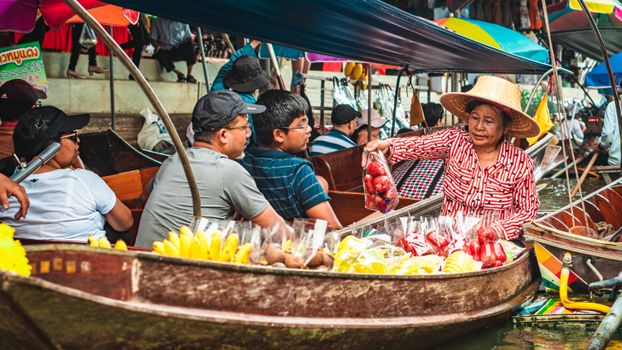
Uncover the World's Secret Fruits Locals Hide From Tourists
There’s a silent pact among seasoned travelers, a knowing nod that says: the best experiences aren't found in guidebooks. They're whispered over cups of street coffee, pointed out by a friendly market vendor, or discovered by sheer, delightful accident. I once thought I knew tropical fruits. Mangoes, papayas, bananas – I'd sampled them all, from bustling Bangkok markets to serene Caribbean beaches. Then, on a sweltering afternoon in a tiny village in the Yucatán, an elderly woman pressed a soft, dark-skinned fruit into my hand. "Zapote negro," she murmured, with a twinkle in her eye, "like chocolate, but from the earth." My first bite was a revelation. It was soft, subtly sweet, and uncannily similar to chocolate pudding. It wasn't just a fruit; it was an invitation into a secret world.
That moment ignited a new passion: hunting down the unusual fruits, the hyper-local delicacies that rarely make it to international supermarkets, sometimes because they're too delicate to transport, often because their season is fleeting, and occasionally, because locals simply prefer to keep these treasures to themselves. It’s not a malicious secret, mind you, but rather a quiet appreciation for something unique, something that connects them directly to their land and culture. And trust me, these are the culinary adventures that will truly deepen your travel experience, leaving you with stories far richer than any postcard.
Forget the common contenders. We’re about to dive into the truly extraordinary, the fruits that will make your taste buds sing and your Instagram followers green with envy. Are you ready to go beyond the banana?
1. The Trunk-Bearing Jewels of Brazil: Jabuticaba
Imagine a tree whose trunk and branches are absolutely plastered with fat, dark purple grapes. That’s the surreal sight of a Jabuticaba tree in full fruit. Native to Brazil, particularly the states of Minas Gerais and São Paulo, the Jabuticaba (pronounced jah-boo-tee-KAH-bah) is a marvel of nature and a local obsession.
What makes it special? Its unique growth habit (cauliflory) is just the beginning. The fruit itself is a small, round, intensely purple berry, resembling an oversized grape. Its skin is slightly tough, but inside, it bursts with a translucent, sweet, slightly acidic pulp. It’s like a super-grape, but with an earthy, almost floral undertone.
Why locals keep it "secret": Jabuticaba is incredibly perishable. Once picked, it begins to ferment within days, making it nearly impossible to export fresh. This means if you want to experience Jabuticaba at its best, you have to go to Brazil, and you have to be there during its short season (typically late spring to early summer, though some varieties fruit multiple times a year). Locals savor it fresh, straight off the tree, or transform it into delectable jams, jellies, and even artisanal liqueurs. They know the fleeting joy of its season and guard it fiercely.
My Jabuticaba Moment: I first encountered Jabuticaba during a trip to a small fazenda (farm) in Minas Gerais. Our host, Dona Maria, led us to a tree that looked like it had been attacked by purple polka dots. She plucked a handful, rinsed them under a tap, and offered them. The sensation of popping the juicy fruit in my mouth, the sweet-tart explosion, and the subtle chew of the skin was unlike anything I’d tasted. We spent the afternoon harvesting buckets, later helping her make a batch of the most incredible Jabuticaba jam I've ever had. It was simple, pure, and utterly Brazilian.
How to find it: Your best bet is to visit local farmers' markets (feiras livres) in Minas Gerais or São Paulo during its season. Look for small, independent vendors. If you’re lucky enough to be invited to a local home with a Jabuticaba tree, don't hesitate! Prices are usually very affordable, around R$5-10 ($1-2 USD) per kilo in season.
2. Indonesia's Scaly Sweetheart: Salak Pondoh
From the verdant landscapes of Java, Indonesia, comes a fruit that looks like it belongs in a dragon's hoard: Salak, or "snake fruit," named for its reddish-brown, scaly skin. While Salak is fairly common across Southeast Asia, there’s a specific variety from Yogyakarta, Java, that stands head and shoulders above the rest: the Salak Pondoh.
What makes it special? Unlike some of its bland, watery cousins, Salak Pondoh is a true culinary delight. Peel back its reptilian skin (carefully, it can be a bit prickly!), and you'll find three yellowish-white lobes of firm, crunchy flesh. The taste is a complex symphony: sweet, subtly acidic, with notes of apple, pineapple, and a hint of nuttiness. It has a satisfying crunch that makes it incredibly addictive.
Why locals keep it "secret": The magic lies in identifying the perfect Salak Pondoh. Locals know how to pick the ones that are perfectly ripe – not too soft, not too hard, ensuring that signature crunch and balanced flavor. Tourists often encounter inferior varieties or unripe ones, leaving them underwhelmed. The Pondoh variety is cultivated with pride in specific regions around Yogyakarta, and while available, locals have their preferred vendors and methods for selecting the best.
My Salak Pondoh Discovery: My introduction to Salak Pondoh happened in Yogyakarta's bustling Pasar Beringharjo market. I'd tried Salak before and found it... okay. But a friendly vendor, noticing my hesitation, insisted I try "Pondoh." She taught me to look for fruits that were firm but yielded slightly to pressure, with a vibrant reddish hue. The first bite was a revelation – crisp, sweet, and bursting with flavor. I spent the next hour just munching on them, buying a huge bag for about IDR 10,000-15,000 ($0.60-1 USD) that lasted me days. It truly changed my perception of snake fruit entirely.
How to find it: Head to local markets in Yogyakarta, such as Pasar Beringharjo. Ask specifically for "Salak Pondoh." Don't be shy about asking the vendors for their recommendations on ripeness. They'll appreciate your interest in their local specialty.
3. Mexico's Dessert Disguise: Black Sapote
Prepare to have your mind (and taste buds) blown by a fruit that defies all expectations. Hailing from Mexico and Central America, the Black Sapote (or Diospyros nigra) is often dubbed the "chocolate pudding fruit." And for good reason.
What makes it special? On the outside, it looks like a rather unassuming, unripe green persimmon. But wait until it's perfectly ripe! The skin turns dark, almost black, and the fruit becomes incredibly soft. Slice it open, and you'll be greeted by a jet-black, glossy pulp that genuinely resembles chocolate pudding. The taste is mild, subtly sweet, earthy, and yes, surprisingly similar to a non-sweetened chocolate pudding, especially when enhanced with a squeeze of lime juice.
Why locals keep it "secret": This fruit is a master of disguise. Its unappealing exterior when ripe often means tourists overlook it in favor of more vibrant tropical fruits. Also, its soft, delicate nature means it doesn’t travel well. Locals, however, know its dessert potential. They'll scoop it out and eat it plain, blend it into refreshing shakes with milk and a touch of vanilla, or serve it with a crucial squeeze of lime, which really amplifies its "chocolate" notes. It’s a fruit that requires insider knowledge to truly appreciate.
My Black Sapote Revelation: My first encounter with Black Sapote was the one that started this whole fruit-hunting obsession. In a small market outside Mérida, Yucatán, a vendor pointed to a pile of what looked like bruised, overripe green fruits. "Zapote negro," she said, sensing my curiosity. I bought one for about MXN 10 ($0.50 USD), skeptical. Back at my guesthouse, I sliced it open to reveal the dark, creamy interior. It looked exactly like chocolate. The taste was subtle, but with a squeeze of lime, it transformed. I blended the rest with a little milk and ice – pure, healthy chocolate milkshake magic! It was unlike any fruit experience I'd had.
How to find it: Look for very soft, almost squishy green fruits in local markets across the Yucatán Peninsula, Veracruz, and other tropical regions of Mexico. Ask vendors for "zapote negro." Don't be deterred by its appearance; the uglier it looks on the outside, the riper and more delicious it usually is on the inside.
4. Borneo's Fragrant Enigma: Marang
If you're exploring the lush rainforests and vibrant cultures of Borneo (Malaysian states of Sabah and Sarawak, or parts of Mindanao in the Philippines), keep an eye out for a spiky, round fruit that’s a cousin to both the infamous durian and the mighty jackfruit, yet possesses a charm all its own: the Marang.
What makes it special? The Marang (Artocarpus odoratissimus) is a medium-sized fruit, covered in soft, blunt spikes that are easy to peel. Inside, it’s packed with creamy white segments of flesh, each encasing a seed. The aroma is distinct – sweet, musky, and highly fragrant, but significantly less pungent than durian, often described as a mix of pineapple, banana, and lychee. The taste is profoundly sweet, custardy, and incredibly rich.
Why locals keep it "secret": Marang is notoriously delicate and has an extremely short shelf life, often needing to be consumed within a day or two of ripening. This makes it almost impossible to export. Its intense aroma, while pleasant to many, also means it's usually eaten outdoors or in well-ventilated areas. Locals in Borneo cherish its fleeting season (typically July to September), often gathering for "marang parties" to enjoy the bounty fresh. It's a fruit that embodies the ephemeral nature of tropical abundance.
My Marang Adventure: I first encountered Marang on a road trip through Sabah, Malaysian Borneo. We stopped at a roadside stall where a family was selling these spiky wonders. The air was thick with its sweet perfume. For about MYR 5-10 ($1-2 USD) per fruit, we bought one. The vendor expertly peeled it, revealing the pristine white segments. The taste was heavenly – sweet, creamy, almost like a tropical meringue. It was a communal experience; we shared it right there, sticky fingers and all, watching the world go by. It was a moment of pure, unadulterated tropical joy.
How to find it: Marang is highly seasonal. During its peak season (roughly July to September), look for roadside stalls in rural areas of Sabah and Sarawak. You might also find it in dedicated fruit sections of larger local markets in cities like Kota Kinabalu or Kuching. Don't hesitate to ask locals when "musim marang" (marang season) is.
5. The Andes' Custard Dream: Cherimoya
Journey high into the Andean mountains of Peru, Ecuador, and Bolivia, and you might stumble upon a fruit that Mark Twain famously declared "the most delicious fruit known to men": the Cherimoya (Annona cherimola).
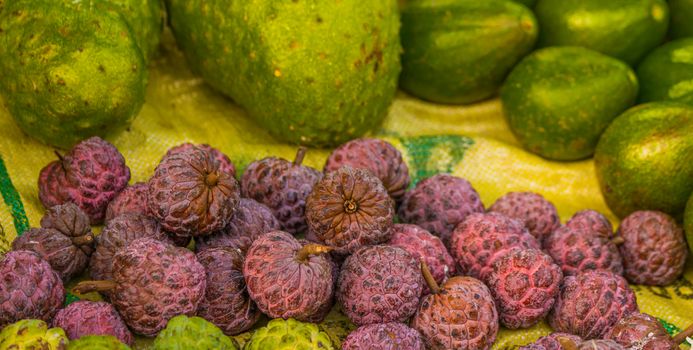
What makes it special? The Cherimoya is a heart-shaped, green fruit with a distinctive bumpy skin. Inside, it boasts a creamy, white, fragrant pulp studded with large, glossy black seeds. Its flavor is a complex, heavenly blend – often described as a mix of pineapple, banana, mango, strawberry, and even a hint of bubblegum. It’s incredibly sweet, smooth, and melts in your mouth like a custard.
Why locals keep it "secret": Cherimoya is incredibly delicate when ripe, bruising easily and having a relatively short window of perfection. Its large, inedible seeds also require a bit of finesse to eat around. Locals in the Andes know exactly how to handle and identify a perfectly ripe cherimoya (soft to the touch, skin slightly darkening) and how to best enjoy its creamy texture, often chilling it before eating or blending it into refreshing sorbets. It's a fruit that demands gentle appreciation and local knowledge.
My Cherimoya Encounter: In the vibrant San Pedro Market in Cusco, Peru, I spotted these intriguing green fruits. I bought one for about PEN 8-15 ($2-4 USD), quite a bit more than other fruits, but its reputation preceded it. A kind market lady, seeing my curious but clumsy attempts to peel it, took it from me. "Así no, mi amor," she chuckled, gently showing me how to slice it in half, then scoop out the pristine white flesh with a spoon, carefully avoiding the seeds. The taste was truly ethereal – a burst of tropical sweetness, creamy and smooth, a perfect antidote to the high-altitude chill. It was a dessert straight from nature.
How to find it: Visit high-altitude markets in cities like Cusco, Arequipa (Peru), or Quito (Ecuador). Look for vendors selling "chirimoya." Ask them to help you select a ripe one, and don't be afraid to ask for tips on how to eat it properly.
Practical Tips for the Aspiring Fruit Hunter
So, you're ready to embark on your own secret fruit quest? Here's how to maximize your chances of discovering these elusive culinary gems:
- Go Local, Go Early: Skip the tourist traps. Head straight for the local farmers' markets (mercados, ferias livres, pasar). The earlier you go, the better the selection and the more likely you are to find unique produce before it sells out.
- Ask, Ask, Ask: Don't be shy! Point to a fruit you don't recognize and ask the vendor: "What is this? How do you eat it? Is it ripe? Is it seasonal?" Most locals are thrilled to share their knowledge, especially when they see genuine curiosity.
- Learn Key Phrases: A few simple phrases in the local language can go a long way. "Fruta local" (local fruit), "¿Cómo se come?" (How do you eat it?), "¿Está maduro?" (Is it ripe?), "Gracias" (Thank you).
- Embrace Imperfection: The most delicious fruits often aren't the prettiest. Don't judge a fruit by its skin; sometimes the slightly bruised or oddly shaped ones are the ripest and tastiest.
- Carry a Knife, Spoon, and Wet Wipes: Be prepared for an impromptu fruit feast! A small paring knife (check airport security rules!), a spoon, and some wet wipes are essential for on-the-go tasting.
- Trust Your Senses: Smell the fruit. Feel its weight and texture. A ripe fruit often has a pleasant aroma and a slight give when gently pressed.
- Be Patient and Persistent: Some fruits are highly seasonal. You might not find them on your first attempt, but keep looking and asking. The reward is worth the effort.
- Respect Local Customs: Don't haggle aggressively. Appreciate the local farmers and their produce. A friendly smile and genuine interest go a long way.
- Capture the Moment: These fruits are often visually stunning. Take photos! Share your discoveries, but remember the story behind them.
Unlock a World of Flavor
My journey into the world of secret fruits has taught me that travel isn't just about seeing new places; it's about tasting new worlds. It's about connecting with cultures on a deeper level, one delicious, unusual bite at a time. These fruits aren't just food; they're stories, traditions, and a testament to the incredible biodiversity of our planet. They offer a unique window into local life, a shared secret that forges an instant connection.
So, on your next adventure, ditch the predictable. Venture beyond the tourist menus and into the bustling local markets. Seek out the strange, the wonderful, the "secret" fruits that locals cherish. You might just discover your new favorite flavor, a story to tell for years, and a deeper appreciation for the rich tapestry of our world.
What's your hidden fruit discovery? Have you stumbled upon a local delicacy that tourists rarely know about? Share your adventures and tantalizing tales in the comments below, or tag us on social media using #TripsoraFruitSecrets and let's inspire each other to taste the unknown!
---