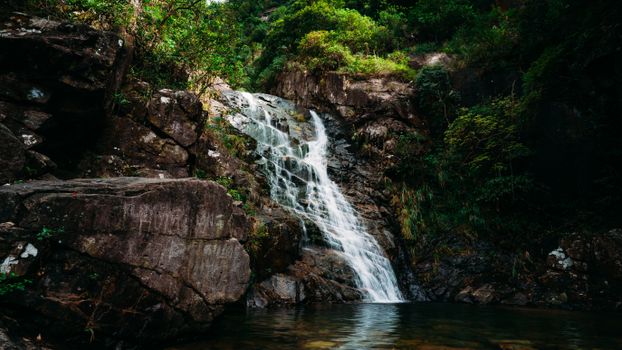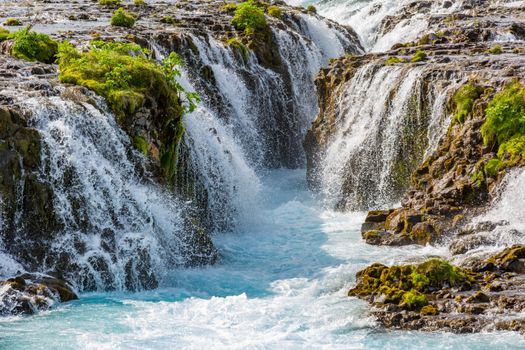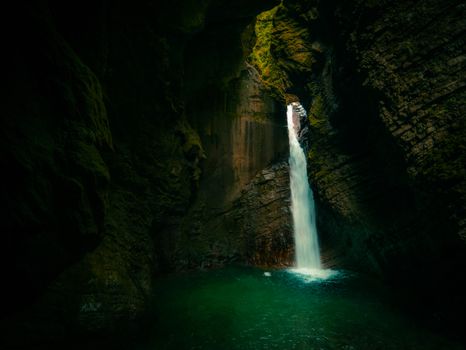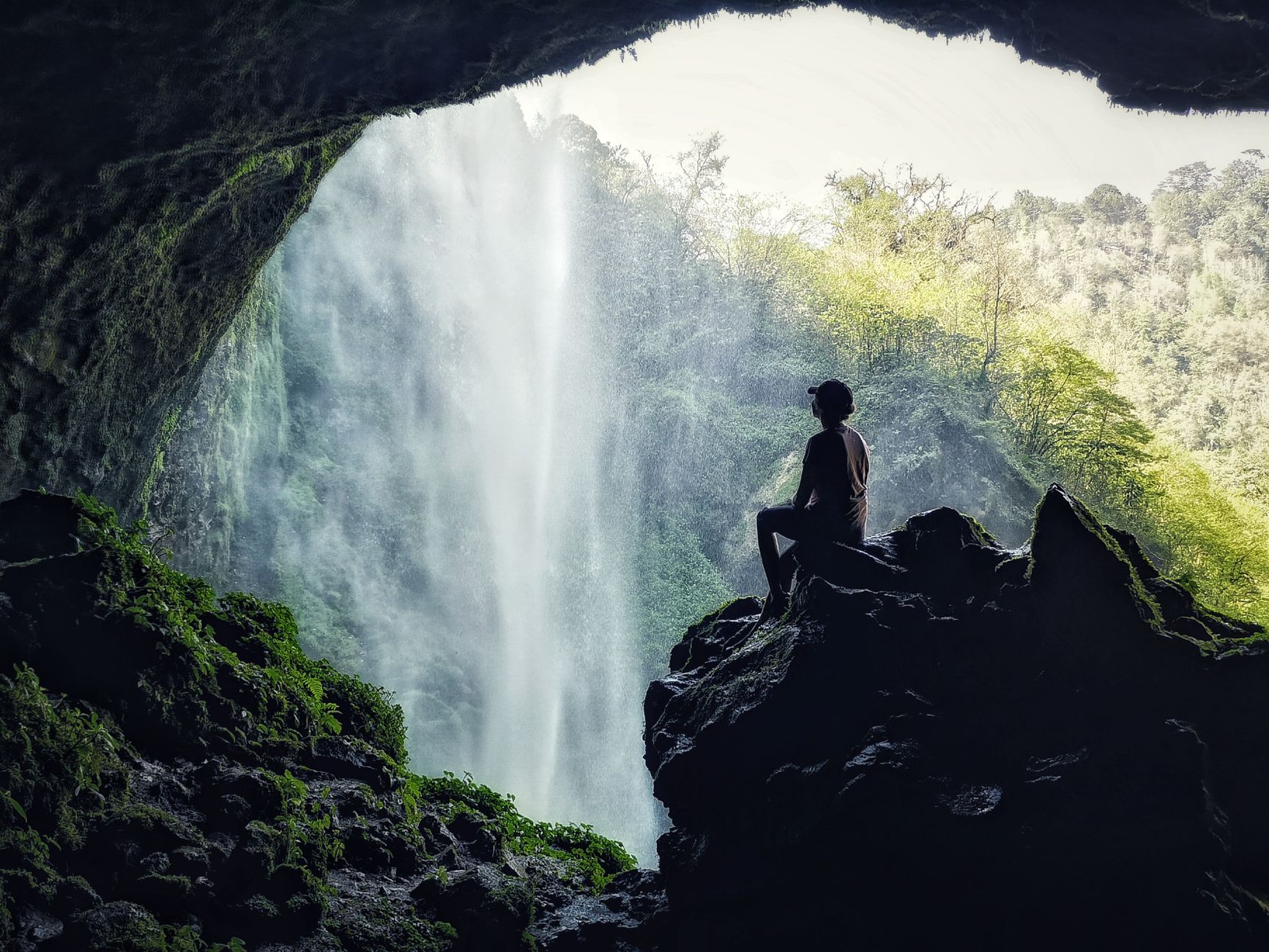
The spray kissed my face, cool and invigorating, carrying the scent of damp earth and ancient moss. Before me, a torrent of water cascaded down a sheer rock face, plunging into a pool of startling emerald green. Sunlight, filtered through a dense canopy of trees, dappled the surface, making it shimmer like a scattered treasure. There was no one else there. Just me, the roaring water, and the symphony of the jungle. This wasn't a postcard-perfect, geotagged spot you'd find on Instagram's explore page. This was a secret, whispered only among a handful of locals, a place I had stumbled upon after days of patient exploration and respectful inquiry. This, my friends, is the magic of the hidden waterfall – a natural wonder so profound, so untouched, that its very existence feels like a sacred trust.
As a travel blogger for Tripsora, I've chased sunsets in Santorini, scaled peaks in Patagonia, and wandered ancient ruins in Rome. But nothing, absolutely nothing, compares to the thrill of discovering a slice of paradise that the world hasn't yet claimed. These aren't just waterfalls; they're portals to a different reality, places where time slows, and the raw power of nature humbles and rejuvenates you. And yes, they’re the places locals often prefer to keep to themselves – and for good reason. Mass tourism can destroy the very magic it seeks. But with the right approach, a respectful heart, and a spirit of true adventure, you too can unlock some of these guarded secrets.
The Allure of the Unseen: Why Seek the Quiet Roar?
Why bother with the arduous treks, the uncertain directions, and the careful navigation when popular waterfalls like Niagara or Iguazu offer guaranteed spectacle? The answer lies in the experience.
Firstly, it's about solitude. Imagine floating in a crystal-clear pool, the only sound the rush of water and the chirping of unseen birds. No selfie sticks, no jostling crowds, just pure, unadulterated communion with nature. This solitude allows for introspection, a deep connection to the environment, and a profound sense of peace often lost in our hyper-connected world.
Secondly, it's about authenticity. These hidden gems often exist within vibrant local communities, far from the tourist-centric infrastructure. Your journey to find them might involve riding local transport, eating at roadside stalls, and interacting with villagers whose lives are largely untouched by global tourism. This offers a richer, more genuine cultural exchange than any resort could provide.
Finally, it’s about the thrill of discovery. There’s an undeniable satisfaction in earning your reward. The challenge of the hike, the uncertainty of the path, the moment of revelation when the waterfall finally appears – these are moments etched into your memory, far more vivid than any easily accessible sight. It's an adventure, a quest, and a testament to your own intrepid spirit.
The Art of Discovery: How to Uncover Nature's Best-Kept Secrets
Finding these elusive cascades isn't about Googling "secret waterfalls." It requires a blend of research, intuition, and most importantly, respect.
- Go Local, Go Deep: Start by looking at regions known for their natural beauty but without major tourist infrastructure. Think lesser-known national parks, remote mountain ranges, or deep jungle areas. Consult local hiking forums (often in the native language), obscure travel blogs, or even old guidebooks that might predate mass tourism.
- Offline Maps are Your Best Friend: Download detailed topographical maps (like those from Gaia GPS, AllTrails Pro, or local mapping apps) of your target region before you lose signal. Look for blue lines indicating rivers and streams, especially where they intersect with sharp elevation changes. These are potential waterfall locations. Satellite imagery can also reveal clearings or distinct rock formations.
- Befriend the Locals (Respectfully): This is the most delicate part. Locals guard their secrets fiercely, and for good reason. Don't march into a village demanding to know "where the secret waterfall is." Instead, immerse yourself. Stay at a local guesthouse, eat at a family-run restaurant, hire a local guide for a different activity. Over time, build rapport. Express your love for nature, your respect for their culture, and your desire to see the "true beauty" of their land. Sometimes, a genuine connection will lead to a whispered suggestion, a vague direction, or even an offer to guide you. Be prepared to pay fairly for their time and knowledge.
- Embrace the Detour: Sometimes, the best discoveries are made when you let go of your itinerary. Take that unassuming dirt road, follow a faint trail that seems to lead nowhere, or simply explore the course of a river upstream. My most incredible discoveries have often been accidental, born from a willingness to wander.
- Learn Basic Phrases: A simple "Hello," "Thank you," and "May I ask about a beautiful place to see nature?" in the local language can open doors that English never could. It shows effort and respect.
Respecting the Secret: The Unwritten Code of the Explorer
Finding a hidden waterfall is only half the journey; preserving its magic is the other. Remember, the reason these places remain pristine is because they haven't been overrun.
- Leave No Trace: This is paramount. Pack out everything you pack in. Don't leave so much as a banana peel. Stay on established paths (if they exist) to avoid trampling vegetation. Do not disturb wildlife. Do not carve your initials. Leave the place better than you found it.
- Keep It Quiet (Literally and Figuratively): When you're there, enjoy the silence. Speak softly. If you encounter others, offer a quiet nod of acknowledgment, not a boisterous greeting. More importantly, resist the urge to geotag the exact location on social media. Share the beauty, share the story of your journey, but protect the precise coordinates. Use vague descriptions or broader regional tags.
- Support Local, Discreetly: If you hire a local guide or buy supplies from a village, do so fairly and respectfully. Don't haggle aggressively. Your presence should be a benefit, not a burden.
- Safety First: These are wild, untamed places. Check weather forecasts, carry sufficient water and snacks, a first-aid kit, and know your limits. Inform someone of your plans and expected return time. Be wary of slippery rocks, strong currents, and unpredictable wildlife.
My Top (Carefully Revealed) Hidden Gems: A Glimpse into the Untouched
While I can't give you exact coordinates (that would betray the very principle of this post!), I can paint a picture of some of the most enchanting hidden waterfalls I've been privileged to discover. Think of these as archetypes, places to inspire your own quest.
1. The Emerald Veil (Southeast Asia - Inspired)
- Location Type: Deep within a remote, mountainous jungle region, requiring a multi-day trek and a local guide.
- The Experience: Picture this: after days of navigating dense foliage, crossing shallow rivers, and sleeping in hammocks, the jungle suddenly opens up. A colossal limestone cliff face, shrouded in vibrant green moss and hanging vines, reveals a multi-tiered waterfall. The main drop is a powerful, shimmering curtain, but smaller cascades spill into a series of interconnected, naturally carved pools, each a different shade of emerald or sapphire. The air is thick with the scent of orchids, and the only sounds are the roar of the water and the distant calls of exotic birds. I remember spending an entire afternoon just floating in one of the lower pools, the water cool against my skin, feeling utterly detached from the outside world. This place felt ancient, sacred, like a secret garden known only to spirits.
- Practical Tip: You must hire a local guide from the nearest village. Not only for navigation but also for cultural understanding and safety. Expect to pay around $50-70 USD per day for a guide, plus food and lodging for the trek duration. Pack light but bring a water purification system.
2. Whisperfall Grotto (Mediterranean Coast - Inspired)
- Location Type: Tucked away in a secluded coastal cove, accessible only by a challenging hike along a cliffside trail or a small, rented boat.
- The Experience: Imagine a rugged coastline, sun-baked rocks, and the deep blue of the Mediterranean. After a precarious scramble down a goat path, you round a bend and discover a hidden grotto. A slender, delicate waterfall, almost a 'whisper' rather than a roar, tumbles from a fissure high above, splashing into a perfectly clear, turquoise pool enclosed by smooth, ancient rock. The grotto is open to the sky, but the surrounding cliffs create a natural amphitheater, amplifying the gentle splash. The water is cool and refreshing, a stark contrast to the hot sun outside. It's not about power here, but about serene beauty and an almost magical intimacy. I spent hours here, swimming, sunbathing on the warm rocks, and feeling like I’d stepped into a scene from an ancient myth.
- Practical Tip: Access can be tricky. Look for small, family-run boat rentals in nearby fishing villages. They often know these spots but might be hesitant to share with just any tourist. A respectful request and a fair price usually work. Wear sturdy shoes for the hike, even if you plan to boat in, as the landing can be rocky.
3. Sky Mirror Falls (North American Mountains - Inspired)
- Location Type: High in a remote alpine wilderness, requiring a strenuous, multi-day backpacking trip above the tree line.
- The Experience: This isn't a jungle waterfall; it's a testament to glacial power. After two days of ascending through pine forests and then across stark, rocky terrain, the air thin and crisp, you crest a ridge. Below, a pristine, almost perfectly still alpine lake reflects the sky like a mirror. At its far end, a powerful, silvery waterfall plunges from a higher glacial basin, its roar echoing across the vast, open landscape. The water is icy cold, fed by snowmelt, and the surrounding peaks stand guard like ancient sentinels. The sheer scale and raw, untamed beauty are overwhelming. The lack of vegetation and the starkness make it feel like another planet. I remember dipping my hands into the frigid water, the cold biting but invigorating, feeling utterly insignificant yet profoundly alive in the face of such grandeur.
- Practical Tip: This requires serious backpacking experience, wilderness navigation skills, and appropriate gear for alpine conditions (layers, waterproofs, bear canister). Always check trail conditions and obtain any necessary permits before you go. Leave no trace is absolutely critical in such fragile ecosystems.
4. Serpent's Cascade (South American Jungle - Inspired)
- Location Type: Deep within a lesser-known section of the Amazon basin, accessible via riverboat and then a challenging hike through dense rainforest.
- The Experience: The air is humid, alive with the buzz of insects and the calls of unseen creatures. After a long, winding journey by dugout canoe, followed by a sweat-soaked trek guided by an indigenous tracker, you arrive. The waterfall isn't a single drop but a series of powerful, twisting cascades that snake their way down a massive, moss-covered rock face, resembling a giant serpent writhing down the mountain. The water is a deep, tea-stained brown, carrying the rich nutrients of the rainforest, but the power is undeniable. The spray creates a perpetual mist, nourishing a vibrant ecosystem of ferns and bromeliads. It feels primordial, a place where the jungle truly reigns supreme. The sound is deafening, a visceral reminder of nature's raw force. My guide told me stories of spirits inhabiting the falls, and I could feel the energy.
- Practical Tip: This is not a solo adventure. You absolutely need an experienced local guide from an indigenous community. This is about respecting their land and knowledge. Be prepared for intense humidity, insects, and potentially challenging terrain. Support the community directly by arranging your trip through them.
5. Oasis Tears (Arid Desert Region - Inspired)
- Location Type: A surprising find in a remote, arid landscape, often within a canyon or wadi, requiring a 4x4 vehicle and a short hike.
- The Experience: After hours of driving through a seemingly endless expanse of sand dunes and rocky plateaus, the landscape suddenly changes. A deep canyon cuts through the desert floor, and as you descend, the temperature drops, and the air becomes cooler. Then, amidst the ochre and terracotta hues, a splash of vibrant green emerges. A small, delicate waterfall, formed by a perennial spring, tumbles into a series of emerald pools. It's a miracle of nature, a secret garden hidden in the harsh desert. The water is impossibly clear and cool, a stark contrast to the scorching sun above. Date palms and other desert flora thrive here, creating a tiny, self-contained ecosystem. It's a place of profound peace and unexpected beauty, a testament to life's persistence. I remember the absolute shock and joy of finding this tiny Eden after so much barrenness.
- Practical Tip: A reliable 4x4 vehicle is essential. Always travel with enough water, emergency supplies, and a satellite phone or GPS device as cell service will be non-existent. Inform local authorities or your accommodation of your route. Respect the fragile ecosystem of the oasis – do not disturb the plants or animals.
Gear Up for the Quest: Your Essential Packing List
To truly enjoy these hidden gems, you need to be prepared.
- Navigation: Offline GPS device/app with downloaded maps, compass, paper map (as backup).
- Water: At least 2-3 liters per person, plus a water filter/purification tablets.
- Footwear: Sturdy, waterproof hiking boots with good ankle support, plus water shoes for wading/swimming.
- Clothing: Quick-drying layers, waterproof jacket, swimsuit, hat, sunglasses.
- Safety: Comprehensive first-aid kit, headlamp, whistle, multi-tool, portable power bank for electronics, satellite messenger (for truly remote areas).
- Food: High-energy snacks, emergency rations.
- Photography: Waterproof camera or protective casing for your phone, extra batteries. A drone can capture incredible perspectives, but use it respectfully and legally.
- Waste Bag: For packing out all your trash.
The Code of the Explorer: Beyond the Instagram Shot
While these places are undeniably "Instagram-worthy," the true value lies not in the likes you get, but in the profound experience you gain. Take your photos, but then put your phone away. Immerse yourself. Listen to the water, feel the spray, breathe the air. Let the wildness wash over you.
The responsibility of discovering a hidden gem is immense. It's a privilege, not a right. When you find one, you become its quiet guardian. Share the story, inspire others to seek their own adventures, but protect the sanctity of the place. The greatest gift you can give these waterfalls is to leave them as you found them, so future generations, and perhaps even their local custodians, can continue to cherish their untouched beauty.
So, are you ready to trade the well-trodden path for the whisper of the wild? Are you prepared to earn your views, respect the secrets, and discover a piece of the world that truly feels like your own personal paradise? The hidden waterfalls are calling. Answer the call.
What's your most cherished secret spot (that you're willing to hint at, without giving away its precise location, of course!)? Share your stories of responsible discovery in the comments below!