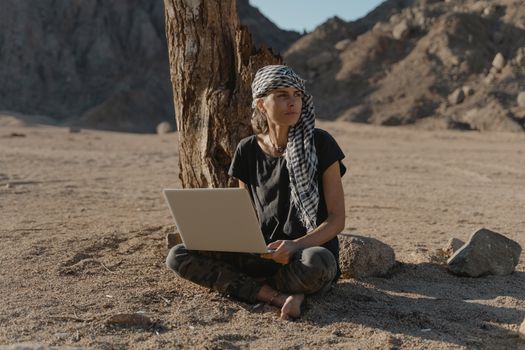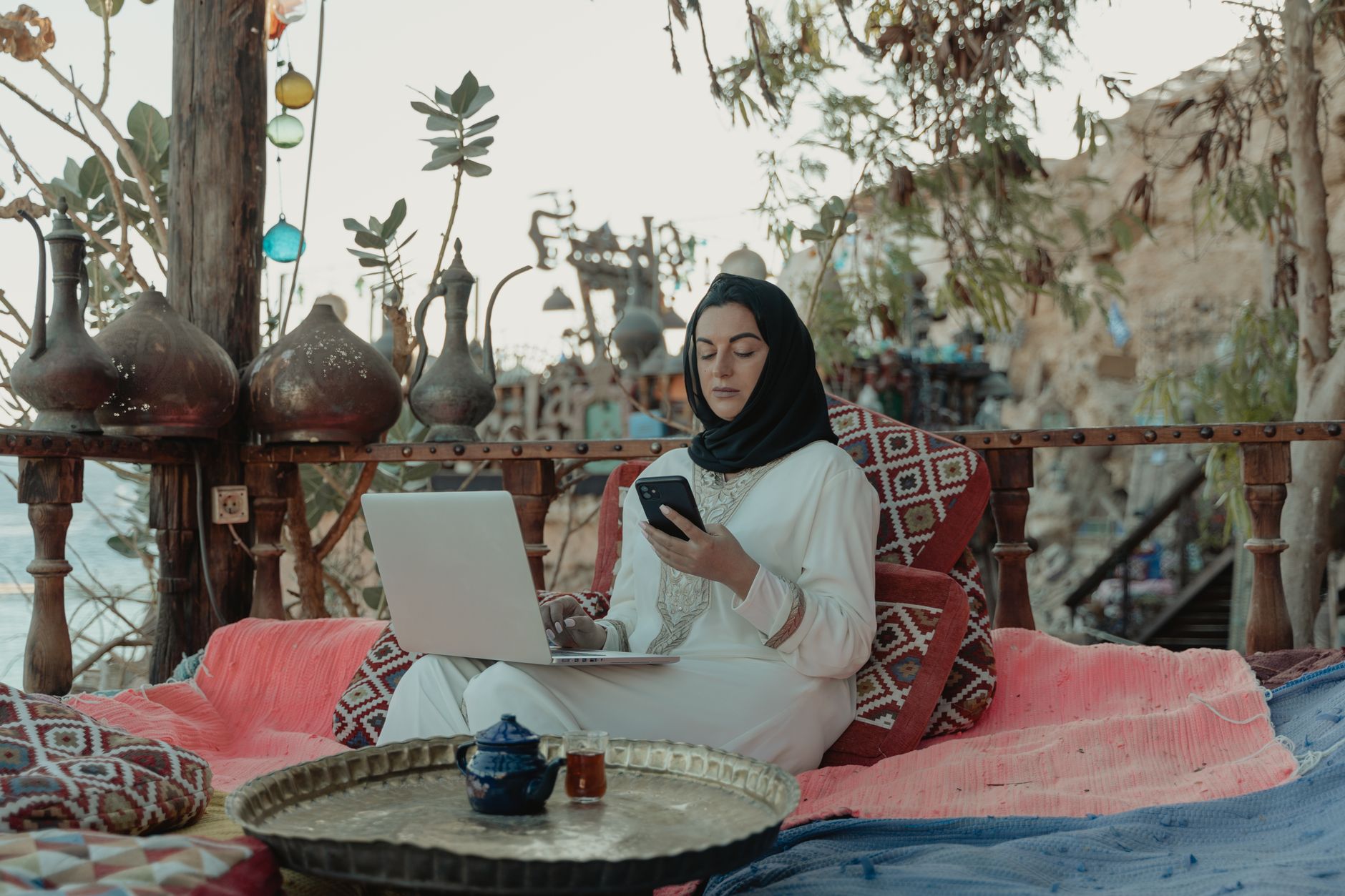
Scroll through travel social media and you could be forgiven for thinking a digital nomad visa is a golden ticket: pick a sunny country, upload a few documents, and start working from a beach café. The reality is more nuanced, and more interesting. These visas do exist, and dozens of countries now offer some version of them. But each one comes with conditions that decide whether it suits you at all.
This guide is not about secret loopholes, because there aren't any. It is about the fine print that posts tend to skip, so you can compare programs honestly and avoid expensive surprises.
Visa rules, fees and income thresholds change often. Treat everything below as general information and confirm details on the official government or immigration website of the country you are considering.
What a digital nomad visa actually is
A digital nomad visa, sometimes called a remote work visa, is a residence or long-stay permit designed for people who work for employers or clients outside the country they are living in. It usually lets you stay for several months to a year or more, and it clarifies that you are not taking a local job.
That last point is the heart of it. A standard tourist stay generally does not permit work, even remote work, in many countries, although enforcement and interpretation vary. A nomad visa gives you a clear, legal basis for living there while you earn income from elsewhere.
Most programs share a few features:
- Proof that you work remotely, either as an employee of a foreign company or as a freelancer with foreign clients.
- A minimum income or savings level, set by the country.
- Health insurance that covers you in that country.
- A clean criminal record check in many cases.
- An application fee and sometimes a processing wait.
The differences lie in the numbers and the conditions attached.
The income requirement is the first filter
Almost every program sets a minimum monthly income or a savings threshold. This varies widely. Some countries set the bar modestly, others require an income that many early-career remote workers will not reach.
Things to check carefully:
- How income is measured. Is it gross or net? Monthly or averaged across several months?
- What counts as proof. Bank statements, payslips, contracts, or tax returns are common. Freelancers often need more paperwork than employees.
- Whether savings can substitute. A few programs accept a lump of savings in place of income. Others do not.
- Whether dependents change the number. Partners and children often raise the threshold.
Before you fall in love with a destination, find the current figure on the official site and compare it honestly with your real, documentable income. If you are close to the line, check whether the rule is a hard cutoff or whether officers have discretion.
Employee or freelancer: it matters
Many programs were designed with remote employees in mind. If you work for a company, a signed letter from your employer confirming your role, salary and remote arrangement is often the key document.
Freelancers and business owners can usually apply too, but they may need to show several client contracts, invoices, or business registration. Some programs limit how much income may come from clients inside the host country, and some forbid local clients altogether. If your business depends on local customers, a nomad visa is probably the wrong tool.
Tax: the question that matters most and gets answered least
Here is where social posts most often fall short. A visa lets you stay. It does not automatically settle where you owe tax.
Several things can be true at once:
- Staying in a country for a long period can make you a tax resident there, depending on local rules, often triggered around a number of days in a year.
- Your home country may still consider you a tax resident, or may tax you based on citizenship, regardless of where you live.
- Some nomad programs explicitly offer a tax exemption on foreign income; others say nothing, leaving ordinary rules to apply.
- Treaties between countries can reduce double taxation, but they work differently in each case.
None of this is simple, and it is not something to guess at. Before committing, speak with a qualified accountant who understands cross-border situations, and read what the destination country's tax authority says about visa holders. This article is general information only and is not tax or legal advice.
Insurance and healthcare
Nearly every program asks for health insurance valid in the host country, and some specify minimum coverage levels. A standard short-trip travel policy may not meet the requirement, because long stays are often excluded or capped.
Look for:
- Coverage that matches the length of your visa.
- Clear terms on pre-existing conditions.
- Whether the policy is acceptable to the immigration authority, not just to you.
- Evacuation and repatriation cover, which matter in remote regions.
Keep digital and printed copies of your policy documents. Immigration offices sometimes want the paperwork in a specific format or language.
Duration, renewals and what happens next
A common misunderstanding is that a nomad visa leads to permanent residence. Usually it does not. Many are issued for one year, with a possible extension, and some count toward long-term residence while others explicitly do not.
Questions worth asking:
- What is the maximum total stay, including renewals?
- Can you leave and re-enter during the validity period?
- Do you have to spend a minimum number of days in the country?
- Does time on this visa count toward any residence pathway?
- Is there a cooling-off period before you can apply again?
If your goal is a long-term base, check whether a different category, such as a standard residence permit, fits better. If your goal is to try a place for six months, a nomad visa may be ideal.
The costs beyond the application fee
The fee itself is only part of the picture. Plan for:
- Document translation and official certification, sometimes called apostille or legalization, depending on the country.
- Criminal record checks from your home country.
- Medical or insurance costs.
- Travel to a consulate for an interview or biometrics, if required.
- A deposit and first months of rent, since landlords may want proof of residence and a longer lease.
- Local costs such as internet, coworking, and a reliable backup connection.
None of these are huge individually, but together they can change the real price of a move noticeably.
Matching a program to your situation
Instead of asking which visa is best, ask which one fits you. A few simple profiles help:
- The short-term tester. You want three to six months somewhere new. Look for programs with quick processing, modest paperwork and no tax complications for short stays.
- The one-year planner. You want a full year, with a home base for family or a project. Prioritise renewal options and housing flexibility.
- The freelancer with several clients. Check evidence rules and whether local clients are prohibited.
- The couple or family. Look at dependent rules, school access and the additional income required.
- The person who wants a path to settle. Compare nomad visas with standard residence routes before choosing.
Practical timeline for a first application
- Shortlist three countries based on climate, time zone overlap with your clients, and cost of living.
- Check the official requirements for each, and note income, insurance and document lists.
- Collect your documents early. Criminal record checks and apostilles can take longer than expected.
- Speak to a tax professional about your home-country obligations and the destination's rules.
- Arrange insurance that explicitly meets the visa criteria.
- Apply with time to spare, and do not book non-refundable flights or leases until approval is in hand.
- Plan your arrival: temporary accommodation for the first few weeks gives you time to find a proper home.
Documents to gather before you start
Preparing paperwork in advance is the single easiest way to reduce stress. A typical application may ask for some or all of the following:
- A valid passport with enough remaining validity, often six months or more beyond your stay.
- Passport-style photographs in the required format.
- Proof of remote employment or self-employment, such as a contract, employer letter or client agreements.
- Recent bank statements or payslips covering the period the authority specifies.
- Proof of health insurance.
- A police clearance or criminal record certificate from your home country, sometimes needing an official stamp.
- Proof of accommodation, such as a booking or lease, for at least the first period.
- A completed application form and the fee receipt.
Documents not in the local language may need certified translation. Ask the official site how recent each paper must be, because a certificate that is too old can be rejected even if it is accurate.
A realistic look at daily life on the visa
Once approved, the practical side begins. You may need to register your address with local authorities, collect a residence card, or report changes in your circumstances. Opening a bank account can take longer than expected, and some banks ask for local tax numbers. A local SIM card usually needs your passport and sometimes proof of address.
Give yourself a soft landing: book a short-term rental for the first weeks, then look for longer housing once you know the neighbourhoods. Landlords often prefer longer leases, so make sure the contract has a sensible exit clause that matches your visa length.
Warning signs to watch for
The internet is full of agents and websites offering help. Many are genuine, but be cautious about anyone who:
- Promises guaranteed approval.
- Asks for payment outside the official channels.
- Suggests you misstate your income or work type.
- Claims there is a hidden route the government does not publish.
Official government websites remain the best source. If you do use an agent, ask what exactly you are paying for, and verify their claims against the official requirements.
Frequently asked questions
Can I work for local clients on a digital nomad visa? Usually not. Most programs are built for income from outside the host country. Check the specific rules, because some countries allow limited local income and others forbid it entirely.
Does a nomad visa mean I pay no tax? Not automatically. Some countries offer tax advantages to visa holders, but your home country may still tax you. Get professional advice for your own situation.
Can I bring my family? Many programs allow partners and children as dependants, often with extra income requirements and additional paperwork. Confirm the details on the official site.
What if my income drops during the visa? This depends on the country. Some check only at application, while others can review at renewal. Understanding this beforehand helps you plan safely.
Summary
Digital nomad visas are a genuine, legal way to live abroad while keeping your remote job or business, and they are worth exploring. But the headline is only the beginning. The decisive details are the income threshold, how you earn it, tax residency, insurance, renewal rules and the extra costs around the application.
Start with your own situation, shortlist countries that fit it, read the official requirements, and speak to a tax professional before you commit. Do that, and the visa stops being a social media fantasy and becomes a practical plan you can actually carry out.