The year was 2018, and I was staring at a bill for a last-minute flight from Barcelona to Rome. My meticulously planned European adventure had hit a snag: a sudden family emergency meant I needed to be in Italy yesterday. The cash price for a direct flight? A stomach-churning €450. My travel budget, already stretched thin by tapas and Gaudí, screamed in protest. I almost clicked "buy" when a small voice in my head, a whisper from a fellow travel blogger I’d met in a hostel in Lisbon, reminded me: "Check your points, but don't just check direct redemptions. Look for sweet spots."
That whisper saved me. Instead of draining my bank account, I ended up booking that flight for a mere 15,000 points and a handful of euros in taxes, transferring them strategically to an airline partner I rarely used. It wasn't the direct redemption I expected, but it was a game-changer. That moment wasn't just about saving money; it was about realizing the true power of credit cards beyond basic cashback or simple points accumulation. It was about discovering the "tricks" – the advanced, often overlooked strategies that transform travel from an expense into an experience.
Welcome to Tripsora, and welcome to a world where your credit cards aren't just payment tools, but keys to unlocking incredible travel adventures. Forget what you think you know about travel rewards. We're diving deep into the credit card tricks that haven't quite hit the mainstream yet, the ones that separate the casual points earner from the true travel hacker. These aren't just about getting a free flight; they're about snagging a business class seat, staying in a five-star hotel for pennies, and enjoying perks that make every journey smoother, richer, and infinitely more memorable. Ready to become a travel wizard? Let's go.
1. The "Sweet Spot" Redemption Game: Unlocking Outsized Value with Partner Transfers
This is where the magic truly happens, and it's perhaps the most powerful trick in a savvy traveler's arsenal. Most people redeem their points directly through their credit card portal, often getting a fixed value (e.g., 1 cent per point). While decent, it's rarely great. The real secret lies in understanding airline alliances and hotel transfer partners.
The Trick: Instead of redeeming points directly, transfer them to a specific airline or hotel loyalty program that offers disproportionately high value for certain routes or properties. These are called "sweet spots."
How it Works & Why it's Not Mainstream (Yet): Most major flexible points currencies – think Chase Ultimate Rewards, Amex Membership Rewards, Capital One Miles, Citi ThankYou Points – allow you to transfer your points to a variety of airline and hotel partners. The trick is that the value you get can vary wildly. Sometimes, a flight that costs $1,000 cash might only cost 30,000 miles with one partner airline, while another partner (or direct redemption) might ask for 100,000 miles for the same flight.
Actionable Advice & My Story:
- Identify Your Goal: Do you want a luxury hotel stay, a business class flight, or just to stretch your points further?
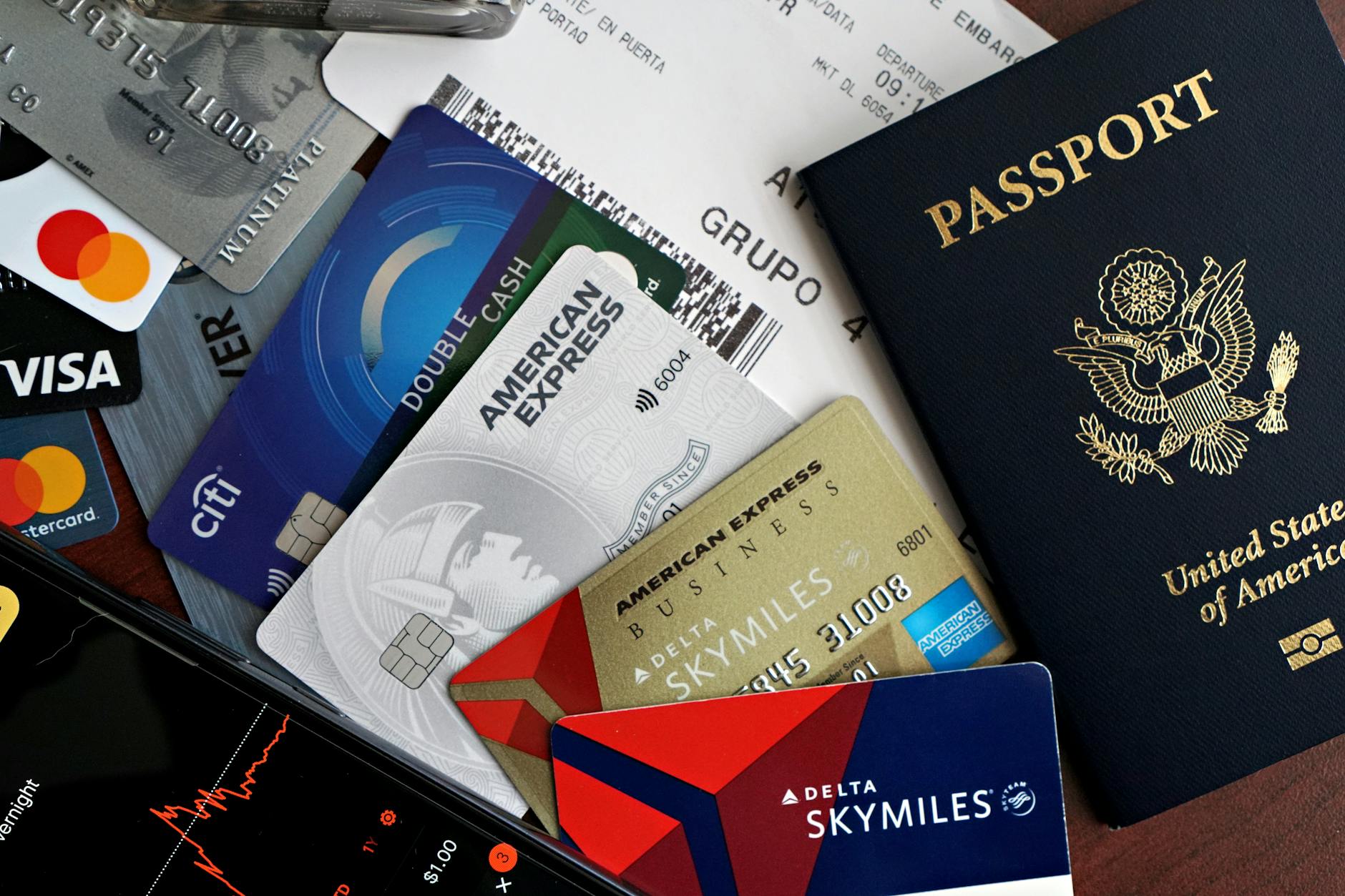
- Research Transfer Partners: Know which airline alliances (Star Alliance, SkyTeam, Oneworld) your preferred credit card partners belong to. For instance, Chase Ultimate Rewards partners with United (Star Alliance), Southwest, British Airways (Oneworld), Virgin Atlantic, and more. Amex MR has Delta (SkyTeam), Emirates, ANA (Star Alliance), etc.
- Look for Transfer Bonuses: Banks often run promotions where they offer 20-50% bonus points when you transfer to a specific partner. This is when you can truly supercharge your points!
- Use Award Search Tools: Websites like AwardHacker.com or Point.me can help you find how many miles different airlines charge for a specific route. For example, I once snagged a round-trip business class flight from New York to Zurich on SWISS (a Star Alliance member) for just 70,000 Avianca LifeMiles (a Chase transfer partner) during a 25% transfer bonus. That flight would have cost over $4,000 cash! My friends thought I'd won the lottery, but it was just a smart transfer.
- Hotel Sweet Spots: Hyatt is often considered the king of hotel redemptions, especially for luxury properties. I once stayed at the Park Hyatt Maldives, a dream destination, for 30,000 Hyatt points per night. The cash rate? Over $1,200! That's a 4-cent per point value, far exceeding the typical 1-cent. Chase Ultimate Rewards transfers 1:1 to Hyatt, making it an incredible sweet spot.
This strategy requires a bit more research than just clicking "redeem," but the payoff is monumental. It's how you turn economy travel into first-class experiences.
2. The Art of the "Companion Pass" & Elite Status Fast-Track
Imagine flying with a friend or partner for almost free, anywhere you want to go, for an extended period. Or walking into a hotel and being automatically upgraded, offered free breakfast, and granted a late checkout. These aren't just perks for road warriors; they're achievable tricks with the right credit cards.
The Trick: Leverage specific credit cards to earn a Companion Pass (like Southwest's legendary offer) or to fast-track your way to airline/hotel elite status.
How it Works & Why it's Not Mainstream (Yet):
- Companion Pass: The Southwest Companion Pass is legendary in the travel hacking world. Once earned, a designated companion flies with you for free (plus taxes and fees, usually $5.60 per one-way flight) on any Southwest flight you book, whether with cash or points, for the rest of the calendar year and the entire next calendar year. This effectively halves your travel costs on Southwest for up to two years! Most people don't realize you can strategically earn this through credit card sign-up bonuses.
- Elite Status: Many premium travel credit cards offer complimentary mid-tier hotel elite status (e.g., Hilton Gold, Marriott Gold, IHG Platinum) or provide shortcuts to airline status. This status often comes with tangible benefits like room upgrades, free breakfast, lounge access, and late checkout.
Actionable Advice & My Story:
- Southwest Companion Pass Strategy: This typically involves earning 135,000 qualifying points in a calendar year. The easiest way to do this is by signing up for two Southwest credit cards (one personal, one business if eligible) when they have high sign-up bonuses. Time your applications so the bonuses post early in the year, giving you nearly two full years of companion travel. My partner and I used this trick to explore so much of the US! We flew from our home in Denver to San Diego, Austin, Chicago, and Orlando, all for effectively half price. We saved thousands, using the extra cash for incredible meals and experiences at each destination.
- Credit Cards for Elite Status:
- Amex Platinum Card: Comes with Hilton Gold and Marriott Bonvoy Gold Elite status. Hilton Gold, in particular, is fantastic, offering free breakfast at most brands and space-available upgrades. I once got a multi-category upgrade at a Hilton in Rome, landing us a stunning suite with a view of the Colosseum, all thanks to my Amex Platinum-granted status.
- IHG Rewards Club Premier Card: Grants Platinum Elite status with IHG, which includes complimentary upgrades, bonus points, and a free night certificate each year.
- Airline Co-branded Cards: Some airline cards offer a head start on elite status qualification or benefits like free checked bags and priority boarding.
These perks can significantly elevate your travel experience without you having to spend hundreds of nights in hotels or fly thousands of miles annually. It’s about being smart with your card choices.
3. Beyond Travel Insurance: The Hidden Protections You're Not Using
Most travelers either buy expensive third-party travel insurance or assume they're completely uncovered. This is a huge mistake! Many premium travel credit cards offer incredibly robust, often primary, insurance benefits that most people don't even know they have.
The Trick: Understand and utilize the built-in travel protections offered by your credit card for rental cars, trip delays, lost luggage, and even purchase protection.
How it Works & Why it's Not Mainstream (Yet): These benefits are often buried in the fine print of your cardholder agreement, so many users simply overlook them. However, they can save you hundreds, even thousands, of dollars in unexpected situations.
Actionable Advice & My Story:
- Primary Rental Car Insurance: This is a big one. Cards like the Chase Sapphire Reserve or Capital One Venture X offer primary collision damage waiver (CDW) coverage. This means if you damage a rental car, your credit card's insurance pays first, without involving your personal car insurance. Always decline the rental car company's expensive CDW when using these cards. I learned this the hard way on a trip to Iceland. I accidentally scraped a rental car against a volcanic rock (don't ask!). Instead of a hefty bill from the rental company, my Chase Sapphire Reserve's primary insurance handled the claim seamlessly, saving me over $1,000 and avoiding a ding on my personal insurance record.
- Trip Delay/Cancellation Insurance: If your flight is delayed by a certain number of hours (e.g., 6 hours for Chase Sapphire Reserve, 12 hours for Amex Platinum), or cancelled, these cards can reimburse you for reasonable expenses like meals, lodging, and toiletries.
- My anecdote: My flight from Lisbon to Marrakesh was delayed by 8 hours due to an unexpected mechanical issue. While other passengers were stressed and scrambling, I calmly booked a nice dinner at an airport restaurant and settled into a comfortable lounge, knowing my Sapphire Reserve would cover up to $500 for those expenses. It turned a frustrating delay into a minor inconvenience.
- Lost/Delayed Luggage: If your bags go missing or are delayed, your card can often reimburse you for essential purchases (clothes, toiletries) up to a certain limit.
- Purchase Protection & Extended Warranty: Not strictly travel, but incredibly useful. Some cards protect purchases against damage or theft for a period after purchase and extend manufacturer warranties. I once dropped a new camera lens days before a trip to Patagonia. My Amex Platinum's purchase protection covered the repair cost, saving my trip's photography!
Always pay for your travel (flights, hotels, rental cars) with the card offering the best protections. Review your card's benefits guide annually; they can change!
4. The Strategic Gift Card Play: Optimizing Category Bonuses & Minimum Spend
This trick requires a bit more finesse and discipline, but it's a powerful way to accelerate your points earning, especially when trying to meet minimum spend requirements for lucrative sign-up bonuses.
The Trick: Strategically purchase gift cards at merchants that fall under bonus spending categories (e.g., grocery stores, office supply stores) to earn extra points on spending you would do anyway, or to help meet a sign-up bonus threshold.
How it Works & Why it's Not Mainstream (Yet): Most people use their credit cards for everyday spending and earn points at the standard rate. However, many cards offer bonus categories (e.g., 3x points on groceries, 5x points at office supply stores). The trick is to realize that many of these stores sell gift cards for other retailers, like Amazon, Target, gas stations, or even restaurants.
Actionable Advice & My Story:
- Meeting Minimum Spend: Let's say you just got a new card with a fantastic 80,000-point sign-up bonus, but you need to spend $4,000 in three months. Instead of forcing unnecessary expenses, identify regular spending you know you'll do (e.g., groceries, gas, Amazon purchases). If your card earns 4x points at grocery stores, buy gift cards for Amazon or your favorite coffee shop at the grocery store. You're effectively "pre-paying" for future expenses while earning 4x points and contributing to your sign-up bonus.
- My anecdote: I once needed to hit a $5,000 spend for a premium card bonus. Knowing I'd be buying a lot from Amazon and ordering food delivery over the next few months, I went to my local office supply store (which gave 5x points on my Amex Business Gold) and bought $1,000 worth of Amazon and Uber Eats gift cards. Not only did I hit a significant chunk of my minimum spend, but I earned 5,000 extra points on money I was going to spend anyway. It’s like double-dipping on rewards!
- Maximizing Category Bonuses: Even without a sign-up bonus, this is useful. If your card earns 3x points on dining, but your favorite local taco truck is cash-only, see if they sell gift cards at a supermarket that offers 3x points on groceries. You still get your tacos and your points.
Important Caveats:
- Only buy what you will definitely spend. Don't buy gift cards for things you wouldn't normally purchase. This isn't about increasing your spending, but optimizing existing spending.
- Be aware of cash equivalents. Banks are smart. Don't buy gift cards in massive quantities or for things like Visa/Mastercard gift cards that can be seen as "manufactured spending" and potentially trigger red flags. Stick to specific merchant gift cards for everyday use.
- Check your card's terms. Some cards exclude gift card purchases from bonus categories, though this is rare for general merchant gift cards.
This strategy is about being hyper-efficient with your spending, turning every dollar into more points for your next adventure.
5. The Annual Fee Justification & Retention Call Playbook
Annual fees can feel like a punch to the gut, especially when they roll around year after year. Many travelers simply cancel a card when the fee hits, or they downgrade to a no-fee version. But savvy travelers know there's a powerful trick to not only keep valuable cards but often get rewarded for it.
The Trick: When your card's annual fee is due, call the bank and ask for a retention offer or a product change, aiming to either waive the fee, get a statement credit, or receive a points bonus.
How it Works & Why it's Not Mainstream (Yet): Credit card companies want to keep you as a customer, especially if you're a good one (pay on time, use the card). They'd rather offer you a small incentive to stay than lose you entirely. Most cardholders don't realize this is an option, or they're too shy to ask.
Actionable Advice & My Story:
- When to Call: Call a few weeks before your annual fee posts, or shortly after it appears on your statement. You usually have 30-60 days to cancel after the fee posts for a full refund.
- What to Say: Be polite, but firm. Explain that you're reviewing your credit card portfolio and considering whether the card's annual fee is still justified for your spending habits. Mention any competitors or other cards you're considering.
- Phrases like: "I've really enjoyed the benefits of this card, especially [mention a specific benefit like lounge access or travel insurance], but the [e.g., $95] annual fee is making me reconsider. Are there any retention offers available to help me justify keeping it for another year?"
- Be Prepared for No: Sometimes, there simply isn't an offer. If that's the case, ask about a "product change" to a no-annual-fee version of the card (e.g., downgrading a Chase Sapphire Preferred to a Chase Freedom Flex). This allows you to keep your credit history intact without paying an annual fee.
- My Success Story: My Amex Gold card was approaching its $250 annual fee. I loved the dining and grocery multipliers, but I was wondering if I could get more value. A quick, polite 10-minute call to Amex customer service yielded an offer of 15,000 Membership Rewards points if I kept the card and spent $1,500 in the next three months. Those 15,000 points, strategically transferred, were easily worth $200-$300, more than justifying the fee and securing me a free flight segment for my next trip to Mexico City!
This trick is pure negotiation, and it's amazing how often it works. Don't leave money or points on the table!
6. The Global Entry/TSA PreCheck Reimbursement: Speed Through Security for Free
This isn't exactly a "trick" in the sense of finding a loophole, but it's a massively underutilized benefit of many premium travel cards that significantly enhances the travel experience, yet many cardholders pay for these services out-of-pocket.
The Trick: Use your eligible credit card to pay for your Global Entry or TSA PreCheck application fee, and the card will automatically reimburse you for the cost.
How it Works & Why it's Not Mainstream (Yet): Global Entry ($100 for 5 years) and TSA PreCheck ($78 for 5 years) offer expedited security screening at airports. Global Entry also includes PreCheck and allows for faster customs processing when re-entering the US. Many premium travel credit cards (e.g., Chase Sapphire Reserve, Amex Platinum, Capital One Venture X, United Explorer Card, etc.) offer a statement credit for one of these programs every 4-5 years. People often forget this benefit or simply pay for it with another card.
Actionable Advice & My Story:
- Check Your Card Benefits: Look at the benefits guide for any travel card you have with an annual fee. The Global Entry/TSA PreCheck reimbursement is a common offering.
- Apply and Pay: Go to the official Trusted Traveler Programs website (ttp.dhs.gov), apply for Global Entry or TSA PreCheck, and make sure to pay the fee with your eligible credit card. The statement credit usually appears within a few days to a week.
- My anecdote: My first time applying for Global Entry, I almost paid with my debit card. Luckily, a friend reminded me about the reimbursement benefit on my Chase Sapphire Reserve. I paid with the CSR, and sure enough, a $100 credit appeared on my statement a few days later. Since then, it's been a non-negotiable perk. Getting through customs at LAX in 10 minutes after a 14-hour flight from Sydney, while others waited for an hour, felt like a superpower. It's a small detail that makes a huge difference in reducing travel stress.
This is a simple, straightforward benefit that saves you money and, more importantly, saves you precious time and sanity at the airport. Don't skip it!
The Road Ahead: Your Journey to Smart Travel
These credit card tricks aren't about getting something for nothing; they're about maximizing the value you already have and making smart choices that amplify your travel experiences. From that near-miss flight in Barcelona to enjoying luxury suites and zipping through airport security, these strategies have transformed my own travels, allowing me to explore more, experience richer, and save significantly.
Remember, the golden rules still apply:
- Pay your balance in full, every month. Interest payments negate any rewards.
- Don't overspend. Only use credit cards for expenses you would have made anyway.
- Monitor your credit score. Responsible use of credit cards can actually boost your score.
The world of travel rewards is constantly evolving, with new cards, new benefits, and new sweet spots emerging all the time. By understanding these "tricks" before they become common knowledge, you're not just earning points; you're investing in unforgettable memories.
Which of these credit card tricks will you try first? Have you discovered a secret hack that changed your travel game? Share your insights in the comments below! Let's build a community of savvy travelers who know how to truly unlock the world.
And don't forget to follow Tripsora on social media for more cutting-edge travel tips and inspiration. Your next extraordinary adventure awaits!
---