Monsoon Magic: Why the Rains are Your Ticket to Unforgettable Adventures (and What Influencers Won't Tell You)
Let me tell you a secret, one that goes against every perfectly sun-drenched, palm-tree-lined post you’ve ever double-tapped on Instagram. The best time to travel isn't always when the skies are blue and the tourists are abundant. Sometimes, the most profound, most authentic, and most jaw-dropping experiences happen when the clouds roll in, the earth breathes a sigh of relief, and the world washes itself clean. I'm talking about the monsoon season.
My first monsoon trip was born out of necessity. A last-minute decision, a flight deal too good to refuse, landed me in the Western Ghats of India smack dab in the middle of July. I expected gloom, mud, and endless rain. What I found instead was an emerald paradise, mist-shrouded mountains that felt like stepping into a painting, and the intoxicating scent of wet earth that still pulls at my soul. I watched waterfalls roar to life, sipped endless cups of piping hot chai with locals who had all the time in the world, and hiked through forests so vibrant they seemed to glow. It was a revelation. It was everything the glossy travel magazines didn't show you.
Instagram influencers, with their curated perfection and sponsored itineraries, often steer clear of the monsoon. Why? Because it’s unpredictable. It’s messy. It’s not always about perfectly styled outfits and endless sunshine. But that, my friends, is precisely where the magic lies. If you're ready to trade manufactured moments for genuine awe, read on. This is your guide to monsoon season adventures that most people avoid, and the secrets Instagram influencers don't want you to know.
The Myth vs. The Magic: Why Monsoon is Misunderstood
Let’s debunk some myths right away. When people hear "monsoon," they often picture endless torrential downpours, flooded streets, sickness, and travel nightmares. And yes, there can be heavy rain, and sometimes delays. But to focus solely on the negatives is to miss the entire point.
The Reality:
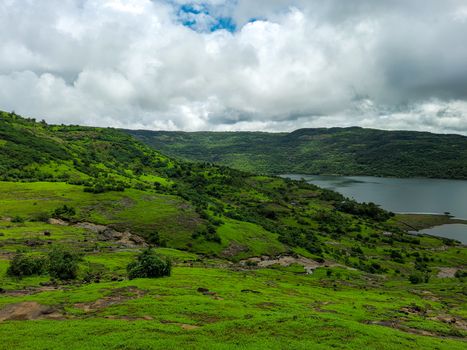
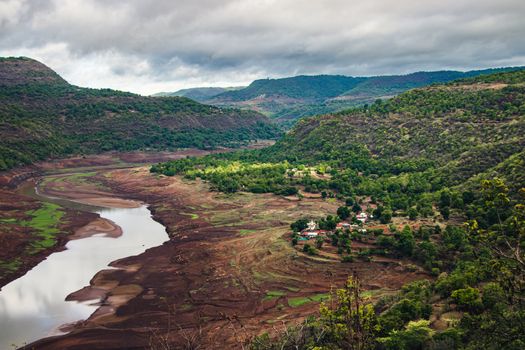
- Lush Landscapes: The parched earth transforms into a vibrant, almost fluorescent green. Every leaf glistens, every field is reborn. It's a photographer's dream, offering a palette of colors you won't see any other time of year.
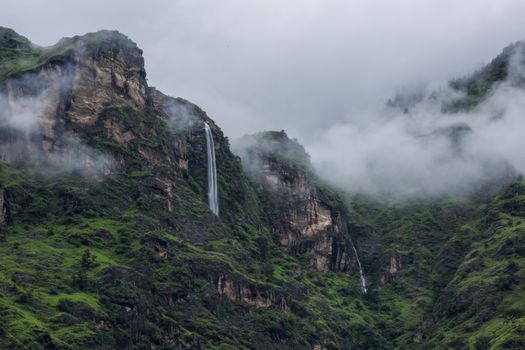
- Roaring Waterfalls: Many seasonal waterfalls, mere trickles in the dry season, become magnificent cascades during the monsoon. They are powerful, breathtaking, and often less crowded.
- Mist & Mystique: Mountains and valleys are frequently enveloped in a dreamy mist, adding an ethereal quality to the landscape. It feels ancient, untouched, and deeply spiritual.
- Fewer Crowds, Better Prices: This is the big one. Because it's "off-season," you'll find significantly fewer tourists. This means quieter trails, uncrowded viewpoints, easier access to attractions, and often, substantial discounts on flights, hotels, and even local activities. Your wallet will thank you.
- Authentic Encounters: With fewer tourists rushing through, locals are often more relaxed, open, and eager to share their culture. You're more likely to have genuine, unhurried conversations and experience true local life.
Sure, you might get wet. Your shoes might get muddy. But isn't that part of the adventure? The magic of monsoon lies in embracing the elements, finding beauty in the unexpected, and discovering a side of destinations that remains hidden from the sun-chasers.
Gear Up & Go: Essential Packing & Prep for Rainy Rhapsody
To truly enjoy your monsoon escapade, a little preparation goes a long way. This isn't your typical beach vacation packing list.
- Waterproof Everything:
- Rain Jacket & Pants: A good quality, lightweight, breathable rain jacket is non-negotiable. Waterproof pants are a bonus, especially for trekking.
- Backpack Cover: Crucial for keeping your essentials dry. Many backpacks come with one, but if not, buy a separate one.
- Dry Bags/Ziplocs: Invest in several dry bags of various sizes for electronics (phone, camera, power bank), important documents, and spare clothes. Ziploc bags are a budget-friendly alternative.
- Footwear:
- Waterproof Trekking Shoes/Sandals: Forget your fancy sneakers. You need sturdy, grip-heavy footwear that can handle mud and slippery surfaces. Waterproof trekking shoes are ideal for hikes. Alternatively, durable waterproof sandals (like Tevas or Crocs) are great for casual strolling and quick-drying.
- Quick-Dry Socks: Wool or synthetic blends are better than cotton.
- Clothing:
- Quick-Dry Fabrics: Opt for synthetic materials (polyester, nylon) or light wool that dry quickly. Avoid heavy denim or cotton that can stay damp for ages.
- Layers: Even in the rain, temperatures can fluctuate. Layers allow you to adapt.
- Light Sweater/Fleece: For cooler evenings or higher altitudes.
- Health & Safety:
- Insect Repellent: Mosquitoes love damp weather. Be prepared.
- Basic First-Aid Kit: Band-Aids, antiseptic wipes, pain relievers, motion sickness pills (for winding roads).
- Hand Sanitizer: Always a good idea.
- Miscellaneous:
- Small Umbrella: For light drizzles or quick dashes.
- Power Bank: Power cuts can happen. Keep your devices charged.
- Torch/Headlamp: For unexpected darkness or treks.
- Reusable Water Bottle: Stay hydrated and reduce plastic waste.
- Positive Attitude & Flexibility: This is the most important item on your list! Embrace delays, detours, and the occasional soaking.
Unveiling Monsoon's Hidden Gems: Locations & Experiences
While monsoon season offers unique charm across many parts of the world, I'll focus on some absolute gems in India, a country where the monsoon is not just a season, but a way of life, celebrated and revered.
1. The Western Ghats, India: Emerald Mountains & Roaring Falls
This mountain range, a UNESCO World Heritage site, truly comes alive during the monsoon. Forget the dry, brown hills of summer; the Ghats transform into an undulating carpet of vibrant green.
- Wayanad, Kerala: My personal favorite. Imagine waking up in a treehouse amidst coffee plantations, the rhythmic patter of rain on the leaves, and mist swirling around you. Wayanad offers stunning treks (like the Chembra Peak Heart Lake trek, though check conditions), ancient caves, and countless waterfalls. I remember hiking to Meenmutty Falls after a heavy downpour; the sheer power and volume of water were awe-inspiring. A local guide (around ₹500-₹800/day) can often lead you to lesser-known, pristine spots. Homestays here are incredibly charming, often costing ₹1500-₹3000/night with home-cooked meals.
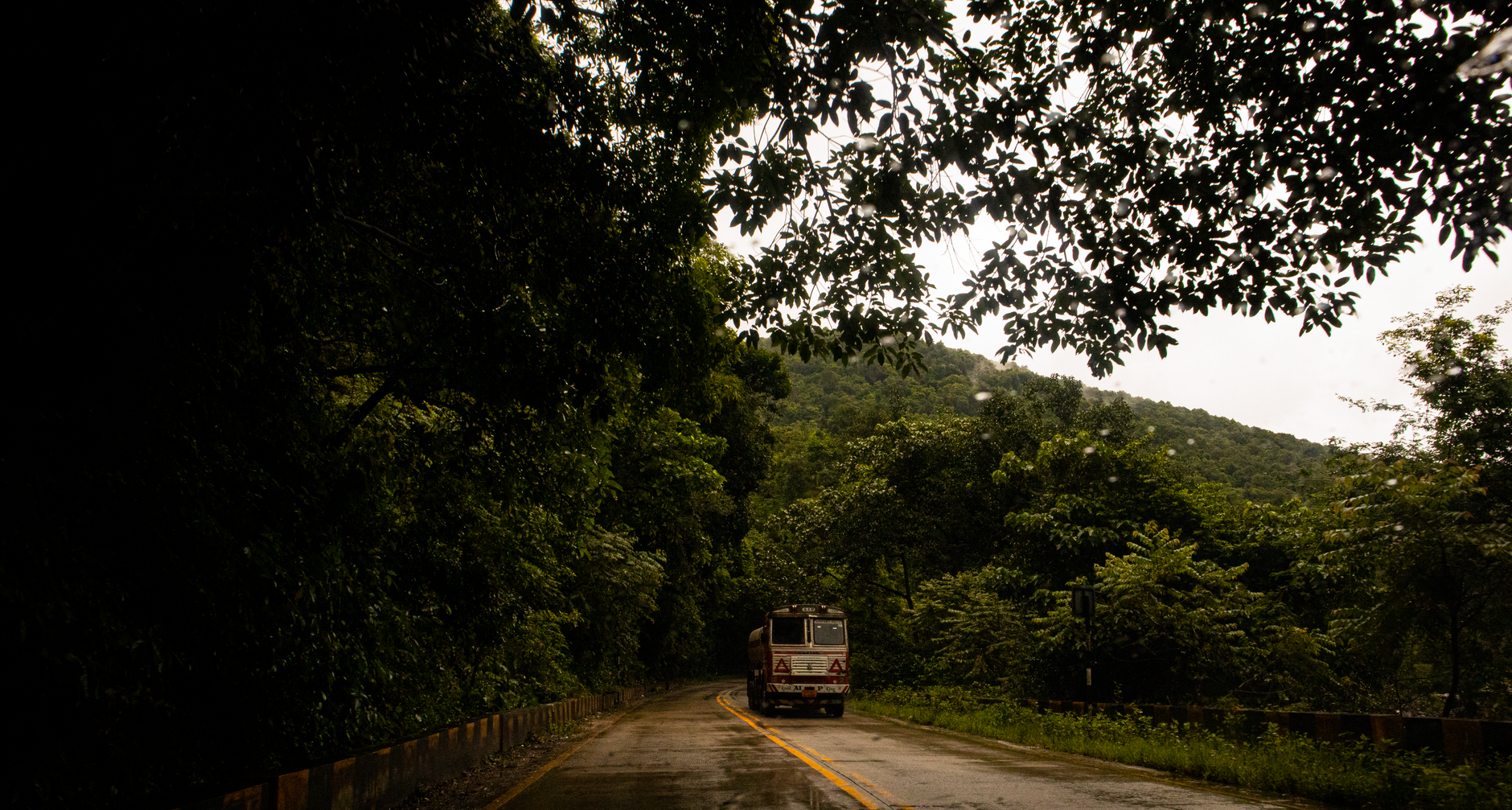
- Agumbe, Karnataka: Known as the "Cherrapunjee of the South," Agumbe is a rainforest paradise. It's famous for its king cobra sightings (best left to the experts!) and incredible biodiversity. The drive through the winding roads, surrounded by dense forests and hidden viewpoints, is an experience in itself. Stay at a local guesthouse or eco-lodge for an authentic immersion.
- Lonavala & Malshej Ghat, Maharashtra: Popular weekend getaways from Mumbai and Pune. Lonavala boasts numerous waterfalls like Bushi Dam and Kune Falls, which swell dramatically. Malshej Ghat, a little further afield, is a birdwatcher's paradise, especially for flamingos, and offers spectacular views of valleys and mountains. Expect basic guesthouses for ₹1000-₹2000/night.
- Dudhsagar Falls, Goa/Karnataka border: While Goa is known for its beaches, the monsoon turns it into a lush green haven. The star attraction is Dudhsagar Falls, one of India's tallest. During monsoon, it’s a colossal, milky white torrent, truly living up to its name "Sea of Milk." You can often take a jeep safari (around ₹500-₹800 per person) through the Bhagwan Mahavir Wildlife Sanctuary to reach it. The journey itself, through muddy tracks and gushing streams, is an adventure.
2. Meghalaya, India: The Abode of Clouds & Living Root Bridges
Literally meaning "Abode of Clouds," Meghalaya lives up to its name during monsoon. It's home to Cherrapunjee and Mawsynram, two of the wettest places on Earth, making it a spectacular monsoon destination.
- Cherrapunjee (Sohra): Experience rain like never before. The Nohkalikai Falls, Dainthlen Falls, and Seven Sisters Falls are at their majestic best. The mist and fog create a surreal landscape. Don't miss the eco-park and the Mawsmai Cave, where you can explore ancient limestone formations.
- Mawlynnong & Dawki: Mawlynnong, famously known as "Asia's Cleanest Village," is a delight. The village transforms into a green wonderland. A short trek away are the incredible Living Root Bridges – natural wonders formed by guiding the roots of rubber trees over generations. Navigating these slippery, ancient bridges in the rain is an unforgettable experience. Dawki, on the border with Bangladesh, boasts the crystal-clear Umngot River. During monsoon, the river still maintains a magical clarity, though it can be a bit turbulent. Local guides for the root bridges can cost around ₹300-₹500. Basic homestays in Mawlynnong are around ₹800-₹1500/night.
- Shillong: The capital city, often called "Scotland of the East," is charming in the rain, with its colonial architecture, misty hills, and vibrant local markets.
The constant sound of rain, the earthy aroma, and the unique culture of the Khasi people make Meghalaya an unparalleled monsoon adventure. Carry sturdy walking shoes, as paths can be slippery.
3. Kerala Backwaters: Serene Green & Ayurvedic Bliss
While the beaches are less appealing during monsoon, Kerala's backwaters and inland areas offer a tranquil, rejuvenating experience.
- Alleppey (Alappuzha) & Kumarakom: Imagine gliding through the serene backwaters on a houseboat, the rain gently tapping on the roof, surrounded by endless green paddy fields and coconut groves. The air is fresh, the crowds are minimal, and the pace of life slows down even further. Houseboat rates can be significantly lower (starting from ₹6000-₹8000 for an overnight stay for two, compared to ₹10,000+ in peak season).
- Ayurveda: Monsoon is considered the best time for Ayurvedic treatments and rejuvenation therapies. The cool, damp weather helps the body absorb medicinal oils better. Many resorts offer special monsoon packages for wellness retreats.
Embrace the Unexpected: Navigating Challenges & Finding Joy
Monsoon travel isn't without its quirks, and that’s part of its charm.
- Road Conditions & Delays: Roads can be slippery, muddy, or occasionally blocked by minor landslides. Public transport might face delays. This is where your "flexibility" comes in. Don't overschedule. Build buffer time.
- Power Cuts: Especially in remote areas, power outages can occur. This is why a power bank and torch are essential. Embrace the candlelight and the quiet!
- Local Delights: The monsoon brings out some incredible local food. Seek out steaming hot pakoras (fritters), bhajiyas, and endless cups of ginger chai from roadside stalls. There’s nothing quite like it after a refreshing downpour.
- Photography: Don't let the rain deter you. Monsoon offers unique photographic opportunities: mist-shrouded landscapes, vibrant greens, reflections in puddles, and dramatic skies. Protect your gear with dry bags and use a lens hood.
- Connect with Locals: With fewer tourists, locals are often more inclined to chat. My fondest memories are often of sharing a cup of chai under a tin roof with a local shopkeeper, discussing the rain, life, and everything in between.
Budget Brilliance: Why Off-Season is Your Wallet's Best Friend
One of the biggest advantages of monsoon travel is the significant cost savings. Instagram influencers often chase peak season for peak sponsorships, but you can travel smarter.
- Flights & Accommodation: Expect off-season discounts of 20-50% on flights and hotels/homestays. Many boutique hotels and resorts offer enticing monsoon packages.
- Activities & Transport: While some water sports might be unavailable, local tours and guides are often more affordable and flexible. Even hiring a local taxi for a day might be negotiable.
- Food: Local eateries, especially those serving seasonal monsoon snacks, are always budget-friendly and offer the most authentic flavors.
For instance, my Guesthouse in Wayanad, which would easily cost ₹3000-₹4000 in December, was a mere ₹1800/night in July, including breakfast. A delicious local meal cost me around ₹200. These savings add up, allowing you to travel longer or indulge in unique experiences like an Ayurvedic massage.
Responsible Rains: Sustainable Travel During Monsoon
Traveling responsibly is always important, but especially so during monsoon when ecosystems are particularly fragile.
- Leave No Trace: With increased water flow, waste can spread easily. Pack out everything you pack in. Avoid single-use plastics.
- Support Local: Choose local homestays, eat at local restaurants, and hire local guides. Your money directly benefits the community during their quieter season.
- Respect Nature: Stick to marked trails, avoid disturbing wildlife, and be mindful of your impact on the delicate environment.
- Stay Informed: Be aware of local weather advisories and road conditions. Prioritize safety over adventure.
The Forecast: Unforgettable Memories
The monsoon season isn't just a weather phenomenon; it's an experience. It's a chance to see destinations through a different lens, to connect with nature on a deeper level, and to uncover the raw, untamed beauty that often gets overlooked in the pursuit of sunny perfection. It’s where genuine stories are made, not just pretty pictures.
So, next time you're planning an adventure, don't shy away from the rain. Embrace it. Pack your waterproofs, open your mind, and prepare for an adventure that will fill your soul, challenge your perceptions, and leave you with stories that no filtered Instagram feed could ever capture. The secrets are out. Now, it's your turn to explore.
---
Are you ready to chase the monsoon magic? Share your favorite rainy season adventure ideas in the comments below, or better yet, tag us in your monsoon photos on Instagram using #TripsoraMonsoon!
---